In the video game industry, the calendar is a battlefield where publishers routinely surrender territory to avoid collateral damage. For years, the month of November has belonged to an untouchable sovereign: the monolithic blockbusters capable of dominating consumer attention, retail charts, and cultural discourse entirely on their own. Entering this window is widely treated as commercial suicide for mid-market and independent studios alike.
Yet, as the Gamescom convention floor buzzed with anticipation, Coin Crew Games co-founder Mike Salyh and senior game designer Jacob Surovsky revealed a calculated gamble that defies industry conventional wisdom. Their upcoming cooperative puzzle sequel, Escape Academy 2: Back 2 School, is officially scheduled to launch this November for Windows PC and Xbox Series X.
Rather than fleeing from the atmospheric gravity of Rockstar Games’ impending open-world crime thriller, Grand Theft Auto 6, the indie developer is leaning directly into its shadow. For Coin Crew Games, the decision is not born of delusion, but of a deep-seated confidence in the current multiplayer renaissance and the changing psychological profile of modern gamers. As the industry shifts away from an obsession with graphical fidelity toward hyper-social, pro-national co-op "hangout games," Escape Academy 2 aims to prove that cooperative puzzle-solving serves a distinct, starving audience. Far from cowering before a titan, Coin Crew Games views the heavy foot traffic of November as a fertile ecosystem where a well-crafted, brain-teasing escape room experience can comfortably thrive.
Detailed Chronology: From Pandemic Experiment to Full-Fledged Sequel
The genesis of Coin Crew Games is deeply intertwined with the unique sociological pressures of the COVID-19 pandemic era. Founded by real-life escape room designers forced out of physical venues by global lockdowns, the studio set out to translate the tactile, high-pressure thrill of collaborative deduction into a digital medium.
The 2022 Debut and Game Pass Lift
When Escape Academy debuted in 2022, it struck a chord with an isolated public desperate for shared virtual spaces. Bolstered by a strategic day-one launch on Xbox Game Pass, the title quickly found a dedicated community. This foundational success gave the small team the operational runway needed to experiment with post-launch content. Through DLC expansions like Tournament of Puzzles, Coin Crew began tinkering with competitive modes and procedural design, slowly realizing that their ambitions were rapidly outgrowing episodic add-ons.
"When we launched Escape Academy, we got so much positive feedback," Salyh reflected. "We were able to continue growing the game and the player base with the DLCs. Eventually it got to a point where we realized now we actually do have the chops to pull off some of these bigger ideas. And we heard so much good feedback from the community on what they would want to see in more content that we realized that this is bigger than just another DLC. There’s a whole sequel here."
Building the Campus: Evolution in Back 2 School
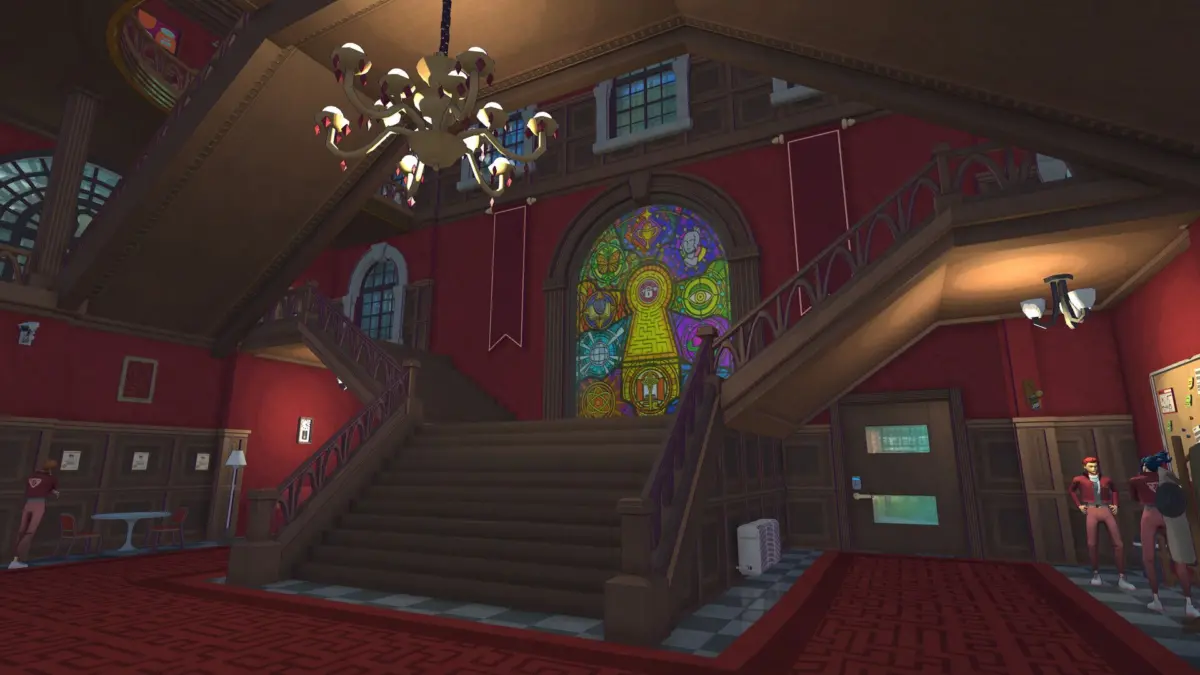
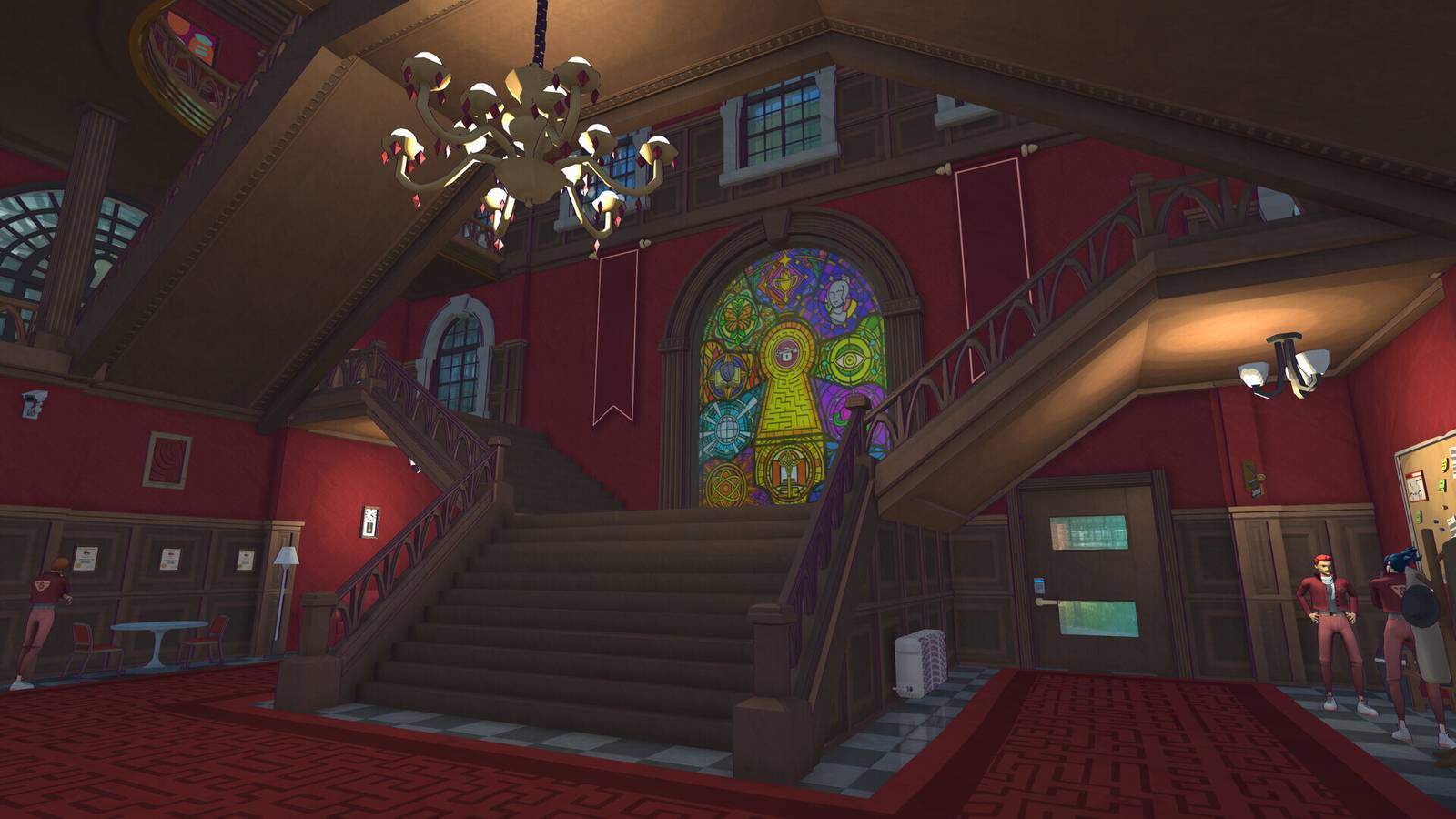
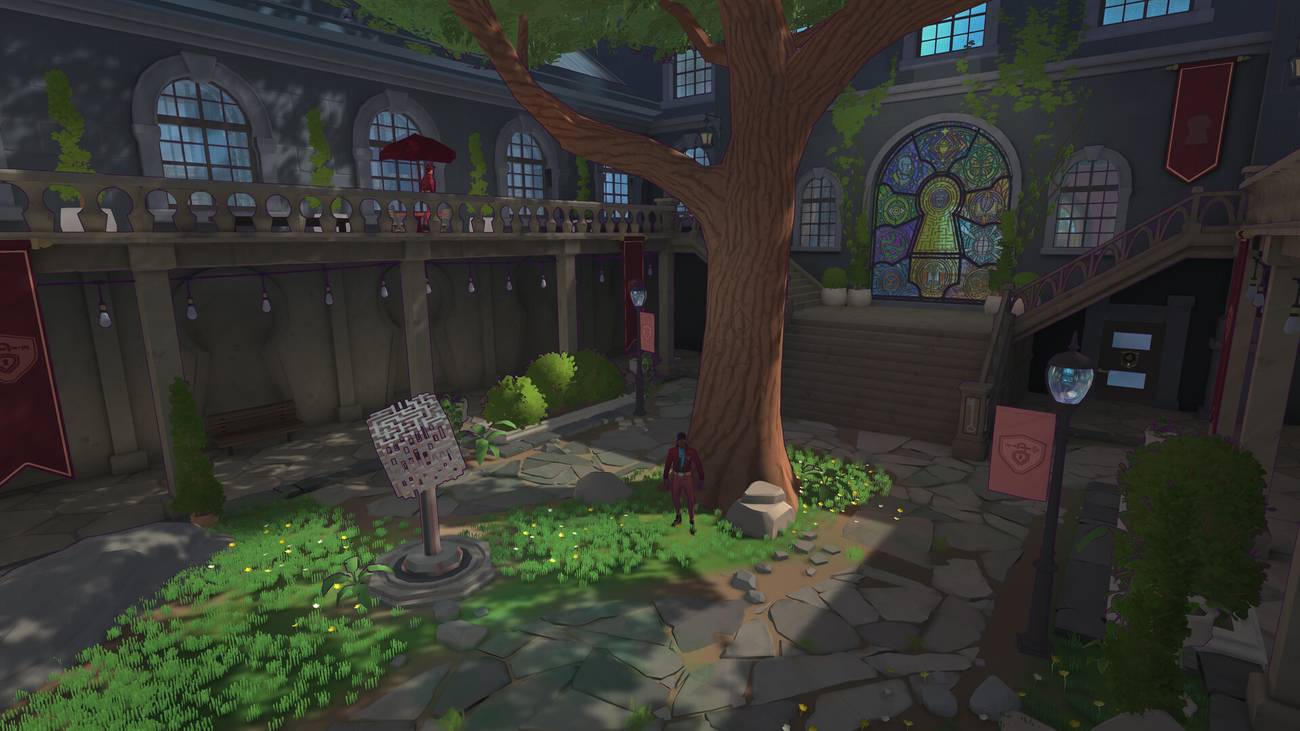
This creative expansion culminated in Escape Academy 2: Back 2 School. While the core mechanics still revolve around ingenious escape room puzzles playable via split-screen or online co-op, the sequel dramatically expands its scope. Instead of selecting bite-sized puzzle boxes from a linear menu, players are granted the freedom to physically explore the sprawling academy campus that serves as the game’s setting.
The structure borrows design philosophies from classic 3D platformers and adventure games—drawing functional parallels to Nintendo’s Banjo-Kazooie, where earned school credits act as the door-unlocking equivalent of "Jiggies." Characters are more fleshed out, the narrative weight is heavier, and the environment itself acts as a massive, overarching puzzle canvas.
Supporting Context & Metrics: Riding the Multiplayer and Puzzle Waves
Coin Crew’s confidence isn’t built on bravado alone; it is backed by shifting tides across the broader gaming landscape. The studio’s development cycle serendipitously aligned with two massive industry trends: a resurgence in innovative cooperative multiplayer games and a newfound mainstream appetite for complex, environmental puzzle titles.
The Blue Prince and Animal Well Effect
During the early production phases of Escape Academy 2, the team wrestled with a fundamental design question: Could players be trusted to navigate an interconnected, open campus where puzzle clues were woven into the architecture, without getting hopelessly lost or overwhelmed?

Then came the breakout success of Blue Prince, the critically acclaimed puzzle title requiring players to meticulously memorize and map an ever-shifting manor.
"Something that it did validate was we had this big hanging question of, we wanna build this whole big campus. Can we count on players gaining a level of familiarity with this environment that has puzzles integrated into it where things aren’t going to go over their head?" Surovsky noted. "Blue Prince has now primed players to be prepared to enter a campus where every corner has puzzle information in it and be totally locked in and ready to go."
Alongside other peer successes like the atmospheric Metroidvania Animal Well, puzzle games have proven to be non-zero-sum media. As Salyh points out, every successful puzzle game expands the overall market, training a smarter, more receptive player base that naturally gravitates toward similar titles.
The Rise of Pro-Social Gaming and "Friendslop"
Simultaneously, the industry has witnessed a massive appetite for what some internet spaces jokingly term "friendslop"—simpler, physics-driven, or horror-tinged co-op titles like Lethal Company, Big Walk, and Peak. These games prioritize social friction, communication, and shared laughter over hyper-realistic rendering engines.
Surovsky believes this represents a fundamental generational shift in what players demand from their entertainment.
"What we’re holding to a higher level now in games is shifting," Surovsky explained. "It was graphical fidelity, and now graphics are incredible… Now we’re seeing this sort of friendslop co-op thing arise. The graphics are much simpler, but it’s facilitating this gameplay that’s a lot more reliant on friends and social dynamics. I think people are starting to go, we’ve had this beautiful feast of graphics. My eyes have been filled. Now let me fill my heart."
Official Statements: Designing a Digital Hangout
At its core, Coin Crew Games views its product not merely as a piece of software, but as a dedicated social venue—a digital equivalent to an arcade or a specialized lounge.
"We’re not really just making a game; we’re really making a hangout for people," Salyh said, comparing the experience to visiting an interactive entertainment center like Dave & Buster’s. "When you go to Dave & Buster’s, you’re going to play games, but what you’re really doing is hanging out with your friends. So whenever we’re designing a game, we always think: What are we facilitating here? Are we trying to make them extra competitive? Are we trying to make them laugh and shove each other?"
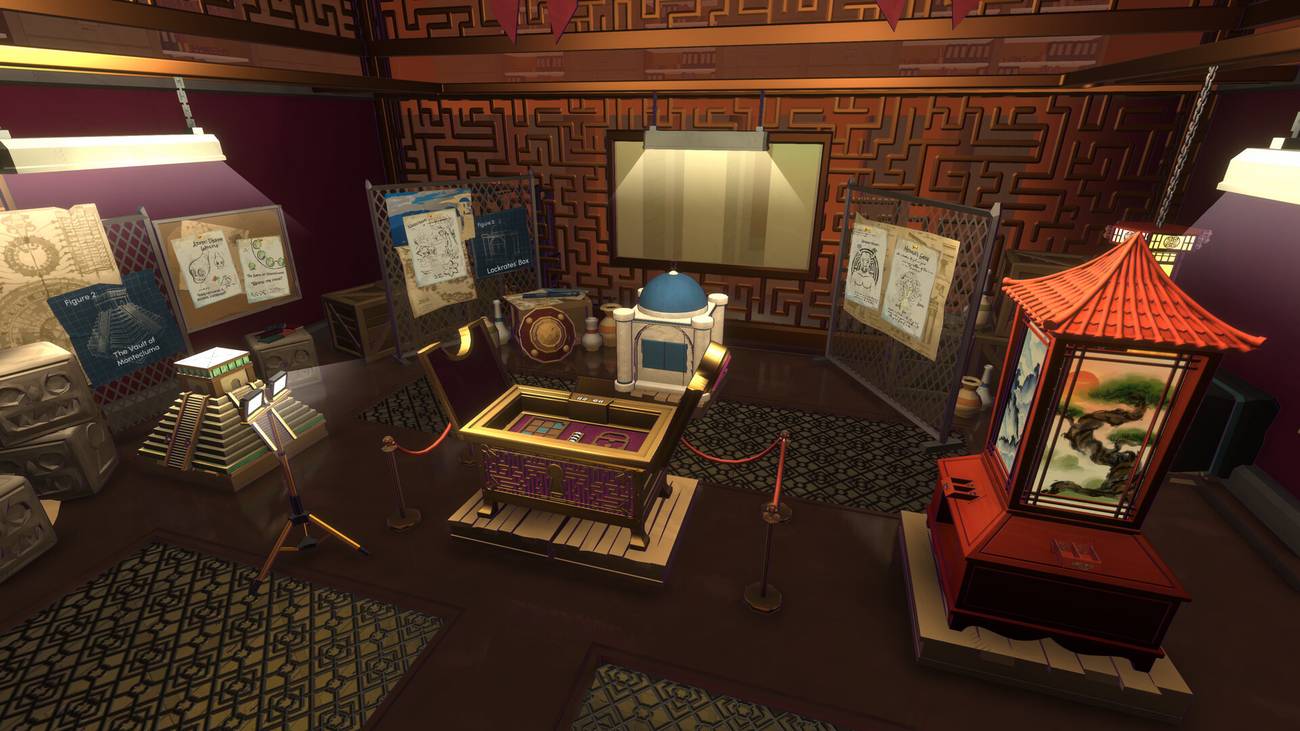
This design philosophy heavily influences how puzzles are structured in Back 2 School. Rather than imposing generic challenges, the developers craft distinct puzzle types that allow individual players to leverage their unique real-world knowledge or cognitive strengths. Surovsky fondly recalled a playtest session featuring a chemistry-themed puzzle where two actual chemists happened to be in the room, lighting up as they flexed their niche intellectual muscles.
These moments are engineered specifically to foster pro-social engagement—generating those classic, relationship-defining moments of "I got it, do you got it?" where partners communicate, rely on one another, and celebrate mutual victories.
Future Outlook: Thriving in the Shadow of Giants
As November approaches, the video game market will undoubtedly tilt its collective gaze toward the launch of Grand Theft Auto 6. For most publishers, sharing a release window with Rockstar’s open-world juggernaut is a recipe for commercial obscurity.
Coin Crew Games, however, refuses to panic. Armed with a clearer vision, a vastly expanded scale, and a passionate community hungry for meaningful cooperative experiences, the studio sees November not as a danger zone, but as an opportunity.
"Obviously, time will tell, but it’s so big that I think it’s OK," Salyh remarked regarding the GTA 6 clash. "I think a smaller indie title can coexist with it. I think it’s harder to compete with a lot of peer titles in September than knowing, okay, we’re gonna be the little guy in the room with the big guy."
Surovsky echoed this sentiment with a playful nod to the sheer scale of open-world expectations: "It’s exciting to be releasing at a time where people are going to be building up their appetite for open-world exploration. Great! Come explore our world! Here’s your warmup!"
As Escape Academy 2: Back 2 School prepares to ring its bell for Windows PC and Xbox Series X this November, it stands as a testament to the resilience of independent developers. By focusing on human connection, clever design, and the timeless joy of solving a mystery side-by-side with a friend, Coin Crew Games is ready to prove that the modern gaming landscape is vast enough to host titans and clever indie scholars alike.