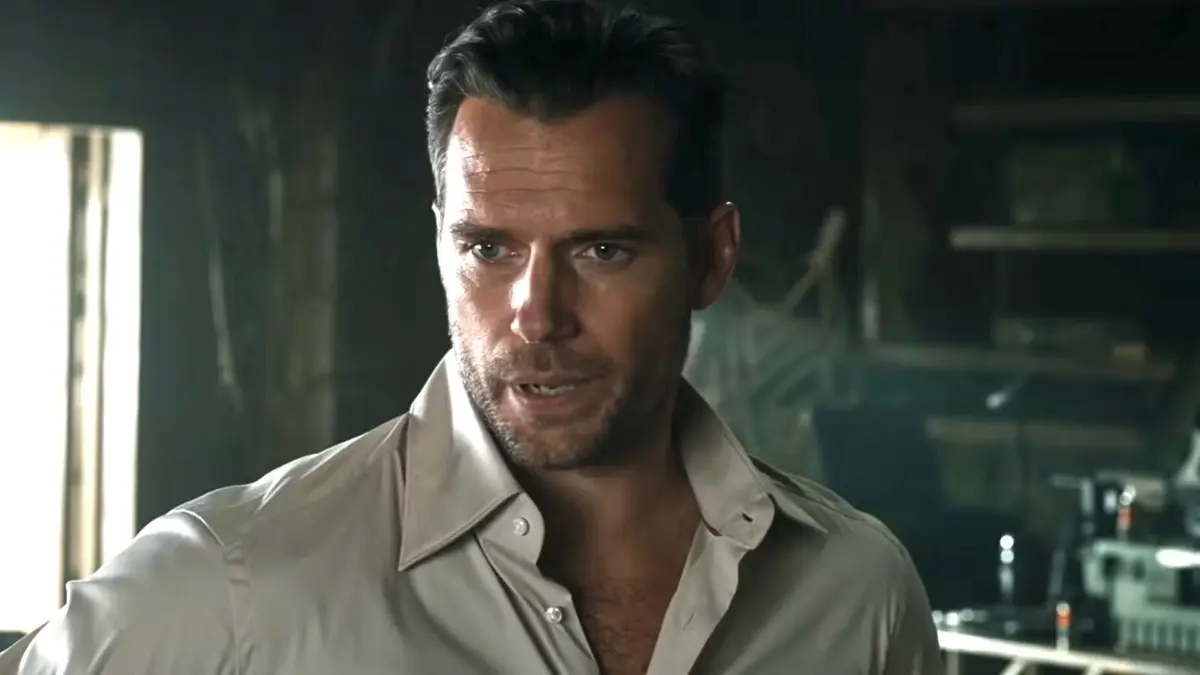
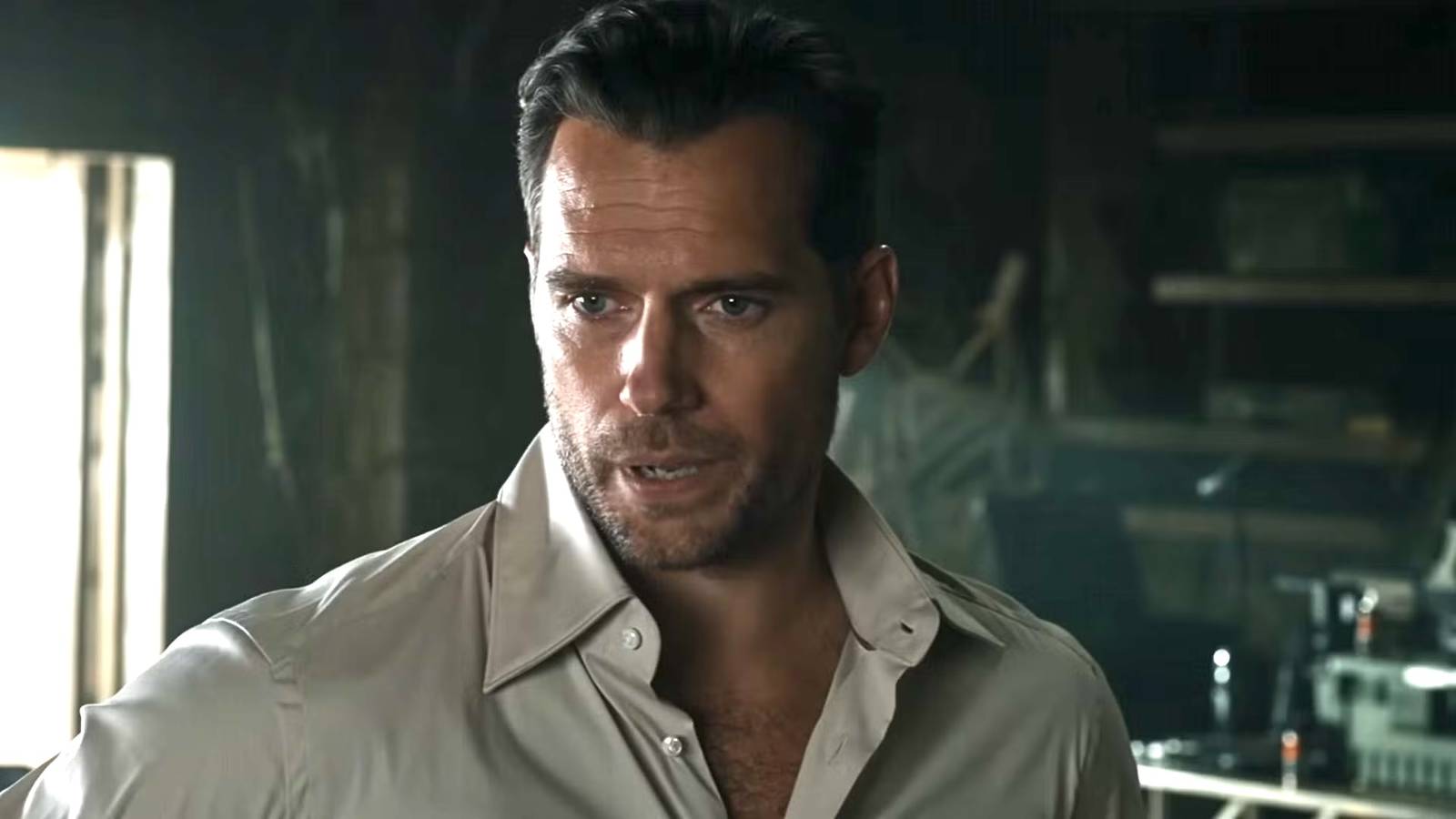
In the modern landscape of theatrical distribution and streaming analytics, few phenomena are as fascinating—or as frequent—as the "second-act" redemption of a box-office bomb. When a star-studded feature film fails to capture the theatrical imagination, it is frequently consigned to the cinematic graveyard of forgotten releases. However, the proliferation of subscription video-on-demand (SVOD) platforms has fundamentally altered this trajectory.
The latest beneficiary of this algorithmic renaissance is In the Grey, the high-octane 2026 action thriller directed by Guy Ritchie and starring marquee names Henry Cavill, Jake Gyllenhaal, and Eiza González. Despite its pedigree, the film suffered from a near-total marketing blackout upon its initial theatrical run, limping to a meager $23.7 million worldwide gross against an estimated production budget that easily tripled its earnings. Coupled with an underwhelming 52% critical approval rating on Rotten Tomatoes, its theatrical fate appeared sealed.
Yet, upon its recent arrival on Prime Video, the tides turned dramatically. Bolstered by a healthy 82% audience approval rating on Rotten Tomatoes, In the Grey has surged into the upper echelons of global streaming charts, capturing the number five spot worldwide. Outperforming major contemporary titles like Jake Gyllenhaal’s 2024 Road House remake, the film’s streaming triumph highlights a persistent disconnect between traditional theatrical marketing paradigms and modern home-viewing appetites. This report investigates the trajectory of In the Grey, exploring the mechanics of its box-office failure, its unexpected resurgence on streaming, and the broader creative partnership between director Guy Ritchie and leading man Henry Cavill that continues to define contemporary action cinema.
Detailed Chronology
To understand how In the Grey transitioned from a commercial casualty to a streaming staple, it is necessary to examine the timeline of its production, release, and subsequent digital resurrection.
Phase One: The Assembly and Production Pipeline
The genesis of In the Grey lies in the fertile, rapid-fire creative output of director Guy Ritchie, who has cultivated a reliable repertory company of charismatic action stars over the past decade. Following their successful collaboration on The Covenant (2023), Ritchie reunited with Jake Gyllenhaal, while simultaneously calling upon Henry Cavill and Eiza González—both of whom had previously worked with the director on separate projects, such as The Ministry of Ungentlemanly Warfare and Operation Fortune: Ruse de Guerre.
Produced by Black Bear Pictures, In the Grey was designed to deliver Ritchie’s signature blend of hyper-stylized action, razor-sharp dialogue, and high-stakes espionage. The premise was deceptively classic: an elite covert team of operatives living in the shadows is dispatched to recover a billion-dollar fortune stolen by a ruthless despot. What begins as an impossible heist quickly metastasizes into a labyrinthine game of strategy, deception, and visceral survival.
Phase Two: The Theatrical Blindspot
Despite featuring a powerhouse trio of bankable leads—Cavill, Gyllenhaal, and González—In the Grey suffered from an acute informational vacuum ahead of its 2026 theatrical release. Industry analysts noted a glaring lack of traditional press coverage, promotional trailers, and saturation marketing campaigns. For all practical purposes, general audiences were entirely unaware that the film was arriving in theaters.
When it finally debuted on the big screen, the lack of awareness translated directly into depressed ticket sales. The film limped across the finish line with a globally consolidated box office of just $23.7 million. Because major studio and independent action features of this scale routinely command budgets upwards of $70 million to $90 million, In the Grey failed to recoup even a fraction of its financial investment. Adding insult to injury, the film landed a lukewarm 52% critical score on Rotten Tomatoes, with traditional reviewers panning its familiar plot beats and chaotic narrative pacing.
Phase Three: The Prime Video Resurgence
The narrative surrounding In the Grey underwent a dramatic paradigm shift upon its licensing and subsequent release on Amazon Prime Video. Freed from the constraints of weekend box-office tallies and theatrical ticket prices, home viewers discovered the film organically through algorithmic recommendations and word-of-mouth enthusiasm.
The response from the streaming public starkly contrasted with the critical consensus of its theatrical window. On Rotten Tomatoes, the audience approval score surged to a robust 82%, signaling that everyday viewers found immense entertainment value in the very elements critics had dismissed. By late August 2026, the film had officially cracked the global Top 10 on Prime Video, securing the number five position worldwide. It currently sits comfortably behind heavyweight streaming titles like Project Hail Mary, while notably outperforming high-profile streaming experiments such as the 2024 Road House remake starring Gyllenhaal.
Supporting Context & Metrics
The financial and streaming data surrounding In the Grey provide a fascinating case study in modern entertainment economics. The following breakdown illustrates the stark contrast between its theatrical performance and its digital redemption:
Box Office vs. Budget Metrics
Worldwide Theatrical Gross: $23.7 Million
Estimated Production Budget: ~$80 Million
Theatrical ROI: Under 30% of baseline production costs, qualifying it as a formal box-office bomb.
The success of In the Grey on streaming cannot be divorced from the broader creative synergy shared by Guy Ritchie and Henry Cavill. Cavill’s career in the action genre has been remarkably versatile. From his brooding, grounded portrayal of Clark Kent in Zack Snyder’s Man of Steel to his monster-slaying tenure as Geralt of Rivia in Netflix’s The Witcher, Cavill has consistently demonstrated an ability to anchor heavy-concept franchises.
However, his collaborations with Guy Ritchie have carved out a distinct sub-genre within his filmography: impeccably dressed, verbally agile, and physically imposing protagonists who operate in high-stakes espionage and military history.
Their creative partnership began with 2015’s The Man from U.N.C.L.E., an adaptation of the classic 1964 television series. In that film, Cavill starred as charismatic CIA agent Napoleon Solo, opposite Armie Hammer’s Soviet KGB operative Illya Kuryakin. Despite developing a fiercely loyal cult following over the years, The Man from U.N.C.L.E. underperformed at the box office upon its initial release, leaving fans clamoring for a sequel that never materialized.
Rather than revisiting that specific property, Ritchie and Cavill continued to heal those cinematic wounds through subsequent collaborations, including 2024’s The Ministry of Ungentlemanly Warfare and now In the Grey. This ongoing partnership has established a reliable brand of stylish, swaggering action cinema that consistently finds its truest, most appreciative fans in the home-viewing market.
Official Statements & Industry Analysis
While formal, press-release-style statements from major executives regarding In the Grey‘s theatrical underperformance remain scarce—as is customary when independent or mid-budget actioners miss their financial targets—industry analysts and cultural commentators have been vocal about the systemic issues plaguing modern theatrical distribution.
Media analysts specializing in streaming acquisitions have pointed to In the Grey as a prime example of "marketing starvation." A senior box-office analyst noted:
"When a film features top-tier talent like Henry Cavill and Jake Gyllenhaal, the baseline assumption is that audiences will naturally seek it out. However, in an oversaturated theatrical marketplace, the absence of a robust, multi-week marketing blitz is fatal. In the Grey didn’t fail because audiences rejected the movie; it failed because audiences literally did not know it existed."
Conversely, the turnaround on Prime Video has elicited commentary regarding the democratization of audience tastes via SVOD platforms. Viewers on social media platforms and film discussion boards have rallied around the film, frequently praising its unapologetically entertaining, popcorn-munching sensibility.
An entertainment strategist from a major digital research firm remarked:
"The 30-point gap between the critical Rotten Tomatoes score (52%) and the audience score (82%) tells the entire story. Critics often evaluate mid-budget action thrillers through the lens of high art or narrative innovation. Audiences, however, are looking for kinetic pacing, undeniable star chemistry, and reliable escapism. In the Grey delivers that in spades, which explains why it is currently outperforming engineered streaming monoliths on Prime Video."
Future Outlook
The unexpected triumph of In the Grey on Prime Video carries significant implications for the future of mid-budget action cinema, the careers of its primary creators, and the evolving relationship between theatrical distributors and streaming giants.
1. The Revaluation of Mid-Budget Action
For years, Hollywood has debated the viability of the "mid-budget" film—productions resting comfortably in the $40M–$90M range that rely on star power rather than massive CGI spectacles. While theatrical gatekeepers have increasingly abandoned these projects in favor of four-quadrant superhero blockbusters, films like In the Grey prove that a lucrative secondary life exists on streaming. Platforms like Prime Video are increasingly incentivized to rescue or acquire orphaned theatrical releases, knowing that built-in fanbases for stars like Henry Cavill and Jake Gyllenhaal will drive sustained engagement.
2. The Future of the Ritchie-Cavill Partnership
Given that In the Grey ultimately found its audience, the commercial viability of future collaborations between Guy Ritchie and Henry Cavill remains exceptionally high. Both creators thrive in rapid production cycles, frequently turning around projects with remarkable efficiency. As fans continue to stream In the Grey and revisit earlier collaborations like The Ministry of Ungentlemanly Warfare and The Man from U.N.C.L.E., the demand for a permanent, ongoing creative alliance between the director and actor is louder than ever. Whether their next venture bypasses traditional theatrical windows entirely or commands a more targeted marketing rollout, studios now have concrete data proving that the Ritchie-Cavill brand commands global attention at home.
3. A Second Chance for Overlooked Cinema
Ultimately, the journey of In the Grey serves as a comforting reminder to cinephiles: a disappointing box office run or an unkind critical consensus does not inherently invalidate a film’s entertainment value. As streaming curation algorithms continue to connect neglected titles with eager global audiences, more overlooked action thrillers are bound to experience their own belated vindication. For now, In the Grey sits proudly in the Prime Video Top 10, proving that style, star power, and a slick Guy Ritchie heist will always find a home—even if it has to take the scenic route to get there.