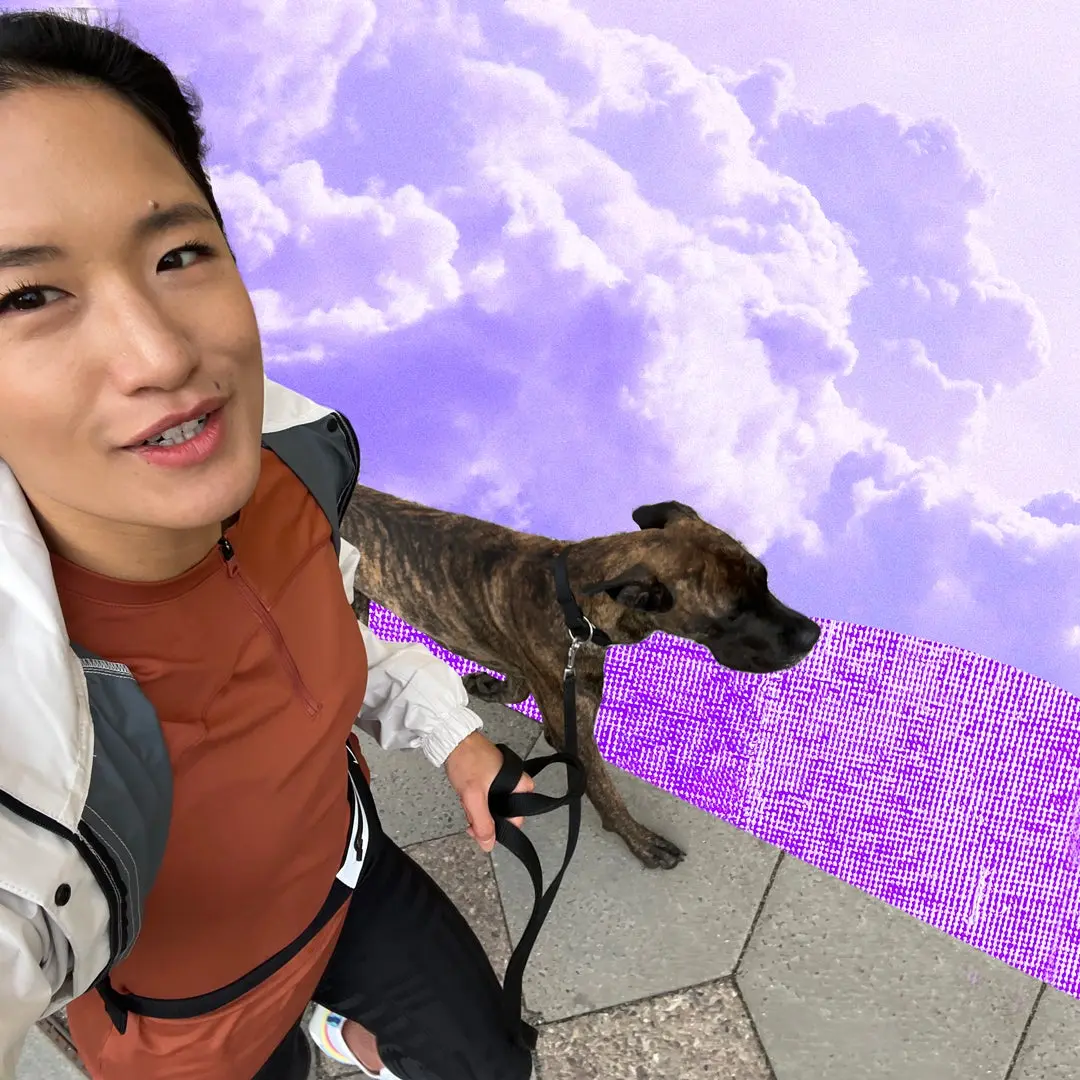
BERLIN — In an era dominated by hyper-optimized athletic subcultures, punishing dawn bootcamps, and a relentless "no days off" mental ethos, the modern endurance landscape is undergoing a quiet, highly individualized renaissance. The archetype of the tortured marathoner—rising at 4:30 AM to log joyless miles in sub-zero temperatures on strict, austere regimens—is increasingly being challenged by a new wave of athletes who prioritize longevity, psychological comfort, and holistic well-being over sheer physical punishment.
At the vanguard of this movement is Hong, a Berlin-based designer, international flight attendant, and veteran endurance athlete currently preparing for her seventh full marathon. Hong’s journey offers a fascinating case study in modern athletic psychology. Once self-identified as definitively "not a runner," she has systematically dismantled the barriers that typically alienate novices from endurance sports. By synthesizing a demanding global travel schedule with a rigorous athletic calendar, Hong exemplifies a burgeoning philosophy: that high-performance endurance and genuine personal comfort are not mutually exclusive, but rather mutually reinforcing.
This investigative profile explores Hong’s weekly training blueprint, examining how structural recovery, community integration, mental fortitude, and psychological ease can coalesce to forge a resilient, high-performing endurance athlete.
Executive Overview: The Paradigm Shift in Modern Endurance
The traditional approach to marathon preparation has long been rooted in physiological output at the expense of holistic lifestyle integration. Coaches and training manuals historically emphasized volume, pace splits, and pain thresholds. However, contemporary sports science and sports psychology increasingly point toward sustainability, mental health, and consistent, low-stress engagement as the true pillars of long-term athletic success.
Hong’s narrative directly challenges the friction points that prevent everyday individuals from engaging with endurance sports. Between managing an unpredictable international roster as a flight attendant and executing design work in Germany’s capital, Hong faces structural time constraints that would fracture a rigid, dogmatic training plan. Her secret lies in a philosophy she terms "comfortable consistency."
Rather than viewing the snooze button as an enemy of progress, Hong incorporates rest, flexibility, and psychological safety into her core methodology. Her training regime is not an act of self-flagellation, but an exercise in self-care, proving that elite-level endurance milestones—such as completing seven marathons—are accessible to working professionals who refuse to sacrifice their quality of life.
Detailed Chronology: A Week in the Life of a Marathon-Bound Professional
To understand how Hong maintains her trajectory toward her seventh marathon, one must examine the granular architecture of her week. Far from being a random assortment of workouts, her schedule is a meticulously balanced ecosystem of physical exertion, structural recovery, and social integration.
Monday: Establishing Rhythm and Relieving Friction
The psychological hurdle of starting a training week can be formidable. For Hong, Monday begins with the reality of professional duality: navigating design deadlines while preparing for upcoming long-haul flights. To counter potential lethargy, she deploys the first of her psychological tools: curated auditory stimulation.
"I don’t always listen to music when I run, but when I feel sluggish, it’s an absolute lifesaver," Hong explains. Her playlists—often anchored by driving house, disco, and techno beats—act as an external pacing mechanism.
Yet, Hong’s approach to pacing is remarkably intuitive rather than strictly metric-driven. When fatigue sets in mid-run, rather than forcing her body through a wall of exhaustion, she employs a unique tactical adjustment: she begins to sing.
"If I run out of breath, I drop down a gear and start singing. It forces me to slow down and get my breathing back under control. The run immediately becomes much more fun, and I notice people smiling as I run past them singing."
This mindful adaptation transforms potential frustration into play. Furthermore, Monday often incorporates social and biological motivators. By borrowing a friend’s energetic rescue dog, Mia, Hong introduces an element of variable pacing and companionship. The dynamic shifts throughout the excursion: Mia pulls her forward in the opening miles, while Hong’s endurance takes over in the latter stages. It is a masterclass in distraction therapy—shifting the brain’s focus from physical discomfort to external engagement.
Tuesday: The Foundation of Strength and Injury Prevention
Endurance running is an inherently high-impact sport, placing repetitive stress on joints, tendons, and connective tissue. A common pitfall for developing runners is an exclusive focus on running mileage, which frequently leads to overuse injuries.
Hong circumvents this trap by designating Tuesday as a non-running day dedicated entirely to structural integrity. Her regimen includes targeted yoga sessions, functional strength training, and professional physiotherapy. This multidisciplinary approach builds a robust musculoskeletal foundation.
By strengthening stabilizer muscles and maintaining joint mobility, Hong ensures that when she does step out of her comfort zone during intense running sessions, her body is structurally prepared to absorb the load. Crucially, this foundational work prevents the systemic burnout that often plagues athletes who neglect cross-training, allowing her to transition seamlessly back to her running shoes after designated rest intervals.
Wednesday: Professional Realities and Active Recovery
As an international flight attendant, Hong’s schedule is dictated by global time zones and erratic rest periods. Consequently, Wednesday often serves as a strategic buffer—a day dedicated to her professional life and social ecosystem.
Rather than squeezing in a compromised workout out of sheer guilt, Hong prioritizes mental decompression. Recognizing that artistic inspiration and emotional well-being feed athletic motivation, she frequently visits local Berlin art exhibitions. This integration of cultural engagement underscores a vital sports psychology principle: psychological recovery is just as critical as physical rest.
Thursday: Pushing Limits and Track-Day Precision
While comfort is a central theme of Hong’s philosophy, true athletic progression requires controlled exposure to discomfort. Thursday is track day—an arena dedicated to speed, VO2 max development, and mental toughness.
"Some people think marathon runners tumble out of bed at 5:00 AM and effortlessly run 20 kilometers," Hong notes. "In reality, I sometimes need an extra dose of motivation."
On track days, Hong embraces the challenge of interval training and tempo runs. To mitigate the physical harshness of high-speed track work, she relies on optimized gear, specifically citing the Nike Invincible 3. The shoe’s high-energy return and bouncy foam midsole provide psychological and physical reassurance, absorbing impact shock while offering stability across varied training surfaces. This equipment selection reduces the perceived exertion barrier, allowing her to focus entirely on maintaining pace discipline and pushing her physiological ceiling.
Friday: Social Integration and Cultural Capital
Following the high-intensity demands of Thursday’s track session, Friday is marked by deliberate physiological deceleration. Aside from a gentle restorative yoga flow, the day is ring-fenced for social connection.
Living a nomadic lifestyle due to her aviation career means that when Hong is grounded in Berlin, cultivating local relationships is paramount. Friendships, gallery visits, and culinary explorations take center stage, ensuring that her identity remains multi-dimensional rather than singularly consumed by her athletic pursuits.
Saturday: The Meditative Long Run and the Urban Landscape
Saturday morning belongs to the Landwehrkanal—Hong’s iconic training sanctuary in Berlin. This route offers a dynamic, mixed-terrain canvas featuring alternating segments of hard asphalt, soft grass, and uneven dirt paths.
The variety inherent in the Landwehrkanal route prevents the mental monotony associated with treadmill running or flat track loops. Depending on her psychological state, Hong either immerses herself in an engaging podcast or strips away all auditory input, opting instead to absorb the rich acoustic tapestry of the city.
"I enjoy watching the people around me as I run. After the loop, I reward myself with a coffee and a small snack at the market stall in Kreuzberg."
This ritualized post-run reward system creates a positive psychological loop. The brain learns to associate the physical exertion of the long run with an immediate, sensory-rich reward, significantly reducing pre-run resistance.
Sunday: Community Synergy and the Long-Distance Brotherhood
The culmination of Hong’s training week takes place on Sunday, characterized by the long-distance endurance run executed in collaboration with her running community, the Joy Run Collective.
Group running introduces positive social accountability and emotional buoyancy, particularly when confronting challenging weather conditions or extended mileage targets. Sunday’s destination is typically the expansive Tiergarten, where the collective navigates sustained, multi-kilometer efforts through winter chills or seasonal elements.
True to her philosophy of joyful integration, the run is explicitly designed to conclude with a communal ritual: brunch. Having spent miles enduring meteorological and physical challenges together, the collective gathers for a shared meal—most notably featuring homemade dumplings that Hong anticipates throughout the preceding week.
Supporting Context & Metrics: The Science of Sustainable Mileage
Hong’s trajectory from a reluctant novice to a seasoned multi-marathoner offers broader implications for the sports science and wellness sectors. Industry metrics increasingly indicate a shift away from elite-only performance models toward inclusive, lifestyle-integrated endurance training.
Psychological Safety and Retention
Sports psychologists note that perceived behavioral control—the belief that an individual has the autonomy and resources to succeed—is a primary predictor of long-term exercise adherence. By refusing to let rigid schedules dictate her mental well-being, Hong maintains high adherence rates. Her utilization of music, canine companions, and culinary rewards leverages dopamine pathways to reinforce positive exercise habits, effectively mitigating the drop-out rates common among recreational endurance athletes.
Holistic Cross-Training Efficacy
Integrating yoga, strength conditioning, and physiotherapy directly addresses the primary etiology of running injuries: repetitive strain and muscular imbalances. Clinical studies consistently demonstrate that runners who incorporate at least one to two sessions of targeted strength training and mobility work per week experience significantly lower rates of lower-extremity injuries, particularly regarding patellofemoral pain syndrome and Achilles tendinitis.
Official Perspectives: The Philosophy of Balanced Endurance
When reflecting on her four-year transformation from a hesitant beginner to an athlete eyeing her seventh marathon at age 30, Hong emphasizes that the physical transformation is secondary to the psychological maturation.
"I’ve gained a lot of self-confidence as a runner because I now know how much I can push myself, even when I’m feeling a bit low. I’ve learned that consistency and comfort don’t have to be mutually exclusive. I can set new boundaries for myself and still feel completely at ease doing it."
Industry experts echo this sentiment. Modern coaching philosophies increasingly reject the outdated paradigm of "no pain, no gain," pivoting instead toward intelligent, bio-individuated load management. Athletes who learn to listen to their bodies, integrate rest as a non-negotiable metric of success, and lean into community support systems consistently achieve greater longevity in the sport.
Future Outlook: Setting Sights on the Seventh Marathon
As Hong looks toward the horizon, her immediate objective is clear: the completion of her seventh marathon. However, unlike traditional competitors whose focus is strictly anchored to a stopwatch or a specific time split, Hong’s primary metric of success remains holistic: sustainable progression, preserved mental health, and the deepening of her connection to the global running community.
In a cultural moment that frequently demands hyper-specialization and exhausting sacrifice, Hong stands as a refreshing counter-narrative. She proves unequivocally that one can conquer the marathon distance without conquering oneself. By harmonizing demanding professional schedules with intuitive pacing, structural recovery, exceptional footwear, and a steaming cup of post-run coffee, Hong redefines what it means to be a modern endurance athlete.
Hong’s Core Blueprint for Sustainable Running:
- Prioritize Ergonomic Comfort: Invest in footwear (such as cushioned, responsive models like the Nike Invincible 3) that absorbs impact and provides stability across diverse urban terrains.
- Curate Your Psychological Environment: Utilize dynamic auditory playlists (ranging from house to techno) or social running companions to transform grueling training blocks into engaging experiences.
- Institutionalize Recovery: Treat rest days, yoga, physiotherapy, and social connection with the exact same level of discipline as your high-intensity track workouts.
- Anchor with Rituals: Establish post-run culinary traditions (from market-stall coffee to community brunch) to create positive psychological reinforcement loops.