Executive Overview
In the fast-paced ecosystem of internet culture, the lifecycle of a viral video is typically swift, burning brightly for a few days before fading into the digital ether. However, on rare occasions, a piece of archival internet media undergoes an unexpected resurrection, repurposed by online subcultures into an entirely new cultural artifact. Such is the fascinating and bizarre trajectory of the "You Play Games, We Don’t Play Games" (alternatively known as "I Play Games Where You Get Fucked To Death") meme.
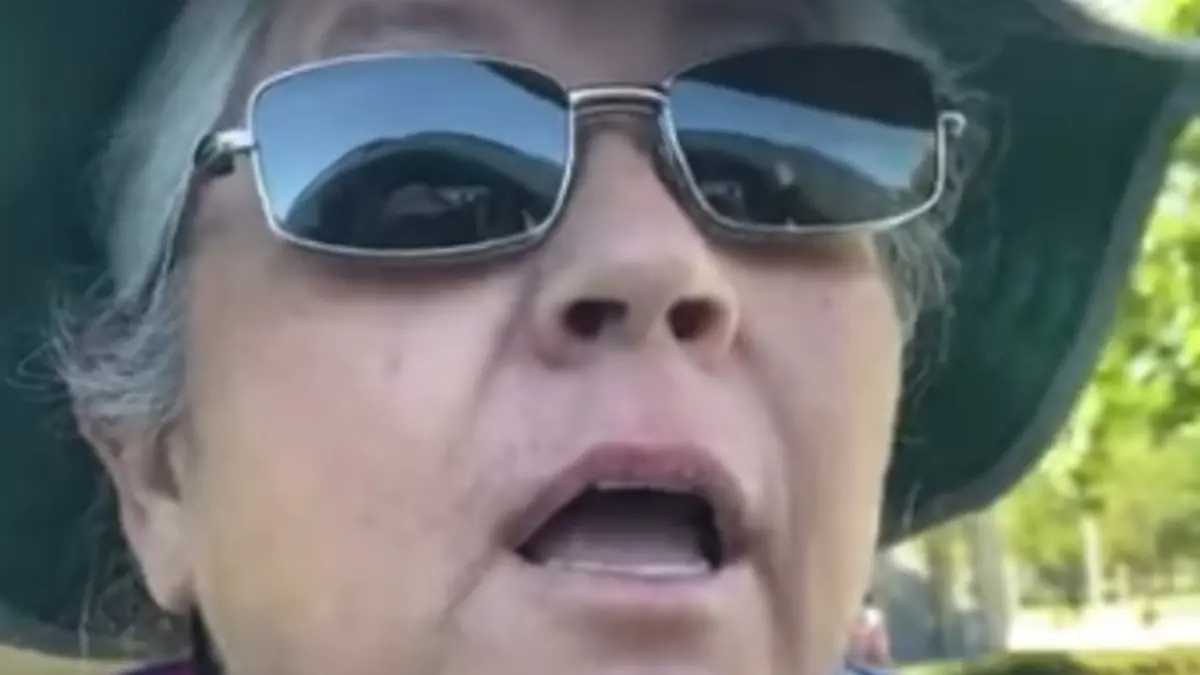
Originally stemming from a toxic, xenophobic confrontation caught on camera in June 2020—featuring a 56-year-old woman named Lena Hernandez launching into a racist tirade against an Asian man at a public park—the footage carried serious real-world consequences, including a 45-day jail sentence for Hernandez. For years, the clip remained a dark reminder of public harassment during a tense socio-political climate.
Yet, in September 2026, the internet’s relentless penchant for absurdity took hold. Content creators on TikTok plucked a specific, aggressive soundbite from the archival footage—Hernandez declaring, "You play games, we don’t play games" followed by her deadpan threat, "I play games where you get fucked to death"—and thrust it into the gaming community. Overnight, a grim piece of public bigotry was jarringly juxtaposed against notoriously brutal video games, ranging from FromSoftware’s punishing Soulsborne titles to Call of Duty: Black Ops II zombies and indie nightmares like Fear & Hunger.
This comprehensive report examines the complex intersection of viral infamy, criminal accountability, and the peculiar ways in which internet subcultures scavenge, recontextualize, and neutralize dark real-world material into absurd gaming humor.
Detailed Chronology: From Park Confrontation to Digital Renaissance
Phase 1: The Incident and Legal Aftermath (June 2020)
The origins of the meme trace back to June 12, 2020, amidst a period of heightened social tensions and widespread public stress. At a public park, Lena Hernandez, then 56 years old, approached an Asian man and initiated an unprovoked verbal assault characterized by xenophobic and racist tropes.
Captured on video, the confrontation featured Hernandez repeatedly telling the victim to "go home" despite his calm demeanor and fluent English. As the argument escalated, Hernandez delivered a series of erratic, aggressive non-sequiturs. At one point, she snapped: "You play games, we don’t play games." When the bewildered victim asked what kind of game she was referring to, Hernandez menacingly replied, "I play games where you get fucked to death."
The video quickly circulated across platforms like Twitter, Reddit, and local news outlets, categorizing Hernandez within the infamous "Karen" archetype—a pejorative label used to describe entitled, middle-aged women caught on camera engaging in unreasonable or bigoted behavior. The public outcry was swift. Law enforcement and municipal authorities investigated the incident, viewing the harassment as a targeted hate crime. Consequently, Hernandez faced legal prosecution, ultimately resulting in a 45-day jail sentence designed to penalize her public harassment. For several years, the video was logged in digital archives as a textbook example of modern public bigotry.
Phase 2: The September 2026 Resurgence
For over six years, the footage lay relatively dormant outside of historical compilations of public altercations. However, in September 2026, the audio extracted from the video underwent a radical metamorphosis on TikTok.
Rather than engaging with the serious legal and social implications of the original clip, gaming creators isolated the surreal cadence of Hernandez’s voice lines. The inherent theatricality and disproportionate aggression of "I play games where you get fucked to death" struck a chord with the masochistic psychology inherent in hard-core gaming circles.
On September 5, 2026, TikTok user @therealzero66 published a short-form video coupling Hernandez’s audio with a static screenshot showcasing PC game icons renowned for punishing difficulty curves, such as Rainbow Six Siege, Dead by Daylight, Hotline Miami, and Terraria. The juxtaposition of a middle-aged woman’s unhinged park ranting with the grueling realities of high-difficulty video games resonated instantly. The post racked up over 446,000 views within three weeks, serving as the catalyst for a broader platform-wide trend.
Supporting Context & Metrics: The Mechanics of the Trend
The rapid propagation of the "You Play Games" meme highlights specific behavioral patterns unique to contemporary digital culture, particularly how gaming communities process frustration and stress.
The Masochism of Gaming Culture
Hardcore gaming subcultures have long embraced self-deprecating humor regarding the difficulty of their hobby. Titles developed by FromSoftware (Elden Ring, Dark Souls, Bloodborne), roguelikes (The Binding of Isaac), and survival horror RPGs (Fear & Hunger) are explicitly designed to overwhelm, frustrate, and repeatedly kill the player.
By applying Hernandez’s threat—"I play games where you get fucked to death"—to these titles, players externalize the grueling experience of digital defeat. The hyper-aggressive, unhinged tone of the audio matches the internal monologue of a gamer suffering consecutive losses against a difficult boss or an unforgiving survival sandbox.
Quantitative Spread Across TikTok
The metric footprint of the trend expanded rapidly throughout September 2026:
@therealzero66(September 5, 2026): Initiated the PC/Indie hard-game variant. Achieved 446,000+ views in under three weeks.@sumo.plays(September 6, 2026): Applied the audio specifically to FromSoftware / Soulsborne catalogs, capturing 159,000+ views.@spongebobisgoatedfr(September 9, 2026): Integrated the soundbite with archival gameplay footage of Call of Duty: Black Ops II Zombies (Origins map), pulling in 242,000+ views in two weeks.- Various Successors: Creators utilizing titles like Helldivers 2, Marvel Rivals, DayZ, For Honor, and Fear & Hunger continued to push the sound into millions of combined impressions, transforming a specific real-world hate incident into a generalized meme template.
Official Statements & Public Discourse
The re-emergence of Lena Hernandez’s voice in mainstream meme spaces has sparked quiet philosophical debates among digital sociologists and internet historians regarding the ethics of memeification.
The Neutralization of Trauma
Digital ethicists note a recurring phenomenon wherein the internet strips malicious, violent, or bigoted media of its original context, transforming harmful actions into surreal, detached entertainment. While the victim of Hernandez’s 2020 tirade experienced direct xenophobic harassment, the passage of time and the abstraction of audio allow younger internet users—many of whom may be unaware of the video’s dark origins—to treat the clip purely as absurd theater.
Creator Anonymity vs. Public Accountability
Legal experts looking back at the case emphasize the stark contrast between real-world jurisprudence and digital culture. While the judicial system imposed a 45-day jail sentence to address the tangible harm caused by Hernandez’s actions, the decentralized nature of social media ensures that her voice lives on indefinitely in a completely randomized, decontextualized digital purgatory. Neither endorsement nor condemnation of Hernandez herself drives the trend; rather, her specific vocal delivery has been entirely divorced from her personhood, converted into a generalized expression of digital frustration.
Future Outlook: The Longevity of Absurdist Memes
As the initial wave of the September 2026 trend matures, the "You Play Games" meme exemplifies how internet culture continuously recycles its own history.
Looking forward, audio snippets of this nature typically follow a predictable arc: rapid viral saturation followed by niche integration within specific gaming communities. As long as developers continue to release brutally difficult video games that push players to their psychological limits, the demand for hyper-aggressive, surreal voice lines to soundtrack digital defeat will remain high.
Whether this trend will prompt broader discussions about the ethics of using real-world harassment footage for comedic entertainment remains to be seen. However, within the insular walls of TikTok’s gaming communities, Lena Hernandez’s involuntary contribution to internet culture has been permanently sealed into the lexicon of modern gamer frustration—a bizarre legacy born from an ugly moment of public bigotry, repurposed into an expression of shared digital suffering.