Executive Overview
In an era defined by ubiquitous digital tracking and the creeping normalization of municipal surveillance, a startling discovery in Florida’s St. Lucie County has thrust the debate over automated license plate readers (ALPRs) into uncharted territory. What began as a routine administrative pivot—a local government decision to phase out and physically remove its network of automated surveillance cameras—quickly morphed into an unsettling investigation reminiscent of a techno-thriller.
When local officials undertook the accounting and removal of their sanctioned camera inventory, they expected to catalog 52 units. Instead, they stumbled upon an alarming discrepancy: 14 unauthorized, unpermitted devices broadcasting and recording quietly alongside public roadways. While the St. Lucie County Sheriff’s Office eventually stepped forward to claim three of these rogue devices, offering no immediate explanation as to why they bypassed standard permitting protocols, the remaining 11 cameras were left with entirely anonymous origins.
These 11 "ghost cameras" belonged to no local agency, possessed no municipal authorization, and answered to no identifiable overseer. For residents, the realization that an unknown third party—or multiple parties—had been capturing vehicular movements, compiling travel patterns, and logging timestamps without public oversight or legal clearance has sparked a wave of indignation and anxiety.
This startling revelation arrives against a backdrop of escalating legal and political friction surrounding Flock Safety, the prominent surveillance technology firm whose hardware was at the center of the St. Lucie County incident. Across the United States, communities are grappling with the delicate, often contentious balance between law enforcement utility and fundamental civil liberties. With state-level bans beginning to take root, high-profile municipal pushback mounting, and over 100,000 Flock devices currently active nationwide, the St. Lucie County episode serves as a glaring cautionary tale about the opaque nature of modern automated policing infrastructure and the perilous vulnerability of the public right-of-way.
Detailed Chronology of the Discovery
The sequence of events leading up to the unearthing of the unpermitted Flock cameras highlights a systemic breakdown in infrastructure oversight. To understand how automated surveillance devices can be installed, powered, and operated on public property without the knowledge of local governance, one must examine the timeline of St. Lucie County’s shift in surveillance policy.
The Shift in Policy and the Initial Audit
For several years, St. Lucie County utilized automated license plate readers to assist law enforcement agencies in monitoring traffic, identifying stolen vehicles, and tracking persons of interest. However, mounting concerns over data privacy, long-term retention policies, and the creep of continuous tracking led county leaders to reevaluate the utility and ethical implications of the technology. Ultimately, the decision was made to terminate the county’s relationship with Flock Safety and dismantle the existing network.
As operations staff and public works departments mobilized to remove the hardware, they relied on existing municipal inventories to locate the devices. The official ledger indicated a total of 52 approved Flock cameras deployed across designated intersections and thoroughfares. However, as technicians canvassed the county to unbolt the hardware, they repeatedly encountered units that did not appear on any official blueprints, permits, or municipal maps.
The Discrepancy Widens
Upon realizing the count did not match physical reality, county officials initiated an emergency internal audit. To the shock of local leadership, the physical sweep revealed not 52 cameras, but 66—a net surplus of 14 unauthorized devices operating within the county’s jurisdiction.
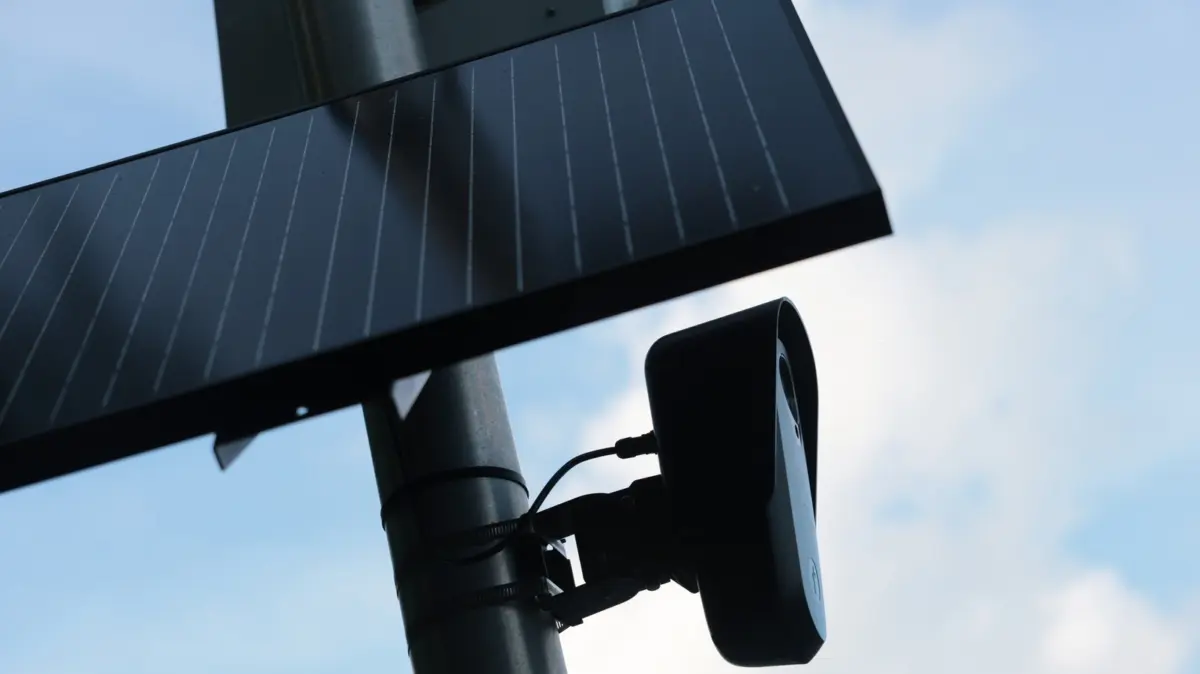
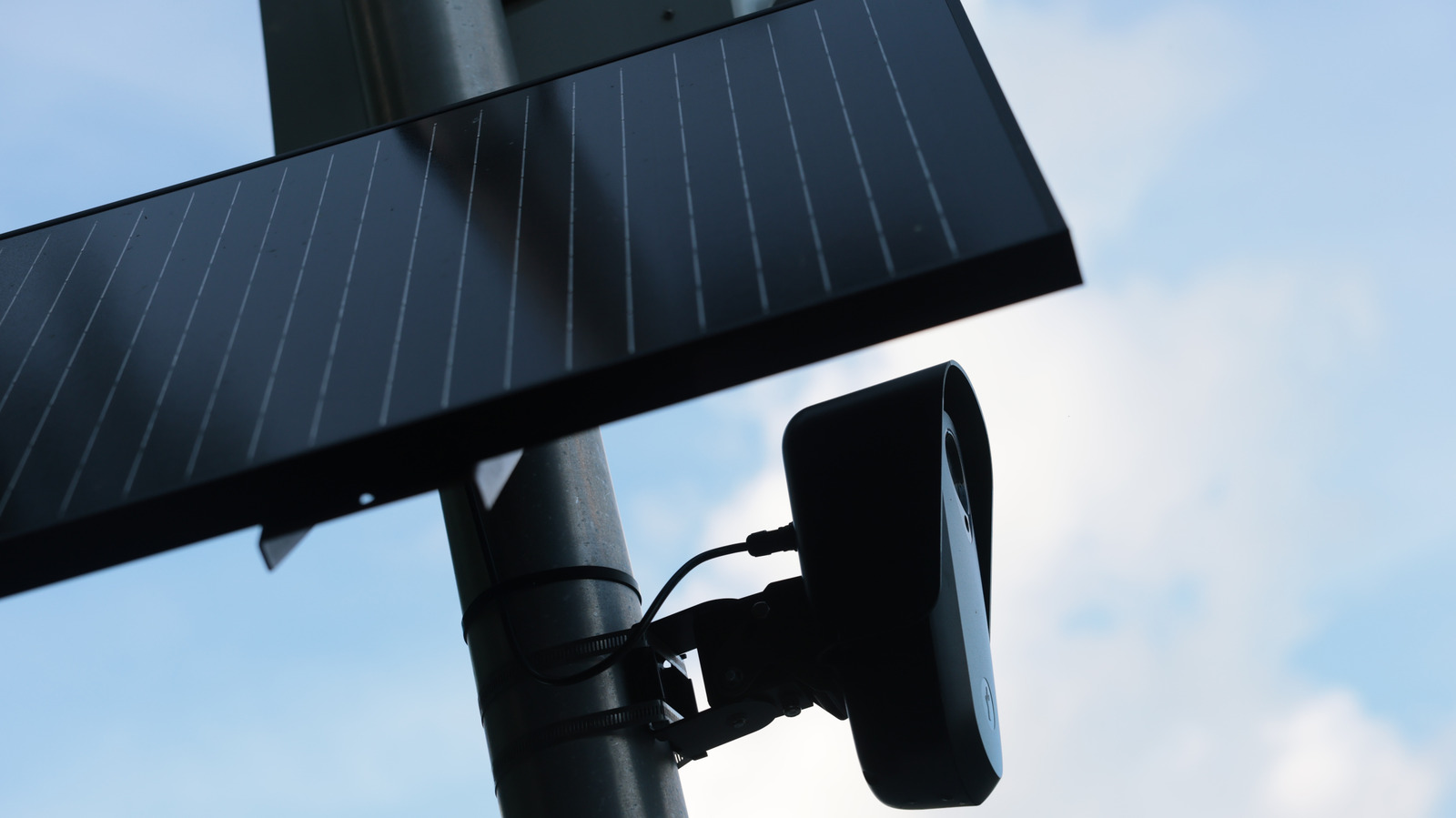
Immediate inquiries were launched across municipal departments, code enforcement offices, and regional planning boards. None of these entities had authorized the installation of the additional hardware, nor were they collecting data from them. The cameras, mounted on utility poles and traffic infrastructure, were functioning autonomously—solar-powered or wired into local grids, communicating via cellular networks back to cloud-based databases.
The Partial Claim and the "Ghost" Units
Faced with mounting scrutiny, the St. Lucie County Sheriff’s Office reviewed the inventory and claimed ownership of three of the 14 unpermitted devices. Law enforcement representatives offered no substantive explanation to inquiring journalists or local officials as to why these specific cameras had been deployed without proper local permits or public notification.
This left a staggering total of 11 Flock cameras utterly orphaned—devices affixed to public infrastructure with zero paper trails, unknown owners, and opaque data destinations. The revelation sent shockwaves through the community, prompting residents to question how private vendors or unrecognized government entities could physically alter public right-of-ways with advanced optical surveillance equipment without triggering alarms from code enforcement, public works, or local law enforcement.
Response and Countermeasures
Faced with an unprecedented privacy breach, St. Lucie County officials took immediate, albeit reactionary, steps. Notices were officially affixed to the unclaimed camera poles, serving as legal ultimatums demanding that the unknown owners dismantle and remove the hardware immediately.
Pending total physical removal, the county enacted an interim containment strategy: municipal workers draped the lenses of the unclaimed cameras in thick plastic bags, effectively blinding the optical sensors to prevent any further collection of resident travel data.
In a subsequent investigative visit by reporters from The Washington Post, a representative returned to one of the documented unpermitted camera sites to check its status. The physical camera housing had been removed, but there was no institutional record of who had taken it down, by whose authority it was removed, or where the hardware—and the data it previously gathered—was currently being housed. This vanishing act left the core mystery intact, amplifying fears of unaccountable surveillance operations.
Supporting Context & Metrics: The Rise of Flock Safety
To contextualize the St. Lucie County anomaly, one must examine the rapid, largely unchecked expansion of Flock Safety within the American landscape. Founded in 2017, Flock Safety positioned itself as a tech-forward solution to property crime, marketing its solar-powered, motion-activated cameras as a way for neighborhoods and police departments to "eliminate crime" through collaborative data sharing.
The Scale of the Network
Flock’s growth has been exponential. According to industry estimates and company disclosures, there are currently well over 100,000 Flock cameras deployed across the United States. These devices capture millions of vehicles daily, recording not just license plates, but vehicle makes, models, colors, specific body damage, bumper stickers, and temporal timestamps.
This data is then compiled into a massive, searchable national database. Law enforcement agencies across state lines can query this database in real-time, effectively creating a continuous, interstate track of individual vehicle movements without requiring a warrant or judicial oversight in many jurisdictions.
The Mechanics and Vulnerabilities of ALPRs
Flock cameras rely on high-definition optical lenses and machine-learning algorithms to read alphanumeric characters on license plates instantly. The captured images and associated metadata are transmitted via cellular networks to a centralized cloud repository.
While proponents argue that this technology is indispensable for amber alerts, tracking fleeing felons, and recovering stolen vehicles, critics and privacy advocates point out profound systemic vulnerabilities:
- Scope Creep: Systems originally justified for violent crime investigations are frequently repurposed for minor infractions, immigration enforcement, and civil monitoring.
- Data Sharing Interoperability: Local police departments often share their Flock feeds with out-of-state agencies, federal entities, and private HOAs, creating a sprawling web of data exposure.
- Physical Installation Loopholes: As demonstrated in St. Lucie County, the lightweight, solar-powered design of modern ALPRs allows them to be mounted quickly onto utility poles, often bypassing the rigorous public hearings and zoning permits required for traditional traffic infrastructure.
Official Statements and Public Outcry
The discovery in St. Lucie County has transformed theoretical debates about digital privacy into visceral, community-level outrage. Local residents interviewed by national media outlets expressed deep unease, noting that the presence of anonymous surveillance devices strips away the fundamental expectation of privacy during routine public transit.
Resident and Civil Liberties Reactions
"It feels like living under a microscope operated by an invisible hand," one St. Lucie County resident remarked to investigators. "If the government doesn’t know who put them there, and the police only claim some of them, who is watching us, where is our data going, and who profits from our daily commutes?"
Civil rights organizations have seized upon the incident as a textbook illustration of unregulated technological deployment. Privacy advocates argue that the ease with which private companies or rogue actors can deploy optical tracking hardware exposes a dangerous regulatory vacuum. Without stringent auditing requirements, mandatory public notice periods, and severe penalties for unauthorized installations, local infrastructure remains vulnerable to covert surveillance expansion.
Institutional Silence and Accountability Gaps
The response—or lack thereof—from official entities has done little to calm public apprehension. The St. Lucie County Sheriff’s Office’s failure to explain why three of its cameras lacked proper permits has eroded public trust. Furthermore, Flock Safety’s corporate silence regarding the unpermitted devices has drawn sharp criticism.
When media outlets reached out to Flock Safety for comment regarding the 11 unidentified cameras, the company did not immediately provide clarification on how its hardware could be acquired, installed, and activated without corporate tracking or authorized municipal contracts. This corporate opacity fuels suspicions that the secondary market, resale channels, or lax corporate oversight may be contributing to the proliferation of ghost hardware.
Regulatory Pushback and the National Landscape
St. Lucie County is not operating in a vacuum. Across the United States, a fierce legislative and judicial backlash against automated license plate readers is currently underway, marking a significant turning point in the governance of public surveillance.
Florida’s Statewide Crackdown
The incident in St. Lucie County dovetails with broader regulatory actions within the state of Florida. Just weeks prior to the county’s discovery, the Florida Department of Transportation (FDOT) enacted a sweeping ban prohibiting law enforcement agencies from placing Flock license plate readers on state-owned roads.
This state-level intervention was born out of mounting complaints regarding the clutter of surveillance hardware on public rights-of-way, potential traffic distractions, and, most importantly, the civil liberties implications of unvetted, continuous tracking of citizens by algorithmic systems. The FDOT ban forced numerous municipal police departments to scramble, decommissioning and removing state-road cameras that had been operational for years.
A National Reversal
Beyond Florida, other major metropolitan areas and state jurisdictions are reversing course on automated surveillance:
- Los Angeles: Following intensive community pushback and legal challenges regarding data privacy and retention practices, Los Angeles law enforcement announced plans to halt or significantly curtail the deployment of Flock cameras.
- Municipal Bans: Across various suburban and urban centers, city councils are introducing moratoriums on new ALPR installations, demanding independent audits of existing databases, and enacting strict sunset clauses on data retention.
These legislative actions reflect a growing bipartisan realization that the rapid integration of private surveillance tech into public spaces has outpaced both legal frameworks and democratic consent.
Future Outlook: Reclaiming the Public Right-of-Way
The enigma of the 11 unpermitted Flock cameras in St. Lucie County serves as an urgent wake-up call for municipal governments nationwide. As smart city initiatives and automated policing tools continue to evolve, the necessity for rigorous, transparent oversight has never been more critical.
Immediate Policy Recommendations
To prevent recurrence of ghost hardware and restore public trust, municipal and state governments must institute several structural reforms:
- Mandatory Infrastructure Audits: Local governments must conduct comprehensive, recurring inventories of all hardware attached to public utility poles and traffic structures, cross-referencing physical devices against municipal permits.
- Strict Vendor Accountability: Surveillance technology vendors like Flock Safety must be held legally and financially accountable for the tracking, sale, and deployment of their hardware, requiring verified municipal authorization before any device can be activated on the cloud network.
- Transparent Permitting and Public Notice: Every ALPR installation must be accompanied by clear public signage and a transparent permitting process subject to public comment and zoning approval.
- Data Minimization and Deletion Protocols: Automated systems must be programmed to purge captured imagery and metadata rapidly unless tied to an active, warrant-backed criminal investigation.
Conclusion
The mystery of St. Lucie County’s ghost cameras is more than a bizarre local anomaly; it is a symptom of a systemic disease affecting modern civic infrastructure. When surveillance technology can be deployed in the shadows without public knowledge or governmental authorization, the foundational contract between the governed and the governing is fractured. As communities nationwide weigh the convenience of automated security against the preservation of constitutional freedoms, the events in Florida underscore an immutable truth: transparency and accountability must precede technology, lest the public right-of-way become an unmonitored frontier for anonymous observation.