Executive Overview
The wearables landscape is bracing for a significant shake-up as Google prepares to expand its health and fitness ecosystem. Following a series of accidental marketing leaks and a flurry of industry-wide insider reports, Google has officially broken its silence regarding its next major hardware launch. Through synchronized teaser posts on social media channels including Instagram and X (formerly Twitter), the technology giant has all but confirmed the impending arrival of the Fitbit Edge.
Positioned strategically within Google’s burgeoning portfolio, the Fitbit Edge is expected to bridge the substantial gap between the screenless, budget-friendly Fitbit Air—released earlier this year—and the more advanced, premium ecosystem of the Pixel Watch 5. With a scheduled reveal date of October 12, anticipation has reached a fever pitch among tech enthusiasts, fitness aficionados, and industry analysts alike.
This comprehensive report synthesizes the timeline of leaks leading up to the official confirmation, examines the rumored hardware specifications and European pricing models, evaluates the device’s potential market placement, and explores what this means for Google’s broader hardware and software strategy, including the Google Health Premium subscription ecosystem.
Detailed Chronology: From Accidental Leaks to Official Teasers
The journey toward the Fitbit Edge’s imminent unveiling has been characterized by a classic Silicon Valley combination of inadvertent corporate disclosures, investigative journalism, and calculated social media teases.
August 2026: The First Glimpse
The trail began in mid-August when eagle-eyed observers at 9to5Google spotted an unfamiliar, sleek fitness tracker hidden in plain sight within promotional materials for the upcoming Pixel 11 smartphone. At the time, Google offered no commentary on the hardware, leaving tech journalists to speculate whether the device was merely a prototype, an unreleased color variant of an existing line, or an entirely new product family.
Early October 2026: Naming Conventions and Hardware Details
The mystery began to unravel rapidly in the days leading up to the official teaser. Android Headlines published an exclusive report detailing the "Fitbit Edge," unveiling early marketing renders alongside insights into its built-in applications and localized health-tracking capabilities.
Almost simultaneously, French technology publication Dealabs dropped a comprehensive leak covering the device’s full technical datasheet, European pricing structure, and battery longevity metrics. These reports collectively confirmed that Google was preparing a direct successor to its aging fitness band lineage, shifting focus away from traditional monikers and toward a fresh branding architecture.
October 9, 2026: Google’s Official Confirmation
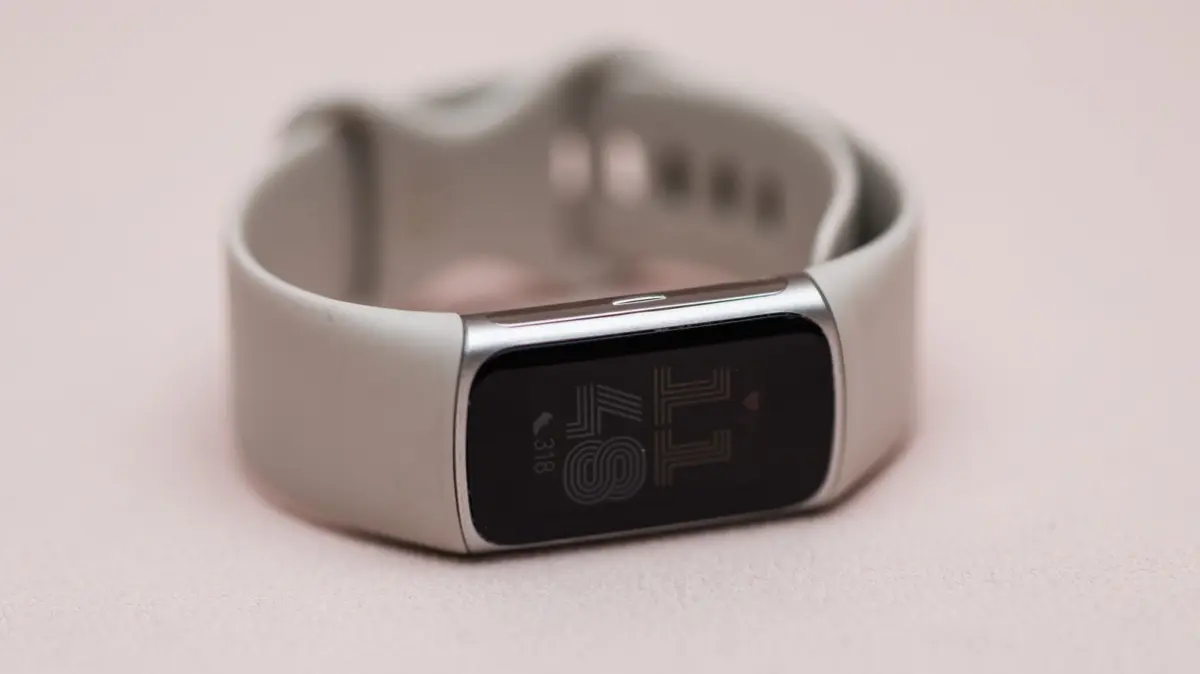
Sensing that the narrative was fully steering the conversation, Google Health officially leaned into the speculation. The division published a cryptic yet unmistakable teaser across Instagram and X featuring a clean, minimalist product photograph highlighting a physical side button. The accompanying caption was direct and purposeful:
"Get an Edge on your health. 10.12.26."
By capitalizing the word "Edge," Google subtly confirmed the moniker discovered by leak sleuths weeks prior, while setting a definitive calendar date—October 12—for the full platform and hardware reveal.
Supporting Context & Metrics: Hardware, Battery, and Pricing
While Google has kept a tight lid on the complete spec sheet ahead of the October 12 event, a combination of regulatory filings, supply chain whispers, and detailed European retail leaks has painted a remarkably clear picture of what the Fitbit Edge will offer consumers.
Design and Display Integration
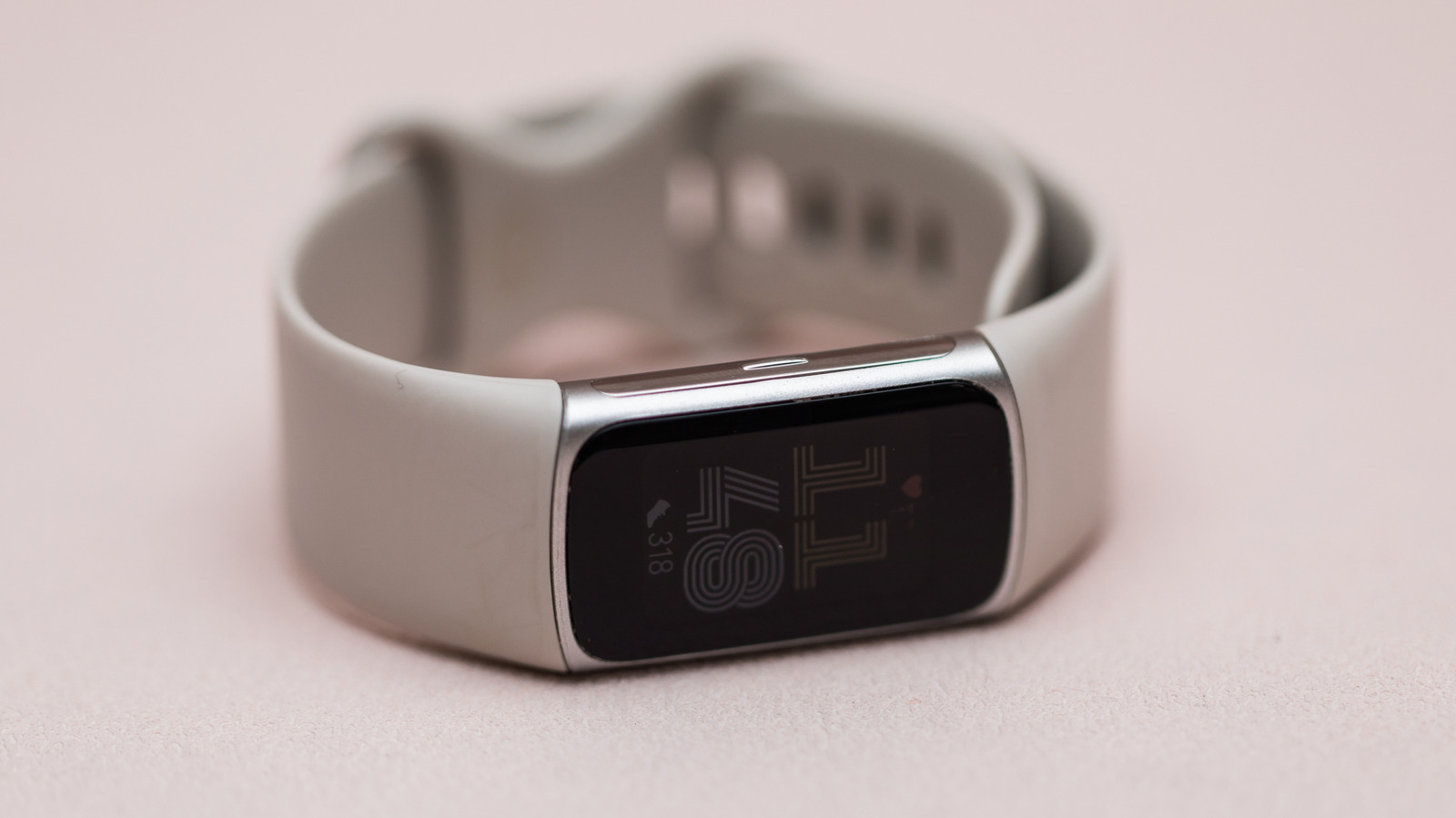
Unlike the ultra-minimalist, screenless Fitbit Air, the Fitbit Edge features a fully realized, vibrant display designed to show granular real-time metrics, notifications, and interactive UI elements. Furthermore, the inclusion of a physical side button—a design philosophy that returned to critical acclaim with the 2023 Fitbit Charge 6—suggests that Google is prioritizing tactile control for workouts where touchscreen usage can be cumbersome.
Battery Life Benchmarks
Battery endurance has historically been a critical differentiator for dedicated fitness trackers over full-fledged smartwatches. According to reports from Dealabs, the Fitbit Edge is engineered to strike a balance between visual fidelity and operational longevity:
- Always-On Display (AOD) Disabled: Up to 7 days of continuous battery life on a single charge.
- Always-On Display (AOD) Enabled: Up to 2 days of battery life under normal usage conditions.
This dual-mode metric allows users to choose between maximum convenience (glanceable time and stats) and maximum endurance, catering to both casual users and marathon runners alike.
Pricing Speculation (US and European Markets)
Pricing details leaked from European retail channels indicate that the Fitbit Edge will retail for €179, which translates roughly to $200 USD. However, regional pricing strategies can vary significantly. Analysts point out that because the Fitbit Air launched at $99 in the United States and €99 in Europe, the Edge is expected to occupy a comfortable mid-market tier domestically, likely targeting a price point right around $180.
The Product Hierarchy Gap
To understand the significance of the Fitbit Edge, one must view it within the context of Google’s broader hardware roadmap:
- Fitbit Air: The entry-level, screenless tracker designed for passive tracking and lightweight health monitoring.
- Fitbit Edge (New): The mid-tier, display-equipped fitness band featuring advanced health metrics, physical navigation, and extended battery life.
- Pixel Watch 5: The top-tier, full-featured smartwatch integrating deep smartphone functionality, advanced sensor suites, and Wear OS.
Official Statements and Industry Analysis
Industry analysts view the Fitbit Edge not merely as an incremental hardware update, but as a calculated pivot in Google’s hardware ecosystem strategy. Ever since Google finalized its acquisition of Fitbit, the tech giant has navigated the delicate challenge of harmonizing its proprietary Pixel smartwatch line with the globally recognized Fitbit brand.
The Strategic Value of Dedicated Fitness Bands
While smartwatches dominate tech headlines, dedicated fitness bands continue to command a massive, loyal consumer base. Users who prioritize multi-day battery life, lightweight comfort during sleep tracking, and distraction-free exercise sessions frequently reject traditional smartwatches.
Google’s last major foray into this specific form factor was the Fitbit Charge 6, released in late 2023. With three years having passed since that release, the market has been primed for a refresh. By slotting the Edge neatly between the Air and the Pixel Watch, Google ensures that it captures consumers at every price point and form-factor preference.
Software Integration and Subscription Services
Hardware is only half of Google’s master plan. Industry observers note that the introduction of the Fitbit Edge will serve as a primary acquisition funnel for Google Health Premium—the tech titan’s unified health and fitness subscription service.
By unifying health applications under the Google-Fitbit umbrella, Google is banking on advanced algorithmic insights, personalized health coaching, and deep data analytics to convert hardware buyers into recurring software subscribers.
Future Outlook: What to Expect on October 12
As the October 12 reveal date rapidly approaches, attention now shifts from what the device is to how Google intends to position it within the hyper-competitive wearable market.
Key questions remain to be answered during the official launch event:
- Advanced Health Sensors: Will the Fitbit Edge feature advanced biometric sensors, such as an electrodermal activity (EDA) sensor for stress management, a skin temperature sensor, or an integrated ECG for heart health monitoring?
- Ecosystem Synergy: How deeply integrated will the device be with the upcoming Pixel 11 smartphone lineup?
- Availability and Rollout: Will the device launch globally on day one, and what will the exact regional pricing structures look like?
One thing is certain: Google is aggressively tightening its grip on the consumer health and fitness market. Whether you are a casual step-counter or an elite endurance athlete, the Fitbit Edge is shaping up to be one of the most consequential wearable releases of the fourth quarter. Stay tuned as we cover the official October 12 reveal live, bringing you complete analysis, hands-on impressions, and deep dives into Google’s evolving hardware vision.