Executive Overview
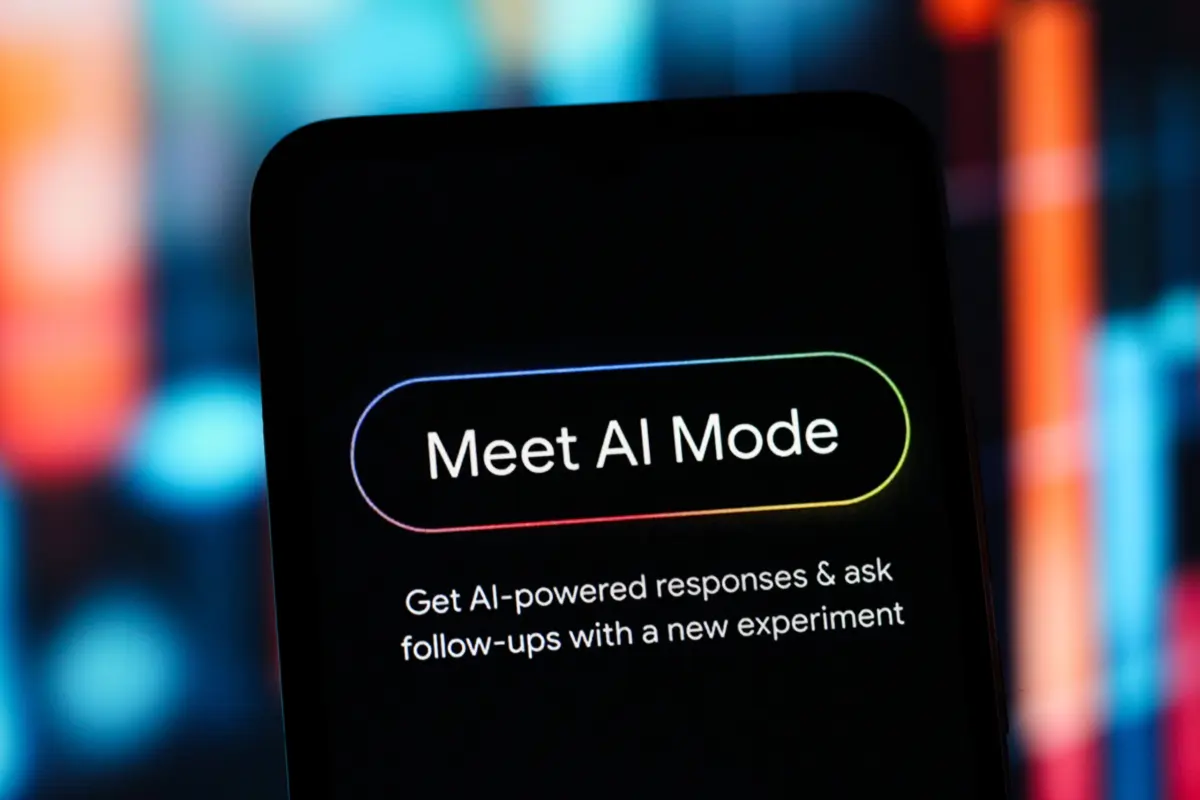
Google has announced a major update to AI Mode—its conversational search engine interface—enabling direct trip planning, automated flight tracking, direct hotel bookings, and real-time loyalty point calculations. The update marks a clear strategic pivot: Google is moving beyond traditional web link aggregation to operate as an end-to-end AI travel agent capable of handling multi-step transactional workflows.
Historically, Google’s role in the travel industry was confined to metasearch discovery through dedicated verticals like Google Flights and Google Hotels. Users would search for options, refine filters, and then click through to third-party travel sites or direct airline portals to complete their purchases. Under the expanded AI Mode paradigm, users can plan complex, multi-variable trips through natural, conversational dialogs.
By integrating direct checkout mechanisms via Google Pay and tapping into inventory from over 300 airlines and a coalition of global hotel networks, Google is altering how consumers interact with the digital travel ecosystem. The rollout—featuring global availability for flight price tracking and loyalty calculations, alongside a phased U.S. launch for direct hotel reservations—signals an accelerated push toward agentic AI commerce, where search interfaces do not merely retrieve information, but execute actions on behalf of the user.
       +-----------------------------------------------------------+
       |               Conversational AI Mode Query                |
       |  "Find a hotel in Chicago, track my flight, use my miles" |
       +-----------------------------+-----------------------------+
                                     |
                                     v
       +-----------------------------------------------------------+
       |                  Google AI Engine Core                    |
       +-----------+-----------------------+-----------------------+
                   |                       |                       |
                   v                       v                       v
     +---------------------------+ +-------------------+ +-------------------+
     | Direct Hotel Booking      | | Flight Tracking   | | Loyalty Mileage   |
     | • "Continue on Google"    | | • 300+ Airlines   | |   Engine          |
     | • Partner Fulfillment     | | • Price Alerts    | | • Award Flight    |
     | • Integrated Google Pay   | | • 180+ Countries  | |   Valuation       |
     +---------------------------+ +-------------------+ +-------------------+
Detailed Breakdown of Feature Capabilities
Conversational Flight Discovery and Global Price Tracking
The updated AI Mode interface allows travelers to input unstructured, natural language prompts outlining travel parameters—including multi-city itineraries, variable date windows, budget constraints, and specific cabin preferences. Drawing real-time inventory from more than 300 global airlines and online travel agencies (OTAs), the AI engine constructs customized, comparative flight summaries within the chat stream.
Beyond simple static retrieval, Google has embedded dynamic flight price tracking directly into the conversational interface. If a user is not ready to purchase, they can issue a voice or text command such as, "Track these flight prices for me." The AI engine then assigns a persistent tracking agent to monitor rate changes across integrated carrier databases. When price drops or structural schedule adjustments occur, the system automatically triggers email notifications to the user. This flight tracking functionality within AI Mode is immediately operational across more than 180 countries.
+-----------------------------------------------------------------------------------+
|                        AI MODE FLIGHT TRACKING ARCHITECTURE                        |
+-----------------------------------------------------------------------------------+
| User Input: "Track flight prices from JFK to LHR for mid-October"                 |
|                                                                                   |
|  [AI Mode Query Processor]                                                        |
|         │                                                                         |
|         ▼                                                                         |
|  [Inventory Engine] ───> Cross-references 300+ Airlines & OTAs                    |
|         │                                                                         |
|         ▼                                                                         |
|  [Price Monitoring Agent] ───> Sets persistent background tracking                |
|         │                                                                         |
|         ▼                                                                         |
|  [Notification Pipeline] ───> Triggers targeted price-drop emails (180+ Countries)|
+-----------------------------------------------------------------------------------+
Direct Hotel Reservation Workflows via ‘Continue on Google’
In its most significant operational shift, Google is streamlining the hotel discovery and reservation funnel into a single conversational thread. Users can query AI Mode regarding specific lodging criteria—such as boutique properties near city landmarks, pet-friendly amenities, or late check-out policies. The AI synthesizes user reviews, location dynamics, property ratings, and real-time nightly pricing into an interactive shortlist.
When a user selects a property, AI Mode initiates an in-line checkout process powered by a feature designated as "Continue on Google." Working in concert with integrated enterprise partners, the tool allows users to:
- Choose specific room categories and bed configurations.
- Review cancellation windows, resort fees, and tax structures within the interface.
- Finalize the monetary transaction securely using saved credentials in Google Pay.
While the transaction is processed natively within the search interface, Google explicitly leaves fulfillment, reservation issuing, and post-booking customer service in the hands of the merchant of record—whether that is a direct hospitality chain or a third-party OTA.
The hotel booking workflow in AI Mode has initially launched in English for users in the United States, with rollout partners including:

- Booking.com
- Choice Hotels International
- Expedia
- Hilton
- Hotels.com
- IHG Hotels & Resorts
- Marriott International
- Priceline
- Trip.com
- Wyndham Hotels & Resorts
Frequent Flyer & Loyalty Miles Calculation
Addressing a long-standing point of friction in travel planning, Google has updated AI Mode to interpret award travel redemptions. Navigating loyalty points traditionally requires cross-referencing multiple award charts, checking airline alliance partner availability, and accounting for dynamic point valuations.
AI Mode now evaluates the required cost of flights and lodging in terms of points and frequent flyer miles. Users can formulate specific prompts such as:
"I want to travel from Atlanta to Miami using my AA miles. Help me find some options for nonstop flights departing Oct 9 and returning on Oct 12."
The AI engine processes the underlying carrier award inventory, translating cash values and redemption tiers into the precise number of loyalty points needed to complete the redemption. This frequent flyer calculation engine has been deployed globally across supported AI Mode markets.
Supporting Context & Industry Metrics
The Evolving Landscape of AI-Driven Travel Aggregation
Google’s foray into conversational booking comes amid an industry-wide transition toward zero-click interactions and agentic web automation. According to travel research firm Phocuswright, digital travel bookings reached over $800 billion globally in recent years, with mobile and direct-search referrals driving the vast majority of conversions.
Historically, tech platforms functioned as intent generators—referring high-intent web traffic to OTAs or airline booking portals via pay-per-click (PPC) advertising models. By embedding direct transaction tools within AI search, Google is attempting to capture a larger portion of the travel planning process.
| Feature / Metric | Legacy Metasearch (Google Flights/Hotels) | Next-Gen AI Mode Travel Agent |
|---|---|---|
| Primary Interaction | Form-based input (dropdowns, date pickers) | Natural language conversational prompts |
| Inventory Source | Static API feeds & scrapers | 300+ Airlines, Global Hotel Chains, OTAs |
| Price Monitoring | Manual alert configuration | Agentic background tracking ("Track this for me") |
| Loyalty Integration | Cash values; limited third-party plugins | Native points/miles redemption calculations |
| Booking Mechanism | External redirect to vendor website | In-interface native checkout via Google Pay |
| Geographic Scope | Global web coverage | Flight Tracking (180+ countries); Hotels (US initial) |
Competitive Pressures and Market Realities
The release of these travel capabilities is widely viewed as a countermeasure against emergent conversational search engines and dedicated AI agents. Competitors such as OpenAI’s ChatGPT, Perplexity AI, and Anthropic’s Claude have increasingly integrated real-time search capabilities and plugin architectures capable of summarizing travel itineraries.
Simultaneously, legacy online travel agencies have introduced their own native AI assistants. Expedia introduced a ChatGPT-powered itinerary planner, and Booking.com developed an AI Trip Planner inside its mobile applications. However, Google holds an advantage: its access to deep location data via Google Maps, consumer reviews, cross-device integration via Android and Chrome, and an enterprise payments ecosystem in Google Pay.
       +-------------------------------------------------------------+
       |               Search Engine Evolution Funnel                |
       +-------------------------------------------------------------+
       | 1. Traditional Search (Blue Links)                          |
       |    • User enters keyword -> Click external link -> Book     |
       +-------------------------------------------------------------+
       | 2. Vertical Metasearch (Google Flights/Hotels)              |
       |    • User filters dates -> View comparative list -> Redirect|
       +-------------------------------------------------------------+
       | 3. Agentic Conversational AI (AI Mode)                      |
       |    • Natural language context -> In-line AI negotiation     |
       |    • Integrated Google Pay native checkout                  |
       +-------------------------------------------------------------+
Official Statements and Partner Ecosystem Dynamics
Google’s official release highlights the shift from informational query matching to actionable task fulfillment. A spokesperson for the company emphasized that AI Mode is designed to streamline the planning cycle by removing fragmented browsing across dozens of browser tabs:

"Google is moving beyond simply helping users find information to actually handling parts of the trip-planning and booking process itself."
This shift creates a delicate balance with Google’s launch partners—including major hotel management groups like Marriott, Hilton, and IHG, alongside digital intermediaries like Expedia and Booking.com. These platforms generate significant revenue through direct booking traffic, yet rely heavily on Google search ads for acquisition.
By positioning the "Continue on Google" workflow as a collaborative channel rather than a replacement, Google aims to minimize friction with travel providers. Under this model:
- Merchant of Record Status: The partner entity retains ownership of the booking, billing, and direct guest relationship.
- Customer Service Hand-off: Cancellations, room upgrades, loyalty program credits, and physical hospitality services remain under the direct management of the hotel chain or participating OTA.
- Data Continuity: Key transactional identifiers are passed back to the partner, protecting the hotel brand’s direct revenue visibility while allowing Google to process payments using Google Pay.
Future Outlook and Strategic Implications
The Evolution Toward Autonomous Travel Planning
The introduction of flight tracking, hotel checkout, and points evaluation represents an incremental step toward fully autonomous travel orchestration. Industry analysts expect future iterations of AI Mode to integrate broader multi-modal capabilities, including:
- Automated Ground Transportation: Linking flight arrival times with ride-share API dispatching or rail reservation engines.
- Dynamic Itinerary Synthesis: Synchronizing hotel reservations with restaurant reservations (via OpenTable or Resy integrations) and ticketed attractions directly into Google Calendar.
- Real-time In-Trip Adjustments: Re-routing missed connections, auto-rebooking delayed flights, and adjusting hotel check-in windows dynamically based on real-time location signals.
+-----------------------------------------------------------------------------------+
|                     THE FUTURE AGENTIC TRAVEL ECOSYSTEM                           |
+-----------------------------------------------------------------------------------+
|                                                                                   |
|  [Flight Tracking Engine] ───> Detects flight delay/cancellation                  |
|                                       │                                           |
|                                       ▼                                           |
|  [Autonomous AI Concierge] ───> Triggers real-time trip adjustments               |
|                                       │                                           |
|             ┌─────────────────────────┼─────────────────────────┐                 |
|             ▼                         ▼                         ▼                 |
|   [Auto-Rebook Airfare]     [Update Hotel Check-In]     [Adjust Ground Transport] |
|                                                                                   |
+-----------------------------------------------------------------------------------+
Regulatory and Market Monetization Dynamics
As Google elevates its AI interface from a search conduit to an active commercial platform, it will face increased scrutiny from regulatory bodies globally. Antitrust authorities in the European Union (under the Digital Markets Act) and the United States Department of Justice are paying close attention to self-preferencing practices in AI-driven search results.
If AI Mode prioritizes partner networks integrated with Google Pay over independent non-partner travel suppliers, it could spark regulatory challenges regarding fair competition in digital marketplaces.
Furthermore, monetization paradigms will inevitably evolve. As organic search traffic gives way to aggregated AI answers, Google will likely adapt its traditional Pay-Per-Click (PPC) advertising model. Future revenue streams may shift toward transaction processing fees, preferred placement within AI suggestions, or specialized affiliate commissions structured around successful checkouts executed within the conversational AI environment.
Google’s transformation of AI Mode marks an important milestone in consumer technology: the transition from a search tool that directs users elsewhere, to an AI agent that handles complex commercial actions directly within the search experience.