Executive Overview
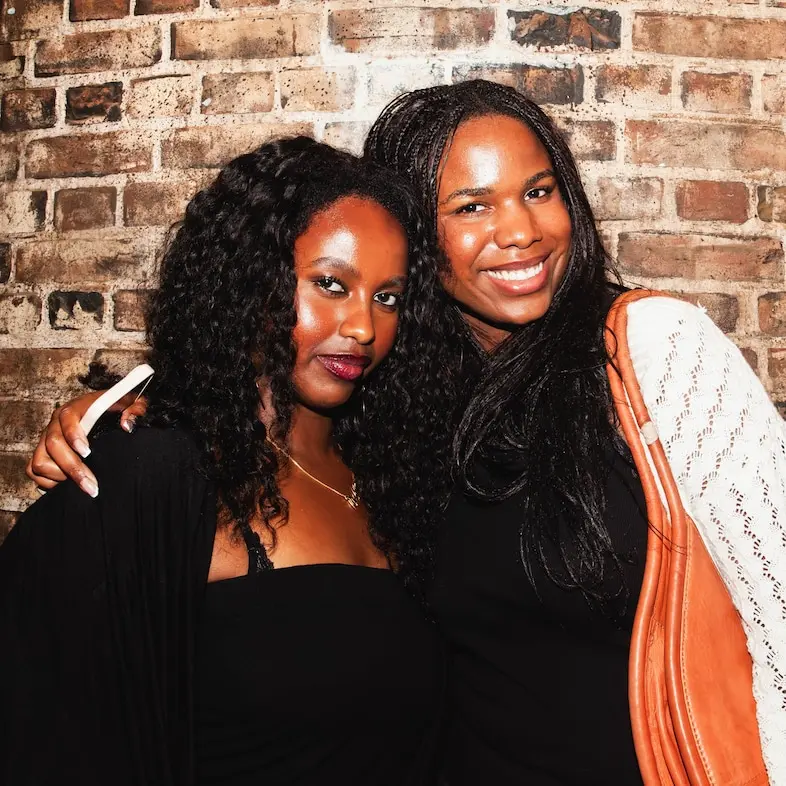
Last week, members of the exclusive Dazed Club were granted a rare, high-anticipation privilege: early access to preview screenings of Gregg Araki’s latest cinematic provocation, I Want Your Sex. Held concurrently at central London’s Vue Piccadilly and the independent cultural hub Genesis, the event offered attendees an unfiltered look at a film that is already positioning itself as one of the most culturally disruptive releases of the decade.
Starring an eclectic and powerhouse ensemble featuring Olivia Wilde, Cooper Hoffman, Mason Gooding, Chase Sui Wonders, and pop icon Charli XCX, I Want Your Sex dives headfirst into the murky, high-stakes waters of modern desire, power dynamics, and the psychological labyrinth of contemporary romance.
Described broadly as an erotic comedy-thriller, the film follows Elliot (played with wide-eyed vulnerability by Hoffman), a naive young man who lands a coveted position working for Erika Tracy (portrayed with magnetic dominance by Wilde), a renowned artist and unrepentant cultural provocateur. What begins as a professional opportunity quickly spirals into a fever dream of wish-fulfillment as Erika initiates Elliot into an intense sexual relationship. Yet, as the boundaries between art, obsession, and exploitation begin to blur, Elliot finds himself dangerously out of his depth.
Beyond its narrative ambition, I Want Your Sex arrives charged with a distinct socio-cultural mission. Industry insiders and cultural critics have already branded the film as cinema’s direct, unvarnished response to the widely discussed "intimacy drought" or apparent lack of sexual appetite among Generation Z. In an exclusive interview with Dazed following the screenings, Araki articulated his artistic motivation with characteristic passion, emphasizing that the risks inherent to romance, lust, and heartbreak remain the vital lifeblood of human experience.
This exhaustive report breaks down the anatomy of the Dazed Club preview, explores the thematic weight of Araki’s return to the erotic thriller, examines the broader statistical and psychological context of Gen-Z intimacy trends, and analyzes what this pivotal release means for the future of cinema and youth culture.
Detailed Chronology: The Dazed Club Preview Experience
The atmosphere outside Vue Piccadilly and Genesis in the days leading up to the screening was charged with a palpable sense of anticipation. For weeks, film forums and social media channels had been abuzz with rumors regarding the film’s explicit content, stylistic verve, and the sheer audacity of its casting choices. Dazed Club members—a curated community of culture enthusiasts, creatives, and cinephiles—arrived in droves, eager to witness what independent cinema’s eternal enfant terrible had cooked up next.
Setting the Scene: London’s Dual Screenings
By 7:00 PM, queues wrapped around the lobbies of both venues. The demographic skew was distinctly youthful, mirroring the film’s thematic focus, though seasoned fans of Araki’s 1990s "Teen Apocalypse" trilogy (*Totally F**ed Up, The Doom Generation, Nowhere) were prominently represented. The curation of the event reflected Dazed’s commitment to bridging high-art critical cinema with grassroots cultural communities. Attendees were treated to bespoke branding, limited-edition promotional collateral, and an immersive pre-show atmosphere that set a distinctly nocturnal, sensual tone.
As the house lights dimmed, a collective hush fell over the auditoriums. From the opening frames, it was clear that Araki—working alongside a brilliant cinematography and design team—had lost none of his visual bravura. The film’s palette is a sensory overload of neon hues, slick art-world interiors, and shadowy, claustrophobic bedrooms that visually externalize the psychological trap closing in around the protagonist.
Narrative Unfolding: The Rise and Fall of Elliot
The plot unfurls with a deceptive lightness before plunging viewers into darker, psychological territory. Cooper Hoffman brings a poignant, nervous energy to Elliot, capturing the disorientation of a young man plucked from obscurity and dropped into the dizzying, hedonistic orbit of the international art elite.
Olivia Wilde’s Erika Tracy commands every frame she inhabits. Equal parts mentor, muse, and tormentor, Wilde plays Erika not as a flat-out villain, but as a complex artist who views human relationships as raw material for her craft. When Erika turns her gaze—and her desires—toward Elliot, the film shifts gears from a workplace comedy into a dizzying erotic thriller.
Supporting performances by Mason Gooding, Chase Sui Wonders, and pop sensation Charli XCX add distinct texture to the film’s social fabric. Charli XCX, in particular, anchors certain sequences with an effortless cool that speaks directly to the intersection of modern club culture and high-concept artifice.
When the credits rolled, the reaction across both venues was immediate and electric. Murmurs of disbelief, sharp analytical debates, and buzzing excitement filled the aisles as audience members poured out into the London night, instantly reaching for their phones to dissect the twisty, provocative finale.
Supporting Context & Metrics: The Intimacy Drought and the Return of the Erotic Thriller
To fully appreciate the cultural impact of I Want Your Sex, one must examine the socio-cultural landscape into which it is being launched. Over the past half-decade, sociologists, psychologists, and cultural commentators have documented a striking statistical shift in how younger generations approach romance, dating, and physical intimacy.
Decoding the Gen-Z "Intimacy Drought"
Numerous studies—including periodic data from the General Social Survey and various youth culture trackers—have highlighted a marked decline in sexual frequency and dating engagement among Gen-Z compared to Millennials and Gen-X at the same age. Dubbed variously the "sex recession" or the "intimacy drought," this phenomenon is driven by a convergence of factors:
- Economic Precarity: High housing costs and job market instability mean many young people live with their parents well into their twenties, severely curtailing opportunities for private domestic exploration.
- Digital Displacement: The ubiquity of dating apps has paradoxically led to dating fatigue, while digital consumption (including pornography and parasocial relationships) often substitutes for real-world physical risk.
- Hyper-Awareness of Consent: While a culture prioritizing enthusiastic consent and emotional safety is overwhelmingly positive, it has sometimes fostered an atmosphere of performance anxiety, where the spontaneity and messiness of romance feel heavily policed.
It is against this backdrop of calculated caution and digital detachment that Gregg Araki’s I Want Your Sex acts as a cinematic lightning rod. The film does not merely depict sex; it depicts sex as dangerous, transformative, messy, and—crucially—essential to self-actualization.
The Evolution of the Erotic Thriller
The erotic thriller as a cinematic genre enjoyed a golden age in the late 1980s and 1990s, characterized by films like Basic Instinct, Fatal Attraction, and Mulholland Drive. However, the mainstream Hollywood studio system largely abandoned the genre in the 2000s and 2010s, preferring sanitized PG-13 romances or superhero blockbusters devoid of complex adult sexuality.
Araki’s return to the genre bridges the gap between classic neo-noir suspense and contemporary psychological examinations of power, art, and consent. By casting actors who resonate deeply with contemporary youth culture—such as Hoffman, Wonders, and Charli XCX—Araki reclaims the erotic thriller, proving that adult desire remains one of the most fertile terrains for cinematic storytelling.
Official Statements and Artistic Vision
In an extensive and revealing interview with Dazed conducted immediately following the preview events, Gregg Araki opened up about the personal philosophy driving I Want Your Sex. Known for his uncompromising artistic vision and refusal to pander to moralistic trends, Araki addressed the cultural conversation surrounding Gen-Z’s relationship with desire head-on.
"For me, as a person and artist, sex, love, dating, all of it, that’s literally my entire life," Araki passionately stated in his Dazed interview. "If I hadn’t had the relationships and heartbreak I’ve gone through – I can’t imagine what my life would be without that."
Araki elaborated on his concerns regarding modern risk aversion, noting that art and human growth require individuals to step out of safe, curated digital bubbles and expose themselves to emotional devastation.
"We live in an era where people are terrified of getting hurt, terrified of making mistakes, terrified of being messy," Araki noted. "But the truth is, the most profound parts of being human happen in the wreckage of bad decisions, intense infatuations, and broken hearts. If you sanitize life to protect yourself from pain, you also protect yourself from joy."
Olivia Wilde, speaking on her approach to playing Erika Tracy, emphasized the collaborative, fearless nature of the production. "Gregg gives actors permission to be dangerous," Wilde remarked in production notes. "Erika is an artist who refuses to apologize for her appetites. Playing someone who owns her power—and weaponizes it—was both terrifying and immensely liberating."
Cooper Hoffman echoed these sentiments, discussing the vulnerability required to step into Elliot’s shoes. "Elliot represents that part of all of us that wants to be chosen, wants to be initiated into a bigger, more vibrant world, even if it burns us in the process," Hoffman explained. "Working with Gregg and Olivia meant leaning completely into that vulnerability without any safety net."
Future Outlook: Cultural Impact and Theatrical Release
As the dust settles on the exclusive Dazed Club previews at Vue Piccadilly and Genesis, industry analysts are turning their attention to the film’s broader commercial and cultural trajectory. I Want Your Sex is not arriving quietly; it is poised to be one of the most hotly debated cinematic talking points of late summer.
Critical Reception and Award Season Buzz
Early word-of-mouth from the London screenings suggests that Araki has crafted a career-best work that marries the stylistic flash of his earlier indie masterpieces with a mature, razor-sharp critique of contemporary power dynamics. Critics are already speculating on potential festival runs and precursor award buzz, particularly pointing to Olivia Wilde’s commanding performance and Cooper Hoffman’s sensitive portrayal of youthful disorientation as standout elements.
Cultural Legacy: Re-igniting the Conversation on Desire
Beyond box office receipts, the true legacy of I Want Your Sex may lie in its ability to spark urgent generational dialogue. By confronting the intimacy drought with intelligence, style, and uncompromising eroticism, Araki challenges audiences—particularly younger viewers—to reconsider their relationship with vulnerability, risk, and physical connection.
For those who missed out on the exclusive Dazed Club previews, the wait is nearly over. I Want Your Sex officially arrives in cinemas nationwide on August 28.
To ensure you don’t miss out on future exclusive cultural events, early screenings, and member-only perks, join the Dazed Club today.