Executive Overview
The announcement of a Kingdom Hearts animated television series at Disney’s biennial D23 fan festival sent shockwaves through the gaming and entertainment communities alike. Set to air on the Disney Channel and stream on Disney+, the project promises to bring Square Enix and Disney’s sprawling, genre-defining action role-playing franchise to a broader, television-centric audience. For over two decades, Kingdom Hearts has captivated millions with its bizarre yet mesmerizing fusion of classic Disney animation, Final Fantasy aesthetics, and an original, deeply philosophical narrative involving Keyblades, Heartless, and alternate dimensions.
However, the impending adaptation also arrives amid a complex cultural and corporate landscape. Disney+ currently faces organized consumer scrutiny and boycott targets from groups such as the BDS movement, which protests the corporate ties of various global conglomerates to geopolitical conflicts. Furthermore, the franchise itself carries a double-edged sword: while universally praised for its visual spectacle, fluid combat, and emotional resonance, Kingdom Hearts is equally infamous for its labyrinthine, multi-platform storyline that has frequently baffled even the most dedicated veterans.
As series creator Tetsuya Nomura takes a hands-on approach to ensure the adaptation honors the franchise’s rigorous continuity rules, fans are left wondering whether an episodic format can successfully decode decades of lore—or if it will only add delightfully bewildering new layers to the mythos.
Detailed Chronology: The Evolution of Kingdom Hearts
To understand the magnitude of an upcoming television adaptation, one must trace the winding, unexpected historical trajectory of the Kingdom Hearts franchise.
The Genesis (2002)
Conceived through a legendary, chance encounter in an elevator between Japanese game developer Tetsuya Nomura and a Disney executive, the original Kingdom Hearts launched on the PlayStation 2 in March 2002. The premise was audacious: combine the whimsical, universally beloved worlds of Disney films with the complex storytelling and role-playing mechanics of Square Enix’s Final Fantasy series, anchored by an original protagonist named Sora. The game was an immediate critical and commercial triumph, selling millions of copies worldwide and establishing a cult following.
The Era of Fragmentation (2004–2018)
Rather than following a traditional numbering convention, the franchise expanded through a dizzying array of spin-offs, prequels, and side-stories released across an assortment of disparate hardware platforms.
- Chain of Memories (2004): Released on the Game Boy Advance, establishing crucial plot points bridged via card-based combat.
- Kingdom Hearts II (2005): The widely celebrated PlayStation 2 sequel that resolved immediate narrative arcs while planting seeds for an even larger overarching conspiracy.
- 358/2 Days (2009) & Birth by Sleep (2010): Titles released on the Nintendo DS and PlayStation Portable, respectively, introducing vital backstory elements and entirely new playable protagonists whose fates intertwined with Sora’s.
- Dream Drop Distance (2012): Released on the Nintendo 3DS, setting up the direct mechanics and stakes for the long-awaited third mainline entry.
This multi-platform strategy made keeping up with the narrative a formidable chore for casual fans, requiring ownership of portable consoles spanning generations.
The Modern Renaissance and Kingdom Hearts III (2019–Present)
After years of anticipation, Kingdom Hearts III launched in January 2019, wrapping up the foundational "Seeker of Darkness" saga. The release was accompanied by compilations like Kingdom Hearts HD 1.5 + 2.5 ReMix, finally gathering the fragmented library onto modern platforms like PlayStation 4, Xbox One, PC, and Nintendo Switch (via cloud streaming). With Kingdom Hearts IV currently in development, the announcement of a Disney+ and Disney Channel anime series represents the next logical step in transmedia storytelling for the intellectual property.
Supporting Context & Metrics: Lore, Industry Impact, and Corporate Realities
Navigating the Inpenetrable Lore
The reputation of Kingdom Hearts as a narrative puzzle is well-earned. The series features body-swapping, time travel, digital data copies of characters, multiple versions of the primary antagonist (Xehanort), and concepts like Nobodies and Unversed.
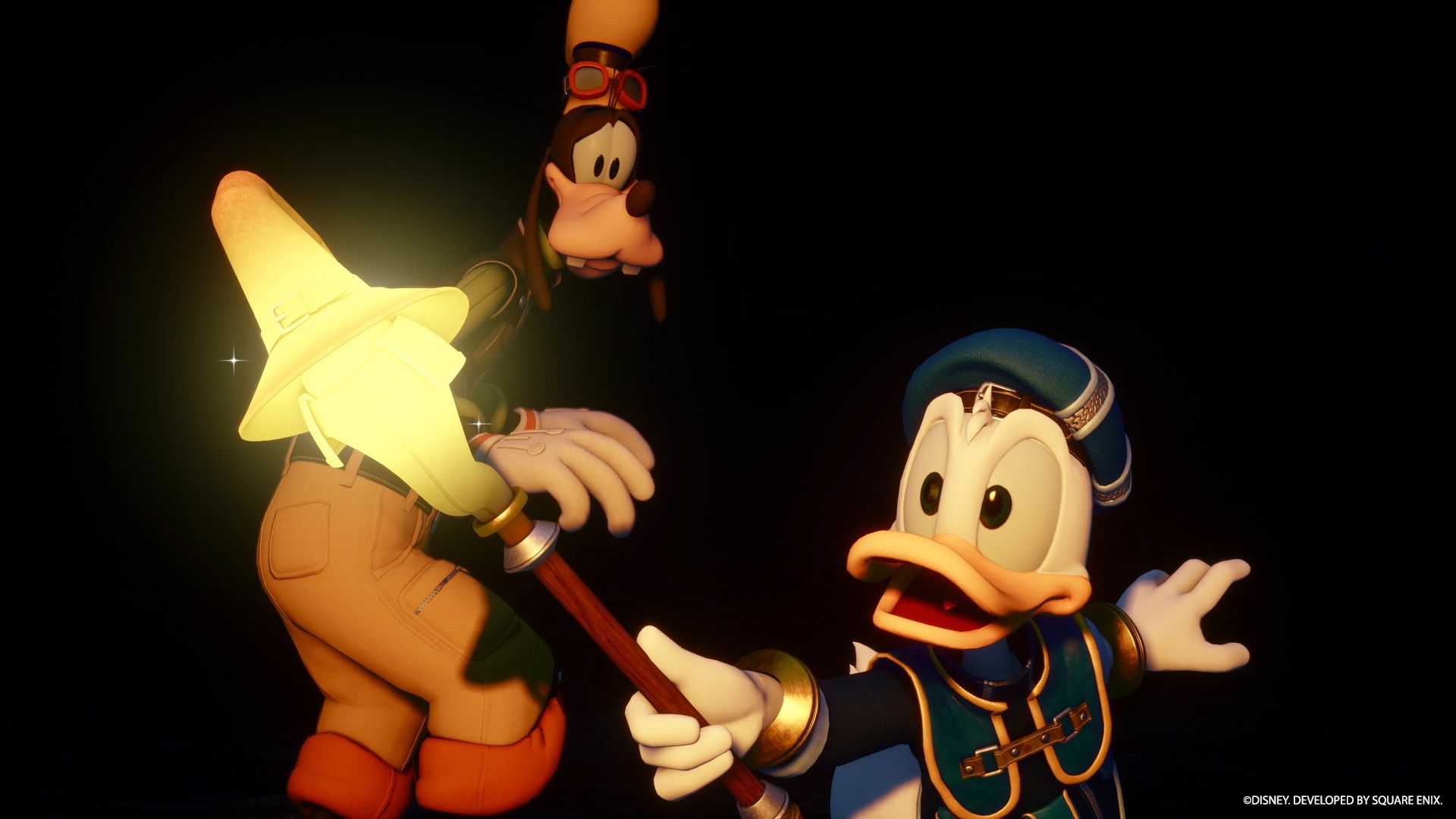
Critics and analysts have long debated how an episodic television format can handle this narrative weight. Disney has noted that the upcoming animated series will "reimagine the iconic adventure with a brand-new story." Yet, series steward Tetsuya Nomura is notoriously protective of his canon. Historical precedent illustrates this protectiveness: during negotiations to bring Sora into Nintendo’s crossover fighting game Super Smash Bros. Ultimate, Nomura reportedly scrutinized the character’s integration to ensure it did not contradict the delicate internal timelines and lore of the Kingdom Hearts universe.
Commercial Metrics and Platform Reach
- Global Sales: The Kingdom Hearts franchise has shipped over 36 million units worldwide since its inception, cementing its status as one of Square Enix’s most lucrative and enduring properties.
- Platform Demographics: While historically anchored to Sony hardware, modern multi-platform releases have expanded the player base across PC, Microsoft ecosystems, and Nintendo platforms.
- Transmedia Expansion: Moving from interactive software to serialized television places Kingdom Hearts alongside other major video game adaptations (such as The Last of Us, Fallout, and Arcane) that have successfully transitioned from consoles to prestige streaming formats.
Geopolitical and Corporate Scrutiny
The D23 announcement also highlights the intersection of entertainment and contemporary socio-political activism. Disney+ has increasingly become a focal point for international advocacy groups. Most notably, the Boycott, Divestment, Sanctions (BDS) movement has designated various multinational corporations—including major streaming and entertainment providers—as priority targets over corporate actions and economic footprints tied to geopolitical conflicts, such as Israel’s ongoing military campaigns in Palestine. While fans eagerly dissect casting choices and teaser art, corporate watchdogs continue to monitor how major media networks navigate consumer boycotts and ethical scrutiny in an interconnected global market.
Official Statements and Industry Insights
The reveal at D23 has generated substantial commentary from industry insiders, media analysts, and creative stakeholders regarding what audiences can anticipate from the upcoming adaptation.
Representatives for Disney Branded Television emphasized the collaborative nature of the project, highlighting the studio’s desire to capture the timeless wonder of classic Disney properties while injecting the high-stakes emotional drama characteristic of Japanese animation styles.
Tetsuya Nomura’s creative oversight ensures that fans will not experience a completely disconnected retelling. While specific plot details remain closely guarded, production insiders suggest that the series will serve as an entry point for newcomers while rewarding longtime devotees with deep-cut canonical references, familiar musical motifs by composer Yoko Shimomura, and jaw-dropping visual set pieces.
Furthermore, the project revives discussions surrounding abandoned adaptations. Die-hard fans frequently recall Seth Kearsley’s aborted 2003 animated television pilot—a project initially pitched as a traditional television series before being canceled by Disney. Modern animation techniques and a matured streaming landscape have finally made the ambitious blending of Disney iconography and Square Enix world-building viable for television.
Future Outlook: What Lies Ahead for Keyblade Wielders
As pre-production moves forward on the Kingdom Hearts anime series, the community faces an era of unprecedented multimedia expansion. With Kingdom Hearts IV currently simmering in development at Square Enix and the Disney+ adaptation slated to introduce the franchise to an entirely new demographic of viewers, the series is poised for a major cultural resurgence.
Several key milestones will define the franchise’s trajectory over the coming years:
- Casting and Creative Reveal: Further announcements detailing the animation studio handling the project, voice talent rosters, and stylistic choices will clarify whether the series leans into traditional 2D cel-shaded aesthetics or modern 3D CGI styles.
- Narrative Integration: Observers will closely watch whether the television narrative exists as a standalone alternate universe or weaves directly into the official, ever-expanding canon leading up to Kingdom Hearts IV.
- Corporate and Streaming Dynamics: Disney+ will continue to navigate shifting subscriber expectations, international content strategies, and ongoing public scrutiny surrounding corporate boycotts, making the platform’s handling of high-profile anime additions a subject of keen economic interest.
Ultimately, whether the television series successfully unpacks the convoluted history of Sora, Donald, and Goofy or simply adds another layer of glorious, bewildering spectacle to the mythos, one thing remains certain: Kingdom Hearts will continue to command our attention, awe, and endless fascination.