Executive Overview
The landscape of marketing content creation has undergone a seismic shift. For years, the promise of generative artificial intelligence has been tantalizingly simple: type a prompt, press a button, and watch a masterpiece materialize. Yet, for most marketers attempting to transition from casual tool testers to serious brand builders, reality proves frustratingly disconnected from the glossy launch videos produced by software developers. AI-generated images often look flat; video clips lack continuity; and achieving a cohesive, professional-grade aesthetic across an entire campaign feels more like an exercise in frustration than a streamlined workflow.
According to AI educator and creative strategist Jerrod Lew—co-creator of a comprehensive operational framework for digital marketers—the root of this struggle is a fundamental misunderstanding of the medium. The breathtaking, cinematic clips showcased by AI tool developers are rarely the product of a single, magical prompt. Instead, they are meticulously crafted by professionals with extensive film backgrounds who invest hours leveraging production teams, utilizing advanced node-based canvases, and executing a rigid, highly intentional creative vision long before they ever open an interface.
Just as legacy software like Adobe Premiere Pro or After Effects requires a skilled director to yield compelling output, modern generative AI tools demand rigorous human direction. This definitive guide breaks down the professional workflow required to transform fragmented AI tools into reliable, scalable, and professional-grade content systems. By mastering brand foundations, reference assets, multi-tool aggregators, and image-first storyboarding, marketers can finally bridge the gap between amateur experimentation and high-converting commercial production.
Detailed Chronology: The Evolution and Anatomy of a Professional AI Workflow
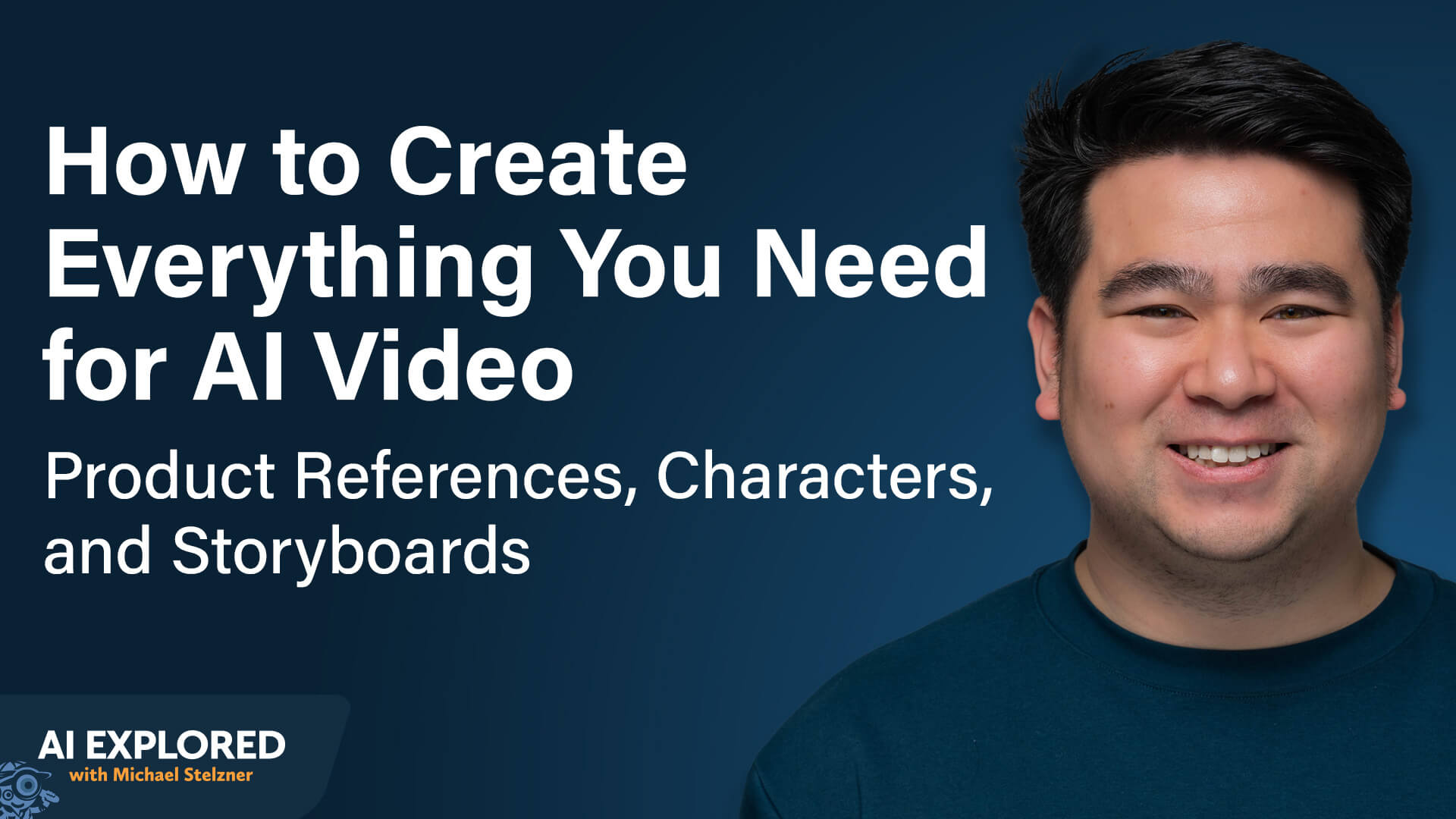
Building a reliable content engine requires transitioning away from ad-hoc, siloed generation toward a structured, sequential pipeline. Industry leaders emphasize a five-stage maturity model that bridges the gap between chaotic experimentation and systematic brand execution.
Phase 1: Establishing the Brand Foundation
Before a single prompt is typed or an image is generated, the underlying rules of the brand must be rigorously defined. AI systems are mirrors of human intent; if fed vague parameters, they will produce erratic, disjointed results. Marketers must first codify their core visual elements: exact color palettes, typography rules, logo placements, and stylistic guardrails.
For organizations struggling with fragmented assets—such as a fashion label with a logo, scattered product shots, and vague color preferences—specialized alignment tools like CoreDesigner have become vital. CoreDesigner ingests existing brand touchpoints, website screenshots, and raw imagery to synthesize a formal, comprehensive style guide. This baseline serves as the bedrock for all subsequent AI generations, ensuring strict visual continuity across diverse output channels.
Phase 2: Building Comprehensive Reference Assets
Consistency in AI generation is entirely dependent on the quality of the reference inputs provided to the model. Professional workflows separate these assets into two distinct categories: product references and human likenesses.
- Product Reference Sheets: Studio-quality photography is no longer a strict prerequisite for generating high-end product assets. Modern models require enough visual data to understand a product’s precise geometry, form factor, and branding. Marketers utilize multi-angle composite prompting frameworks—instructing models via structured prompts like, "Please create a product sheet for my product using the attached images to show multiple angles and use cases"—to establish a standardized visual reference sheet. This sheet then dictates the parameters for all downstream content within that session.
- Human Likeness and Character Sheets: Replicating human models with absolute consistency presents a far greater challenge due to the immense complexity of facial expressions, lighting angles, and anatomical subtleties. Creators leverage smartphone cameras to capture a wide-angle array of expressions—ranging from a neutral resting face to dynamic emotional states like determined, curious, or smiling with visible teeth. Compiling these into a master character sheet prevents models from distorting facial structures when rendering unfamiliar emotions, thereby ensuring the digital persona remains instantly recognizable across varied marketing assets.
Phase 3: Storyboarding via Image Generation
One of the most costly missteps in modern media production is jumping straight into video generation. Video models are resource-heavy, expensive in terms of computational credits, and painfully slow to iterate compared to their still-image counterparts. A professional workflow always prioritizes image-first storyboarding.
Creators can generate roughly one hundred distinct image variations in the time it takes to process a fraction of that volume in video. By placing the established character and product reference sheets into targeted, sequential scenes using rapid image engines, marketers map out the entire narrative arc. This stage allows creative directors to experiment, discard ineffective visual styles, and perfect lighting and composition cheaply before committing valuable video-generation resources.
Phase 4: Transforming Storyboards into Dynamic Video
Once the visual narrative has been locked down through high-fidelity images, the transition to motion becomes remarkably streamlined. Rather than forcing a video model to compute complex descriptions of characters, environments, and wardrobes from scratch, modern video engines ingest the storyboard images as direct inputs.
Tools such as Seedance 2.0 and Kling 3.0 accept multiple reference images per prompt, seamlessly compositing the established character into dynamic environments. Because the visual context is already handled by the input images, the accompanying text prompts can focus exclusively on cinematic direction: camera tracking, focal length adjustments, pacing, and kinetic action.
Furthermore, advanced editing models like Omni Flash allow marketers to apply targeted, localized corrections—such as removing a rogue background object or altering a specific action—without forcing a full regeneration of the entire video sequence.

Supporting Context & Metrics: The State of AI Marketing Integration
To understand why workflow optimization is so critical for modern enterprises, one must examine the broader operational landscape of the industry. Data drawn from comprehensive global marketing surveys reveals a striking paradox: while generative AI adoption is nearly ubiquitous, structured institutional support remains remarkably low.
- The Self-Taught Majority: According to extensive industry benchmarks evaluating hundreds of active digital marketers, 85% of professionals learn AI applications entirely through independent experimentation.
- The Training Gap: Only 7% of organizations provide formal, company-sponsored AI training programs to their marketing departments.
- Out-of-Pocket Investment: Demonstrating a high degree of individual initiative, more than half of surveyed marketers use their own personal funds to subscribe to necessary creative software and platform tools.
This DIY approach has created an urgent demand for platform consolidation. Rather than locking corporate or personal budgets into isolated, single-feature subscriptions—which quickly drains resources and fragments workflows—industry experts strongly advocate for AI platform aggregators.
Platforms like Magnific have emerged as operational hubs by integrating the API endpoints of dozens of leading image and video models under a single interface. Utilizing node-based canvas environments (such as Magnific’s "Spaces"), marketers can link disparate generation engines, audio synthesis tools (like ElevenLabs), and editing models into unified, automated batch-processing pipelines. This architectural shift allows creators to run dozens of creative iterations simultaneously, drastically reducing production overhead.
Official Statements and Industry Perspectives
The rapid evolution of generative models has forced a cultural reckoning within creative agencies. Reflecting on the democratization of high-end production capabilities, Jerrod Lew highlights both the newfound empowerment of solo creators and the enduring importance of human creative direction:

"The biggest misconception in AI image and video is the belief that pressing one button produces something worthy of a major ad campaign. The polished clips in AI tool launch videos are typically made by people with professional film backgrounds who have spent hours on them. They used teams. They had a creative vision before they ever opened the software."
Lew notes that while these platforms fundamentally lower the technical barrier to entry—allowing individuals with writing backgrounds or product concepts to produce cinematic visuals directly from a laptop or mobile phone—they do not replace the fundamental need for a cohesive brand narrative.
On the technological front, major platforms are rapidly adapting to these workflow demands. Recent platform rollouts from enterprise leaders reflect a decisive pivot toward project-based management and conversational direction. Google’s creative production environment, Google Flow, now aggregates generated assets, character references, and brand guidelines into single, shareable project environments. Simultaneously, advanced multimodal architectures like Omni Flash are shifting user interactions away from rigid parameter tuning toward natural language creative direction—allowing marketers to operate software as though communicating with a seasoned human creative director.
Future Outlook: The Next Frontier of AI Content Systems
As generative AI continues its rapid maturation, the competitive advantage in marketing will no longer belong to those who merely know how to write a clever prompt. Instead, dominance will be defined by operational efficiency, systemic brand consistency, and the mastery of modular content pipelines.
Looking ahead over the next 18 to 36 months, several critical trends are poised to redefine the digital marketing workspace:
- Native Multimodal Synchronization: Future generation models will increasingly unify text, high-definition visual imagery, spatial audio, and character dialogue into single-pass generational outputs. This will largely eliminate the need to stitch together separate visual and acoustic pipelines.
- Enterprise-Grade Workspace Integration: AI generation and editing layers will embed directly into foundational office productivity suites—such as word processors, presentation software, and collaborative document clouds—making real-time asset generation a standard corporate utility.
- Automated Brand Governance: As tools like CoreDesigner and platform aggregators evolve, automated brand guardrails will actively intercept and correct out-of-spec AI generations before they ever reach a human reviewer, ensuring absolute brand safety at scale.
For marketing leaders and forward-thinking creators, the mandate is clear: abandon the scattershot approach of single-prompt experimentation. By investing in robust brand foundations, meticulous reference asset libraries, image-first storyboarding, and consolidated platform aggregators, organizations can turn the chaotic promise of generative AI into a reliable, high-performance content engine.