Executive Overview
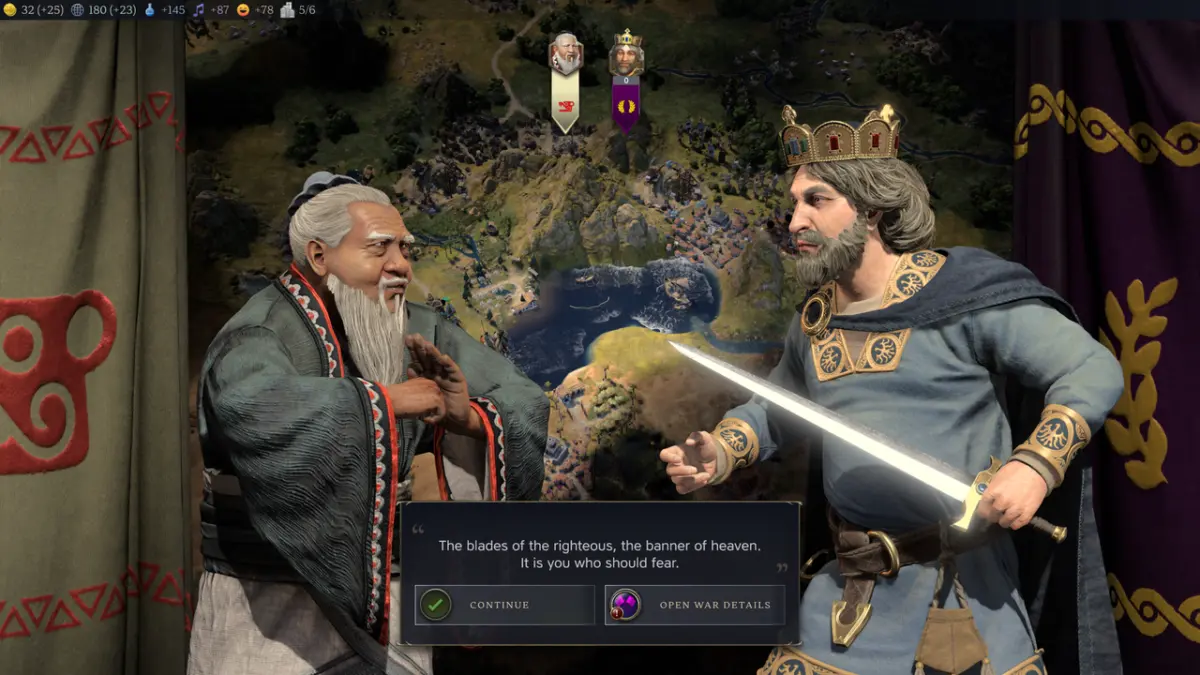
For strategy gaming enthusiasts seeking a way to occupy their long holiday weekends, Firaxis Games and Take-Two Interactive have dropped a timely lifeline—or perhaps a calculated tactical maneuver. Following a tumultuous launch and a subsequent year-and-a-half spent attempting to fix core design missteps, Sid Meier’s Civilization VII is currently available to play entirely for free on Steam through September 10.
For a franchise that has historically commanded an almost religious devotion among turn-based strategy aficionados, the current state of Civilization VII represents a fascinating, cautionary study in iterative game design. Since its early 2025 release, the title has weathered severe community backlash, widespread complaints regarding user interface (UI) design, performance hitches, and radical changes to foundational gameplay loops that alienated a significant portion of its long-term player base.
Yet, as Firaxis continues to roll out sweeping overhauls—most notably a major patch in May that drove a temporary spike in concurrent users—the studio is betting that a "try before you buy" promotion, coupled with steep 50% discounts running through September 17, can convince hesitant strategy veterans to finally leave older entries behind. With concurrent player counts on Steam still remarkably neck-and-neck with the 16-year-old Civilization V, the stakes for the franchise have never been higher.
Detailed Chronology: From Bumpy Launch to Desperate Overhauls
When Civilization VII made its long-awaited debut in early 2025, the expectations carried by the global gaming community were astronomical. As the latest entry in one of PC gaming’s most storied and enduring franchises, it bore the responsibility of evolving a formula that had been perfected, iterated upon, and cherished for decades.
However, the honeymoon phase was notably brief. Within days of its launch, social media channels, forums, and community hubs like Reddit were inundated with grievances. While some players praised Firaxis for attempting bold mechanical risks, the broader community met the changes with hostility. The most prominent early criticisms targeted a radically altered game structure, unfamiliar progression systems, and a user interface that many users described as unintuitive, cluttered, and a regression from the clean design of Civilization VI. Furthermore, technical optimization issues plagued systems of all specs, leading to sluggish end-turn calculations and graphical stuttering.
Recognizing the severity of the backlash, Firaxis immediately shifted into damage control mode. The development team initiated a rigorous post-launch support cadence, pushing hotfixes and performance patches designed to stabilize the underlying engine and streamline the UI.
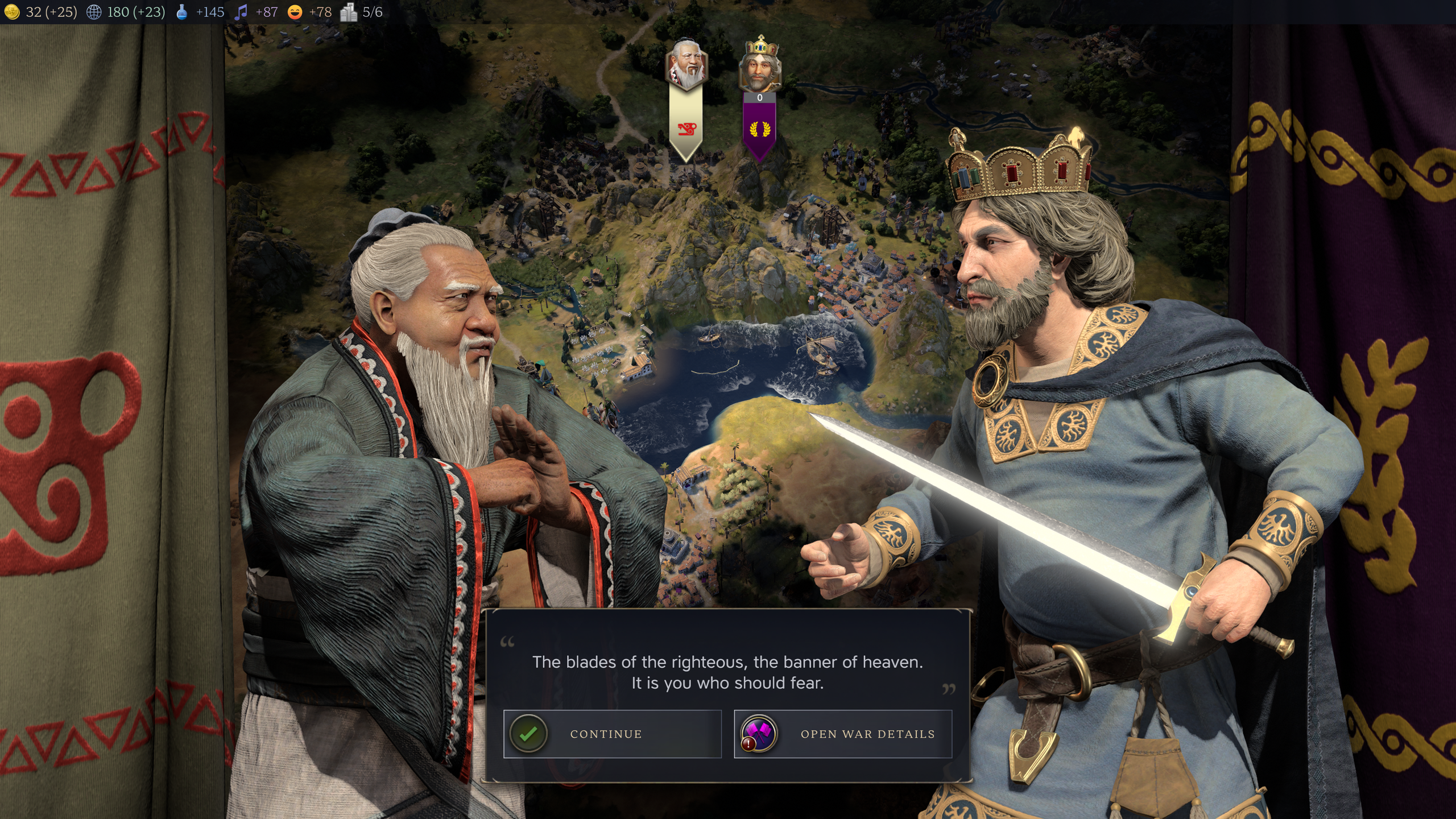
The turning point—or at least the most significant media event of the post-launch lifecycle—arrived in May, when Firaxis deployed a massive overhaul update. This comprehensive patch addressed several core complaints regarding pacing, resource management, and visual clarity. The update successfully injected new life into the game, resulting in the title’s highest Steam player count in over a year. However, the reception remained fiercely polarized. While proponents lauded the developers for listening to critical feedback and genuinely improving the macro-gameplay loop, traditionalists remained unswayed, arguing that the fundamental DNA of the game had strayed too far from the classic Civ identity.
Supporting Context & Metrics: Fighting Ghosts of the Past
To truly understand the existential pressure facing Civilization VII, one must examine the cold, hard metrics provided by analytics platforms like SteamDB. Despite being the newest, most graphically advanced iteration in the franchise, Civ 7 sits comfortably in the "Mixed" tier on Steam, holding a modest 48% positive user review score.
More alarmingly for Take-Two Interactive and Firaxis, the game’s concurrent player numbers routinely run neck-and-neck with Civilization V—a game released over a decade and a half ago. While Civ 5 and Civilization VI have cultivated mature, heavily modded, and intensely loyal player bases, the stubborn refusal of the community to migrate en masse to Civ 7 highlights a deep fracture in the player community.
[Historical Steam Activity Snapshot]
- Civilization V: Retaining a remarkably stubborn, steady baseline of veteran players.
- Civilization VI: Maintaining a healthy, massive active audience due to complete expansions.
- Civilization VII: Experiencing sharp spikes during major updates (such as May), followed by gradual stabilization.
This phenomenon underscores a recurring challenge in long-running strategy franchises: the "sequel paradox." When a developer introduces sweeping systemic overhauls—such as altered mechanics for empire expansion, civic progression, or leader deployment—they risk alienating players who preferred the precise tuning of the previous iteration. For Civilization VII, the free-to-play weekend is not merely a promotional gimmick; it is an aggressive, necessary recruitment drive designed to pull fence-sitters out of Civ 5 and Civ 6 lobbies and expose them directly to the fruits of the development team’s labor over the past eighteen months.
Financial Incentives and Promotional Strategy
For players who log in during the free weekend and discover that the cumulative updates have finally aligned with their strategic tastes, Firaxis has sweetened the pot with aggressive pricing structures.
From now until September 17, both the Standard and Deluxe editions of Civilization VII are marked down by a full 50%:
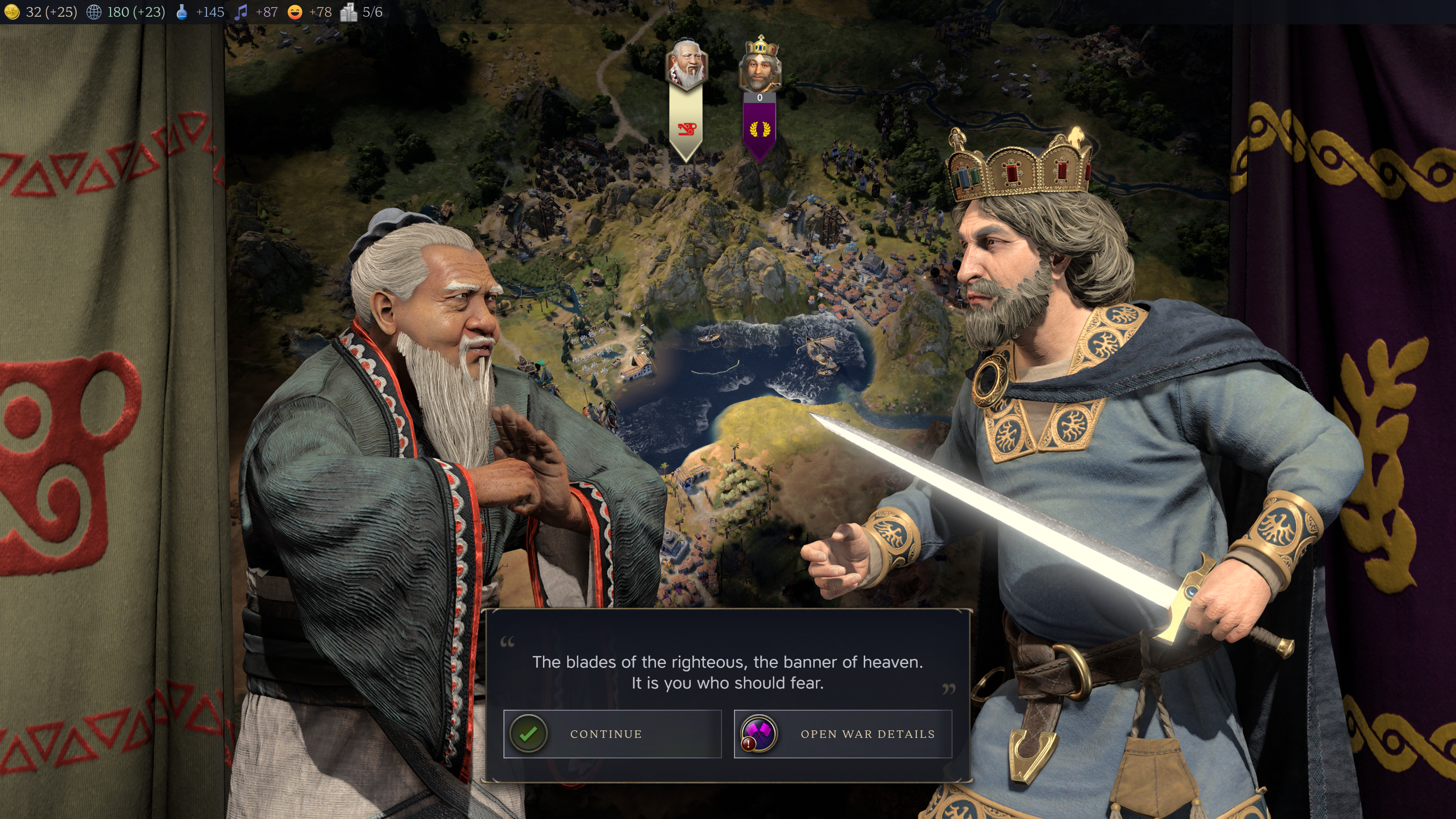
- Standard Edition: Reduced to $35 / £30 / €35
- Deluxe Edition: Reduced to $50 / £45 / €50
This half-price window serves as a psychological safety net for skeptical consumers. At full retail price, purchasing a game with a "Mixed" Steam rating demands a high degree of financial trust. By lowering the barrier to entry—first through zero-dollar access until September 10, and subsequently through a steep discount lasting another week—the publishers are effectively acknowledging past friction points while providing an economic incentive to forgive and forget.
Official Statements and Future Outlook
As the dust settles on the promotional launch, the development team is preparing to pull back the curtain on what lies ahead for the franchise. A dedicated segment of the Civilization VII development team is scheduled to host a live-streamed panel from PAX on September 5.
During this broadcast, developers are expected to outline the roadmap for the remainder of 2025 and beyond. While specific details have been kept under tight wraps, the industry anticipates announcements regarding forthcoming expansions, targeted balancing passes based on telemetry data gathered during recent months, and potential UI enhancements designed to appease lingering critics.
Fans interested in tuning into the future direction of the empire-building simulator can catch the broadcast live across multiple platforms, including YouTube, Twitch, and Facebook, on September 5.
Conclusion
The path forward for Civilization VII remains steep, but the strategies deployed this week demonstrate a proactive, communicative development studio willing to fight for its community’s trust. Whether a weekend of free access will be enough to turn the tide of public opinion—and finally convince the stubborn holdouts of Civilization V to pack up their historical artifacts and move forward—remains one of the most compelling narratives in modern strategy gaming. One thing is certain: for the next few days, empires will rise, fall, and cost absolutely nothing to build.