Executive Overview
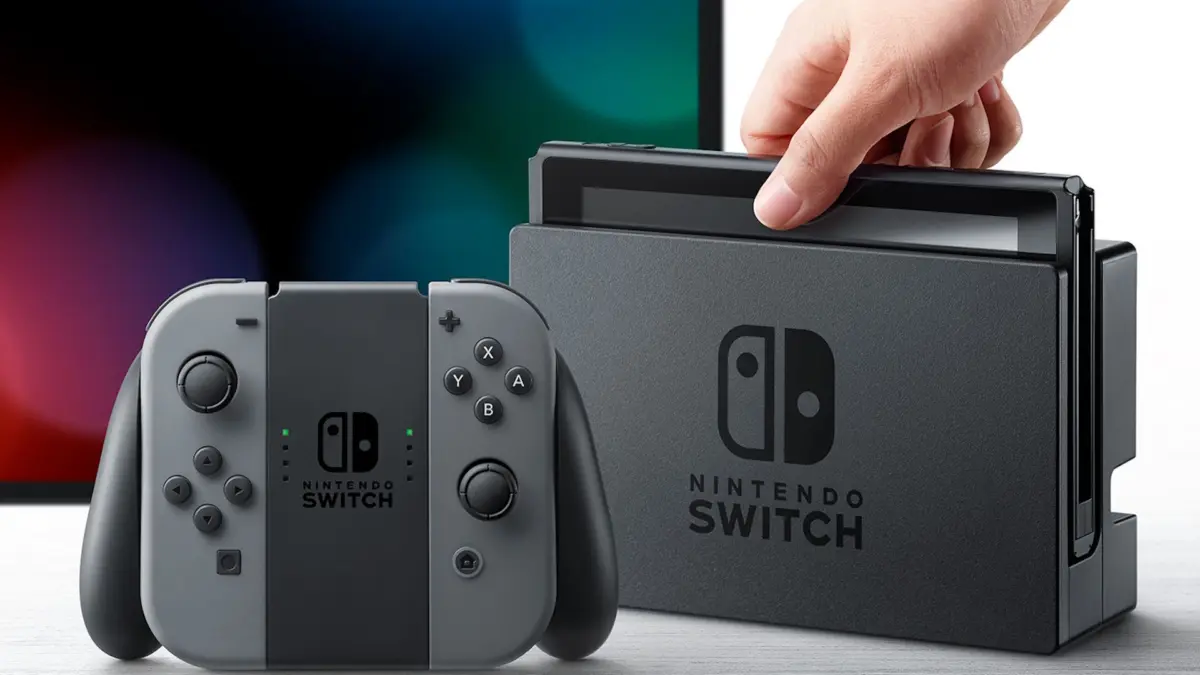
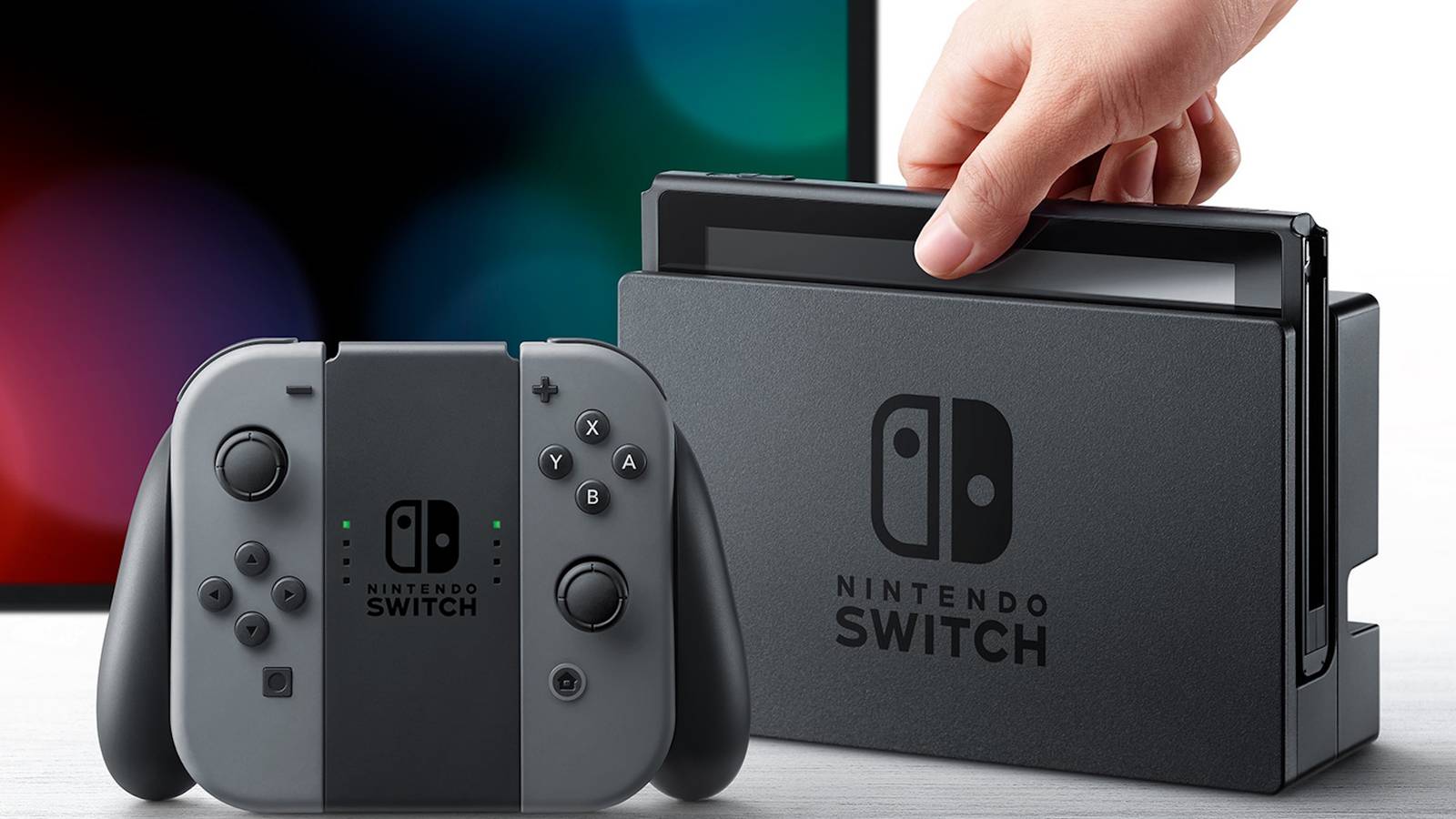
With a sprawling library encompassing thousands of physical releases and an even larger digital marketplace accessible via the Nintendo eShop, the Nintendo Switch has cemented its legacy as one of the most diverse and commercially successful gaming platforms in history. However, this immense abundance is a double-edged sword. As digital storefronts become increasingly cluttered and physical shelves swell with new inventory, visibility remains the ultimate bottleneck for independent and mid-tier developers.
Countless masterclasses in game design, innovative puzzle mechanics, and genre-bending crossovers have quietly slipped through the cracks of mainstream cultural awareness. While mega-franchises like The Legend of Zelda, Super Mario, and Pokémon command the lion’s share of consumer attention and global sales figures, a wealth of near-perfect titles remains critically underplayed.
This retrospective examines ten exceptional, platform-defining Nintendo Switch games that failed to capture the mass-market spotlight upon their initial debuts. Spanning physics-based puzzlers, rhythm-infused role-playing hybrids, high-octane futuristic racers, and narrative-driven sports adventures, these hidden gems represent the absolute best of what the hybrid console has to offer—desperately demanding rediscovery by players seeking experiences off the beaten path.
Detailed Chronology & Game Breakdown
To understand how these titles were overshadowed, we must journey backward through the timeline of the Nintendo Switch’s lifecycle, examining each game’s release window, developer pedigree, and unique gameplay mechanics that justified their near-perfect critical standing.
10. Fast RMX (March 2017)
- Developer: Shin’en Multimedia
- Significance: Launch Window Showcase
Kicking off the Switch’s commercial journey in March 2017, Fast RMX was one of the premier indie titles available right out of the gate. Inheriting the high-speed DNA of Shin’en Multimedia’s previous cult-classic racing titles on Wii and Wii U, Fast RMX served as spiritual successor to beloved futuristic sci-fi racers like F-Zero and Wipeout. Combining all the tracks and downloadable content from Fast Racing Neo alongside brand-new courses tailored specifically for the Switch, the game delivered staggering visual fidelity and breakneck velocity.
Despite its brilliance—and the subsequent greenlighting of its successor, Fast Fusion, for future hardware—the title struggled to maintain long-term cultural mindshare outside hardcore racing enthusiasts. Aggressive computer-controlled opponents and frustrating rubber-banding mechanics occasionally marred an otherwise pristine arcade experience, yet its blazing frame rate and phase-shifting color-matching gameplay remain essential for anyone yearning for high-speed thrills.

9. Golf Story (September 2017)
- Developer: SideBar Games
- Significance: The Indie RPG Breakthrough
Months after the console’s launch, SideBar Games released Golf Story, a title that deceptively marketed itself as a simple sports simulator while executing something entirely revolutionary. Channeling the nostalgic, sprite-based aesthetic of 16-bit role-playing games and drawing clear inspiration from classics like Mario Golf on the Game Boy Color, Golf Story told an earnest, hilarious narrative about a golfer chasing a final shot at redemption.
Players traversed diverse open-world environments, interacted with eccentric characters, solved environmental puzzles using golf mechanics, and engaged in deep narrative progression. While it became an early indie darling, its long-term footprint was often eclipsed by massive first-party blockbusters arriving in the same era. For those seeking an inventive blend of narrative charm and classic mechanics, it remains a gold standard.
8. The Stretchers (November 2019)
- Developer: Tarsier Studios / Nintendo
- Significance: Cooperative Physics Chaos
Best known for crafting the dark, atmospheric horror of Little Nightmares, Tarsier Studios pivoted wildly with The Stretchers, a slapstick, physics-based cooperative puzzle game published directly by Nintendo. Centered around a pair of bumbling paramedics navigating an open world to haul dazed, chaotic patients onto stretchers, the game was custom-built for local multiplayer shenanigans.

Its charming, Saturday-morning-cartoon art style and unconventional level design delivered continuous laughter. Yet, because of its quiet, unceremonious digital launch and short campaign length, it largely bypassed the public consciousness, remaining an elite hidden gem for cooperative gaming duos.
7. Cadence of Hyrule: Crypt of the NecroDancer (June 2019)
- Developer: Brace Yourself Games / Nintendo
- Significance: The Ultimate Crossover Experiment
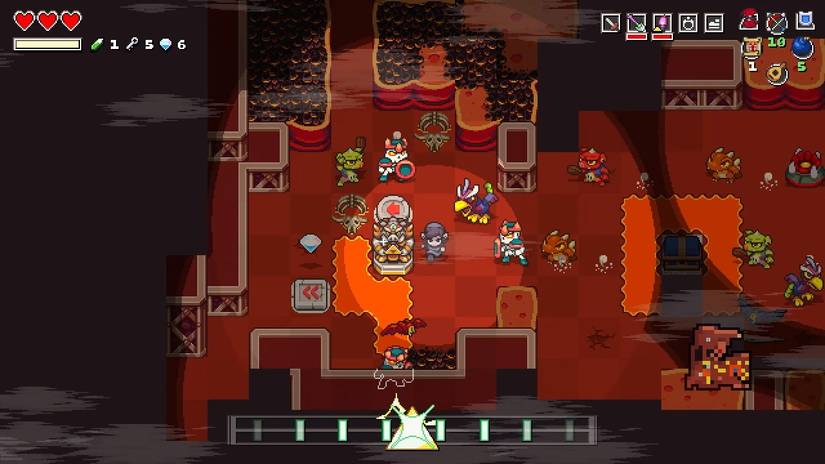
While Brace Yourself Games’ original Crypt of the NecroDancer found a dedicated following across multiple platforms, its Nintendo Switch-exclusive spin-off, Cadence of Hyrule, elevated rhythm-based dungeon crawling to artistic heights. Fusing the iconic lore, characters, and musical motifs of The Legend of Zelda: A Link to the Past with strict beat-matching mechanics, the game initially confounded players expecting traditional action-adventure freedom.
However, once players synced their movements to the driving electronic remakes of classic Koji Kondo compositions, Cadence of Hyrule revealed itself to be a masterclass in design. Widely argued by critics to be one of the finest video game spin-offs ever conceived, its footprint remains surprisingly modest compared to mainline Zelda entries.
6. Astral Chain (August 2019)
- Developer: PlatinumGames / Nintendo
- Significance: Platinum’s Underrated Masterpiece
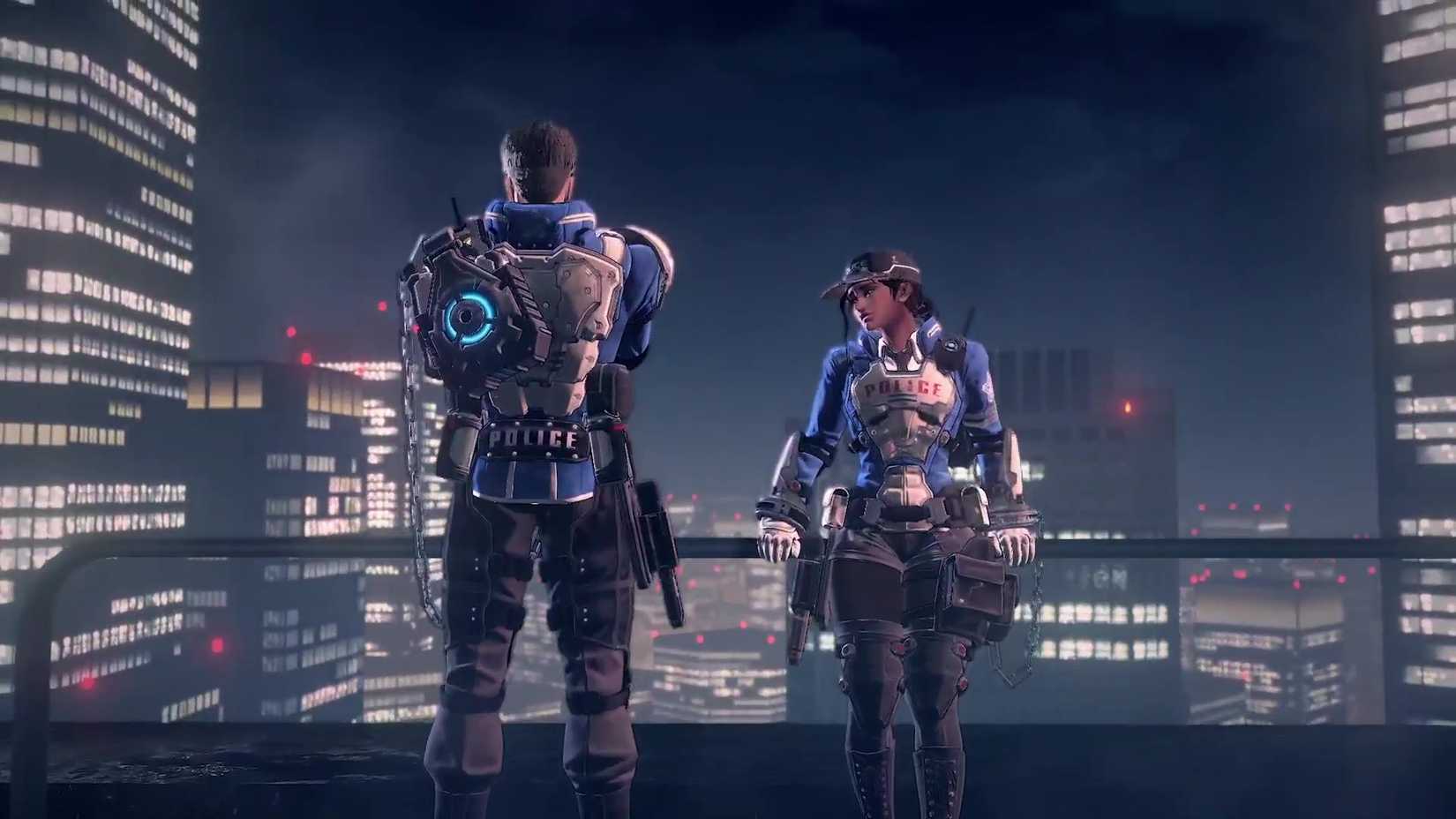
PlatinumGames holds legendary status among action enthusiasts for franchises like Bayonetta and NieR: Automata. However, their original intellectual properties often struggle against the commercial gravity of established IPs. Astral Chain, a cyberpunk masterpiece tasking a specialized police task force with utilizing biological weapons called "Legions" to battle interdimensional monsters, broke the mold by securing over a million sales—a healthy milestone for a niche studio.
Despite this, millions of Switch owners have neglected to experience its dual-character combat system, sophisticated sci-fi investigation sequences, and stylish aesthetic. It stands as one of the most mechanically rewarding action games of the modern era.
5. Vitamin Connection (January 2020)
- Developer: WayForward
- Significance: Asymmetric Co-op Innovation
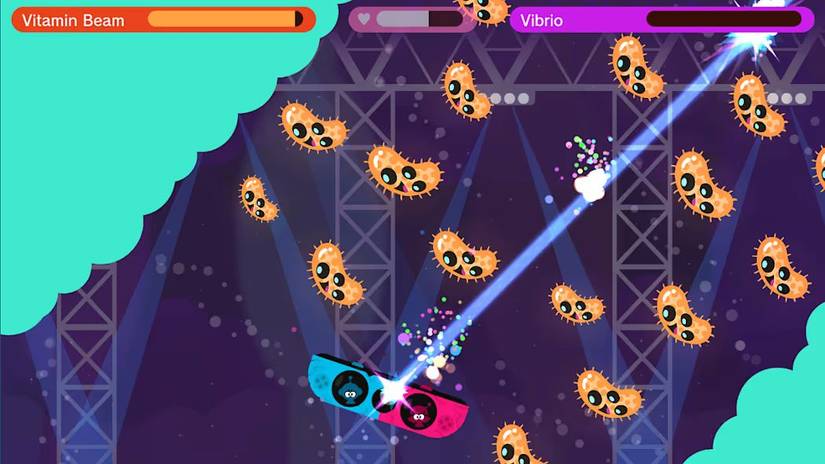
WayForward is historically celebrated for side-scrolling action platforms like Shantae, but Vitamin Connection represented a wildly creative diversion. Tasking players with guiding Vita-Boy and Mina-Girl inside a Joy-Con-shaped spacecraft to purge microscopic pathogens, the title was designed entirely around ingenious asymmetric multiplayer.
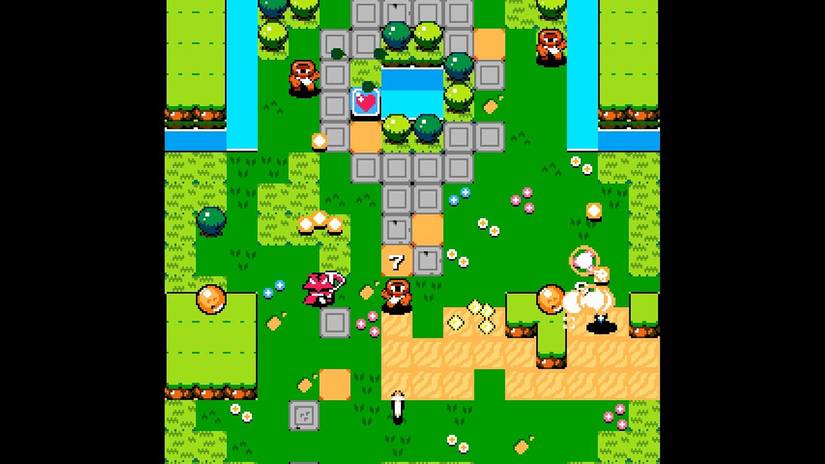
While one player holds a Joy-Con vertically to pilot and shoot, the other rotates and aims horizontally. This clever utilization of Nintendo’s unique hardware architecture resulted in an endearing, highly replayable co-op adventure that showcased the true creative potential of the platform’s controllers.
4. Shinsekai: Into the Depths (March 2020)
- Developer: Capcom
- Significance: Atmospheric Metroidvania Exploration
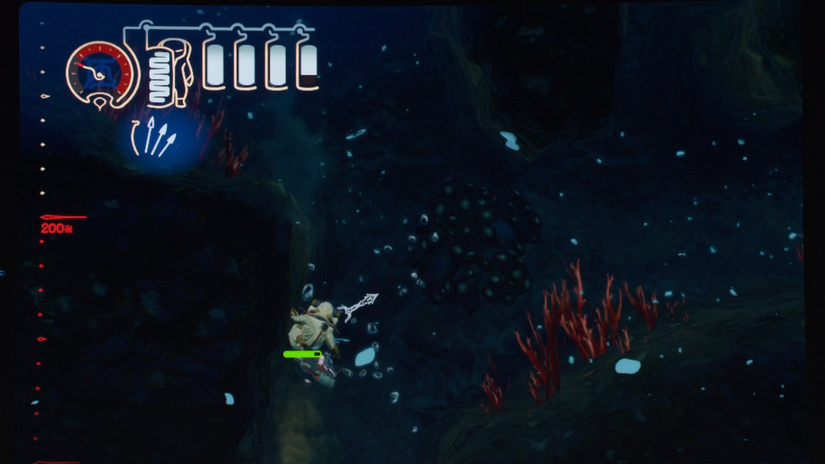
Originally conceived as an Apple Arcade exclusive, Capcom’s port of Shinsekai: Into the Depths to the Nintendo Switch brought a moody, isolating oceanic survival experience to console gamers. Navigating the ruined, flooded remnants of a post-apocalyptic Earth, players had to meticulously manage fragile oxygen reserves while dealing with aggressive marine life and environmental hazards.
Anchored by brilliant Metroidvania progression and haunting acoustic sound design, the game suffered from low initial visibility due to its mobile origins. Those who overlooked its roots, however, discovered an atmospheric triumph.
3. Good Job! (March 2020)
- Developer: Paladin Studios / Nintendo
- Significance: Corporate Destruction as Art
Released as a sudden, unexpected shadow-drop courtesy of Nintendo, Dutch developer Paladin Studios’ Good Job! transformed mundane office administration into a sandbox of physics-based destruction. Players were tasked with solving corporate puzzles—such as connecting cables or moving heavy office equipment—by any means necessary, usually resulting in shattered glass walls, demolished drywall, and general workplace chaos.
Complete with brilliant satirical jabs at corporate culture and nepotism, the game’s high replayability and chaotic multiplayer modes made it an instant classic for anyone willing to embrace controlled digital anarchy.
2. Part Time UFO (October 2020)
- Developer: HAL Laboratory
- Significance: Mobile-to-Console Perfection
Best known as the legendary stewards behind Nintendo’s Kirby franchise, HAL Laboratory stepped outside their comfort zone with Part Time UFO, a physics-based puzzle game previously restricted to mobile devices. Ported to the Switch with expanded cooperative modes and new gameplay challenges, the title cast players as an adorable, crane-wielding extraterrestrial taking on odd jobs—from building museum dinosaur skeletons to loading livestock onto farming trucks.
Because the mobile iterations were ultimately discontinued, the Nintendo Switch version remains the definitive, permanent home for one of the most charming puzzle games of the decade.
1. Demon Throttle (July 2022)
- Developer: Doinksoft / Special Reserve Games
- Significance: The Physical-Only Collector’s Item
Following up on their critically acclaimed indie debut Gato Roboto, developer Doinksoft executed a daring distribution strategy for Demon Throttle. Rejecting the digital marketplace entirely, publisher Special Reserve Games released the retro-styled vertical scrolling shooter exclusively as a physical cartridge.
Unavailable on the Nintendo eShop—even as part of The Doinksoft Collection—Demon Throttle functions as a genuine modern collector’s item. Evoking the golden age of arcade shooters and classic 8-bit cartridges, its scarcity has intentionally kept player numbers low, making it the ultimate holy grail for dedicated Switch historians.
Supporting Context & Market Metrics
To contextualize why these titles were overlooked, market analysts point toward the structural challenges of the Nintendo eShop ecosystem.
- The Discoverability Crisis: With over 5,000 titles populating the digital storefront by 2020, algorithmic curation heavily favored top-tier multi-platform releases and Nintendo first-party tentpoles. Mid-tier projects without multimillion-dollar marketing budgets were frequently buried past page ten of search results.
- Physical Preservation Shifts: Games like Demon Throttle prove that physical-only distribution strategies, while beloved by collectors, severely throttle immediate accessibility for digital-first consumers. Conversely, mobile ports like Part Time UFO and Shinsekai initially suffered from consumer biases regarding "mobile games" on dedicated hardware, requiring aggressive word-of-mouth to combat initial skepticism.
Official Statements & Industry Perspectives
Industry veterans and studio leads have frequently spoken out regarding the delicate balance of visibility on Nintendo’s platform.
In a retrospective industry panel discussing indie development on hybrid hardware, representatives from HAL Laboratory noted:

"When designing games that rely on physics and emergent gameplay like Part Time UFO, finding an audience isn’t just about making mechanics work; it’s about cutting through the noise of a platform that moves at lightning speed. Nintendo’s ecosystem is vast, but keeping smaller, high-craft titles visible requires continuous community championing."
Similarly, publishing partners involved with titles like Astral Chain and Cadence of Hyrule have repeatedly emphasized that while partnership with Nintendo provides immense developmental stability and prestige, the sheer shadow cast by historic franchises like The Legend of Zelda means innovative spin-offs must continuously fight for mainstream oxygen.
Future Outlook
As the gaming industry shifts its gaze toward next-generation hardware horizons—including the anticipated successor to the Nintendo Switch—the legacy of these near-perfect hidden gems offers a vital lesson in software appreciation.
While upcoming systems will inevitably introduce new graphical capabilities, high-speed architectures like Fast Fusion, and expanded online ecosystems, the foundational brilliance of the Switch’s unheralded library serves as a reminder that innovation often thrives away from the spotlight. For gamers willing to look past the mainstream best-seller lists, these ten titles represent hours of polished, creative, and unforgettable experiences waiting to be unboxed.