Executive Overview
It has been precisely one month since the global launch of the iPhone 18 Pro, giving early adopters, mobile technology reviewers, and power users ample time to push Apple’s latest flagship device to its absolute limits. While annual smartphone iterations often feel incremental—marginalizing consumers with iterative spec bumps that fail to justify a yearly upgrade—the iPhone 18 Pro tells a profoundly different story. Apple’s latest engineering marvel approaches hardware design with an ethos of zero compromises, addressing historical pain points in battery efficiency, thermal dissipation, and optical hardware.
Over the past thirty days of rigorous, real-world testing, three defining features have consistently separated the iPhone 18 Pro from its predecessors: a vastly superior battery longevity that rivals historical Max models, a long-overdue and transformative main camera overhaul featuring a variable aperture, and a sophisticated new vapor chamber cooling architecture. Together, these upgrades do not merely refine the user experience; they fundamentally redefine what an everyday pocket-sized pro-tier device is capable of achieving. This comprehensive review examines the mechanics, real-world implications, and long-term significance of Apple’s most compelling iPhone release in years.
Detailed Chronology: A Month-Long Stress Test
To truly understand the value proposition of the iPhone 18 Pro, one must trace its performance across a structured timeline of deployment, ranging from the unboxing novelty phase to the grueling reality of everyday professional and personal use.
Week One: The Honeymoon Phase and Initial Impressions
During the initial week following its late-September release, the iPhone 18 Pro immediately established a commanding presence. Out of the box, setting up the device via iCloud restoration underscored the sheer speed of the internal processing architecture. Early battery calibration cycles—often a period where new iPhones run slightly warm as indexing and background cloud syncs occur—were remarkably subdued.
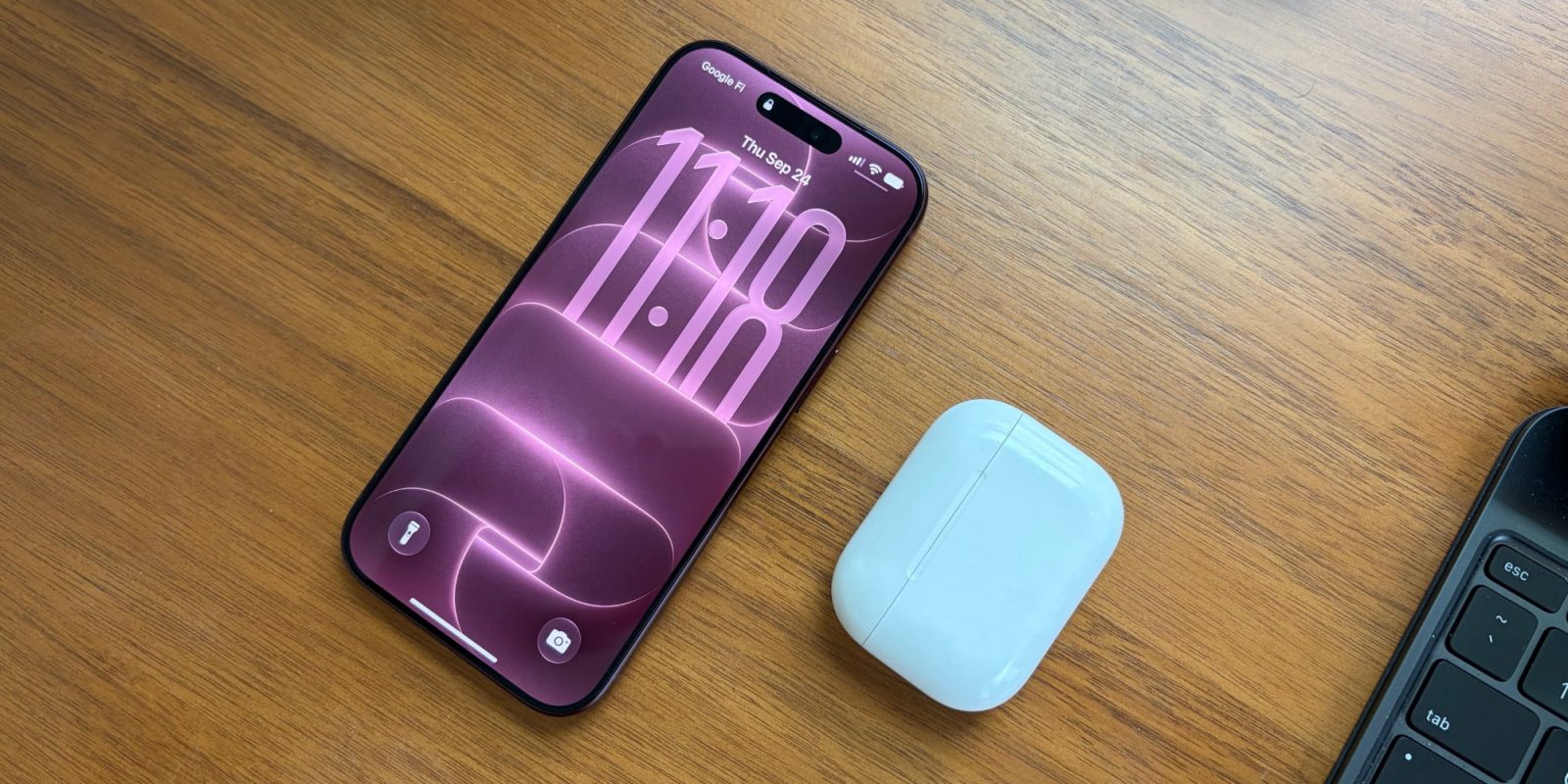
Reviewers and early adopters quickly keyed in on the device’s immediate stamina. Unlike previous generations, where the first few days required adaptive power management from the user, the iPhone 18 Pro cruised through heavy workflows—constant navigation, high-refresh-rate media consumption, and extensive camera roll capture—without breaking a sweat. It was during this first week that the phrase "zero compromises" began circulating among tech circles, capturing the sentiment that users no longer had to choose between a compact form factor and all-day endurance.
Weeks Two and Three: Pushing the Hardware Limits
As the novelty wore off, the device was subjected to unsparing day-to-day routines. This phase involved heavy outdoor usage under bright autumn sunlight, intensive multitasking, and prolonged multi-app sessions. Historically, this is the exact window where previous-generation iPhones begin to show thermal fatigue, throttling CPU performance and dimming display panels when exposed to direct heat.
The iPhone 18 Pro, however, maintained an eerie level of composure. Whether navigating busy urban environments while streaming lossless audio or capturing spontaneous 4K video clips, the chassis remained remarkably neutral to the touch. The newly introduced vapor chamber cooling system quietly did its job behind the scenes, ensuring that thermal bottlenecks became a relic of the past. Concurrently, the automatic variable aperture on the main camera began proving its worth, consistently delivering depth-rich, natural-looking imagery without requiring manual intervention from the shooter.
Week Four: The New Normal
By the end of the first month, the standout features of the iPhone 18 Pro ceased to feel like novelties and instead became the baseline expectation. Ending a long workday with 60% battery remaining transformed from an occasional pleasant surprise into a predictable constant. The anxiety of carrying a portable power bank or hunting for wall outlets vanished entirely. The device had seamlessly integrated into a high-demand workflow, proving that Apple’s architectural choices in silicon efficiency, thermal management, and sensor design were not just marketing talking points, but monumental leaps in practical engineering.
Supporting Context & Metrics: The Engineering Behind the Pro
To appreciate why the iPhone 18 Pro performs so dramatically better than its predecessors, one must analyze the specific metrics and technological shifts that power these three core pillars.
+-----------------------------------------------------------------+
|              IPHONE 18 PRO: PERFORMANCE METRICS                 |
+---------------------+-------------------------------------------+
| Battery Retention   | ~60% average remaining at end of day      |
| Main Camera Specs   | Variable Aperture (ƒ/1.48 to ƒ/1.8 sweet spot)|
| Thermal Solution    | Integrated Vapor Chamber Cooling Architecture |
| Form Factor         | Compact Pro footprint with Max-class stamina|
+---------------------+-------------------------------------------+
1. Battery Life: Defying the Laws of Compact Physics
When Apple first introduced the iPhone 18 Pro lineup, corporate comparisons boldly stacked its battery longevity directly against the iPhone 17 Pro Max—a device universally lauded for its unrivaled runtime, made possible by its massive physical footprint. Historically, consumers faced a binary choice: opt for the smaller, more ergonomic Pro model and accept compromised battery life, or purchase the unwieldy Max variant to ensure all-day power.
The iPhone 18 Pro shatters this paradigm. Through a combination of extreme power-efficiency gains in the A-series chip architecture and denser internal battery stacking, the device delivers staggering endurance. Real-world telemetry confirms that typical daily usage—comprising messaging, web browsing, social media feeds, and occasional mobile gaming—leaves the device sitting comfortably at roughly 60% charge by late evening.
For users who prefer a smaller handset, this removes a major psychological barrier. One is left to ponder the astronomical thresholds the larger iPhone 18 Pro Max must reach, but for the vast majority of consumers, the standard Pro model provides more than enough overhead to eliminate battery anxiety entirely.
2. The Main Camera Overhaul: The Power of Variable Aperture
For years, Apple’s annual camera announcements followed a predictable script: incremental software tweaks to the primary sensor, while the lions-share of hardware R&D went toward extending telephoto reach, widening ultra-wide fields of view, or upgrading front-facing selfie cameras. While these advancements were welcome, the Main camera—the workhorse sensor responsible for the vast majority of everyday point-and-shoot photography—remained relatively static in its physical optics.
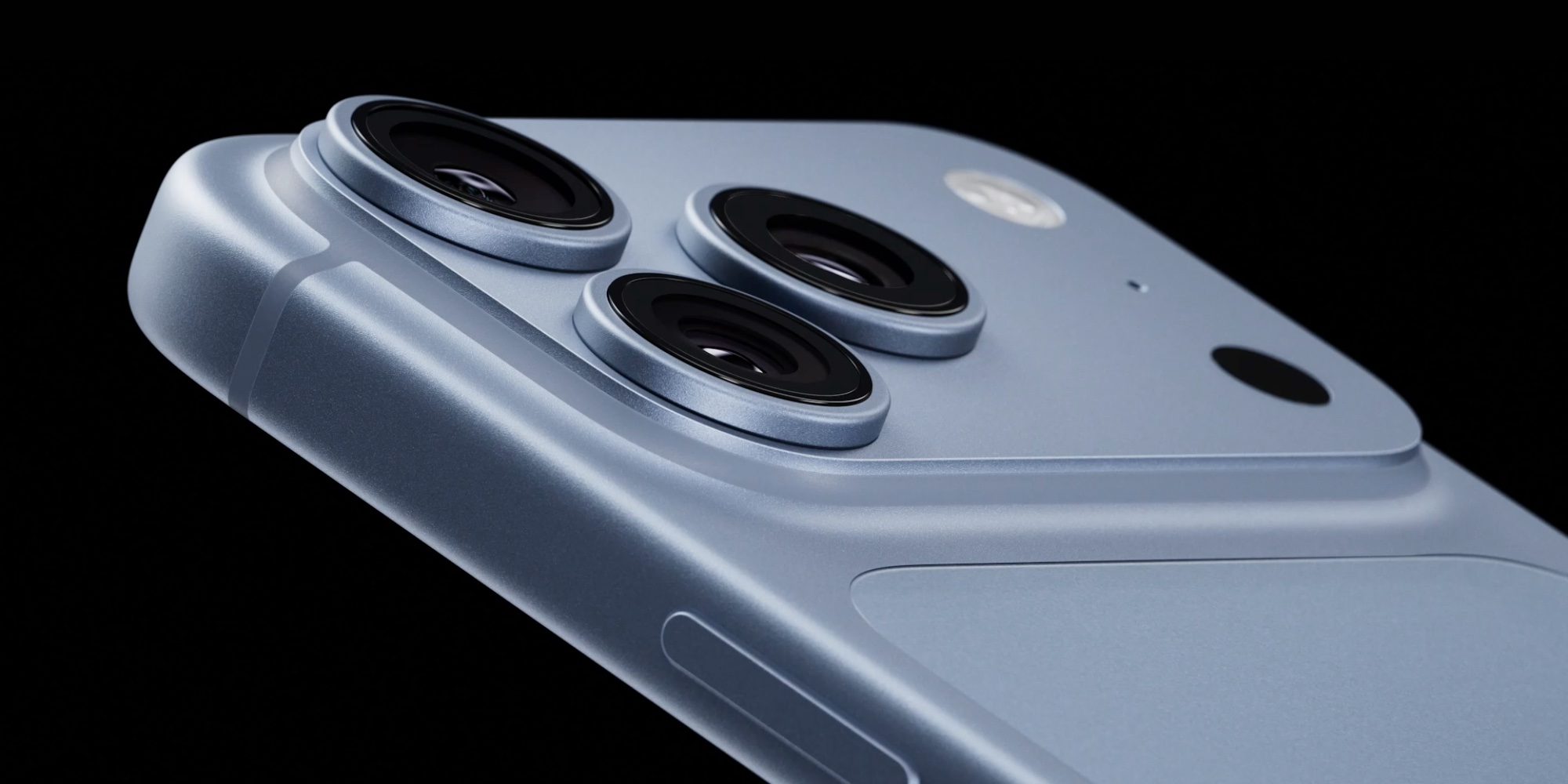
The iPhone 18 Pro changes this trajectory definitively by introducing a variable aperture system to the Main camera. For professional photographers, variable aperture is an indispensable tool for controlling depth of field and light intake. However, the true brilliance of Apple’s implementation lies in how it serves everyday users who possess zero professional photography training.
Operating entirely within the "Auto" setting, the camera dynamically adjusts between apertures like ƒ/1.48 and ƒ/1.8 depending on lighting conditions and subject distance. The result is an organic, pleasing optical depth of field that elevates casual snapshots into frame-worthy photographs. Users do not need to understand f-stops, shutter speeds, or manual focal lengths; the hardware effortlessly delivers superior optical clarity, richer background separation, and exceptional low-light performance automatically.
3. Thermal Dynamics: Vapor Chamber Cooling Comes of Age
Mobile processors have grown remarkably powerful, capable of rendering console-quality graphics and processing complex on-device machine learning models. However, raw power generates heat, and physics dictates that enclosed, fanless mobile devices will eventually throttle performance when temperatures spike.
In past generations, outdoor usage on bright, sunny days exposed this vulnerability. Users attempting to capture memories in warm climates frequently encountered sluggish camera apps, dimmed displays, and stuttering frame rates as the device struggled to dissipate accumulated thermal energy.
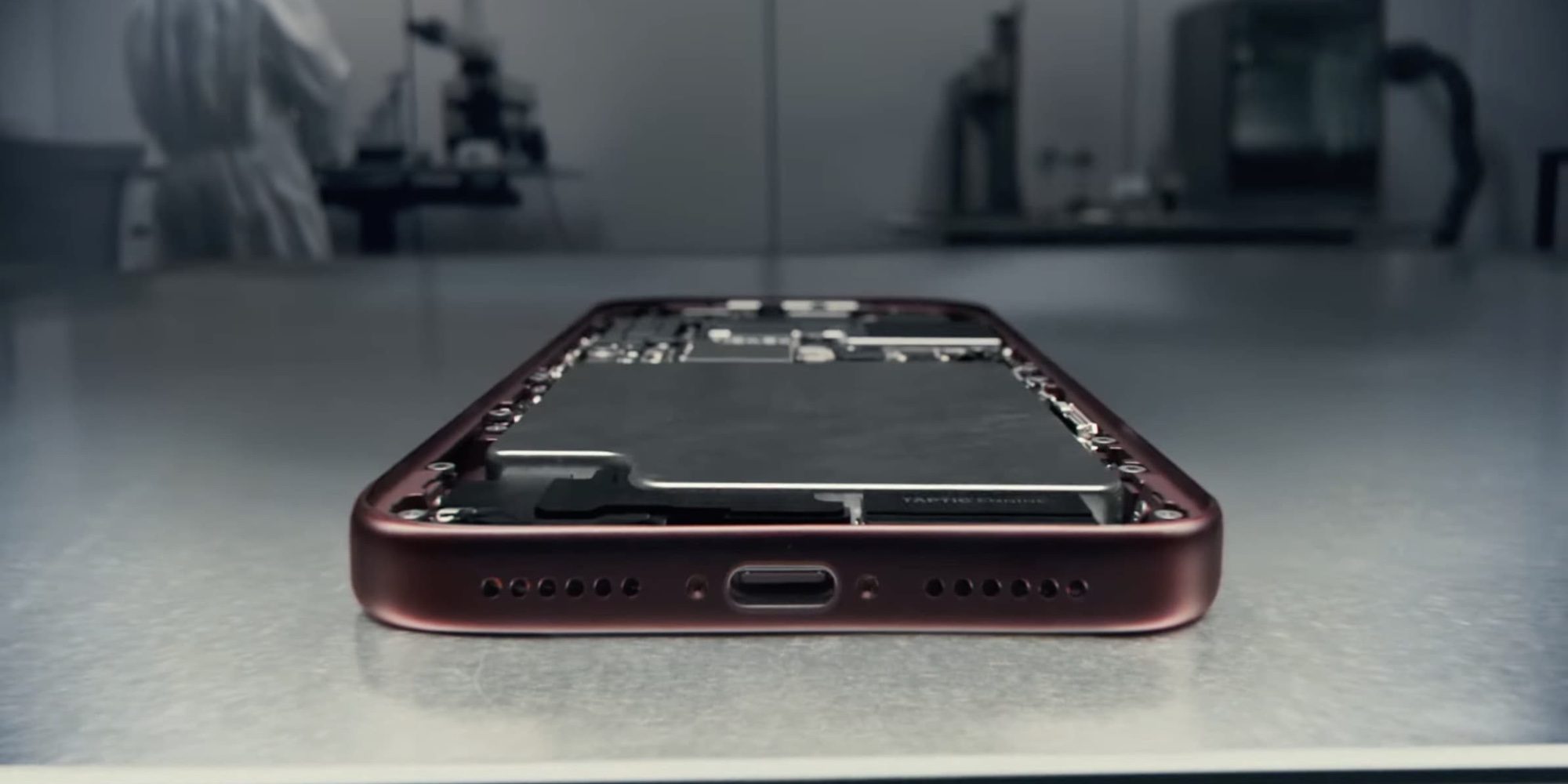
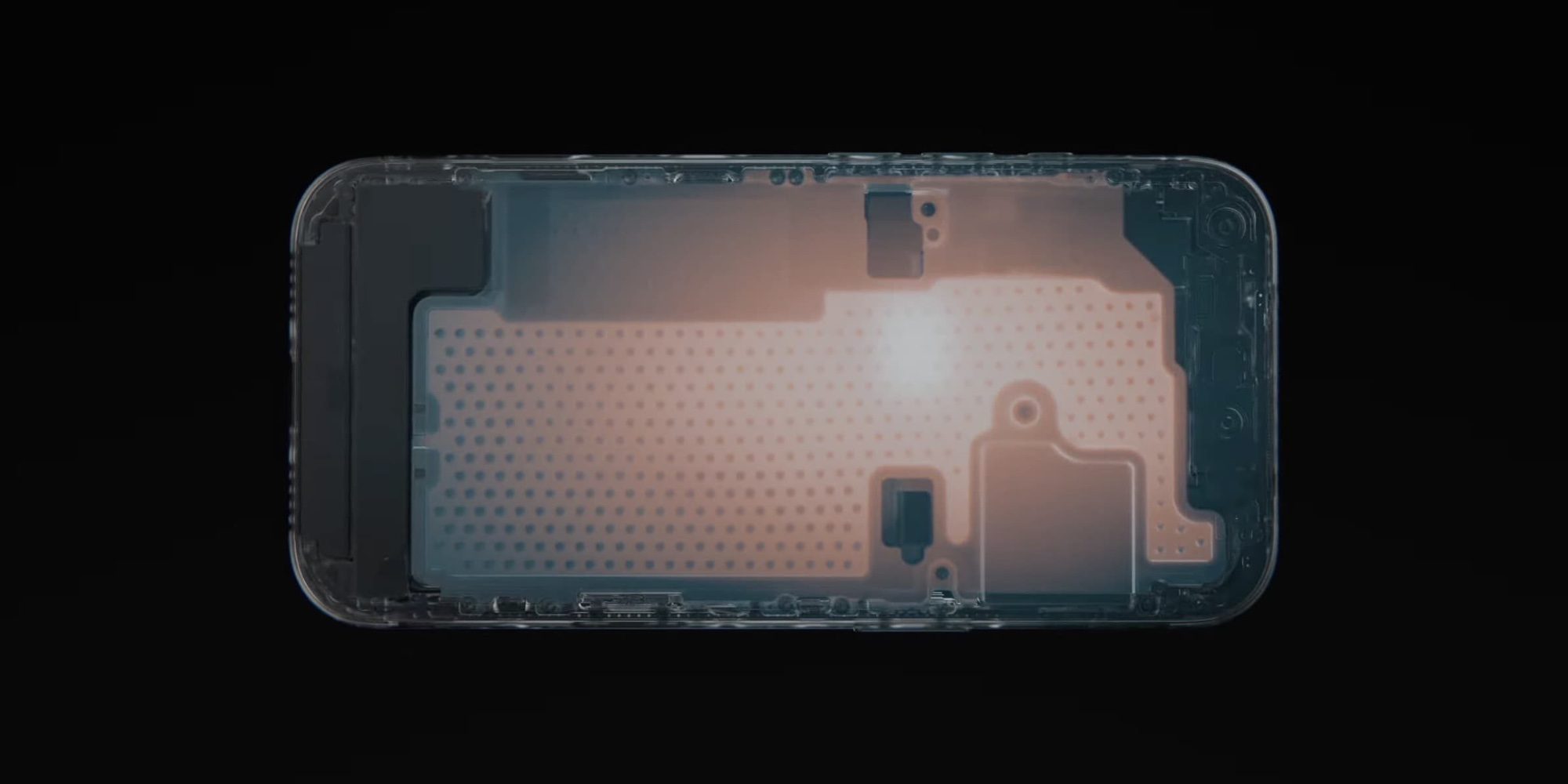
The iPhone 18 Pro solves this through the integration of a custom vapor chamber cooling system. By utilizing a sealed chamber containing a circulating fluid that vaporizes and condenses to transfer heat away from the core silicon, the phone maintains optimal operating temperatures under duress. While the exterior chassis may occasionally feel slightly warm during prolonged high-intensity tasks, internal performance throttling is virtually non-existent. The camera app opens instantly, recording runs smoothly, and the user experience remains uncompromised regardless of environmental conditions.
Official Statements and Industry Perspectives
Apple’s executive team has consistently framed the iPhone 18 Pro generation as a watershed moment in mobile computing architecture. During the product’s keynote unveiling, senior vice hardware engineering representatives emphasized that consumer feedback overwhelmingly pointed toward two conflicting desires: a desire for lighter, more pocketable devices, and an uncompromising demand for all-day enterprise-grade battery endurance.
Industry analysts have echoed these sentiments, noting that the inclusion of advanced thermal architectures like vapor chambers—previously restricted to specialized gaming smartphones—signals a maturation in how mainstream flagships handle sustained workloads. Furthermore, photographic experts have praised the democratization of variable aperture technology, noting that shifting the focus back to the primary sensor’s optical physics represents a more meaningful upgrade than simply inflating megapixel counts through aggressive computational cropping.

Consumer reception, mirrored across digital forums and tech communities, validates these executive statements. The consensus among early reviewers is that Apple has successfully engineered a device where no single feature feels like an afterthought or a marketing gimmick; every hardware inclusion solves a genuine, long-standing user complaint.
Future Outlook: Setting the Standard for the Next Decade
As the mobile industry looks toward the horizon, the iPhone 18 Pro establishes a formidable benchmark that competing manufacturers will struggle to match over the next product cycle. By successfully fusing Max-tier battery life into a compact Pro chassis, Apple has effectively neutralized the primary functional argument for purchasing oversized smartphones.
Moreover, the successful integration of a user-friendly variable aperture main camera and active vapor chamber cooling sets a new baseline expectation for what a flagship smartphone must deliver. Future iterations will undoubtedly build upon these foundations—perhaps expanding variable aperture capabilities to secondary lenses or refining thermal dissipation materials even further—but the iPhone 18 Pro will be remembered as the device that bridged the gap between raw technical capability and frictionless everyday utility.
For consumers currently weighing an upgrade from older iPhone iterations (such as the iPhone 14, 15, or even 16 series), the iPhone 18 Pro represents a generational leap forward. Whether driven by the desire for unyielding battery life, superior photographic depth, or thermal resilience under the sun, the device proves that Apple’s engineering team has entered an era defined entirely by zero compromises.