By Virginia Glaze
Updated: October 16, 2026
Executive Overview
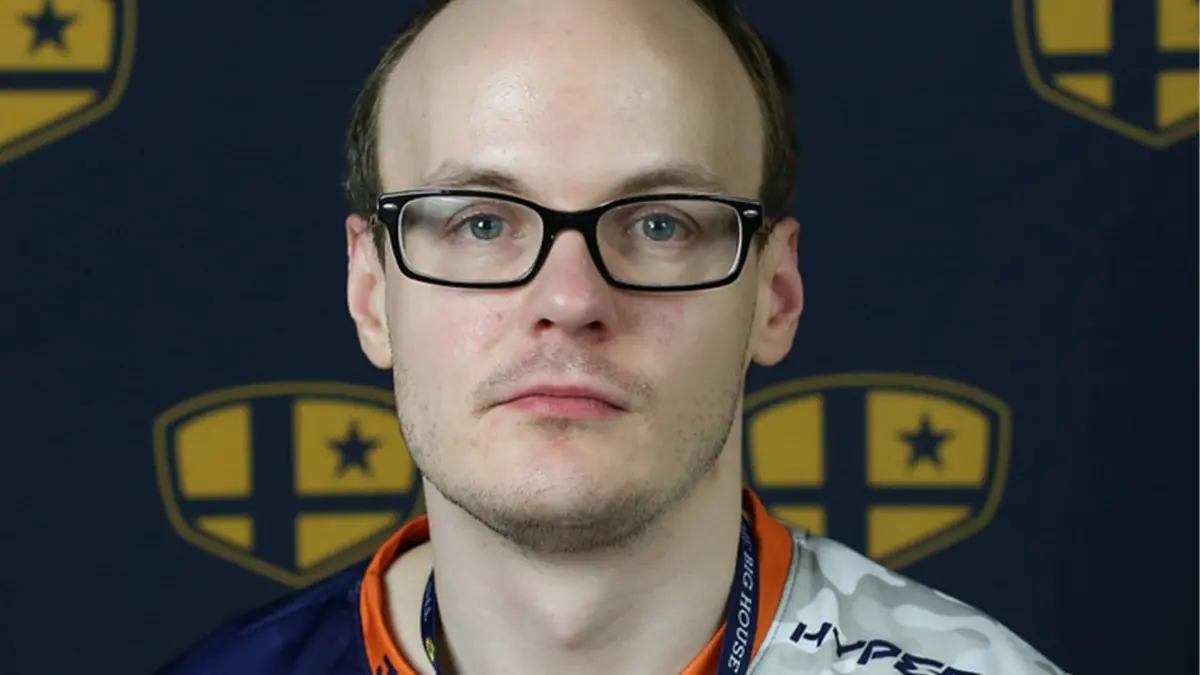
The competitive Super Smash Bros. community has found itself at the center of an unprecedented public health and hygiene controversy. Jason “Mew2King” Zimmerman, a legendary and pioneering figure within the global fighting game community (FGC), was barred from competing at the upcoming Xtreme Fighters Showdown (XFS) 2026 tournament in Texas. The abrupt disqualification came directly on the heels of a viral social media thread in which Zimmerman detailed a debilitating, long-term insect infestation in his home—sharing graphic photographs of severe, widespread skin lesions and inflammation across his limbs.
While Zimmerman attributed his symptoms to a mix of intensive Super Smash Bros. Melee practice routines—specifically citing strain from playing the character Fox—and relentless household bug bites, the online response was immediate and alarmed. Followers and medical observers quickly flagged the physical evidence as indicative of a severe bed bug or parasitic infestation.
As public panic escalated over the prospect of interstate travel and potential cross-contamination at a crowded convention space, tournament organizers took swift administrative action. Citing the absolute necessity to preserve public health, venue safety, and attendee well-being, XFS leadership enforced a strict exclusion policy.
This unfolding crisis underscores a growing tension within modern esports: the intersection of player welfare, living conditions, and the public safety obligations of tournament organizers. It also adds to a troubling string of recent bizarre, viral real-world incidents plaguing competitive gaming circuits globally, forcing event coordinators to re-evaluate their health, safety, and hygiene policies on the fly.
Detailed Chronology: From Social Media Overshare to Tournament Disqualification
The October 15 Disclosures
The sequence of events began on October 15, 2026, when Zimmerman took to Twitter/X to voice mounting physical discomfort as he prepared for a cross-country flight from his then-residence in Ohio to Texas. In a series of initial posts, the veteran competitor noted that his hands were noticeably swollen, discolored in pink and red hues, and uncharacteristically puffy. He debated whether the inflammation stemmed from intensive repetitive strain—a byproduct of playing high-intensity Super Smash Bros. Melee matches as Fox—or from daily insect bites sustained within his living quarters.
"My hands are slightly swollen (could be from all the SSBM Fox or from the bugs in the house that bite me each day), like pink/red and puffy/fatter than usual, is there a way to fix this ASAP? I'm boarding my flight to Texas now."
— Jason “Mew2King” Zimmerman
Rather than keeping the concerns private, Zimmerman escalated the thread by publishing visual evidence. The accompanying photographs displayed his hands alongside his right leg, the latter of which was visibly marred by clusters of angry, red, welt-like bumps.
Escalating Revelations and Public Shock
As engagement with the thread multiplied, Zimmerman offered increasingly concerning context regarding his domestic environment. He confessed that the physical manifestations were not isolated incidents but part of an ongoing, chronic ordeal.
"I had like a hundred of these on my body two months ago. Like, my entire body. This isn’t even nearly the worst picture, not even close," Zimmerman wrote in a subsequent post. He further added that he had "lived like that for all year, or recent months," explicitly pinning the blame on persistent, unaddressed pests inhabiting his house.
Within hours, the thread crossed the threshold from personal overshare to viral phenomenon. The FGC and broader gaming circles reacted with a mixture of shock, profound pity, and acute biological alarm.
The Bed Bug Panic
As the images circulated across major forums and social media aggregates, medical laymen and pest control enthusiasts alike zeroed in on a specific diagnosis: a heavy bed bug infestation. Commentators pointed out the characteristic linear and clustered formations of the bites, which are classic signs of nocturnal feeding by Cimex lectularius.
More alarming than the physical toll on Zimmerman was the logistical nightmare implied by his travel plans. Hundreds of users began urgently replying, begging the professional gamer to cancel his flight and avoid checking into public hotels. The consensus among the panic-stricken community was clear: individuals dealing with active bed bug infestations risk carrying the resilient parasites—and their microscopic eggs—within luggage linings, backpacks, clothing seams, and electronics cases, effectively threatening to seed outbreaks in transit hubs, airplanes, and hospitality venues.
Swift Administrative Retaliation
The mounting discourse did not go unnoticed by the organizers of Xtreme Fighters Showdown (XFS) 2026. Facing immense pressure from attendees, competitors, and venue stakeholders concerned about biosecurity, the tournament’s executive board convened to evaluate the risk.
By the morning of October 16, the decision was finalized. XFS leadership determined that allowing a competitor with a self-reported, active parasitic home infestation to enter a densely populated, enclosed convention venue presented an unacceptable operational and health liability.
The tournament’s CEO, operating under the handle M333, issued an official statement via the organization’s X account, formally rescinding Zimmerman’s invitation and barring him from the premises. Following the public announcement and the subsequent cancellation of his tournament run, Zimmerman scrubbed his social media profile, deleting all posts pertaining to his medical condition and living situation, and has since remained entirely silent.
Supporting Context & Metrics: The Human and Competitive Toll
To fully understand the gravity of this incident, one must examine both the legacy of the individual involved and the broader systemic environment of professional platform fighters.

Jason “Mew2King” Zimmerman: A Pillar of the FGC
Jason Zimmerman is widely recognized as one of the "Five Gods" of Super Smash Bros. Melee, a pantheon of players who dominated the competitive landscape for over a decade. Known for his encyclopedic knowledge of game frame data, mechanical precision, and multi-game mastery across Melee, Brawl, and Project M, Zimmerman has historically been a central pillar of the community.
However, Zimmerman has also been remarkably transparent over the years regarding his struggles with neurodivergence, mental health challenges, and domestic management. Friends and peers within the community have frequently expressed concern over his personal well-being, noting that the intense pressures of professional esports—coupled with the lifestyle isolation often experienced by full-time competitors—can lead to extreme living conditions.
The Modern Esports Hygiene and Health Crisis
Zimmerman’s expulsion is part of an alarming macro-trend in the late 2020s where player health, personal hygiene, and biological safety directly impact professional tournaments. The competitive gaming ecosystem has historically operated on a decentralized, subterranean culture that prioritizes grinding the game above basic self-care. However, the post-pandemic return to massive live events has forced organizers to confront these issues head-on.
Consider the recent precedents shaking the competitive gaming sphere:
- The Dota 2 Police Raid (October 2026): Pro DotA 2 player ’23savage’ made global headlines when his team’s boot camp was raided by law enforcement, forcing him to complete an official, high-stakes professional match directly under the watch of police officers.
- The Pokémon VGC Stench Incident (September 2026): At a premier Pokémon Video Game Championships regional event, reigning champion Donghun Youm publicly declared that he lost a critical match due to his opponent’s overwhelming, nauseating body odor—an incident so severe it triggered physical vomiting. This prompted an unprecedented community-wide manifesto and grassroots campaign demanding mandatory hygiene checks and the mandatory application of deodorant at official tournaments.
These incidents highlight a fracturing tolerance within esports for conditions that compromise public health, venue air quality, and sanitary safety.
Official Statements
The official stance from XFS leadership emphasizes a zero-tolerance policy toward unmanaged public health risks at live competitive venues.
Official Statement from XFS 2026 CEO (M333):
"Good evening, a message from our CEO, M333:
For the safety of our event, XFS 2026, we have politely informed Mew2King he will not able to participate or attend our event this weekend due to a self-reported health concern.
The health and wellbeing of our attendees is our priority.
Thank you, and we’ll see you this weekend."
— Xtreme Fighters Showdown (@xfshowdown), October 16, 2026
Despite widespread outreach from media outlets, neither Zimmerman nor his management team have issued follow-up statements addressing whether he sought professional medical intervention for his skin condition or if remediation efforts have begun at his residential property.
Future Outlook: A Turning Point for Esports Event Operations?
The Mew2King controversy is expected to catalyze long-overdue operational reforms across tournament circuits worldwide. For decades, major fighting game tournaments—such as EVO, Genesis, and regional qualifiers like XFS—have operated on an honor system regarding attendee health, assuming adults can independently manage personal hygiene and basic domestic safety.
In the wake of the October 2026 events, industry analysts predict several structural shifts:
- Codified Health and Safety Protocols: Tournament rulebooks are likely to undergo revisions, explicitly empowering event security and medical staff to deny entry to individuals displaying clear symptoms of communicable conditions, parasitic infestations, or severe biohazards.
- Venue Sanitation Audits: Major venue operators will likely demand stricter liability clauses from tournament organizers regarding biosecurity, pest control checks for visiting VIP competitors, and quarantine protocols.
- Player Welfare Support Systems: The incident has reignited internal community discussions regarding the psychological and infrastructural support systems available to aging esports veterans. The transition from active competitor to isolated individual can often lead to severe domestic neglect, pointing to an urgent need for mental health and lifestyle advocacy groups within the gaming ecosystem.
As the dust settles on XFS 2026, the competitive gaming community is left to reflect on a sobering reality: while the digital arenas of Super Smash Bros. remain fiercely competitive, the physical realities of the players behind the controllers can no longer be ignored, swept under the rug, or excused away as standard gamer lifestyle quirks.