Executive Overview
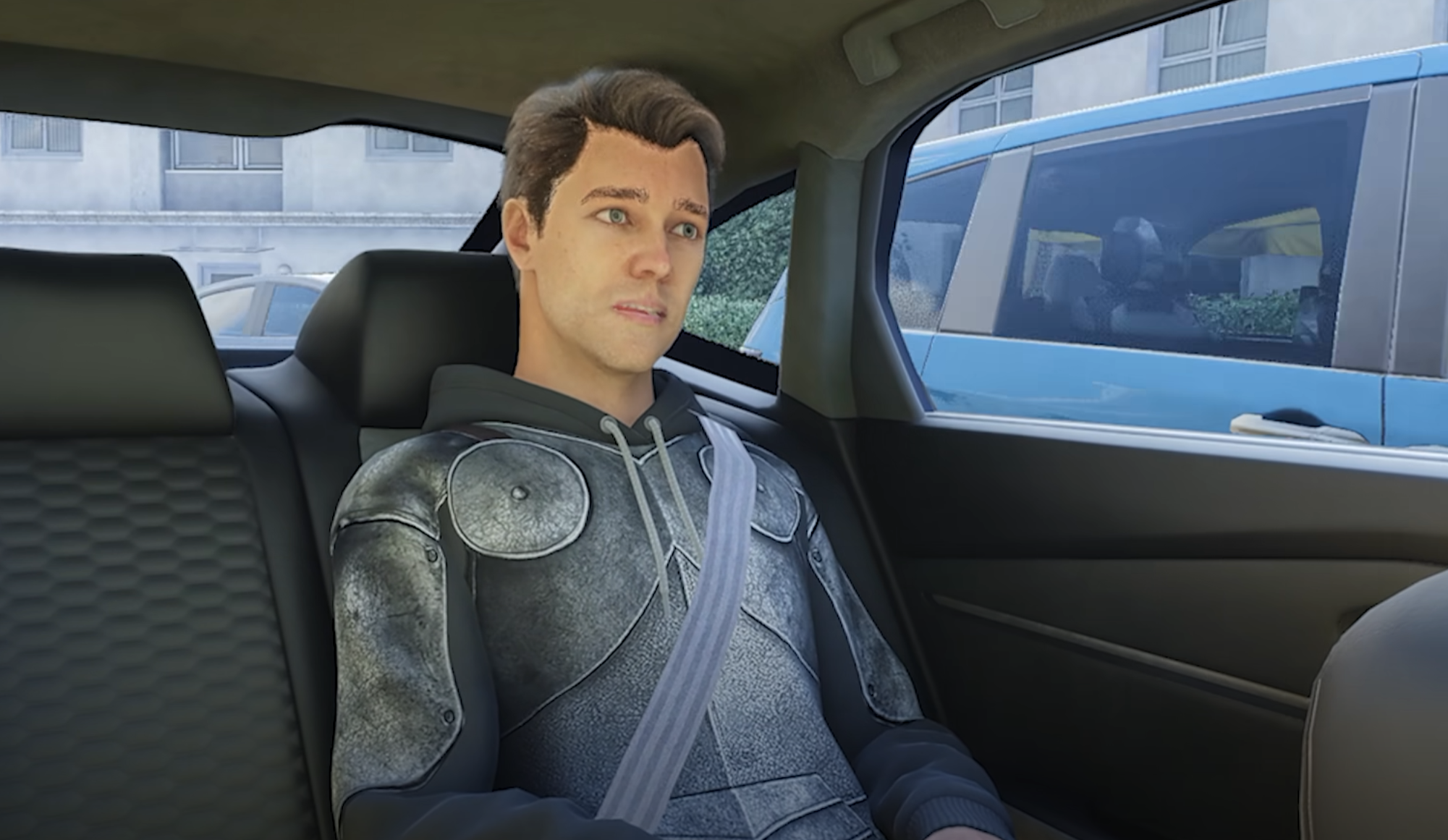
In the high-stakes, fast-paced environment of modern video game development, public relations crises are often handled with carefully choreographed corporate apologies, strategic silences, and prolonged periods of restructuring. However, Saber Interactive—a major studio known for blockbusters like World War Z and the upcoming experimental title Rideshare Stimulator—is choosing a drastically different path.
During a revealing interview at Gamescom with PC Gamer’s Joshua Wolens, Saber Interactive Chief Creative Officer (CCO) Tim Willits doubled down on the studio’s unfiltered communication style. Speaking candidly about the tumultuous fallout from recent controversies involving artificial intelligence, terminated staff, and abrasive executive commentary, Willits made it clear that Saber has no intention of changing its messaging playbook.
While industry observers and labor advocates argue that the studio’s executive leadership is actively alienating talent and destabilizing consumer trust, Saber remains resolute. Relying on an ethos that puts gameplay above all else, the leadership team believes that quality ultimately trumps PR storms. This report investigates the timeline of the Rideshare Stimulator controversy, unpacks the escalating tensions surrounding artificial intelligence in game writing, and analyzes Saber’s high-risk, game-first philosophy.
Detailed Chronology: How the Rideshare Stimulator Controversy Unfolded
To understand Saber Interactive’s current defensive stance, one must examine the chain of events that thrust the studio into the center of the industry-wide debate over generative artificial intelligence, labor rights, and executive accountability.
Phase 1: The Allegations and the Steam Page Update
The firestorm began when former Saber Interactive writer Stella Sacco publicly came forward with allegations regarding the development of the studio’s unusual new title, Rideshare Stimulator. Sacco claimed that she had been laid off from the company and subsequently replaced by generative artificial intelligence tools tasked with writing the game’s narrative content.
The claims struck a nerve within the broader game development community, which has grown increasingly anxious regarding the rapid, often unregulated adoption of generative AI by major publishers. As backlash mounted across social media platforms, Saber Interactive’s initial response was relatively muted. The studio’s communications department issued a standard statement disputing the specific details of Sacco’s claims, attempting to tamp down the narrative. However, the move did little to quell the mounting criticism, eventually forcing a reluctant addition of an AI disclaimer directly onto the game’s Steam store page.
Phase 2: CEO Matt Karch’s Aggressive Defense
Rather than letting the PR storm blow over, Saber Interactive CEO Matt Karch poured fuel on the fire during an interview with This Week In Videogames. Karch’s remarks were overtly pro-AI, defending the technology’s utility in game development while delivering personal, biting insults directed at Sacco.
Karch asserted that AI could—and should—play a fundamental role in shaping gamer experiences, but his aggressive rhetoric overshadowed the technological debate, shifting public focus toward what many viewed as a lack of basic empathy and professionalism at the executive level.
Phase 3: Apologies, Retractions, and Further Conflict
Recognizing the escalating damage to the studio’s reputation, Karch reportedly reached out to Sacco to apologize privately. Following this, he published a public statement via LinkedIn aimed at addressing the fallout.
However, the attempt at damage control suffered a bizarre and self-inflicted stumble. Karch’s public reflection contained a targeted, public jab at a completely different games industry journalist who had previously mocked his leadership style, labeling them an "unsuccessful writer." Although the jab was swiftly edited out of the LinkedIn post, the damage was already done. Observers pointed to the incident as a textbook example of an unforced error, highlighting a corporate culture where executive impulse repeatedly overrides measured public relations strategy.
Supporting Context & Metrics: The Philosophy of Unfiltered Leadership
Despite an avalanche of negative press, online petitions, and fierce debates across industry forums, Saber Interactive’s leadership remains entirely unrepentant. During his Gamescom interview, CCO Tim Willits addressed the studio’s long-standing reputation for speaking its collective mind—even when those unfiltered thoughts invite intense public scrutiny.
"I’ve been in the industry for so long, and there’s always some dust up," Willits explained to PC Gamer. "People got mad at Saber because we put World War Z on Epic, and people were like, ‘oh, Saber’s destroying the industry.’ Now 30 million people have played World War Z."
Historical Precedents: The Epic Games Store Backlash
Willits draws a direct parallel between the current AI-centric backlash and past controversies that Saber has successfully weathered. When Saber launched World War Z as a timed exclusive on the Epic Games Store, the PC gaming community reacted with vehement hostility. Protests, review-bombing campaigns, and accusations of anti-consumer practices dominated forums like Reddit and ResetEra.
Yet, looking at the macro metrics, the decision had virtually zero negative impact on the game’s long-term commercial viability. To date, over 30 million players have experienced World War Z. For Saber’s executive team, this historical data point serves as absolute proof that community anger is often a fleeting phenomenon that evaporates the moment a fun, engaging product hits the market.
The Mathematics of Gamer Sentiment vs. Product Quality
Saber’s core operational philosophy rests on a cynical yet pragmatic premise: internet outrage rarely translates to lost sales if the underlying video game delivers on its entertainment value. By shifting the conversation away from corporate ethics and back toward raw player engagement, the studio hopes to replicate the World War Z phenomenon with Rideshare Stimulator.
However, industry analysts note a critical difference between platform exclusivity disputes and the ethical deployment of generative AI. While platform preferences are largely economic, AI integration touches directly upon labor displacement, copyright ethics, and the devaluation of human creative art—making the current controversy significantly more polarizing and deeply personal for creative workers.
Official Statements and Industry Perspectives
The clash between Saber Interactive and its critics highlights a widening cultural chasm within the global video game industry. On one side are labor advocates, writers, and artists fighting to preserve human creativity in the face of automated corporate cost-cutting. On the other side are executives like Karch and Willits, who view generative AI as an inevitable, highly efficient tool that must be embraced to remain competitive in a bloated market.
Tim Willits on the Power of the Product
Willits remains steadfast in his belief that the ultimate arbiter of value is the end consumer holding the controller. When asked whether the recent controversies would force a pivot in how the company communicates, Willits was succinct: "No."
Emphasizing that Rideshare Stimulator will ultimately justify the studio’s choices, Willits invited skeptics to experience the game firsthand:
"I encourage people to check it out when it comes out, play it themselves… They may be like ‘oh, this is cool! I like this,’ you know. And if they don’t like it, fine. We are going to stick to making the best games we can. Try to show them, give people an opportunity to play them, and have players make their own decisions because players are smart, you know. You make a good game, they’ll find it and play it."
The Divergence in Corporate Communications
While PR traditionally functions as a protective buffer between a company’s leadership and the consuming public, Saber Interactive operates with a porous boundary. The executive leadership—from CCO Tim Willits to CEO Matt Karch—frequently speaks directly, rawly, and without the sanitized filter typically provided by corporate communications teams.
While this transparency is occasionally praised for its authenticity, the recent AI controversy demonstrated its severe dark side: unscripted executive hubris, public retaliation against critics, and a perceived indifference to the livelihoods of creative professionals.
Future Outlook: Can Rideshare Stimulator Defy the Backlash?
As Saber Interactive looks toward the future, the immediate test of its "games speak for themselves" doctrine will be the launch of Rideshare Stimulator. Developed as an experimental project, the game now carries an unprecedented baggage of ethical scrutiny, community skepticism, and intense media attention.
The Risks of Doubling Down
By actively refusing to moderate their public communications or step back from their aggressive stance on generative AI, Saber Interactive is taking a calculated gamble.
- Alienation of Talent: Top-tier writing and narrative talent may think twice before signing contracts with a studio that openly champions AI replacement and features executives prone to public tirades against creative workers.
- Persistent Boycotts: While casual gamers may remain entirely unaware of behind-the-scenes labor disputes, the core enthusiast demographic—the very players who drive initial hype, streaming numbers, and community word-of-mouth—may maintain an active boycott of the studio’s titles.
The Potential Reward
Conversely, if Rideshare Stimulator manages to capture the public’s imagination through innovative mechanics, sharp dark comedy, or compelling gameplay loops, Saber’s abrasive communications strategy may simply be written off as another eccentric chapter in the studio’s colorful history.
Ultimately, Saber Interactive is betting that the gaming public’s appetite for novelty and entertainment vastly outweighs its commitment to labor solidarity. Whether that cynical calculation proves correct will be decided the moment Rideshare Stimulator officially launches, putting the controller—and the final judgment—back into the hands of the players.