Executive Overview
In the volatile landscape of modern extraction shooters, few titles have captured the public imagination quite like Embark Studios’ Arc Raiders. Originally conceptualized as a cooperative PvE shooter before pivoting into a high-stakes PvPvE extraction framework, the game has walked a fine line between maintaining its distinct sci-fi aesthetic and managing the intense pressures of player-versus-player conflict.
Enter Frozen Trail, the latest major content update for Arc Raiders. Far more than a routine patch, Frozen Trail introduces deep progression loops, specialized crafting benches, traversal innovations like the new Grappling Hook, and—most importantly—its first true raid-style endgame activities: The Frigate and The Fallen Emperor.
These ambitious encounters draw comparisons to the legendary raid and dungeon architectures found in Bungie’s Destiny 2 and Infinity Ward’s extraction experiments in Call of Duty: Warzone’s DMZ. They demand precise cooperation, rigorous puzzle-solving, and map awareness, all while testing players against swarms of lethal machine intelligence. Yet, despite their mechanical brilliance, these events also expose the friction inherent to the PvPvE genre. When cooperative players are forced to solve complex spatial puzzles while dodging automated turrets, the sudden, unannounced betrayal of an opportunistic player camping an extraction point highlights an ongoing design debate: Can cooperative endgame content truly thrive in an environment designed for ruthless betrayal?
Detailed Chronology: Into the Depths of the Frigate and the Fallen Emperor
To understand the shift in Arc Raiders’ meta, one must look closely at how Frozen Trail structures its encounters. Gone are the days of trivial content clears completed within hours of a patch drop. Embark Studios has engineered a layered, multi-tier challenge system that forces players to slow down, coordinate, and weigh risk against reward.
The Frigate: A Sky-High War of Attrition
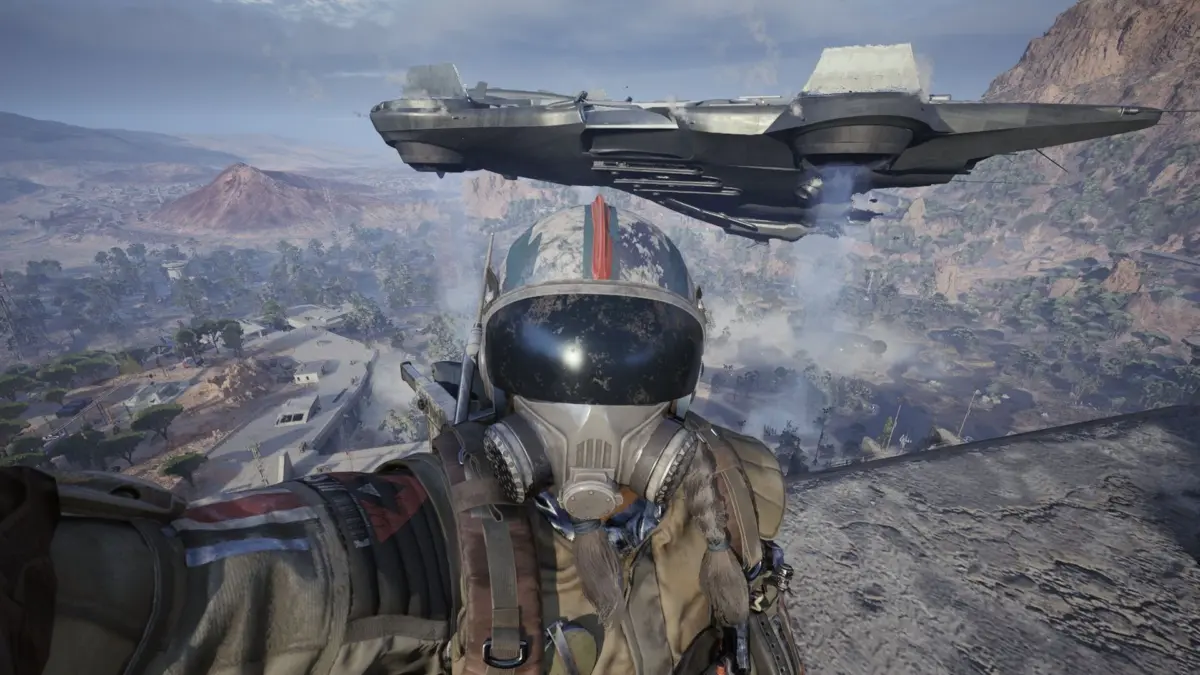
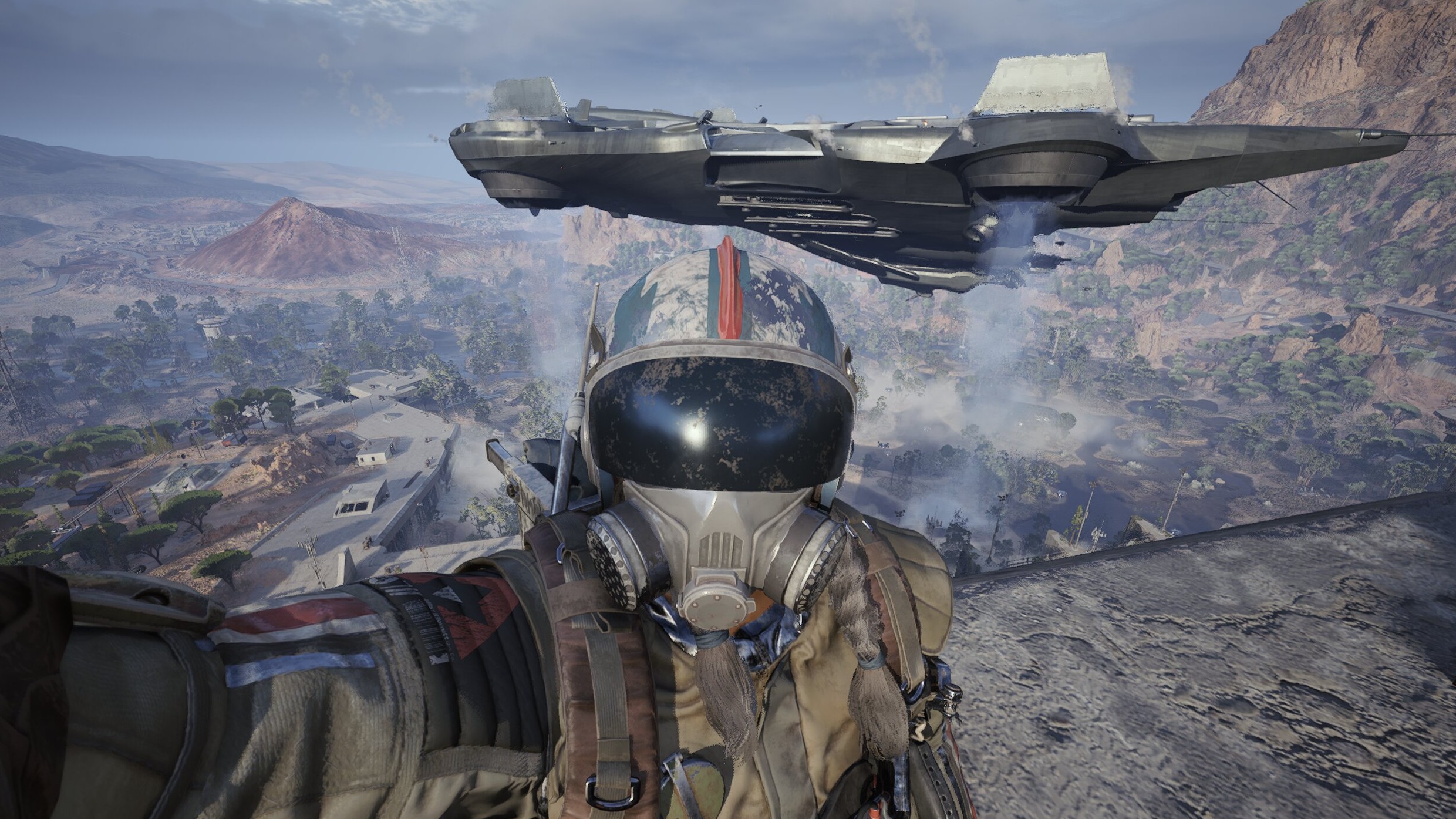
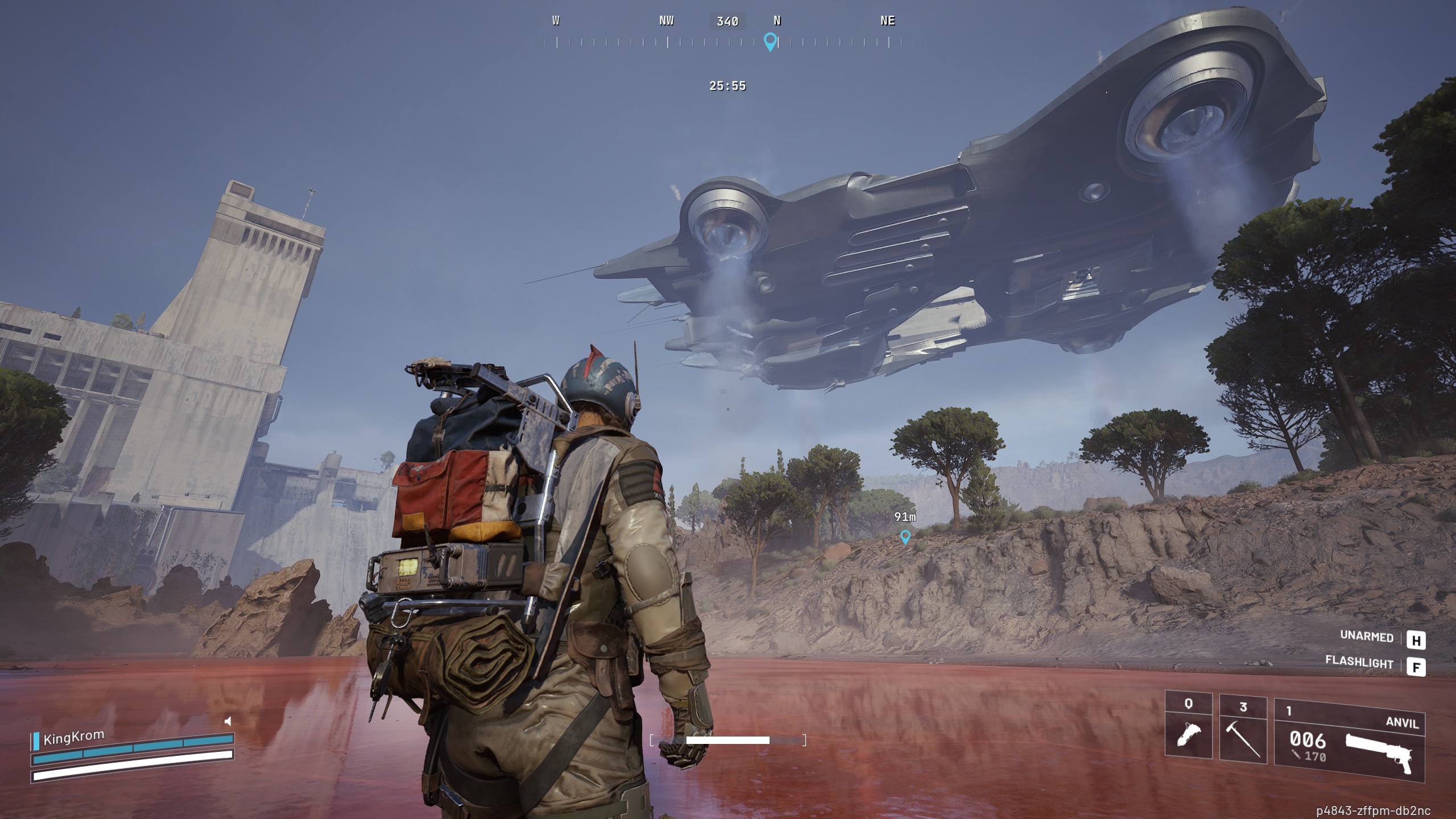
The Frigate encounter drops players directly onto the deck of a massive, airborne fortress hovering hundreds of feet above the ground. The scale is immediately arresting. As approximately 15 raiders scatter across the metal plates, an unrelenting wave of flying robotic units descends, laying down suppressing fire with rockets and lasers.
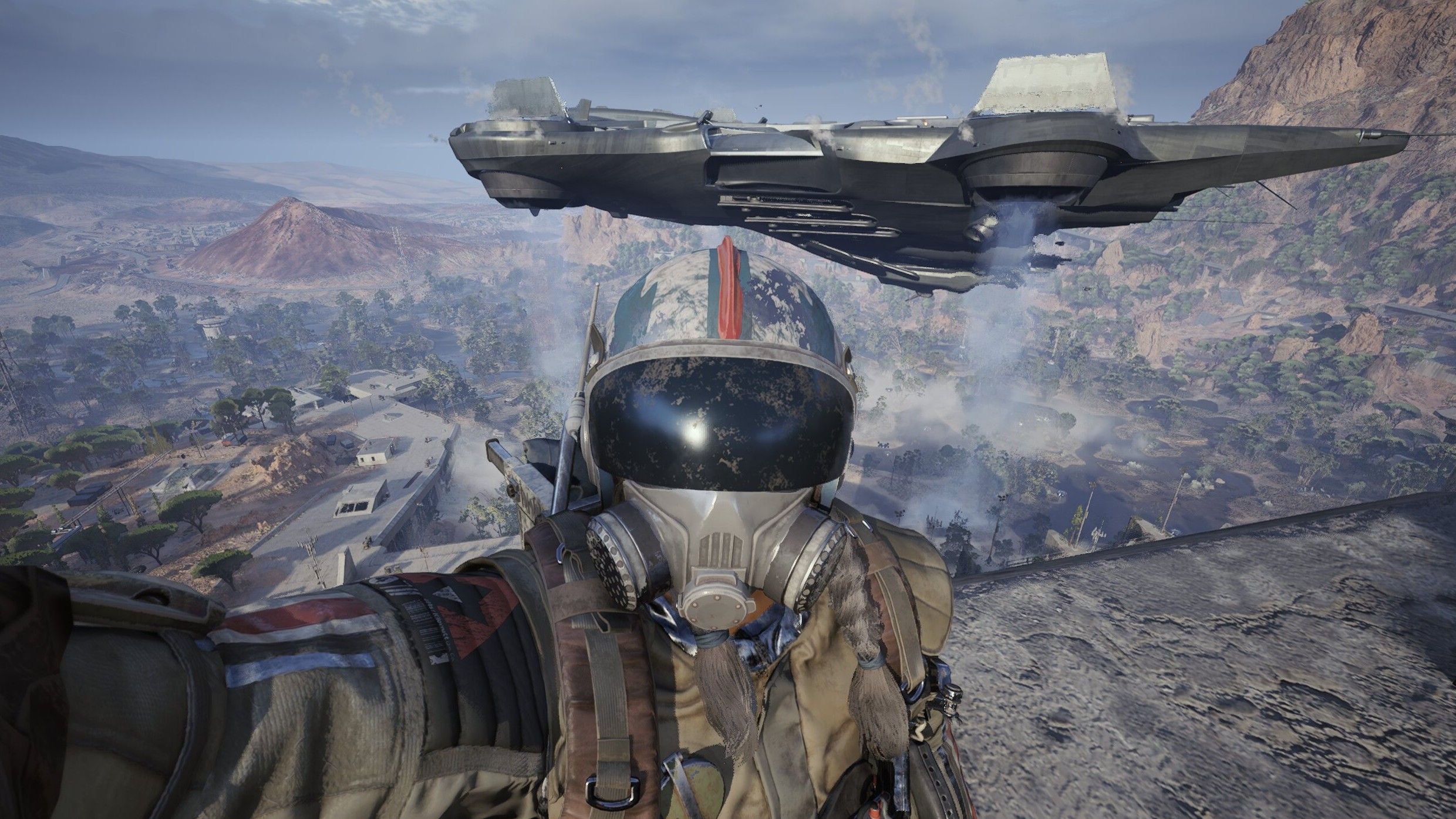
The engagement is a masterclass in controlled chaos:
- Initial Breach: Players must fight through exterior decks, neutralizing automated defense turrets that pop out of the flooring to punish complacent looters.
- Vertical Progression: Squads work in tandem to unlock sealed platforms and access inner chambers, requiring precise communication and role distribution (crowd control versus objective hacking).
- The Cargo Hold Puzzle: The ultimate objective centers on cracking open the ship’s heavily guarded cargo hold. Time is an ever-present antagonist, as dwindling countdown timers force groups to decide whether to push for the final high-value loot cache or initiate a hasty, desperate retreat back to the surface.
The Fallen Emperor: The Mechanical Vault Heist
If the Frigate is a pitched, large-scale battle against the sky, The Fallen Emperor is a deeply atmospheric, highly tactical individual and small-squad trial. Taking place inside the colossal, decaying carcass of a fallen giant robot, this sequence plays out like a high-tech bank heist set within a deathtrap labyrinth.
- Randomized Labyrinths: The layout shifts, keeping veterans on their toes with randomized environmental hazards and deadly Hydra turrets designed to pick off anyone caught dangling in precarious platforming positions.
- Traversal Mechanics: Navigating the labyrinth requires mastery of the Frozen Trail update’s premier addition: the crafted Grappling Hook. Offering vastly superior verticality and fluid momentum compared to the legacy Snap Hook, the Grappling Hook turns the corpse of the giant machine into a dynamic playground.
- The Gameshow Dynamic: Uniquely, the structural pacing of The Fallen Emperor mimics classic obstacle courses (reminiscent of television shows like Jungle Run). Players who sprint headlong toward the vault face maximum danger for a guaranteed grand prize. However, hidden loot containers scattered between early encounters ensure that slower, more methodical explorers—or those entering the map later—can still walk away with rare upgrade components without ever reaching the final chamber.
Supporting Context & Metrics: The Economy of Frozen Trail
The brilliance of Frozen Trail lies not just in the moment-to-moment action of its new activities, but in how seamlessly they feed into Arc Raiders’ wider progression and economy.
The Outpost Upgrade Loop
For months, players engaged with basebuilding systems as a secondary concern. Frozen Trail changes this by tying Frigate and Fallen Emperor loot directly into outpost and workbench upgrades. The materials harvested from these endgame zones allow players to craft high-tier specialized weaponry, including:
- Explosive-Payload Ballistics: Rifles capable of dealing area-of-effect stagger damage against heavily armored mechanical foes.
- Incendiary Grenade Launchers: Essential for zone denial during high-density swarms.
- Expanded Storage and Utility Crafting: Furniture and structural improvements in player outposts that unlock hundreds of extra storage slots, feeding the compulsive hoarding loop inherent to extraction shooters.
The Risk-Reward Ratio
The following breakdown illustrates the structural balance of the new endgame loops introduced in Frozen Trail:
| Feature | The Frigate | The Fallen Emperor |
|---|---|---|
| Encounter Type | Large-scale cooperative battle (15+ players) | Labyrinthine puzzle-platformer / heist |
| Primary Challenge | Endless robot swarms, time management, defensive holds | Environmental hazards, Hydra turrets, precision platforming |
| Traversal Tool | Standard mobility & squad coordination | Grappling Hook verticality & swinging momentum |
| Loot Philosophy | Tiered rewards for advancing deeper into the ship | Risk-reward pacing (early caches vs. vault grand prize) |
| Core Integration | High-tier alloy extraction for advanced workbenches | Rare electronic components & specialized weapon schematics |
Official Statements & Community Sentiment
The release of Frozen Trail has generated significant discourse within the Arc Raiders community, sparking intense conversations about game modes, developer intent, and genre identity.
Embark Studios designed the update to cater to veterans seeking long-term progression. In developer communications accompanying the patch notes, the team emphasized that endgame content should feel like an expedition rather than a checklist item. Early reactions from content creators and dedicated players have validated this philosophy, with many drawing favorable comparisons to the raid experiences of Destiny 2 or the specialized extraction incursions found in modern tactical shooters.
However, community forums and dedicated player hubs have also become breeding grounds for debates regarding the intersection of PvE cooperation and PvP vulnerability. As one prominent reviewer noted:
"It’s a race to perpetrate a bank heist in the corpse of a colossal robot, and if that doesn’t get your juices flowing, I don’t know what will."
Yet, that adrenaline surge often curdles into frustration. The inclusion of PvP elements within these complex cooperative instances creates a profound ideological split among the player base. While hardcore extraction purists argue that the constant threat of betrayal elevates tension, PvE-focused players point out the unique misery of investing 30 minutes into solving complex spatial puzzles, surviving endless machine waves, securing a massive loot haul, and subsequently being ambushed at the extraction point by a solitary player—colloquially termed a "rat"—wielding baseline equipment.
Future Outlook: The Road Ahead for Arc Raiders
The success of Frozen Trail signals a watershed moment for Arc Raiders. By moving beyond simple map tweaks and introducing genuine, mechanics-driven raid structures, Embark Studios has proven it has the creative chops to craft compelling cooperative content.
Nevertheless, the burning question for the community remains: How will Embark handle the PvE versus PvP divide moving forward?
Recent tests of dedicated PvE modes have demonstrated massive player demand for an environment where squads can engage with high-end encounters—such as the Frigate, Fallen Emperor, Matriarch, or Harvester—without the constant background anxiety of hostile player ambushes.
For Arc Raiders to achieve its full potential, developers must consider a bifurcated structure or specialized playlists. The genre has long thrived on betrayal and tension, but when games introduce deep, cooperative puzzle mechanics and multi-stage boss fights, the imposition of unmitigated PvP can actively discourage players from engaging with the content loop. If a player successfully navigates the skies of the Frigate, defies the mechanical traps of the Fallen Emperor, and emerges victorious against overwhelming odds, the concluding narrative of their raid should be one of triumph—not a frustrating encounter with an opportunistic camper at the extraction zone.
Looking forward, the imagination runs wild with what Embark Studios might cook up next. Whether it is a full-scale, Destiny-length raid with dedicated raid mechanics, or self-contained subterranean complex runs complete with unique timers and elite bosses, Arc Raiders has established a formidable foundation. If Embark continues to refine these endgame activities—and carefully balances the delicate ecology between cooperative explorers and predatory opportunists—Arc Raiders is poised to remain a dominant force in the PC and console gaming space for years to come.