Executive Overview
The tactical tabletop role-playing video game adaptation space is experiencing a renaissance, and tactical CRPG enthusiasts have another major milestone on the horizon. While recent industry announcements have heavily emphasized solitary adventures within legendary fantasy universes, tactical purists seeking authentic party-based mechanics are looking toward Solasta II. Developed by Tactical Adventures, the sequel to the critically acclaimed Solasta: Crown of the Magister is officially expanding its Early Access scope with its first major content patch.
Slated for release on September 10, Early Access Update 1 introduces a heavily requested feature suite that fundamentally changes how players interact with the game’s tactical landscape. Most notably, the update integrates fully functional co-op multiplayer, allowing groups of up to four players to tackle campaigns together. Alongside cooperative play, the patch introduces the iconic Warlock class—complete with two unique, custom-tailored subclasses—alongside an extensive array of quality-of-life adjustments, character customization options, and ruleset modifications.
This comprehensive update signals Tactical Adventures’ commitment to refining the Solasta formula based on community feedback. By bridging the gap between solo tactical depth and collaborative multiplayer freedom, Update 1 positions Solasta II as a premier destination for tabletop role-playing game (TRPG) fans operating digitally. This report breaks down the mechanical additions, the technical framework of the new cooperative systems, and the strategic implications of the Warlock class’s arrival.
Detailed Chronology & Patch Breakdown
The rollout of Solasta II Early Access Update 1 represents a carefully structured developmental milestone for Tactical Adventures. Since the title’s initial arrival on Steam, the development team has gathered telemetry and community feedback regarding pacing, character creation depth, and rule fidelity. The September 10 deployment addresses these pillars head-on through a meticulously organized update structure.
1. The Arrival of Cooperative Multiplayer
The crown jewel of Update 1 is the introduction of drop-in, drop-out cooperative multiplayer supporting up to four simultaneous players. Designed with flexibility in mind, the system accommodates various play styles and schedules:
- Session Integration: Players can seamlessly join an existing game in progress or start a fresh campaign from the main menu.
- Character Management: Hosts possess the administrative freedom to assign new players to existing party members, allow incoming players to import their own custom characters, or facilitate on-the-fly character creation.
- Dynamic Control Splitting: Companion characters who join active sessions can have their tactical control split dynamically among connected players as the adventure unfolds.
- Democratic Decision-Making: Story progression and major dialogue choices are no longer left solely to the host. Every connected player is granted a vote in critical narrative junctures, fostering a truly collaborative role-playing experience.
- Communication Suite: To streamline tactical coordination during intense skirmishes, a brand-new in-game ping system has been integrated, allowing players to highlight points of interest, hazards, and targets across isometric maps.
2. Expanded Customization and Quality-of-Life Systems
Recognizing that many CRPG veterans prefer managing a bespoke, self-contained party rather than relying on pre-made companions, Update 1 vastly expands character creation and utility tools:
- Visual Overhauls: Expanded cosmetic options include a wider array of hairstyles, intricate tattoos, tactical warpaint, and detailed beard styles.
- Stat Generation Mechanics: For traditionalists who prefer randomness over point-buy systems, the option to roll stats randomly has been officially integrated.
- Optional Rulesets: Spell component rules are now toggleable. Players can choose between strict, rulebook-accurate component tracking or a streamlined system that simplifies inventory and casting management.
- Exploration & Navigation: Approximately 30 new world events have been authored and integrated into the exploration loops, ensuring that overland travel feels more dynamic and unpredictable.
- Cloud Infrastructure & Controller Enhancements: Cloud saves ensure seamless transitions between hardware setups, while controller users benefit from a newly minted "cautious mode" switch designed to prevent accidental misclicks and hazardous positioning.
3. The Warlock Class and Subclass Breakdown
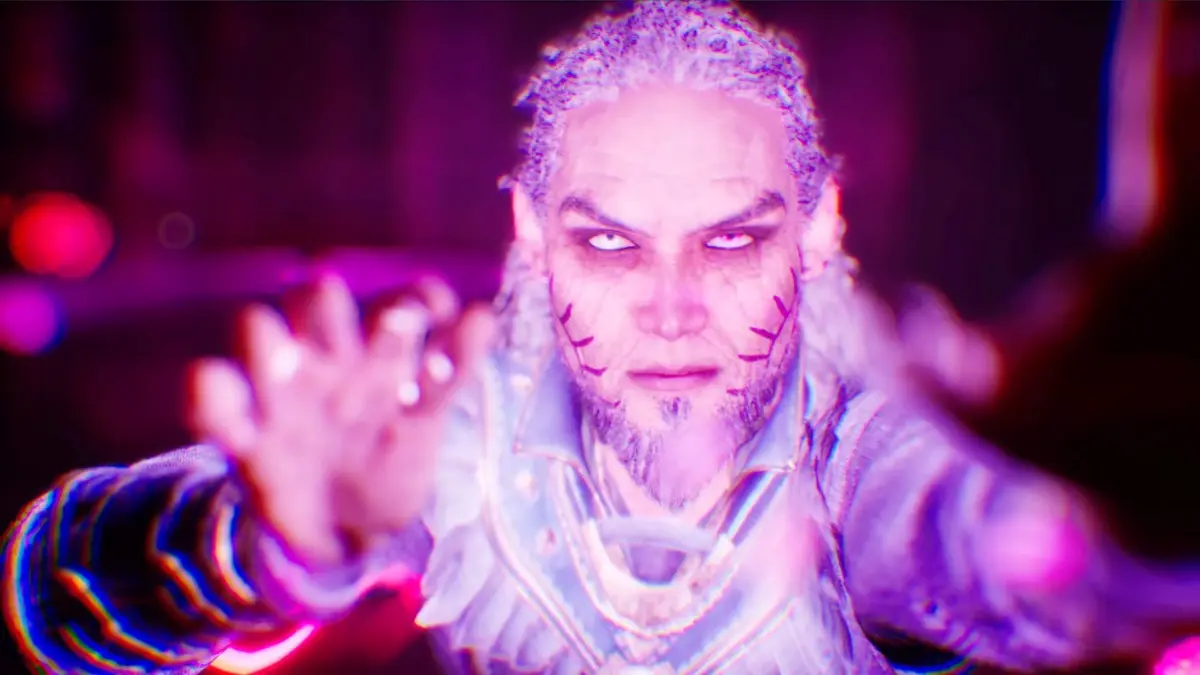
The current class roster—consisting of the Fighter, Wizard, Rogue, Cleric, Paladin, and Sorcerer—is now joined by the arcane-pact-wielding Warlock. Diverging from standard genre tropes like the Hexblade or Archfey variants found in traditional digital adaptations, Tactical Adventures has introduced two distinct and mechanically inventive subclasses:
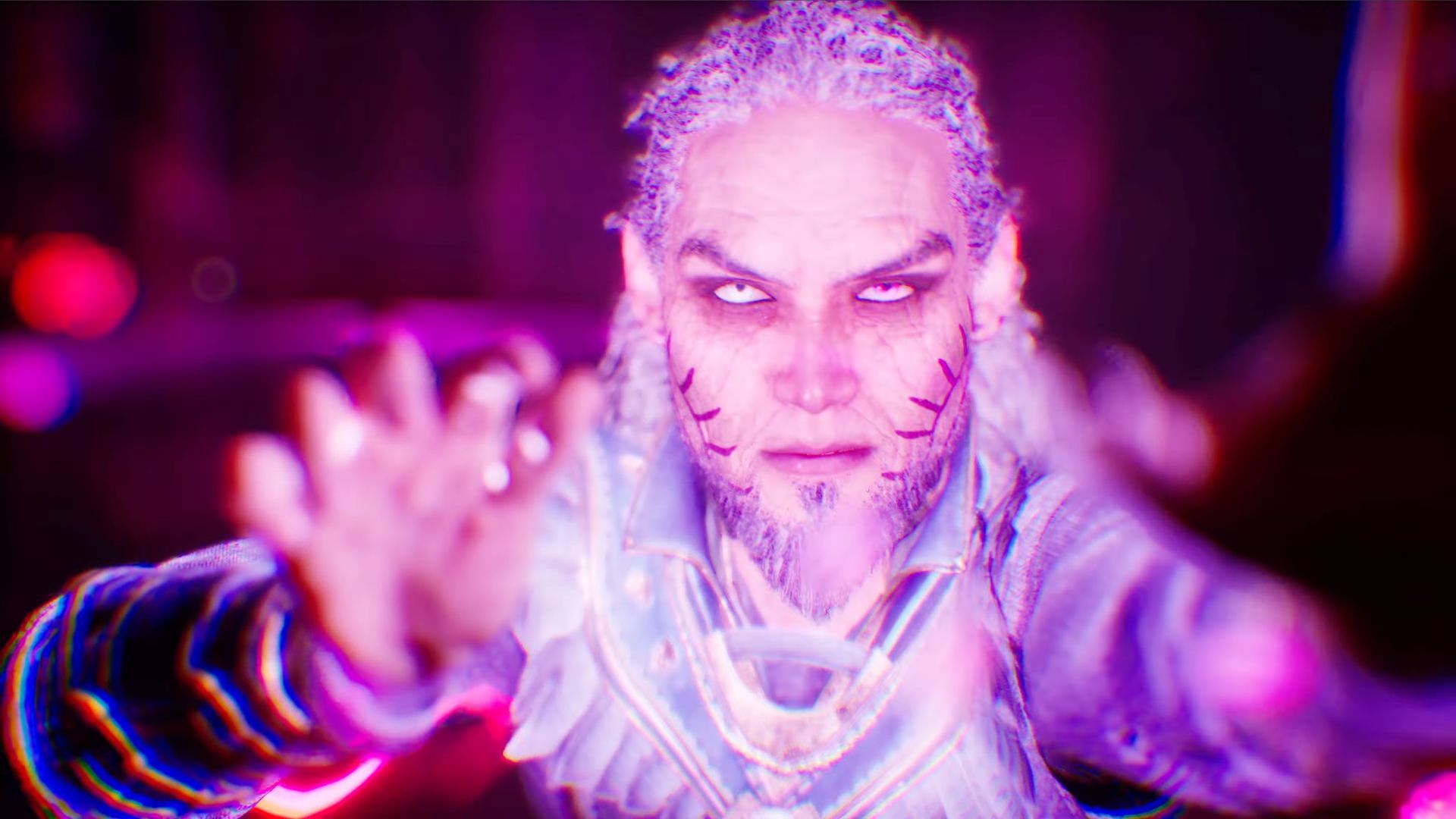
- The Timekeeper: A support-oriented control subclass that bends temporal streams to grant allies accelerated action economies while stripping enemy combatants of their tactical reactions.
- The Dreamer: A psychological controller that manipulates the boundary of nightmares. This subclass excels at inflicting exhaustion status conditions on opposing units while sending hostiles into magical slumbers.
Despite these advanced subclass capabilities, both paths retain the foundational identity of the class: a reliable, endless reservoir of ranged magical force via the ubiquitous Eldritch Blast.
Supporting Context & Metrics
To understand the weight of Solasta II Early Access Update 1, one must evaluate the technical foundation laid by its predecessor, Solasta: Crown of the Magister. Tactical Adventures carved out a distinct niche in the gaming landscape by acquiring an official license to utilize the System Reference Document (SRD) 5.1 ruleset. This allowed the studio to faithfully recreate tactical grid-based combat, line-of-sight calculations, and verticality management that closely mirrored tabletop experiences.
| Feature Category | Pre-Update 1 Baseline | Early Access Update 1 (Sept 10) |
|---|---|---|
| Max Party / Co-op Size | Single-player controlled (up to 4 characters) | Up to 4 distinct human players |
| Available Classes | 6 Classes (Fighter, Wizard, Rogue, etc.) | 7 Classes (Adding Warlock) |
| Warlock Subclasses | None | Timekeeper & Dreamer |
| Save Architecture | Local / Limited Cloud Support | Full Cloud Save Integration |
| Exploration Events | Base exploration scripts | ~30 Additional World Events |
The inclusion of drop-in multiplayer in a complex, turn-based tactical CRPG is no small engineering feat. Synchronization of combat states, initiative queues, and concurrent dialogue voting requires robust netcode capable of mitigating desynchronization during complex grid movements. By tackling these structural features early in the development lifecycle, Tactical Adventures is demonstrating a clear roadmap toward a stable, highly polished 1.0 release.
Official Statements & Industry Reception
While Tactical Adventures has kept detailed press statements focused on community collaboration, the development team has continually emphasized that Solasta II is built by tabletop players for tabletop players.
Industry analysts and community moderators have praised the studio’s transparent development cycle. By leveraging the Early Access model on Steam, Tactical Adventures has successfully turned its player base into an active QA testing group. The decision to introduce the Warlock class alongside advanced cooperative capabilities directly mirrors the feedback collected from community surveys distributed throughout the initial alpha and early access launch phases.
Critics have noted that while the original Solasta was occasionally critiqued for its lower-budget presentation and rigid adherence to rules-as-written constraints, Solasta II shows exponential growth in asset fidelity, UI/UX design, and systemic flexibility. The addition of optional rules—such as simplified spell component tracking—demonstrates that the developers are willing to balance hardcore rulebook fidelity with modern gaming accessibility.
Future Outlook & Roadmap
The release of Update 1 on September 10 is merely the first major milestone on a dense and ambitious content roadmap for Solasta II. Tactical Adventures has already pulled back the curtain on what to expect in the subsequent major patch, scheduled to deploy during the final quarter of the year.
What Lies Ahead in Q4 2024 / Q1 2025:
- Class Expansion: An additional unannounced class will join the roster, further broadening party composition strategies.
- Ancestry Additions: Two new playable ancestries/races will be introduced to the character creation suite.
- Narrative Progression: The launch of Act Two, pushing the overarching storyline forward into uncharted territories.
- Level Cap Increase: Higher vertical progression thresholds, unlocking powerful mid-to-high-tier spells and abilities.
- Crafting Systems: A robust in-game crafting architecture allowing players to forge magical weapons, armor, and utility items from harvested materials.
As Solasta II continues its trajectory through the Steam Early Access ecosystem, Update 1 stands as a testament to Tactical Adventures’ responsiveness and technical ambition. For tactical RPG enthusiasts and tabletop veterans alike, the journey into the wilds of Solasta has never looked more collaborative—or more dangerous.