Executive Overview
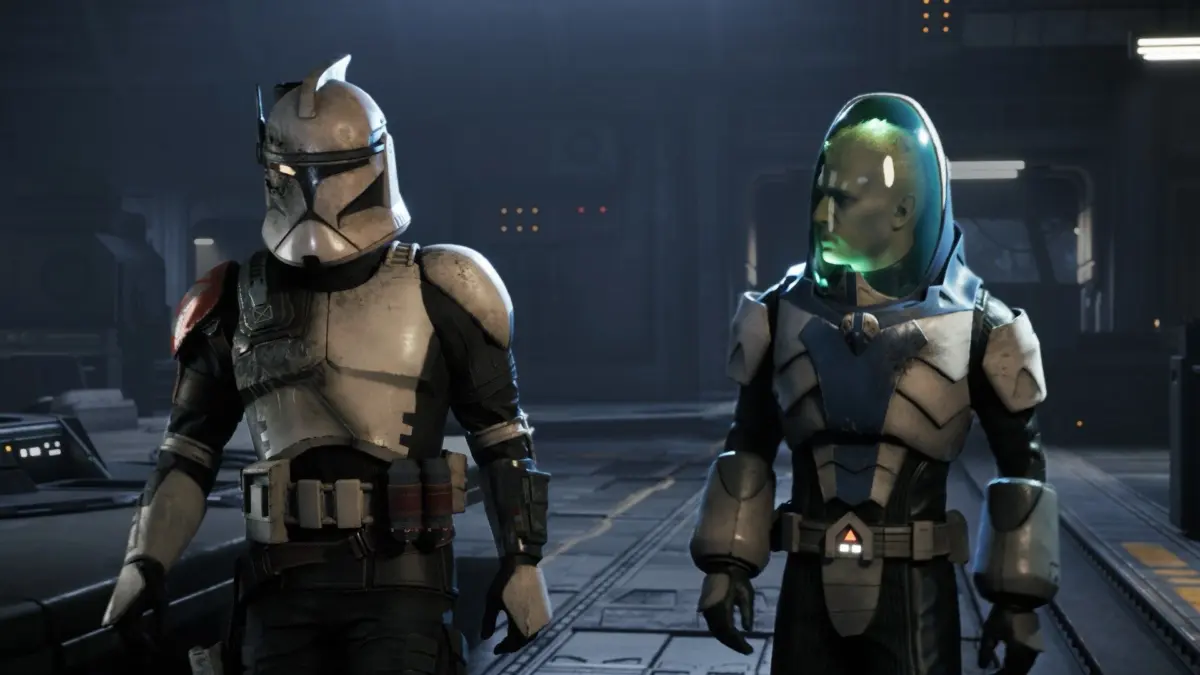
For decades, the Star Wars franchise has experimented with various gaming genres, translating the galactic conflict into action-adventures, flight simulators, and sprawling role-playing epics. However, the release of Star Wars Zero Company (developed by Bit Reactor in collaboration with EA) represents a vital and calculated shift toward tactical, turn-based warfare. Masterminded with the strategic depth reminiscent of modern genre titans, Zero Company—affectionately known to its community as ZCOM—understands the foundational commandment of exceptional tactics titles: success is not merely a matter of treating the battlefield like a game of chess, but of executing those maneuvers with a roster of characters whose survival matters deeply to the player.
Following weeks of intensive campaigns, countless tactical redos, and grueling hours spent wrestling with the game’s late-game encounters, it is clear that Zero Company succeeds not just as a mechanical challenge, but as an intimate character study. While the title’s turn-based tactical framework has drawn widespread critical acclaim, its true beating heart lies in its eclectic, morally gray, and deeply human (and droid) ensemble cast.
To honor this memorable roster, we have compiled the definitive, comprehensive ranking of every major playable hero in Star Wars Zero Company. (Note: This evaluation covers strictly playable main heroes; while NPC fan-favorites like Runa undoubtedly command legendary status, she remains out of the running—though consensus dictates she would claim the top spot instantaneously.)
Detailed Chronology: From the Outer Rim to the Final Stand
The narrative arc of Star Wars Zero Company unfurls across a grueling, multi-act campaign spanning approximately 35 hours of tactical decision-making, resource management, and emotional beats. Understanding the weight of the character roster requires looking closely at how these heroes integrate into the broader chronology of the war effort.
Act I: Establishing the Vanguard
The campaign opens with the formation of ZCOM out of the ashes of localized skirmishes and shifting political alignments across the mid-rim. Players are introduced to the framework through Hawks, the customizable player-avatar, quickly flanked by abrasive newcomers like Luco Bronc and the pragmatic rogue Jae Mordant. During these opening hours, the game establishes its core thesis: the heroes are not mythical, invincible Jedi Knights slicing effortlessly through battalions of battle droids, but rather an embattled, scrappy guerrilla force fighting for survival.
The inclusion of early-game staples like the trusty astromech BR-1 and the enigmatic Mandalorian Cly Kullervo establishes a baseline of tactical grit. Players quickly learn that positioning, line of sight, and environmental utilization matter infinitely more than brute force.

Act II: Deepening Fractures and Unlikely Alliances
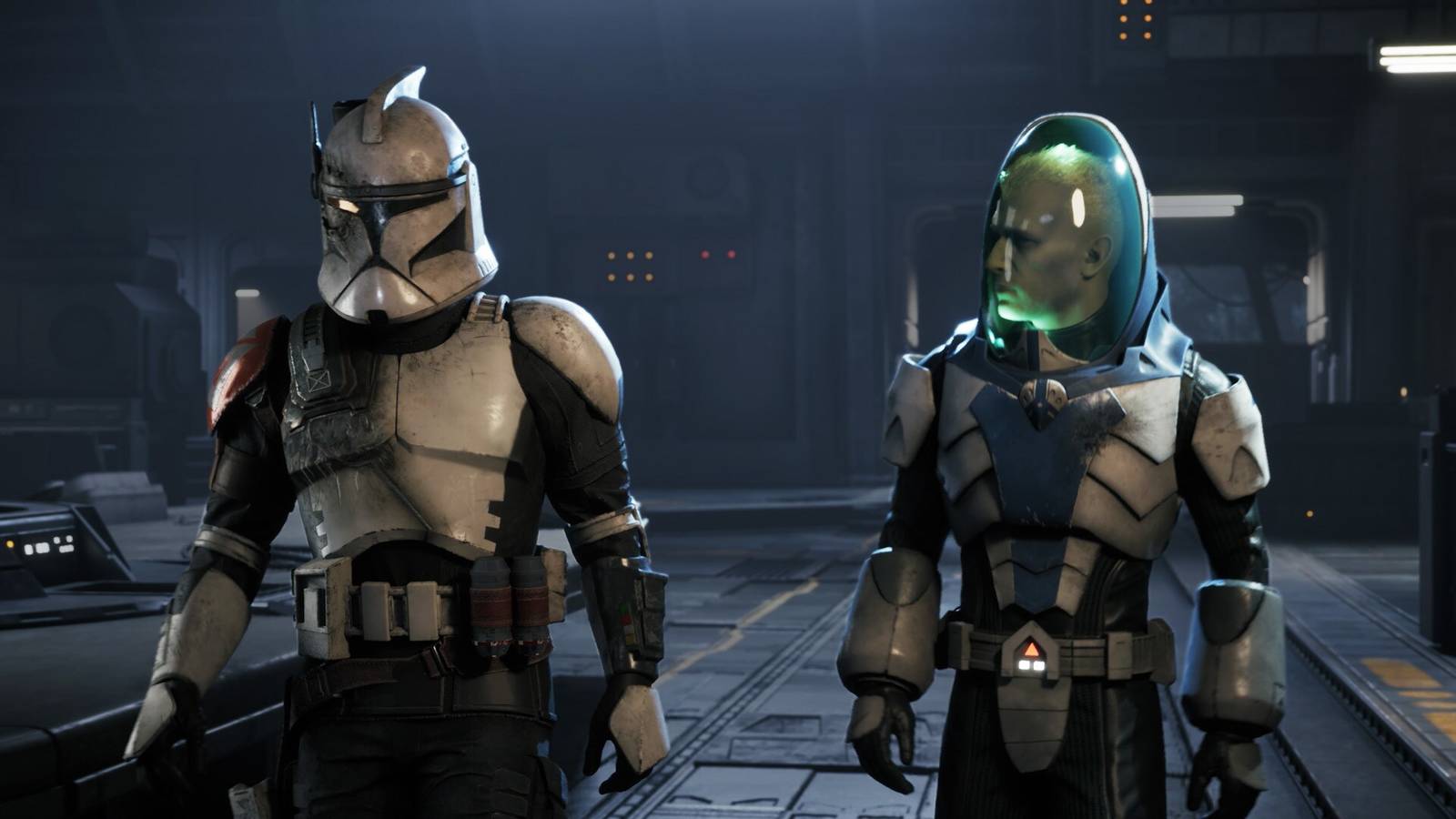
As the war escalates, the narrative shifts toward personal stakes, forcing characters to confront their pasts. This middle phase of the game introduces complex interpersonal dynamics, most notably the tense rivalry-turned-partnership between Luco Bronc and the clone soldier Trick. Concurrently, players grapple with the vulnerability of characters like the green Padawan Tel-Rea Vokoss, whose mechanical fragility starkly contrasts with the overpowered, one-off narrative missions featuring established legends like Anakin Skywalker.
It is during this grueling mid-game stretch that players truly bond with their squads. The introduction of major narrative twists—particularly those involving Trick’s complicated legacy within the Republic—elevates the narrative from a standard sci-fi military campaign into a deeply personal character drama.
Act III: The Final Push
Entering the endgame, players face punishingly difficult final operations that test the limits of squad optimization. Winning these late-stage encounters requires precise utilization of character synergies: chaining Cly Kullervo’s dart-and-shock combos, relying on Jae Mordant’s overwatch triggers, and leveraging BR-1’s unmatched action economy. As players approach the final boss encounter—often requiring multiple attempts and tactical overhauls—the fear of losing a squad member transforms every turn into a high-stakes puzzle of survival.
Supporting Context & Metrics: The Playable Cast Ranked
8. Hawks (The Vanguard Commander)
It is an inherent design challenge of sci-fi role-playing and strategy games that the player character must occupy a middle ground of relatability, frequently making Hawks the least stylistically distinct hero on the roster.
- Customization and Vocal Performance: Players are given a wide array of options, including the choice between six distinct Star Wars species. Yet, the narrative funnel inevitably steers the experience toward the classic archetype: an even-keeled, quick-witted leader who suppresses genuine emotional vulnerability until the game’s final hours. Nevertheless, Erica Luttrell delivers exceptional vocal work (cementing FemHawks as the definitive community choice).
- Tactical Utility: As a flexible field commander, Hawks serves as the anchor of the team’s action economy, providing crucial leadership buffs and versatile mid-range combat capabilities.
7. Kabb (The Rhyming Enigma)
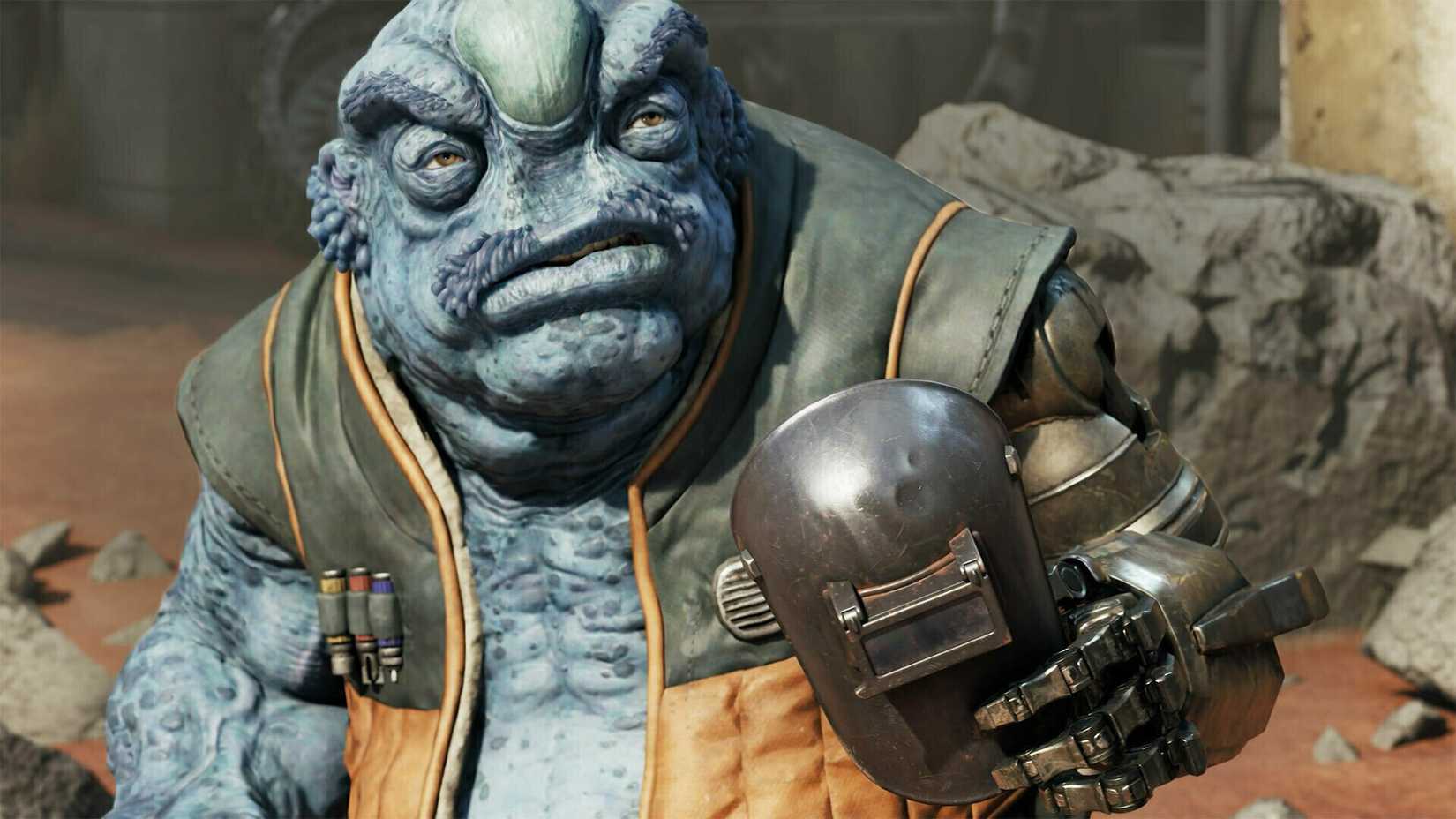
Time has afforded the Zero Company community enough distance to address the elephant in the room: Kabb’s compulsive rhyming gimmick wears thin long before players cross the 35-hour mark.
- Narrative Impact: While intended to provide lighthearted relief amidst the grim realities of war, the linguistic tic occasionally undercuts the dramatic tension of high-stakes narrative beats.
- Tactical Utility: Despite his verbal eccentricities, Kabb functions reliably as a support asset, though his combat ceiling is noticeably lower than his peers.
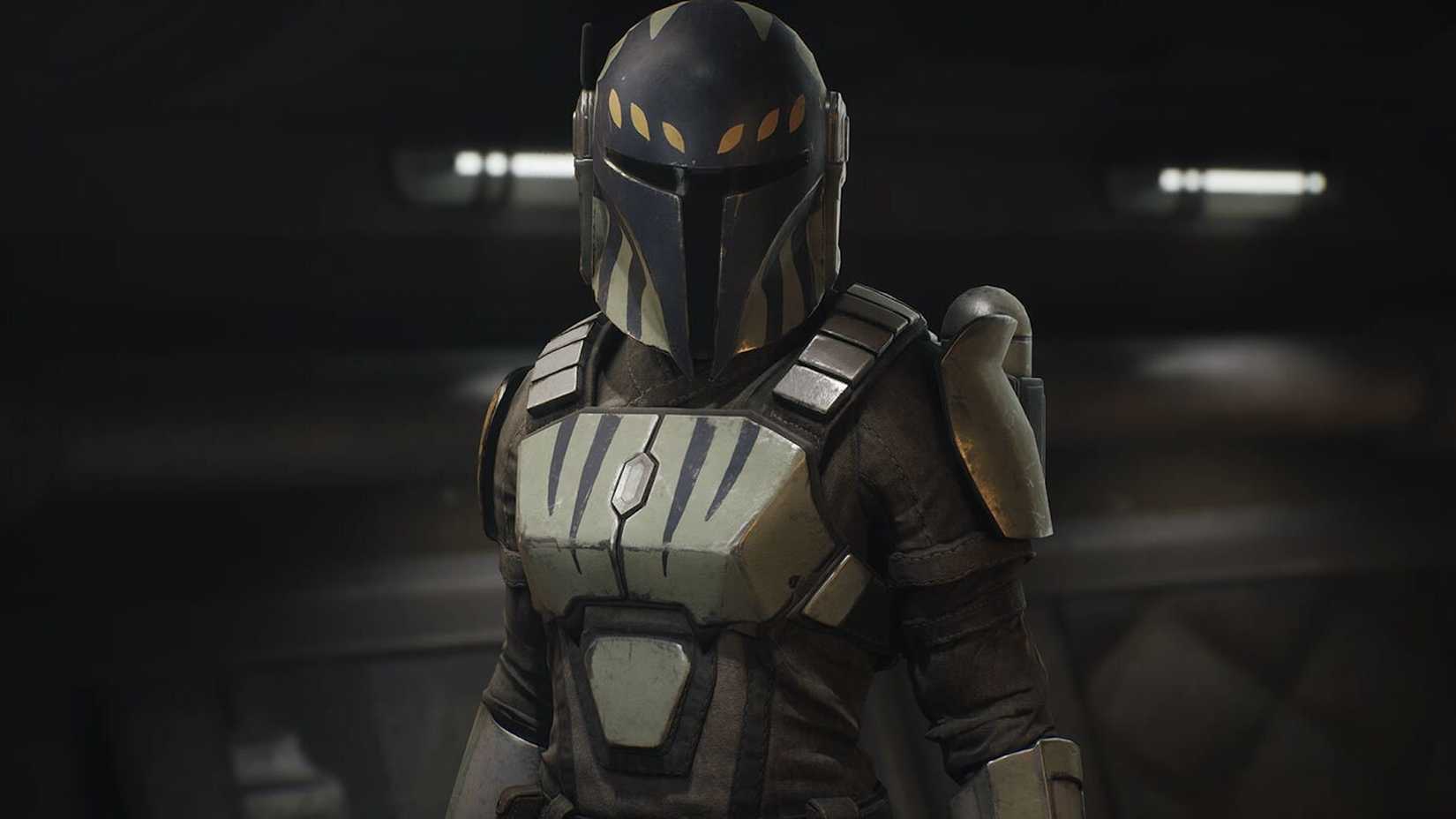
6. Cly Kullervo (The Brooding Mandalorian)
A brooding and mysterious Mandalorian bearing the heavy emotional baggage of a life defined by decades of systemic violence, Cly initially feels like a familiar sci-fi trope.
- Tactical Mastery: The saving grace of Cly Kullervo is that she is terrifyingly effective at dealing death. Her signature dart-gun ability allows players to tag enemies within line of sight, following up with a localized electrical discharge that can wipe out entire clusters of combatants. When paired with proper positioning, Cly can single-handedly clear a battlefield in a single turn, rescuing players from countless impossible scenarios.
- The Verdict: While her personality walks well-trodden Mandalorian paths, her sheer combat utility is practically mandatory for punishing late-game missions.
5. Jae Mordant (The Altruistic Heiress)
Jae Mordant brings both crucial mechanical safety nets and a refreshing dose of idealistic narrative flavor to Star Wars Zero Company*.
- Narrative Arc: Eschewing generational wealth and guaranteed comfort, Jae walks away from a life of elite privilege to strike a direct blow against fascistic regimes. Her presence proves that Star Wars storytelling can still embrace a sense of ideological purpose and whimsy.
- Tactical Utility: Jae’s unique reaction ability grants a free, automatic shot at any enemy left standing after a squadmate’s attack. Fully upgraded, this passive mitigation completely shuts down enemy counter-attacks by eliminating weakened threats before their activation phase begins.
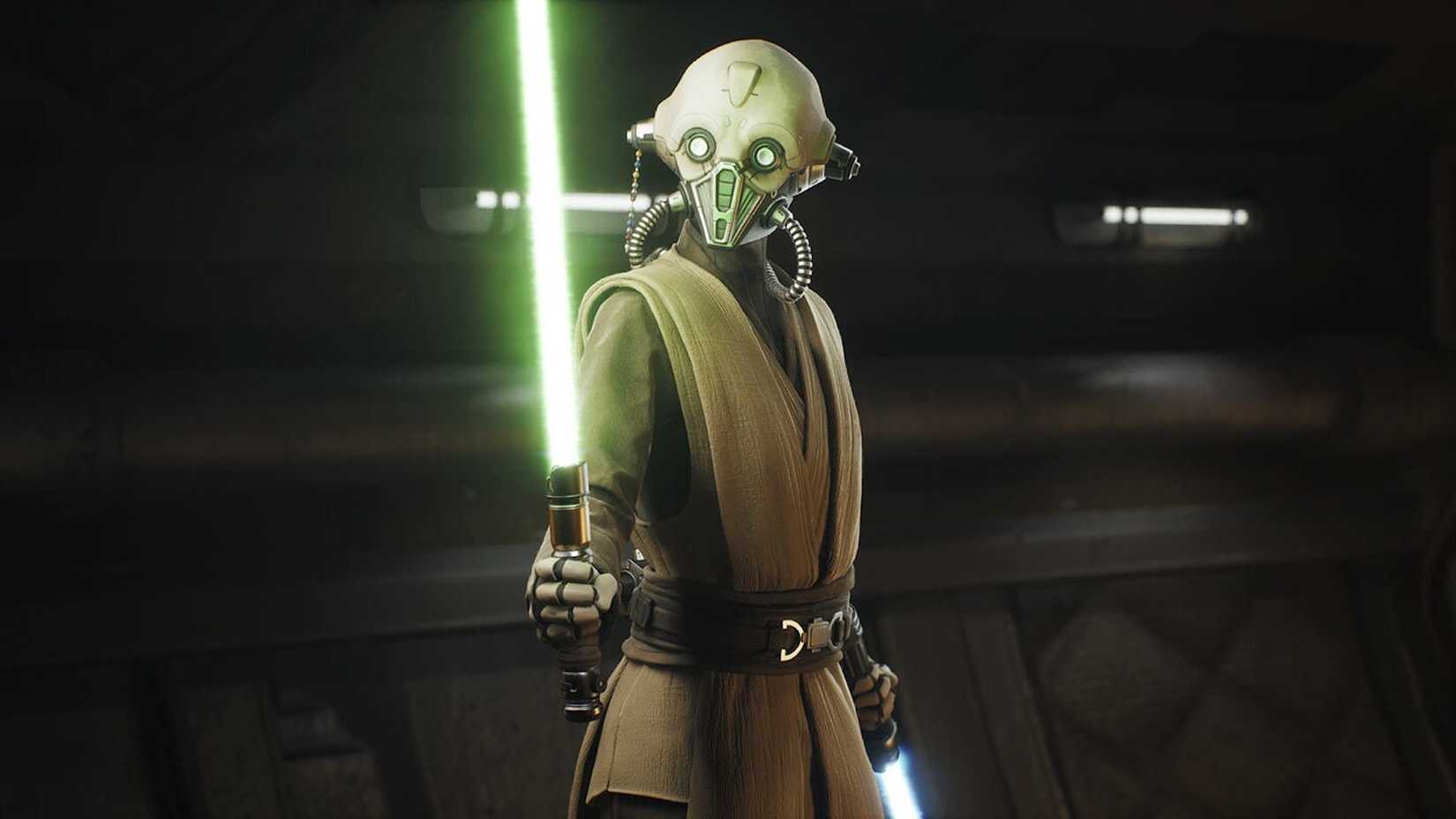
4. Tel-Rea Vokoss (The Unfinished Padawan)
In a franchise where Force-users are traditionally portrayed as untouchable demigods, Tel-Rea Vokoss stands out by embracing vulnerability.
- Contrasting the Myth: Bit Reactor brilliantly highlights Tel-Rea’s relative inadequacy by inserting a single mission where players control Anakin Skywalker—who predictably tears through opposition as an invincible juggernaut. By contrast, Tel-Rea is fragile, tense, and kinetically unpredictable. She is just as likely to sustain severe injuries in a poorly planned turn as she is to wipe out a droid squad single-handedly.
- The Appeal: Playing as an unpolished, anxious Padawan navigating the horrors of total war offers a far more compelling narrative experience than playing a master of the blade.
3. Luco Bronc (The Reluctant Snark)
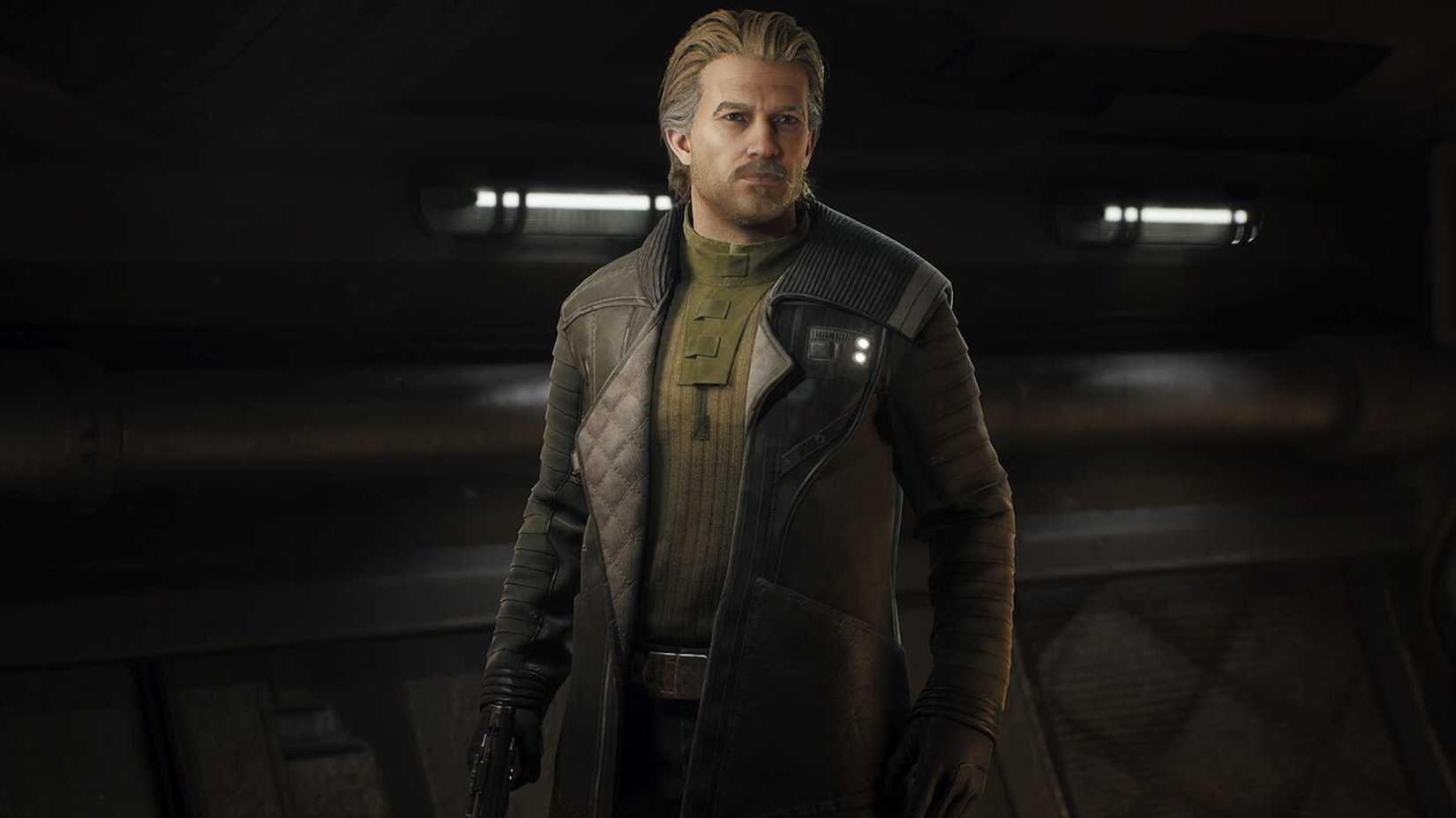
Luco Bronc starts his journey as an unmitigated antagonist within the squad ecosystem: abrasive, quick to pick fights, prone to narcissistic posturing, and surprisingly inefficient with a blaster. Early in the campaign, the game even gives players the option to outright dismiss him.
- Redemption Arc: Players who exercise patience and spec Luco as a hybrid medic-sniper are richly rewarded. Not only does he mature into an indispensable battlefield specialist, but his developing dynamic with Trick—two exploited soldiers bonding over mutual trauma and rivalry—forms the emotional core of Zero Company.
2. Trick (The Discharged Clone)
Of all the characters featured in the campaign, Trick boasts the most cohesive, emotionally resonant three-act narrative arc in the entire game.
- Character Journey: As a clone trooper honorably discharged after years of faithful service to a crumbling Republic, Trick’s primary yearning is simply to stand shoulder-to-shoulder with his brothers once more—without ever compromising his personal code of honor.
- Plot Significance: Trick anchors what is widely regarded by fans as one of the most masterfully executed plot twists in modern Star Wars storytelling, effortlessly eclipsing standard military sci-fi tropes.
1. BR-1 (The Indispensable Astromech)
It has become an unwritten law of modern Star Wars media that every new project must introduce an iconic, instantly beloved droid companion (think BD-1, K-2SO, or B2EMO). BR-1 firmly secures this legacy not through dialogue, but through overwhelming battlefield dominance.
- Combat Dominance: BR-1 functions as a miniature powerhouse capable of soaking heavy enemy fire, drastically boosting squad defense values, and granting auxiliary actions that allow heroes to execute multiple maneuvers per turn. Furthermore, the droid can utilize consumables twice as frequently as biological squadmates and deploy devastating grenade payloads.
- The Verdict: Doing all of this without uttering a single traditional beep-boop, BR-1 earns its place at the very pinnacle of the ZCOM roster, proving that mechanical utility and narrative charm can effortlessly coexist.
Official Statements and Industry Reception
The critical and commercial performance of Star Wars Zero Company has prompted widespread discussion across the gaming industry regarding the viability of tactical spin-offs within massive intellectual properties. Speaking on the design philosophy behind ZCOM’s character-driven mechanics, creative leads at Bit Reactor emphasized the necessity of emotional investment:
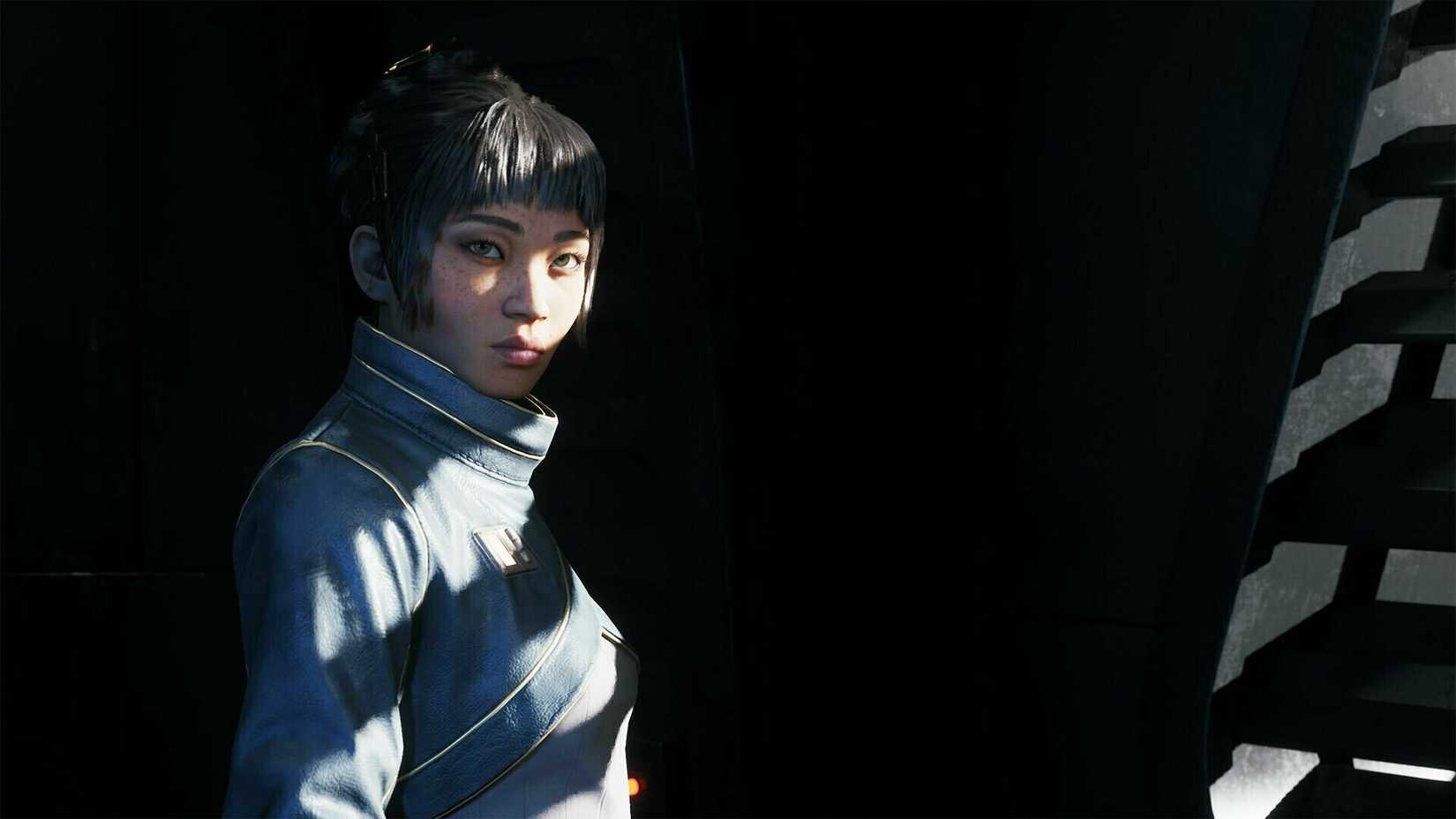
"When players are risking virtual lives on a tactical grid, win-states lose their meaning if the pieces moving across the board are anonymous. We wanted every casualty, every near-miss, and every tactical retreat to carry the weight of real human (and droid) cost. Hawks, Trick, BR-1, and the rest of the crew are designed to make players care enough to hit the restart button."
Industry analysts have similarly lauded EA and Bit Reactor for steering away from predictable shooter mechanics, proving that tactical strategy games can capture the grand, operatic scope of the Star Wars universe while maintaining intimate, character-focused storytelling.
Future Outlook
As players worldwide wrap up their final playthroughs, conquer the punishing endgame bosses, and debate the finer points of squad optimization, attention naturally turns to the future of the Zero Company franchise.
With the title cementing itself as a critical darling and a fan-favorite tactical experience, industry insiders speculate on potential expansions, DLC campaigns focusing on individual squadmates (such as Cly Kullervo’s past or Tel-Rea’s trials), or fully fledged sequels exploring different eras of galactic conflict. Whatever path Bit Reactor and EA choose to pursue next, Star Wars Zero Company has permanently raised the bar for what players should expect from strategic adaptations in a galaxy far, far away—proving definitively that behind every successful tactical maneuver is a crew you are willing to move mountains to protect.