Executive Overview
The intersection of Silicon Valley tech culture and the stark urban realities of San Francisco has once again erupted into controversy, casting a harsh light on the ethics of rapid prototyping and AI-assisted development. Pierre-Louis Biojout, the founder of the Y Combinator-backed artificial intelligence startup NanoCorp, faced a severe backlash from local residents, community advocates, and city leaders after launching a web-based video game that turned San Francisco’s deeply vulnerable Tenderloin neighborhood into a virtual war zone.
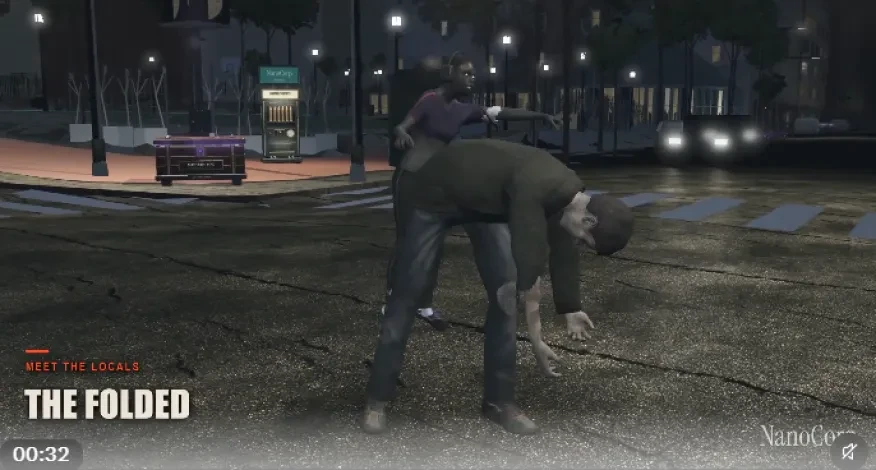
The game, titled Tenderloin Night Shift, was built over a single weekend utilizing contemporary "vibe coding" practices—a colloquialism for fast, AI-accelerated software development. Styled as a Call of Duty-esque first-person shooter set against the backdrop of real San Francisco streets, the game tasked players with gunning down digital caricatures of the neighborhood’s residents. According to reports from regional outlets including the San Francisco Chronicle and KRON4, the character models featured in the game included a Black security guard and a visibly distressed individual depicted in the distinct physical posture of a fentanyl addict.
Within hours of its release, the project sparked widespread condemnation across social media and official channels. Critics argue that the game crossed a moral boundary by gamifying the acute human suffering, homelessness, and open-air drug crisis that plague one of the city’s poorest districts. Despite Biojout swiftly deleting his promotional posts on X (formerly Twitter) and removing the game from NanoCorp’s corporate website, the fallout has reignited long-standing tensions between the tech elite and the local communities they inhabit.
This incident serves as a cautionary tale about the reckless application of generative technology and casual entertainment concepts to real-world humanitarian crises, raising critical questions about corporate responsibility, the cultural blind spots of Silicon Valley’s startup ecosystem, and the urgent need for ethical guardrails in modern software development.
Detailed Chronology: From Weekend Project to Global Backlash
The Genesis of Tenderloin Night Shift
The controversy began over a weekend when Pierre-Louis Biojout, leveraging the rapid iteration capabilities afforded by modern AI coding assistants, conceptualized and deployed a web-based browser game. Embodying the ethos of the fast-moving tech entrepreneur, Biojout viewed the project as a casual "vibe coding" exercise—a quick weekend build intended to showcase technical execution and generate online engagement.
The setting chosen for the game was San Francisco’s Tenderloin neighborhood, a historic district long characterized by economic hardship, but in recent years, overwhelmed by the devastating impacts of the opioid crisis, homelessness, and systemic neglect. Rather than treating the neighborhood’s plight with gravity or empathy, the game repurposed its streets into a virtual shooting gallery.
The Launch and Initial Bragging Rights
On October 13, Biojout took to X to announce his creation to the tech community. In a post that would quickly become the epicenter of the storm, he wrote:
"San Francisco couldn’t fix the Tenderloin. So I monetized it [as a] Call of Duty style zombie shooter on the real SF streets."
To compound the provocation, Biojout proudly noted that the game had already generated $300 in revenue from in-game advertisements. By framing a humanitarian crisis as a monetization opportunity and a punchline, the post immediately signaled a profound disconnect between the creator and the realities of the city where his startup operates.
The Backlash and Discovery of Content
As the link to Tenderloin Night Shift circulated online, users began exploring the game and detailing its contents. Investigative reporting by local media outlets, including the San Francisco Chronicle and KRON4, revealed deeply disturbing details regarding the game’s character design.
Players were instructed to shoot digital adversaries that explicitly mirrored the marginalized populations of the Tenderloin. Among the character models identified were a Black security guard and an individual modeled to represent a person suffering from advanced fentanyl addiction—complete with the physical posture commonly referred to as the "fentanyl fold."
Damage Control and Retraction
Facing an immediate and ferocious wave of criticism from across the political and technological spectrum, Biojout attempted to distance himself from the implications of his work. He deleted the original promotional post on X and quietly scrubbed Tenderloin Night Shift from NanoCorp’s official website.
In correspondence with journalists, Biojout offered a defense of his intentions, stating that he had never meant to "provoke or to depict shooting real people." He additionally pointed out that the game featured tech workers among its character pool—an argument that did little to mollify critics who viewed the inclusion of vulnerable addicts and minority security personnel as the primary offense.
Despite the digital erasure of the game and its announcement, the discourse it provoked continued to reverberate globally, drawing condemnation from fellow tech executives, community organizers, and urban policy experts alike.
Supporting Context & Metrics: The Tenderloin Crisis and Tech Insensitivity
To fully understand the magnitude of the public outrage, one must examine the socio-economic reality of the Tenderloin and the fragile ecosystem of San Francisco’s tech community.
The Reality on the Ground in the Tenderloin
San Francisco’s Tenderloin district is a densely populated neighborhood measuring roughly 50 square blocks. For decades, it has served as a port of entry for immigrants, a haven for working-class families, and a sanctuary for marginalized populations, including the LGBTQ+ community and individuals experiencing poverty.
In recent years, however, the neighborhood has been ground zero for the nation’s devastating synthetic opioid epidemic. Public health metrics paint a grim picture:
- Overdose Rates: San Francisco has lost hundreds of lives annually to drug overdoses, with a significant concentration occurring on the sidewalks and SRO (Single Room Occupancy) hotels of the Tenderloin.
- Poverty and Housing: The neighborhood boasts the highest concentration of children and families living below the federal poverty line in San Francisco, alongside a sprawling population of unhoused individuals.
- Public Health Emergencies: Open-air drug markets, discarded paraphernalia, and the physical toll of addiction are daily realities for residents who call the district home—not virtual entertainment assets.
The "Vibe Coding" Phenom and Silicon Valley Blind Spots
The incident also highlights a growing cultural phenomenon within the tech industry: "vibe coding." Powered by advanced large language models and rapid prototyping tools, developers can conjure fully functioning applications, websites, and games in a matter of hours. While this democratization of software creation has accelerated innovation, it has also stripped away the traditional friction points that once forced developers to pause and reflect on the social implications of their work.
When speed and "shipping" become the sole metrics of success, ethical considerations are frequently sidelined. Biojout’s project exemplifies a dangerous blind spot shared by a subset of tech entrepreneurs who view San Francisco not as a community of human beings, but as an open-air laboratory, a political talking point, or, in this case, a dystopian playground.
Official Statements and Industry Reactions
The release of Tenderloin Night Shift triggered a swift and unified condemnation from community leaders, advocacy groups, and even members of the tech industry itself.
Community and Advocacy Responses
Jennifer Friedenbach, executive director of the SF Coalition on Homelessness, did not mince words when addressing the controversy in her statement to the San Francisco Chronicle:
"Biojout is monetizing the dehumanization and pretend killing for fun of mostly Black and Brown residents of the poorest neighborhood in San Francisco."
Friedenbach’s comments underscored the racial and economic dynamics at play. The Tenderloin’s most vulnerable residents—disproportionately people of color—were effectively reduced to digital targets in a game designed to generate ad revenue for a tech founder.
Outrage Within the Tech Community
Significantly, the backlash was not confined to outside observers; prominent figures within the technology sector expressed profound disgust at the project.
In a widely shared post on X, a prominent tech chief technology officer confronted Biojout directly:
"You made a game about shooting people in active addiction. These are human beings, not zombies. Show me the positive side of this—i’m probably blind."
In a defensive reply that further inflamed critics, Biojout doubled down on the abstraction of his creation: "Why are you talking about addiction? It’s a zombie shooter."
This refusal to acknowledge the clear real-world parallels drew sharp rebukes. However, the controversy also exposed a darker undercurrent within certain online tech circles. A minority of commenters defended Biojout’s creation, with one user declaring of the neighborhood’s residents that "They are currently NOT human beings," while another joked about using the game to "train" before visiting San Francisco. These responses laid bare the dehumanizing rhetoric that frequently circulates in digital echo chambers regarding urban homelessness and addiction.
Future Outlook: Accountability and the Soul of Silicon Valley
As the digital dust settles on Tenderloin Night Shift, the incident leaves behind critical questions regarding accountability, corporate governance, and the future relationship between Silicon Valley and San Francisco.
The Y Combinator Factor
As an enterprise backed by Y Combinator—arguably the world’s most prestigious startup incubator—NanoCorp carries an implicit stamp of approval from the upper echelons of the tech establishment. While accelerators traditionally focus on product-market fit, scalability, and technological innovation, this incident forces a reckoning regarding founder vetting and ethical codes of conduct. Stakeholders and investors are increasingly being forced to ask whether toxic corporate cultures and profound lack of empathy are becoming acceptable collateral damage in the pursuit of hyper-growth.
Bridging the Urban Divide
San Francisco has long struggled to bridge the chasm between its booming wealth-generating technology sector and its struggling street-level communities. Initiatives aimed at fostering collaboration between tech companies and city services have often met with skepticism, and stunts like Tenderloin Night Shift actively destroy years of fragile goodwill.
Moving forward, community leaders are calling for more than just the deletion of offensive software. They demand a cultural shift within the startup ecosystem—one that recognizes the humanity of the neighbors living outside corporate headquarters and incubator offices.
Ultimately, Tenderloin Night Shift will be remembered not as a clever weekend hack, but as a sobering reminder of the ethical perils of unchecked technology, proving that code written in a vacuum can inflict very real, lasting damage on the social fabric of a city.