Executive Overview
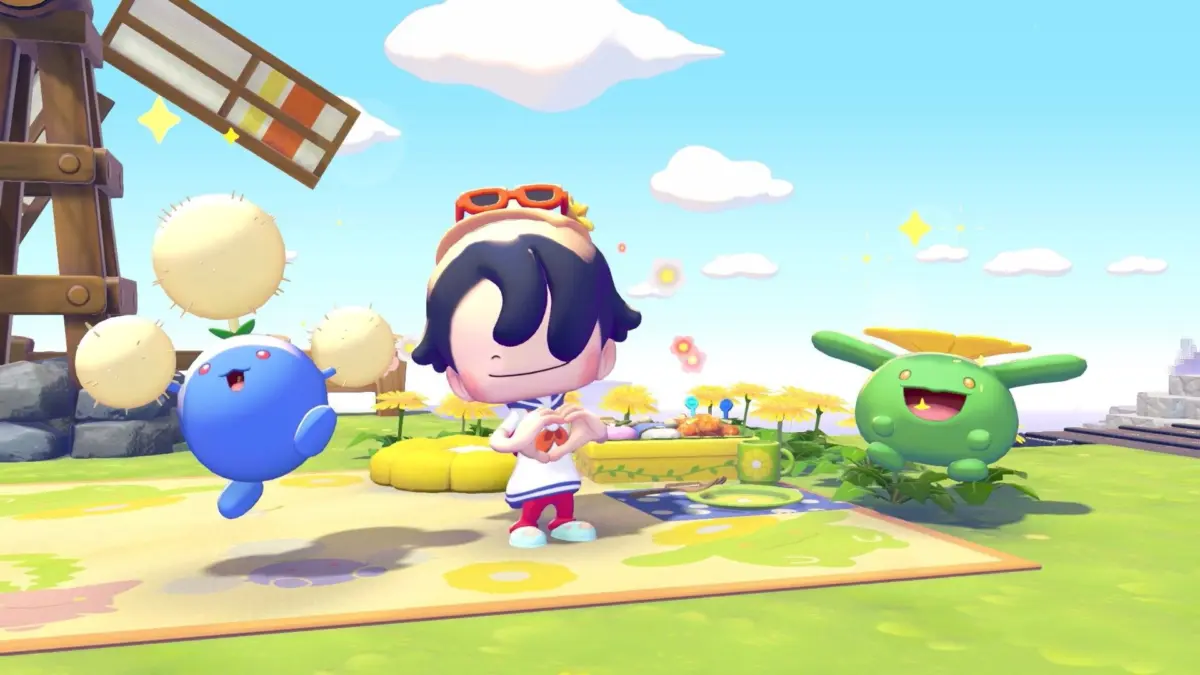
Pokémon Pokopia has captured the imagination of simulation and monster-collection fans alike, blending classic franchise elements with deep world-building, base-construction, and habitat management. As players work to transform their islands into thriving ecosystems, developer choices have introduced a dynamic layer of gameplay: limited-time events. Throughout the calendar year, Pokémon Pokopia rolls out special-event items, unique furniture, seasonal decor, and visiting Pokémon that can only be accessed during designated windows.
For completionists and casual decorators alike, these time-sensitive happenings introduce a thrilling sense of urgency. However, unlike live-service titles that lock players out permanently if they miss a window, Pokémon Pokopia accommodates busy schedules by supporting system-clock manipulation, allowing players to "time travel" to experience missed content.
This comprehensive guide breaks down the architecture of Pokémon Pokopia’s special events, details how time travel works within the game’s strict daily reset parameters, provides a look at the current event roster, and offers a holistic overview of supplementary resources to maximize your island-building potential.
Detailed Chronology and Event Structure
As of the latest updates, Pokémon Pokopia features eight distinct limited-time events. These occasions vary widely in scope, ranging from lighthearted single-day celebrations to multi-day collaborative tasks involving special event Pokémon.
Categorizing the Events
The existing lineup can be broken down into three core categories:
- The April Fools’ Day Celebration: A brief, whimsical, single-day occurrence designed to surprise players with unusual behaviors, environmental anomalies, or gag items.
- Mini-Game Showcases: Two specialized events centered around testing player reflexes, puzzle-solving, or interactive mechanics for exclusive high-score rewards.
- The Habitat & Collection Quests: Five extensive events that task players with assisting special event Pokémon in gathering specific materials. In return, these Pokémon grant access to unique furniture sets, custom exterior decor, and specialized building blueprints.
The Mechanics of "Time Traveling"
Because many players cannot log in on exact calendar dates due to work, school, or other commitments, the development team has permitted a degree of flexibility via system-level time travel. By altering your system clock within the Nintendo Switch 2 settings, you can shift your game timeline backward or forward to intercept any active event.
However, mastering time travel in Pokémon Pokopia requires a precise understanding of the game’s internal clock rules:
- The Daily Reset Window: A "new day" in Pokopia officially begins at 5:00 AM.
- Setting the Clock: To properly trigger an event on its opening day, you must adjust your console clock past the 5:00 AM threshold on the designated date.
- Expiration Thresholds: Conversely, events do not linger through the entire calendar day of their conclusion. They officially end at 4:59 AM on the listed end date. Failing to account for this one-minute buffer will result in missing out on the event’s final window.
- The 3D Printer Backup: If you miss an event entirely and prefer not to manipulate your system clock, hope is not lost. Most items introduced during these limited-time windows can eventually be replicated using the 3D printer located within local Pokémon Centers, provided you have unlocked the necessary schematics or traded with a player who secured the original items.
Supporting Context & Metrics: Island Progression and Resource Management
While special events provide aesthetic flair and bragging rights, they sit atop a vast foundation of core gameplay mechanics. Managing an island in Pokopia requires balancing habitat layouts, monitoring Pokémon spawn requirements, and progressing through a narrative-driven campaign.
The Pokedex and Habitat Dex
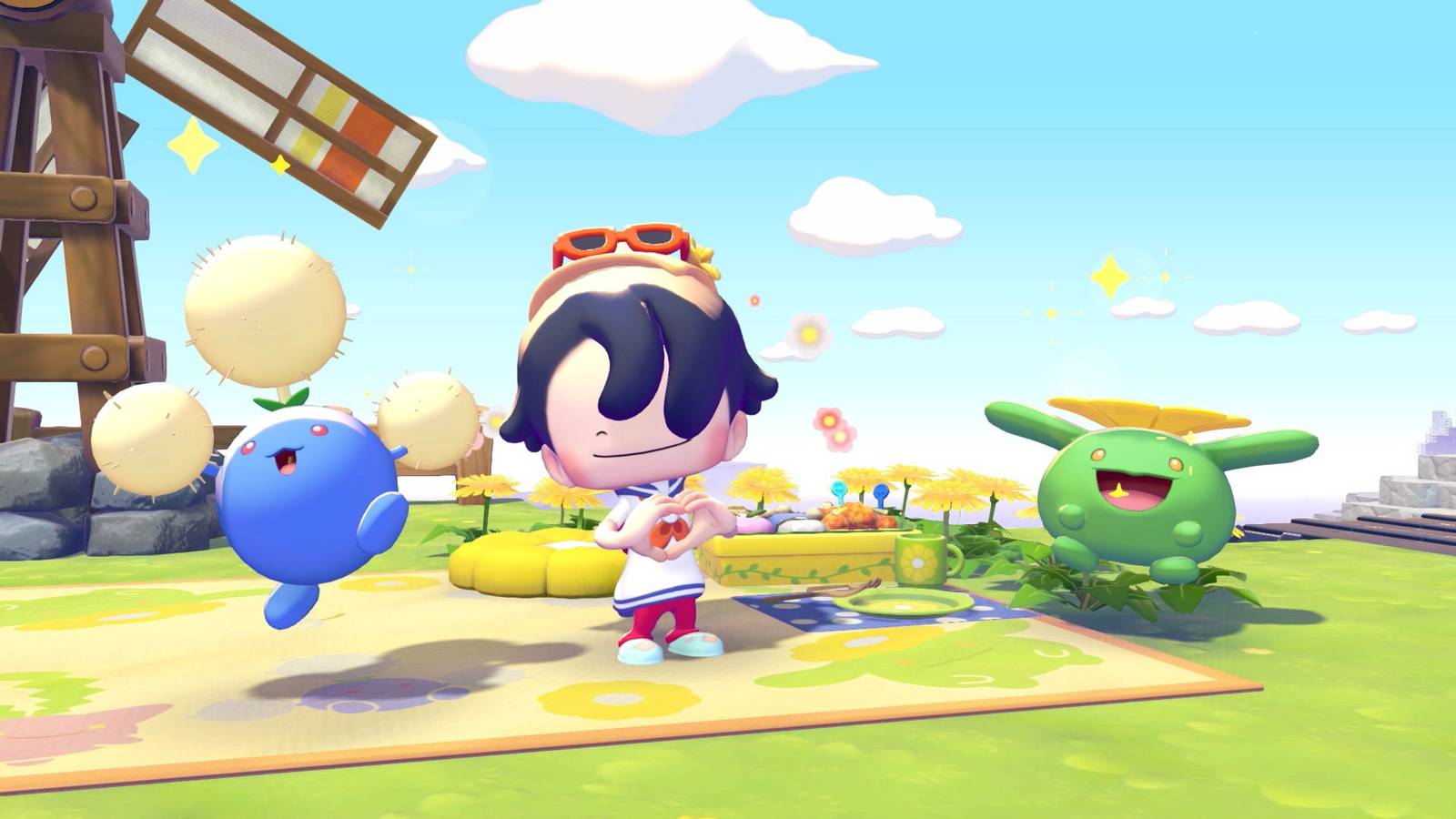
To make the most of your island, understanding spawn logic is essential. Pokopia features two critical tracking systems:
- The Specialty Pokédex: Catalogs the creatures that inhabit your world, detailing their behavioral quirks, favorite foods, and interaction preferences.
- The Habitat Dex: Outlines the exact structural requirements needed to summon specific species. If you are wondering why a rare Pokémon refuses to visit your biome, consulting the Habitat Dex will reveal whether you need to add specific flora, water features, or architectural landmarks.
Essential Story Walkthroughs
Progression in Pokémon Pokopia relies heavily on fulfilling major collaborative requests. These large-scale communal tasks shift the environmental parameters of your world, unlocking new regions and building types. Key milestones include:
- "Yawn up a Storm!": A meteorological challenge requiring players to raise humidity levels to 100 points, transforming dry plains into lush, rain-slicked wetlands.
- "Brighten Things Up!": Focused on maximizing Bloom Points with the assistance of unique flora and specific Pokémon, this quest revitalizes dull landscapes into vibrant color palettes.
- "Time to Party!": A mood-elevation quest that tasks players with orchestrating social gatherings, raising overall island morale to unlock festive structures.
- "Build the Huge Building!": A massive infrastructural undertaking requiring rare resources—such as specialized paper and glowing stones—to erect landmark structures that alter your island’s skyline.
Multiplayer Dynamics and Restrictions
Building an island is often better with friends, but Pokopia implements specific rules for shared spaces:
- Standard Multiplayer: Allows players to visit neighboring islands via Cloud Island connections or local wireless networks, though resource-sharing and modification permissions depend on the host’s settings.
- GameShare Limitations: For players utilizing the GameShare version of the title, distinct restrictions apply to how much of the island can be explored, edited, or saved, making it crucial to understand the boundary lines before inviting secondary users into your digital sanctuary.
Official Statements and Design Philosophy
While the team behind Pokémon Pokopia maintains a measured cadence regarding future content rollouts, developer commentary accompanying major updates has consistently highlighted a desire to balance player FOMO (Fear Of Missing Out) with meaningful seasonal engagement.
In early community briefings, design leads emphasized that Pokopia was conceived as a "relaxing sandbox first, and a live-service game second." This philosophy explains the inclusion of permissive mechanics like system-clock time travel and 3D printer item replication. Rather than punishing players for missing a specific weekend due to real-world obligations, the developers deliberately engineered safety nets. These systems ensure that anyone willing to put in the logistical legwork—whether through manual clock manipulation or long-term resource grinding at a Pokémon Center—can eventually curate a complete collection of decorative goods, clothing items, and habitat decorations.
Future Outlook: What Lies Ahead for Pokopia
As Pokémon Pokopia matures, the community eagerly anticipates how the event calendar will expand. Industry analysts and early player data suggest several exciting trajectories for future updates:
- Expanded Seasonal Rotations: With only eight events documented at launch, future patches are expected to introduce multi-season rotations tied to real-world solstices, equinoxes, and cultural celebrations.
- Deeper Event-Pokémon Interactions: While current event Pokémon primarily assist in gathering standard resources for specific furniture sets, future iterations may introduce unique minigames, evolutionary paths, or narrative questlines exclusive to visiting seasonal visitors.
- Enhanced Multiplayer Event Integration: As Cloud Island infrastructure scales, future updates may feature cooperative event goals, where global communities pool their resources to unlock server-wide rewards, blending solo island customization with massive collaborative efforts.
For now, players are advised to audit their current calendars, check their Nintendo Switch 2 system settings if they wish to experience past events, and utilize community guides to ensure their islands are fully prepared for whatever seasonal surprises Pokémon Pokopia rolls out next. Whether you are a meticulous decorator striving for the ultimate aesthetic or a completionist hunting down every rare variant, keeping a watchful eye on the event schedule remains the ultimate key to mastering island life.