Executive Overview
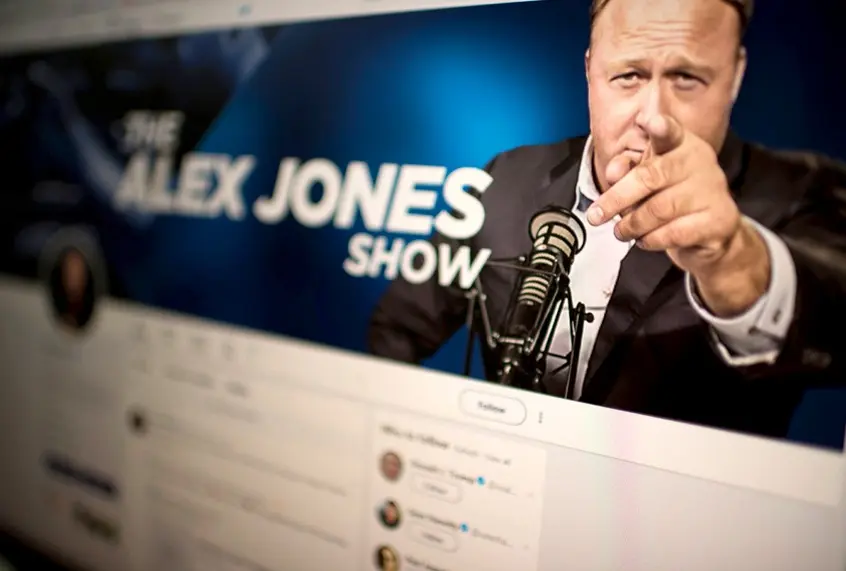
In August 2018, the digital landscape underwent a profound and long-overdue reckoning regarding the responsibilities of major technology corporations in moderating harmful content. For years, far-right conspiracy theorist and InfoWars founder Alex Jones operated with near-total impunity across the most prominent social media networks, leveraging his reach to disseminate cruel hoaxes, conspiracy theories, and inflammatory rhetoric. However, a historic tipping point was reached when mainstream tech giants systematically coordinated a ban, stripping Jones of his digital megaphones.
Twitter, long an outlier among its Silicon Valley peers for its staunch defense of free-expression absolutism, finally broke its own precedent. Facing intense public pressure and clear violations of its terms of service, Twitter imposed a seven-day suspension—colloquially termed a "timeout"—on Jones’s personal and professional accounts. This decision marked a sharp policy reversal for CEO Jack Dorsey, who had previously resisted removing Jones on the grounds that doing so would be subjective and politically fraught.
This comprehensive report examines the sequence of events that forced Twitter’s hand, the broader industry-wide exodus of Jones from digital platforms, the philosophical debate surrounding content moderation led by Dorsey, and the implications of these policy shifts for the future of online discourse.
Detailed Chronology: The Fall of the InfoWars Empire Online
The coordinated deplatforming of Alex Jones in the summer of 2018 was not an isolated incident, but rather the culmination of years of escalating violations, mounting legal pressures, and intense public advocacy.
Years of Harassment and Incitement
For over a decade, Alex Jones used InfoWars and his personal social media profiles to promote baseless, harmful narratives. These included the "9/11 truther" movement, false allegations of pedophilia leveled against various public figures and government officials—including Special Counsel Robert Mueller—and the persistent, grotesque claim that the parents of children murdered in the 2012 Sandy Hook Elementary School massacre were paid actors.
While these falsehoods routinely violated standard terms of service regarding harassment and hate speech, tech platforms largely permitted Jones to remain under the banner of protecting free expression and driving user engagement. The real-world consequences of these campaigns, however, became impossible to ignore. Grieving Sandy Hook parents faced intense harassment and death threats from InfoWars followers, prompting multiple high-stakes defamation lawsuits that threatened Jones with millions of dollars in financial liabilities.
The Silicon Valley Exodus (Early August 2018)
The dam finally broke in the first week of August 2018. Within a span of days, a domino effect swept through Silicon Valley as major platforms independently concluded that Jones’s output crossed the line from provocative commentary into direct hate speech and harassment:
- Apple: Removed the vast majority of InfoWars podcasts from its Podcasts app, citing violations of guidelines prohibiting content that encourages hatred, discrimination, or malicious attacks.
- Facebook: Took down four primary pages belonging to Jones and InfoWars, citing repeated violations of community standards regarding hate speech and glorifying violence.
- Spotify and Pinterest: Purged Jones-related audio content and pinned boards from their respective platforms.
- YouTube (Google): Terminated multiple channels associated with InfoWars, citing egregious violations of hate speech and harassment policies.
Twitter’s Holdout and Eventual Pivot
Despite the actions taken by its competitors, Twitter initially resisted joining the ban. As late as mid-August 2018, Jack Dorsey defended the company’s stance, arguing that Jones had not technically violated Twitter’s specific rules at that moment, and expressing deep reluctance to enforce policies based on the subjective whims of management.
However, the resistance collapsed on Tuesday, August 14, 2018. Jones posted a video directing his followers to get their "battle rifles" ready and prepare for a physical "fight" against the mainstream media and various political opponents. This direct call to arms violated Twitter’s core rules against individuals or organizations that "use or promote violence against civilians to further their causes."
Faced with an undeniable rules violation, Twitter suspended Jones’s personal account and the official InfoWars account for seven days—a measure that shocked observers accustomed to the platform’s hands-off approach.
Supporting Context & Metrics: The Mechanics of Content Moderation
The suspension of Alex Jones brought underlying tensions in modern digital governance to the forefront. Observers, policy experts, and tech executives found themselves grappling with a fundamental question: Where is the boundary between safeguarding public safety and censoring protected speech?
The Scale of the InfoWars Ecosystem
At the height of his digital influence, Alex Jones commanded an empire that spanned multiple networks, generating millions of views daily.
- Reach: Prior to his bans, Jones’s Facebook page boasted over a million followers, while his primary YouTube channel had surpassed 2.4 million subscribers.
- Monetization: A significant portion of InfoWars‘ revenue relied on e-commerce—selling survivalist gear, dietary supplements, and merchandise directly to the audiences cultivated through his social media channels. Deplatforming effectively severed these vital sales funnels.
- Remaining Outlets: Following the August 2018 sweeps, Twitter’s Periscope live-streaming service remained one of the few prominent video-streaming tools accessible to Jones, highlighting the fragmented nature of platform enforcement policies at the time.
The "Timeout" Controversy
Twitter’s choice of a seven-day suspension rather than a permanent ban drew immediate scrutiny. Critics argued that a temporary timeout was a slap on the wrist for an individual who had repeatedly endangered public safety and violated harassment policies for years.
Conversely, defenders of the policy argued that progressive disciplinary models—ranging from temporary lockouts to permanent bans—provide a transparent framework that prevents companies from acting arbitrarily. Nevertheless, the speed with which public pressure forced Twitter to abandon its previous defense of Jones underscored just how fragile corporate neutrality claims had become.
Official Statements and Public Discourse
The high-profile nature of the ban prompted immediate public commentary from the key figures involved, sparking debates across cable news and digital columns alike.
Jack Dorsey’s Defense and Clarification
In an exclusive interview with Lester Holt on NBC Nightly News, Twitter CEO Jack Dorsey articulated the philosophical tightrope the company walked regarding content moderation:
"We can’t build a service that is subjective just to the whims of what we personally believe… I feel any suspension, whether it be a permanent or a temporary one, makes someone think about their actions and their behaviors."
When pressed by Holt on whether a weeklong suspension would realistically change Jones’s behavior, Dorsey remained pragmatic and candid:
"Whether it works within this case to change some of those behaviors and change some of those actions, I don’t know. But this is consistent with how we enforce."
Following the broadcast of the interview, Dorsey took to Twitter to provide further nuance regarding his comments on "timeouts":
"To clarify: I was speaking broadly about our range of enforcement actions, when asked why we timeout functionality on Twitter. I don’t assume everyone will change their actions. Enforcement gets tougher with further reported violations."
Media Criticism and Accountability
Journalists and media watchdogs pointed out that Jones’s removal was long overdue. Investigators noted that his sustained campaigns of misinformation—particularly his targeted harassment of the Sandy Hook families—had caused profound psychological trauma and physical security risks for private citizens. Media analysts argued that tech companies had spent years hiding behind "free speech" absolutism to avoid the difficult labor of editorial responsibility, allowing toxic conspiracy theories to monetize outrage at the expense of societal well-being.
Future Outlook: The New Era of Platform Accountability
The coordinated deplatforming of Alex Jones in August 2018 fundamentally altered the relationship between social media conglomerates and high-profile purveyors of misinformation. It proved that Silicon Valley giants, when pushed by public consensus and undeniable policy breaches, possess the collective power to marginalize bad actors on a global scale.
However, the episode also exposed significant vulnerabilities in digital governance:
- Inconsistent Enforcement: The fragmented approach—where Apple, Facebook, and YouTube enacted permanent or sweeping bans while Twitter initially opted for a temporary timeout—demonstrated a lack of unified industry standards.
- The "Whack-a-Mole" Phenomenon: Deplatforming forces bad actors to migrate toward fringe, poorly moderated alternative platforms (such as Gab, BitChute, or specialized forums), creating insular echo chambers that can radicalize followers further away from public scrutiny.
- The Precedent of Corporate Censors: Civil liberties advocates warned that granting private corporations unchecked authority to define and punish "hate speech" or "dangerous behavior" opens the door to arbitrary censorship, which could disproportionately impact marginalized voices or political dissidents in the future.
Ultimately, Twitter’s temporary suspension of Alex Jones—and the broader industry purge that accompanied it—served as a watershed moment. It signaled the end of the laissez-faire era of social media, forcing tech executives to acknowledge that neutrality is impossible when algorithms and corporate policies actively amplify harassment, disinformation, and real-world harm. As platforms continue to evolve their moderation strategies, the legacy of the Alex Jones deplatforming remains a critical case study in the ongoing struggle to balance free expression with public safety in the digital age.