Executive Overview
High-altitude mountaineering has long served as a visceral laboratory for human endurance, testing the physiological limits of oxygen deprivation, extreme temperature management, and psychological resilience. Yet, beyond the physical toll of vertical ascent lies a more profound, less frequently examined trial: the architecture of absolute accountability.
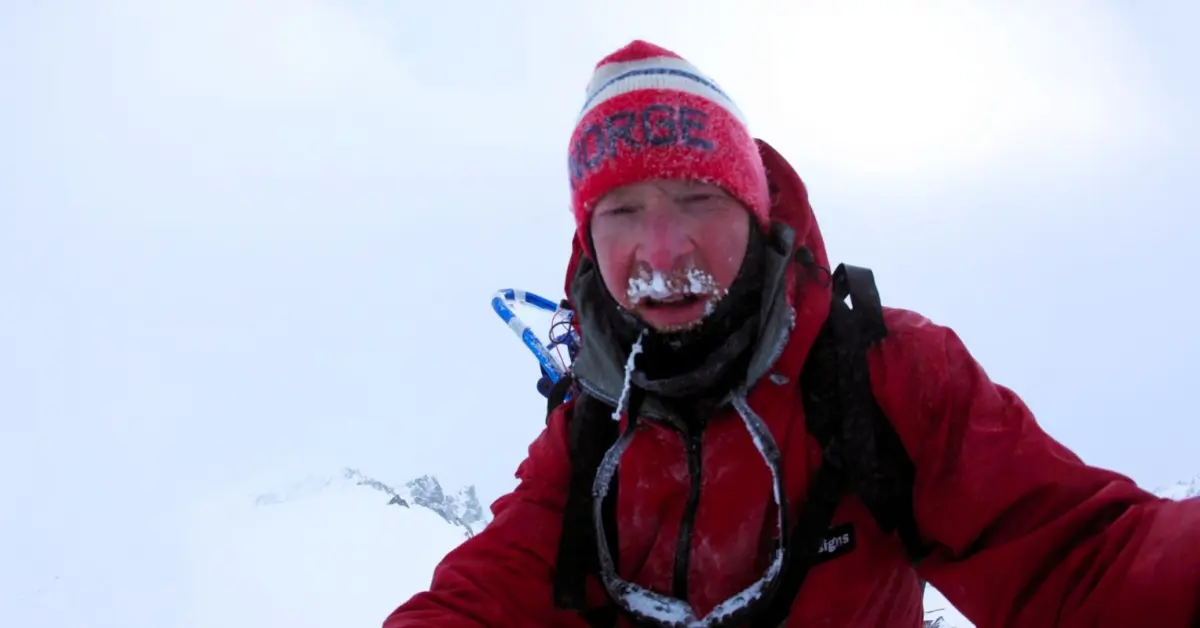
In a historic expedition across the remote Altai Mountains of Mongolia, a seasoned mountaineer and expedition leader pushed past the boundaries of conventional alpine exploration to set a world record for the most solo first ascents in the country’s history. Executed during the dead of winter, the expedition was defined not merely by the collection of virgin summits, but by the unforgiving environment in which it unfolded. Temperatures plummeted past -30°F, unyielding blizzards battered the slopes, and physical hazards—ranging from hidden river ice traps to progressive hypothermia and frostbite—demanded instantaneous, flawless decision-making.
This report examines the anatomy of the expedition, the operational frameworks required to survive Mongolia’s brutal winter wilderness, and the philosophical framework forged in the crucible of extreme risk. At its core, the narrative explores how the lessons of vertical survival translate to a universal leadership paradigm: the necessity of radical ownership, the distinction between self-blame and operational accountability, and the imperative to act decisively when reality diverges from the plan.
Detailed Chronology: The Winter Siege of the Mongolian Altai
Phase I: Conception, Logistics, and the Approach
The journey toward the Mongolian Altai record books was nearly two years in the making. Unlike commercial expeditions supported by extensive infrastructure, fixed ropes, and large teams of high-altitude guides, this enterprise was built around a hybrid model: a skilled Mongolian logistics team providing critical base-camp support, paired with a solitary climber undertaking the technical, high-exposure first ascents alone.
Planning a winter expedition in Mongolia requires navigating extreme isolation, volatile weather patterns, and severe logistical constraints. Equipment must function flawlessly in sub-zero conditions where mechanical failure equals catastrophic thermal loss. Rations, communications gear, and medical supplies were meticulously vetted during the planning phase in Ulaanbaatar before the team pushed deep into the western reaches of the Altai, near the borders of Russia, China, and Kazakhstan.
From the outset, the division of labor and responsibility was absolute. While the base camp crew managed operational logistics, animal support, and camp safety, every tactical decision on the vertical routes belonged exclusively to the lead climber. The expedition was conceived as a test of self-reliance, deliberately stripping away the safety nets common to modern mountaineering.
Phase II: The Crucible of the Altai Winter
Once the technical climbing phase commenced, the environment exacted an immediate and punishing toll. The Altai winter is characterized by fierce, katabatic winds sweeping off the Siberian steppes, interacting with high-altitude terrain to create whiteout conditions with virtually zero visibility.
Temperatures routinely hovered below -30°F, plunging further with windchill factors that froze exposed skin in seconds. The physical toll accumulated rapidly:
- Thermal Injuries: The climber suffered varying degrees of frostbite, notably on the fingertips, several of which turned black, alongside widespread cracked and raw skin resulting from extreme dehydration and relentless wind exposure.
- Systemic Exposure: Early stages of hypothermia repeatedly tested cognitive function, a dangerous state where decision-making must occur precisely when the brain is least equipped to process complex variables.
- The River Incident: In one of the expedition’s most hazardous near-misses, the climber broke through thin ice into a freezing subterranean-fed river. Trapped by heavy winter boots and snowshoes beneath a shelf of ice, the situation transformed instantly from discomfort into an acute, life-or-death race against terminal hypothermia. Extrication required rapid, calculated self-rescue to strip wet gear and initiate active rewarming before shock set in.
Phase III: Solo Ascents and the Record-Breaking Push
Despite avalanches sweeping the gullies and blinding winds capable of sweeping a grown person off their footing, the expedition pressed forward. Day after day, when meteorological windows permitted, the climber navigated unmapped, unclimbed faces.
Each successful summit added to a historic tally, culminating in a world record for the most solo first ascents in Mongolian history. However, as the climber later reflected, the numerical milestone was quickly overshadowed by the psychological weight of the experience. The true legacy of the Altai was not the peaks checked off a map, but the internal transformation forged during hours of solitary self-interrogation on exposed ridges.
Supporting Context & Metrics
To fully understand the gravity of the Altai expedition, it is necessary to examine the environmental metrics, logistical parameters, and physiological challenges that defined the undertaking.
Environmental and Physiological Data
- Ambient Temperatures: Sustained operations at -30°F to -45°F (-34°C to -42°C), excluding dynamic windchill effects.
- Duration: Nearly 24 months of preparatory logistics followed by weeks of sustained sub-zero operational tempo in the field.
- Medical Trauma: Acute cold-weather injuries including peripheral vasoconstriction, frostnip, first-to-third-degree frostbite symptoms, and localized tissue trauma from ice-water immersion.
- Climbing Style: Pure solo execution of unclimbed routes (first ascents), requiring independent route-finding, risk assessment, and self-rescue capability.
Comparative Analysis: Team Support vs. Solo Execution
| Operational Phase | Responsibility Holder | Primary Function | Risk Profile |
|---|---|---|---|
| Base Camp & Logistics | Mongolian Support Team | Supply chain management, base security, communication relays, animal handling. | Moderate (environmental exposure at lower elevations). |
| Route Selection & Ascent | Solo Climber | Vertical navigation, technical climbing, immediate tactical decisions. | Extreme (unguarded exposure to objective hazards). |
The Philosophy of "Radical Accountability"
A central takeaway from the Altai expedition is the redefinition of accountability in high-risk environments. In high-stakes fields—whether mountaineering, corporate leadership, or crisis management—individuals frequently confuse accountability with self-blame or retrospective guilt.
The Altai experience shattered this misconception. Accountability in the mountains is forward-looking and objective. It requires:
- Unflinching Realism: Accepting weather and terrain conditions exactly as they are, stripping away cognitive biases, hope, and emotional attachment to the original itinerary.
- Real-Time Course Correction: Abandoning a pre-committed plan the moment environmental variables shift beyond safety thresholds. Continuing an ascent simply because "the plan said so" is recognized not as courage, but as reckless endangerment.
- Internalizing Agency: Asking the fundamental diagnostic question during any crisis: "What part of this is mine?" By identifying the variables within one’s sphere of influence, a leader cuts through external noise and focuses entirely on the next actionable step.
Official Statements and Reflections
In post-expedition debriefs and reflections, the lead climber emphasized that the true value of extreme nature expeditions lies in their refusal to tolerate illusion or pretense.
"The mountains don’t let you hide behind good intentions, blame, or a plan that no longer fits the conditions," the expedition leader noted in a retrospective statement. "They force you to confront reality, identify what’s yours to own, and act before hesitation becomes a greater threat than the original problem."
Reflecting on the psychological distinction between accountability and punitive self-criticism, the leader added:
"Beating yourself up after something goes wrong, whether it’s your fault or not, doesn’t necessarily make you better at handling what comes next. Accountability begins before the crisis. It means recognizing the signals you can’t afford to ignore, preparing for what you can, and accepting your part when things don’t go as planned. You may not be responsible for the problem, but you’re still responsible for your next move."
Members of the Mongolian logistics team also highlighted the rigorous communication protocols and mutual respect required to operate safely in the Altai wilderness during winter, noting that local expertise combined with international expedition planning created a resilient operational shield against the region’s notorious unpredictability.
Future Outlook & Broader Implications
The completion of the record-breaking Altai winter ascents marks a significant milestone in Central Asian mountaineering, opening new pathways for ethical, low-impact exploration in remote ranges historically overlooked by commercial operators.
However, the broader impact of the expedition extends far beyond alpine logistics. As society navigates increasingly complex economic, professional, and personal landscapes—where variables are rarely as clean-cut as routes on a topographic map—the framework forged in the Altai offers a durable model for modern leadership.
Key Takeaways for High-Stakes Decision-Makers:
- Decouple Emotion from Data: In crises, emotional investment in a failing strategy must be ruthlessly discarded in favor of empirical reality.
- Pre-Crisis Preparation: True accountability is established long before a crisis occurs, through rigorous preparation, honest risk assessment, and the identification of early warning signals.
- Maintain Engagement: Difficult circumstances—whether a blizzard in the Altai or a structural disruption in an organization—do not disappear through denial. Radical accountability keeps leaders actively engaged with the levers of influence still within their control.
Ultimately, the Altai Mountains served as a harsh yet brilliant instructor. Mongolia did not teach how to make harsh circumstances disappear; it taught something infinitely more valuable: how to remain fully engaged, clear-headed, and resolutely in command of the actions that remain one’s own to lead.