Executive Overview
In the sprawling, hyper-accelerated ecosystem of contemporary internet culture, specific cultural touchstones emerge not through deliberate corporate campaigns or coordinated marketing strategies, but via the chaotic, organic alchemy of social media. The latest viral phenomenon to capture the digital zeitgeist is the Theo Von "Nigga It’s Over" meme—alternatively known simply as "Nigga It’s Over Memes." Spanning Instagram image macros, X (formerly Twitter) reaction videos, and advanced artificial intelligence generation, this meme has rapidly evolved from a niche, user-generated joke into a ubiquitous digital shorthand for existential defeat.
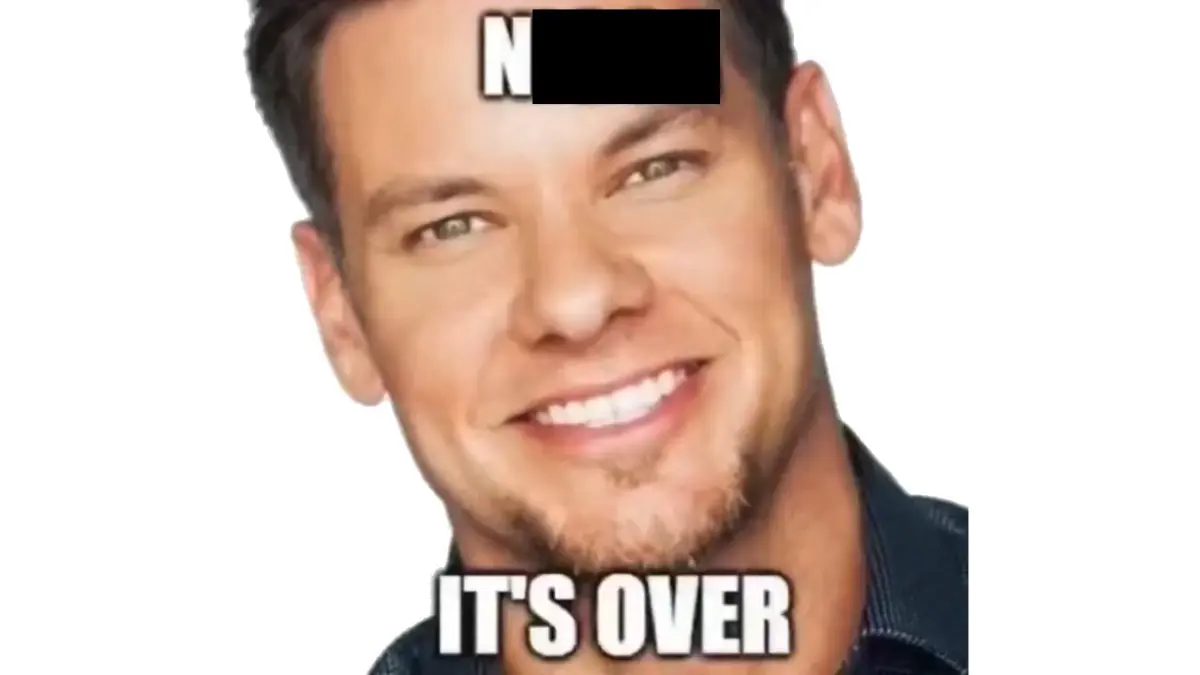
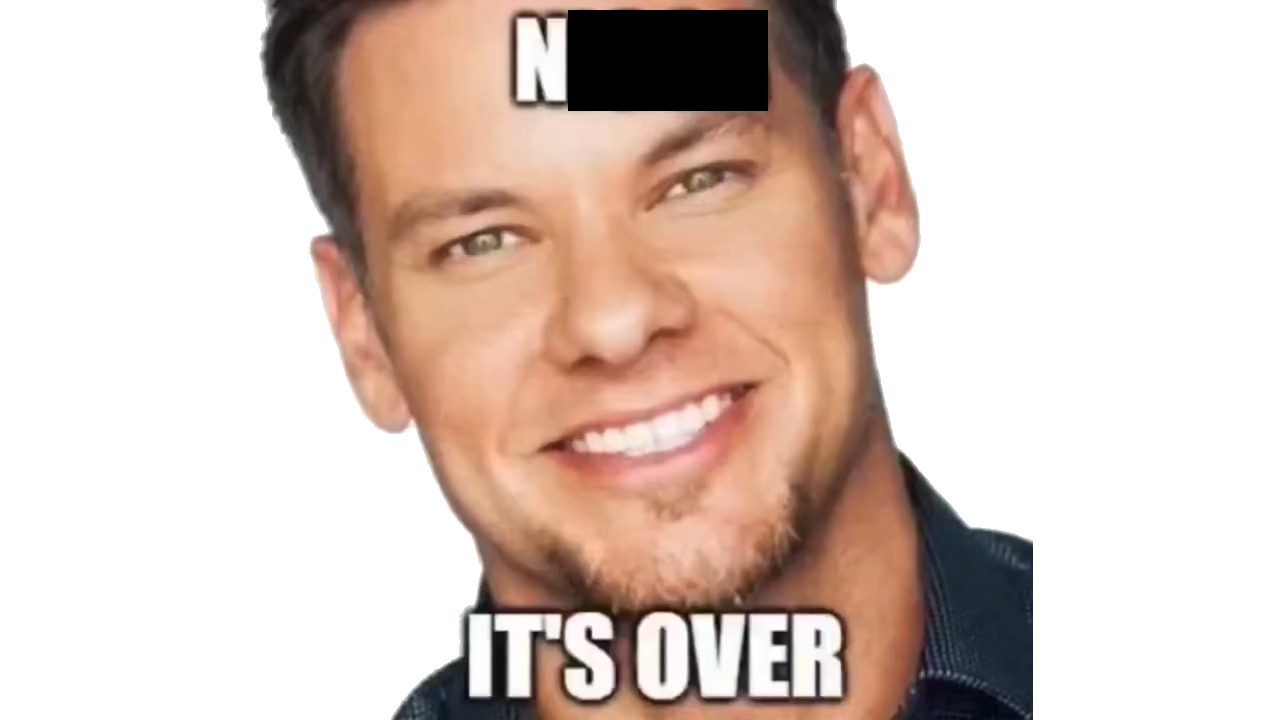
At its core, the phenomenon relies on a smiling, conversational image macro of popular comedian and podcast host Theo Von accompanied by the blunt, colloquial, and darkly humorous caption: "Nigga, it’s over." What began in early 2026 as a quiet, low-engagement graphic on Instagram transformed by October of that same year into a massive, multi-platform multimedia trend. Leveraging generative AI tools, internet users have expanded the format far beyond its original boundaries, animating Von to deliver the line with eerie realism, while simultaneously casting other high-profile public figures, political leaders, and pop-culture icons in the same hopeless role.
This deep-dive investigation explores the precise origin, explosive spread, cultural implications, and technological catalysts behind one of the most distinctive internet memes of 2026. By examining the lifecycle of this digital artifact, we gain critical insight into how generative media continues to reshape modern humor, parasocial relationships, and the daily communication patterns of millions online.
Detailed Chronology: From Static Roots to AI-Driven Virality
The trajectory of the "Nigga It’s Over" meme offers a fascinating case study in how modern internet humor incubates within small digital subcultures before erupting into the mainstream consciousness. The timeline can be neatly divided into two distinct phases: the pre-AI static image macro era and the explosive, generative-video renaissance of late 2026.
Phase 1: The Incubation Period (April – June 2026)
Long before synthetic media turned the phrase into a household internet joke, the foundational elements of the meme were quietly assembled on Instagram.
- April 18th, 2026: The earliest known conceptual ancestor of the meme appeared on Instagram via user
@schlazawg. The post featured a now-iconic, smiling photograph of comedian Theo Von paired with the text, "Nigga it will never end." Bearing a watermark from the account@greetingsnigga—a digital footprint that has since vanished—this initial post was modest in its reception, collecting a mere 25 likes over a six-month span. It demonstrated no immediate signs of viral potential, serving instead as an esoteric piece of shitposting. - June 13th, 2026: The definitive pivot point for the text occurred when Instagram user
@owen_kungrepurposed the same photograph of Theo Von but fundamentally inverted the sentiment. Replacing the optimistic denial with absolute resignation, the new caption read, "Nigga it’s over." This iteration struck a resonant chord within specific meme-sharing circles. Within four months, the post accumulated over 5,500 likes. - The June 13th Reposts: Recognizing the immediate comedic value of the juxtaposition, Instagram user
@hardlypcpromptly reposted the image on the same day. This secondary amplification proved vital, driving an additional 14,300 likes and embedding the image firmly into the algorithmic stream of Instagram’s meme underground.
Phase 2: The Generative Explosion (October 2026)
While the static image macros enjoyed steady, localized circulation throughout the summer, the meme’s transformation into a juggernaut occurred in October 2026, catalyzed by advancements in consumer-accessible artificial intelligence.
- October 4th, 2026: X user
@bergen_exeuploaded a watershed piece of media: an AI-generated video in which Theo Von’s likeness is animated to verbally read the phrase "Nigga it’s over," set against the brooding, nostalgic backdrop of Breaking Benjamin’s 2006 rock anthem "Blow Me Away." Posted in direct response to a Claude-generated music video born from hours of algorithmic TikTok scrolling, the synthetic video was an immediate sensation. It racked up over 33,000 likes in just three weeks, signaling to the wider internet that the meme had entered a new technological dimension. - Late October Viral Expansion: Following
@bergen_exe‘s breakthrough, X users began rapidly experimenting with AI generation tools, applying the format to a diverse array of celebrities, fictional characters, and sociopolitical figures. The meme transcended its creator, becoming a blank template for expressing collective dread, sudden defeat, or absurd fatalism in the face of modern digital life.
Supporting Context & Metrics: The Mechanics of a Digital Phenomenon
To fully understand why the Theo Von "Nigga It’s Over" meme resonated so powerfully, one must analyze the unique cultural positioning of Theo Von himself, the psychological appeal of absurdist fatalism, and the technical mechanics fueling its distribution.
The Theo Von Factor
Theo Von occupies a singular space in the modern media landscape. Known for his wildly unpredictable southern cadence, bizarre childhood anecdotes, and an earnest, smiling demeanor that often masks deadpan observations, Von is uniquely meme-able. His persona bridges the gap between traditional stand-up comedy and internet absurdity. When users encounter an AI-generated rendering of Von delivering a brutally definitive pronouncement with a warm smile, the cognitive dissonance creates immediate comedic value. It mimics the sensation of listening to a trusted friend deliver terrible news with misplaced optimism.
The Psychology of "It’s Over"
In internet subcultures, the phrase "it’s over" has long served as a staple of defeatist irony. Whether reacting to minor inconveniences—such as a platform UI update, a bad video game patch, or broader sociopolitical anxiety—users frequently lean into hyperbolic despair. By attaching this sentiment to familiar cultural figures via high-fidelity AI tools, the meme offers a cathartic release valve. It transforms legitimate anxieties about the state of technology, politics, and daily life into surreal, easily digestible humor.
Platform Dynamics and Algorithmic Spread
The virality of the meme was significantly amplified by the cross-platform migration from Instagram to X. While Instagram provided the initial visual foundation through static image macros, X served as the accelerant for generative video content. The ability to seamlessly embed short, looping AI videos alongside real-time commentary allowed users to weaponize the meme as a reactionary tool.
Key high-performing examples from late October 2026 illustrate this versatility:
- Political Satire: On October 22nd, X user
@jacobfastproshared an AI-generated variant featuring Donald Trump, accompanied by the commentary: "we are genuinely fucked when our president is telling us nigga its over." The post secured over 1,800 likes within a week, demonstrating how the meme absorbs contemporary political discourse. - Pop Culture Parodies: On October 23rd,
@McKean_enjoyerdeployed the format using an image of Hila Klein, cleverly nodding to ongoing internet commentary surrounding the Ethan Klein cheating and affair controversies, pulling in over 11,000 likes. - Absurdist Escalation: On October 27th, user
@d_xellyresponded to news that Discord would make public server messages searchable on Google by posting an image morphing Theo Von into a mushroom cloud, capturing over 67,000 likes in three days. This showcased the meme’s capacity to comment on systemic digital privacy fears with apocalyptic humor.
Further cementing its status as an internet staple, a flurry of creative variations emerged in late October:
@GeorgeUnltdpaired the phrase with furry/roleplay subculture tropes on October 28th.@its__0verdedicated an entire satirical curation of the format across multiple posts.@0xHermetixutilized a softer, heavily contrasting juxtaposition on October 30th with the caption: "hey nigga i just wanted to let you know that im kinda eepy / night night nigga."
Future Outlook: The Horizon of Synthetic Memetics
As the dust settles on the initial wave of the Theo Von "Nigga It’s Over" craze, industry analysts and internet historians are left evaluating what this trend signals for the future of digital culture.
The rapid evolution of this meme—from a low-effort, obscure Instagram graphic to an AI-powered multimedia phenomenon—highlights several emerging realities:
- The Democratization of Synthetic Media: The ease with which everyday users can generate convincing, lip-synced video reactions of prominent celebrities points toward an increasingly synthetic internet. Memes are no longer restricted to static images or text templates; they are now actively voiced, animated, and customized in real-time.
- The Fragility of Celebrity Likeness: As AI generation tools become more accessible, public figures like Theo Von face an unprecedented reality where their likeness, voice, and persona are entirely co-opted by the collective consciousness of the internet for satirical and absurd ends. While Von has built a career on embracing the bizarre, this trend establishes a template that will undoubtedly test the legal and cultural boundaries of digital impersonation moving forward.
- The Lifecycle of Post-Irony: The "Nigga It’s Over" meme represents peak post-ironic communication among younger demographics online. By blending offensive vernacular, pop-culture affection, and high-tech generation tools, internet users continue to build complex, insider dialects that defy traditional journalistic categorization.
Ultimately, the phenomenon serves as both a humorous reflection of modern digital exhaustion and a technological milestone. Whether the meme persists as a permanent fixture of internet lexicon or fades into the archives of 2026 digital history, it has permanently altered how communities articulate the universal feeling that, regardless of the context… it’s over.