Executive Overview
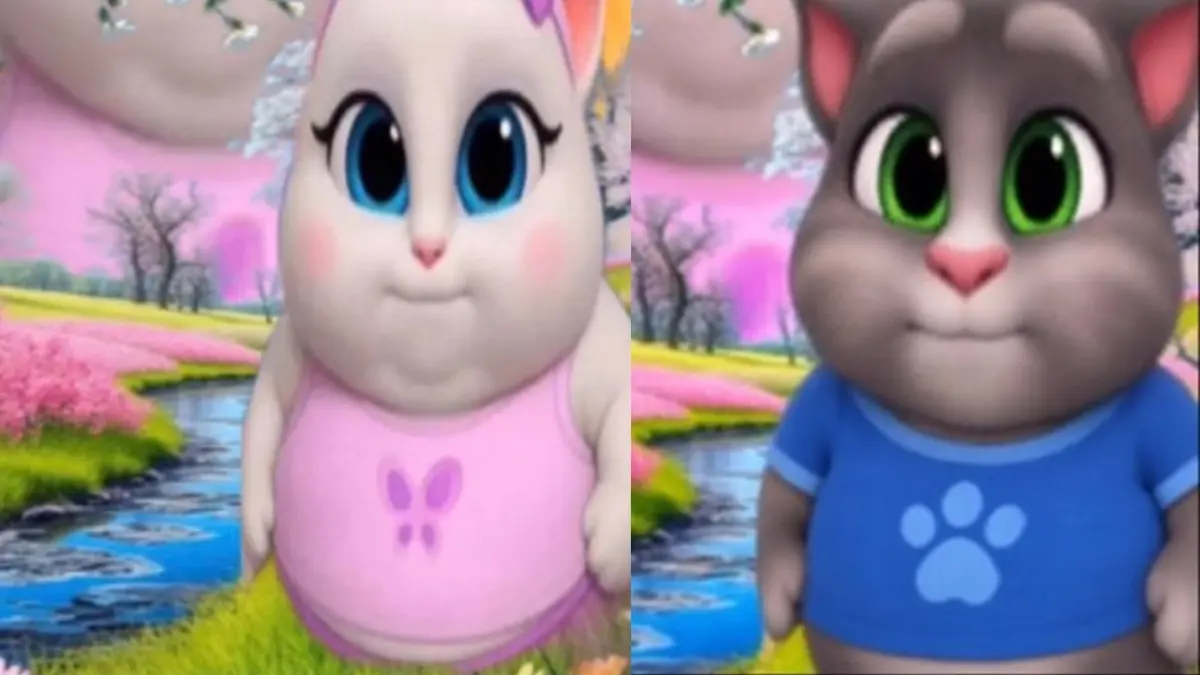
In the fast-paced, highly reactive ecosystem of modern internet culture, few phenomena capture the public’s collective absurdity quite like a rapidly accelerating meme. In mid-October 2026, social media feeds across X (formerly Twitter), TikTok, and Reddit were inundated with a surreal, digitally manipulated image series known collectively as "Fat Talking Tom and Angela." Featuring heavily distorted, exaggeratedly overweight iterations of the iconic smartphone virtual pets Talking Tom and Talking Angela, the meme quickly transcended its humble origins to become a dominant fixture of late-2026 digital humor.
Characterized by a distinct brand of self-deprecating irony, absurdist captions, and matching profile picture trends, the phenomenon highlights the internet’s enduring fascination with subverting nostalgic, corporate-owned intellectual properties. What began as a throwaway quip about procrastination and failed dieting regimens rapidly snowballed into millions of impressions, spawning localized variants, video tributes, and a global template pool. This investigative retrospective examines the genesis, viral trajectory, and cultural footprint of the Fat Talking Tom and Angela phenomenon, analyzing how a simple image edit captured the zeitgeist of mid-October 2026.
Detailed Chronology: From Obscurity to Virality
The Genesis: October 12th, 2026
The timeline of the phenomenon traces back to a single, innocuous post on X. On October 12th, 2026, user @trsakimf uploaded a crudely edited photograph of Talking Angela. In the image, the traditionally sleek, anthropomorphic white cat is digitally inflated to an absurdly rotund size, complete with swollen cheeks and a widened frame. Paired with the deceptively relatable text, "I’ve been saying for three months that I’ll start my diet tomorrow," the post struck a nerve with internet users grappling with universal habits of procrastination. Within forty-eight hours, the tweet amassed over 15,000 likes, establishing the visual template for what was to come.
Later that same day, the ecosystem expanded. X user @oyleliablasi published a companion post showcasing a similarly manipulated image of Talking Tom alongside Angela, expanding the narrative possibilities of the edits. This pairing immediately unlocked a new wave of creative interpretations, transforming isolated humor into a cohesive series.
The Exponential Spread: October 12th – 13th, 2026
Recognizing the comedic potential of the dual images, X user @suguboobies_ capitalized on the trend hours later with a post declaring the images as "pfps to match with your bae." This framing as a ironic couple’s profile picture accelerated its distribution, drawing in 179,000 likes in two days and achieving cross-platform velocity.
Almost simultaneously, the trend breached containment on TikTok. User @luckiubk posted a screen recording of the original X discourse, pulling in over 4.6 million views within a 48-hour window. This cross-pollination between text-based microblogging and short-form algorithmic video cemented the meme’s status as a cross-platform juggernaut.
As the calendar turned to October 13th, the meme diversified into various localized sub-genres. International users, particularly within Turkish internet circles, weaponized the templates for hyper-specific, highly relatable social scenarios.
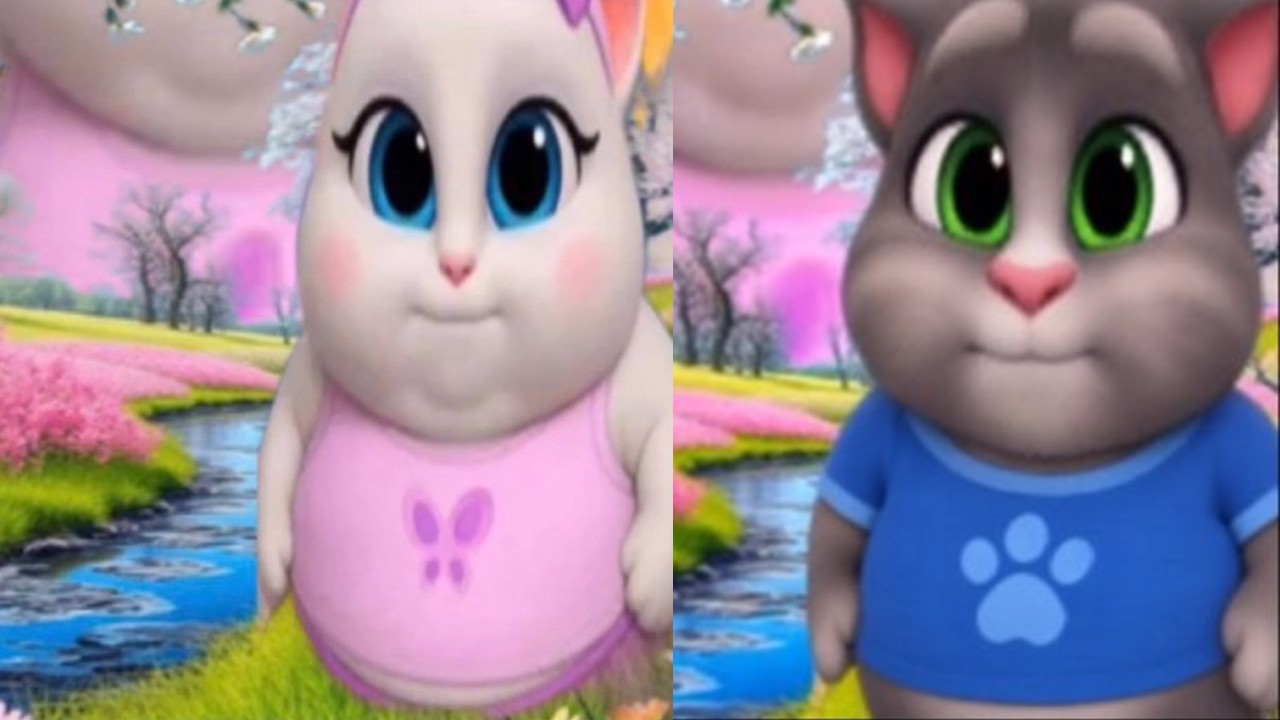
- User @yinesarjimbitti applied the fat Talking Tom image to the universal awkwardness of "when I was handing the trash from the product I ate at the market to the cashier."
- User @asksal33 utilized the heavy Angela variant to mock candid photography, writing, "as soon as the camera opens, our poses."
- On Reddit, user julysignal dropped the image into the r/adhdwomen community under the confessional heading, "Haven’t left my room in 5 days," where it resonated deeply with neurodivergent spaces dealing with executive dysfunction.
Supporting Context & Metrics: The Mechanics of the Trend
To understand why Fat Talking Tom and Angela resonated so deeply, one must analyze the metrics of its dissemination and the psychological mechanics driving its appeal.
Quantitative Breakdown
- Initial Velocity: First-generation posts routinely cleared 10,000 to 15,000 likes within 24 to 48 hours of deployment.
- Peak Engagement: Couple-matching iterations (e.g., @suguboobies_) shattered baseline metrics, scaling past 179,000 likes and generating over 2.5 million individual views on X alone.
- Short-Form Amplification: TikTok derivatives commanded numbers in the multi-millions, with dedicated fan accounts like
@cutebigtalkingangelasyndicating the content to niche target audiences, yielding sustained algorithmic loops.
Psychological and Cultural Drivers
- Subversion of Corporate Innocence: Talking Tom and Friends, developed by Outfit7, is a multi-billion-dollar franchise historically marketed toward children and casual mobile gamers. Subjecting pristine, family-friendly characters to absurdist body-morphing provides a cathartic release through vandalism of corporate branding.
- Empathy Through Grotesque Caricature: The physical exaggeration of Tom and Angela serves as a visual metaphor for sloth, comfort, over-indulgence, and social withdrawal. By projecting human vices onto cartoon felines, users found a safe, humorous proxy to express their own bouts of laziness, dietary failure, and social burnout.
- The "Matching PFP" Irony: Utilizing grotesque or unflattering depictions of characters as matching profile pictures with a romantic partner represents a pinnacle of Gen Z and Gen Alpha ironic dating culture—prioritizing shared humor and self-deprecation over conventional aesthetics.
Various Examples and Evolving Templates
As the meme matured beyond its foundational jokes, the community began synthesizing new iterations, expanding both the visual library and the contextual application of the characters.
The Frowning Angela Variant
As the days progressed, an alternate edited version of Talking Angela—featuring a distinct, sullen frown accompanying her widened frame—emerged as a secondary format. This iteration was predominantly deployed to express stubbornness, petulance, or indignation. Notable examples included:
- The Refusal Format: Captioned with variations of "when we’re told no to what we want," leveraging Angela’s pouty expression to mirror childish defiance in adult settings.
- Service Industry Grievances: Applied by user @tanimazlarbro to skewer service failures, captioned, "fast food chain employee forgetting to add the sauces."
Template Standardization
The community swiftly standardized clean asset templates for both characters, allowing graphic designers and casual shitposters alike to easily superimpose the heavy felines onto various backgrounds or pair them with bespoke localized text overlays. These templates became an open-source kit for global internet humor, transcending language barriers as translation tools bridged Turkish, English, and multi-lingual meme circles.
Future Outlook: The Longevity of Absurdist IP Manipulation
The trajectory of "Fat Talking Tom and Angela" offers a textbook case study in modern memetic engineering. By taking legacy intellectual properties that carry immense nostalgic value and subjecting them to surreal, digital degradation, internet communities continually find fresh avenues for collective commiseration.
While algorithmic trends in the late-2020s move at a breakneck pace—often burning through novel formats in a matter of weeks—the cultural footprint left by the heavy virtual pets is secure. Whether the trend settles into a permanent fixture of reaction-image lexicons or fades as newer iterations take its place, Fat Talking Tom and Angela have permanently altered how social media users view the classic feline duo. In the interim, millions of users continue to wear their digital weights proudly across their profiles, proving that sometimes, the best way to cope with the pressures of modern life is to laugh at a very, very round cartoon cat.