Executive Overview
In a decisive move targeting the financial architecture supporting the Russian state and global cybercrime syndicates, the United Kingdom has issued sweeping economic sanctions against Cryptomus, a notorious and highly adaptable cryptocurrency payment platform. Announced on October 8, 2026, the U.K. Treasury’s sanctions freeze any assets held by Cryptomus within British financial institutions and strictly prohibit U.K. companies and citizens from conducting business with the entity, whether virtually or in person.
Long known to cybersecurity researchers and blockchain intelligence firms as a primary financial artery for ransomware gangs, darknet narcotics vendors, human trafficking rings, and illicit cybercrime services, Cryptomus has systematically aided Moscow in circumventing international financial sanctions. Alongside Cryptomus, the U.K. government also targeted parallel virtual payment networks, including VexPay, TokenSpot, and the Tsunami Payments service, in an aggressive expansion of financial enforcement.
Unlike previous monetary penalties levied by Western governments—which investigators note have frequently proven ineffective against decentralized or overseas digital assets—these economic sanctions represent a lethal blow. By criminalizing financial interaction with the platform, the U.K. has effectively severed Cryptomus’s access to legitimate Western financial plumbing, marking a major milestone in global efforts to dismantle crypto-enabled sanctions evasion.
Detailed Chronology: Evolution, Evasion, and Enforcement
The rise, transformation, and eventual targeting of Cryptomus is a case study in modern financial evasion. The platform’s trajectory highlights the relentless game of cat-and-mouse played between agile cybercriminals and international regulators.
2022–2024: Inception and the Western Sahara Shell Game
Emerging in 2022 under corporate monikers including Certa Payments and Xeltox Enterprises, Cryptomus quickly established itself as a preferred payment processor for a sprawling network of Russian cryptocurrency exchanges and underground forums hawking illicit digital services.
An extensive December 2024 investigation by cybersecurity journalist Brian Krebs revealed the absurdities underpinning the platform’s regulatory facade. Cryptomus originally listed a modest Vancouver office address shared with dozens of other foreign currency dealers and money transfer businesses—none of which maintained a physical presence at the location.
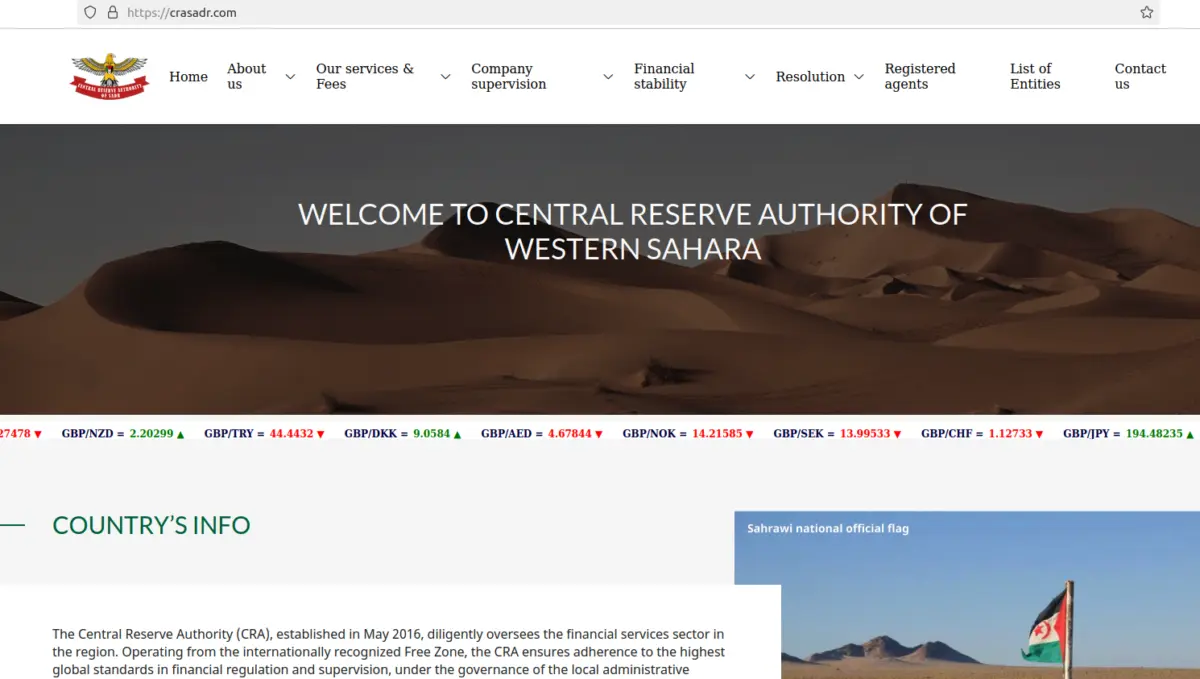
Digging deeper into corporate registries, investigators discovered that the sole shareholder of Cryptomus’s parent company, Certa Payments, was a 25-year-old Ukrainian national. This individual simultaneously directed multiple other corporate entities, including the WS Management and Advisory Corporation. This firm bizarrely styled itself as the exclusive regulatory body overseeing cryptocurrency, foreign exchange, and online gaming licenses for the disputed northwest African territory of Western Sahara.
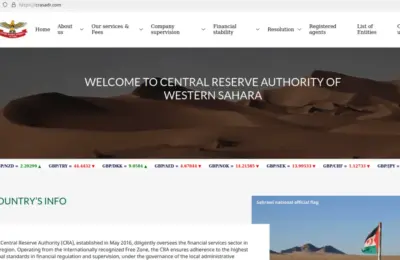
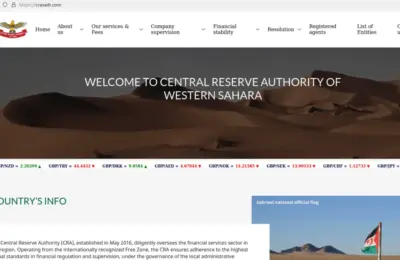
Through a network of fabricated regulatory websites—such as crasadr.com, operated by the fictional "Central Reserve Authority of the Western Sahara"—the enterprise manufactured faux legitimacy, granting itself authorization to process billions of dollars in cross-border transactions without regulatory oversight.
2025: Canadian Penalties and the Birth of "Heleket"
By late 2025, the platform’s blatant disregard for anti-money laundering (AML) protocols caught the attention of Canadian authorities. Canada levied a record-shattering CAD $176 million fine against Cryptomus for sweeping violations of financial laws.

However, blockchain analyst and investigator Richard Sanders noted that the Canadian penalty ultimately possessed a critical structural flaw: it was uncollectible. Facing severe regulatory pressure and mounting scrutiny, Cryptomus executed a classic chameleonic maneuver. It appealed the Canadian fine while launching a parallel, no-KYC (Know Your Customer) payment processor named Heleket. While traffic briefly cratered when Cryptomus originally instituted token compliance rules, Heleket allowed the operators to seamlessly resume high-volume, illicit transaction processing under a fresh brand.
April 2026: Tracing the Trillions
By the spring of 2026, blockchain intelligence firm TRM Labs published a comprehensive risk profile revealing that Cryptomus had processed more than $7 billion in cumulative transactions since its 2022 inception. This staggering volume included capital tied directly to terrorist financing networks, child sexual abuse material (CSAM) vendors, and transnational human trafficking syndicates.
October 2026: The U.K. Drops the Hammer
The turning point arrived on October 8, 2026. Recognizing that financial penalties alone could not stop a digital payments engine, the United Kingdom issued formal economic sanctions against Cryptomus, Heleket, VexPay, TokenSpot, and Tsunami Payments.
Within hours of the U.K. sanctions announcement, users and investigators tracking the platform’s Telegram support bots noticed immediate operational disruption. Automated support channels responded to user inquiries by confirming that the platform was suddenly and entirely unable to process transactions, signalling the immediate chilling effect of the U.K.’s restrictive measures.
Supporting Context & Metrics: The Scale of Illicit Flow
The decision by U.K. authorities was heavily informed by empirical data supplied by top-tier blockchain analytics and intelligence agencies, revealing the immense systemic risk posed by the Cryptomus ecosystem.
According to a detailed advisory published by Chainalysis on October 8, 2026, Cryptomus and its alter-ego Heleket evolved into structural pillars supporting Russia’s wartime economy by obfuscating capital flows through crypto-to-fiat conversion channels.
Key metrics highlighting the scale of the operation include:
- Volume Surpassals: Chainalysis reported that Cryptomus and Heleket received more illicit funds across tracked categories than traditional crypto-mixing services combined within the same dataset.
- Counterparty Explosions: The number of unique illicit counterparties interacting with the platform surged to over 900 distinct entities in a single month during late 2025.
- Multibillion-Dollar Pipeline: TRM Labs’ telemetry confirmed that total throughput surpassed $7 billion, acting as a financial lifejacket for Russian banks and darknet entities cut off from the SWIFT international banking system.
These figures illustrate how Cryptomus successfully bridged the gap between decentralized cryptocurrency and traditional fiat banking in Russia, facilitating the laundering of criminal proceeds on an industrial scale.
Official Statements and Expert Perspectives
The international cybersecurity and financial intelligence community has universally praised the U.K.’s actions, drawing a sharp distinction between symbolic fines and absolute operational termination.

Richard Sanders, a veteran blockchain investigator who spent months meticulously mapping the Cryptomus financial infrastructure and interacting undercover with its merchant base, emphasized the strategic necessity of the U.K.’s approach over Canada’s earlier monetary approach.
"A fine doesn’t stop a cryptocurrency payment processor from processing payments," Sanders wrote in a public analysis following the announcement. "Sanctions kill the operation. The distinction matters."
Sanders also highlighted a groundbreaking geopolitical precedent set by the U.K. action: this marks the first known instance of a "Five Eyes" nation (comprising Australia, Canada, New Zealand, the United Kingdom, and the United States) officially sanctioning a cryptocurrency operation incorporated within another Five Eyes jurisdiction. By piercing through the shell companies and jurisdictional grey zones, London effectively forced allied legal frameworks to confront domestic corporate abuse.
Echoing these sentiments, Chainalysis underscored the strategic importance of targeting the logistics layer of illicit finance:
"Cryptomus and Heleket have emerged as major payment hubs for illicit activity," Chainalysis noted in their advisory. "The U.K. sanctions target the broader infrastructure supporting Russia’s wartime economy, cutting off the vital pipelines that convert illicit digital assets into spendable fiat currency."
Future Outlook: The Death of Chameleonic Crypto Platforms?
The U.K. sanctions against Cryptomus, Heleket, and their associated payment rails represent a watershed moment in the regulation of digital assets. For years, illicit crypto processors have operated under the assumption that geographical dispersion, rapid rebranding, and fraudulent shell companies—such as those linked to the fictitious Central Reserve Authority of Western Sahara—would provide perpetual immunity from Western law enforcement.
However, the October 2026 sanctions signal a paradigm shift. By moving beyond monetary fines and deploying asset freezes and business bans, international regulators are establishing a blueprint for dismantling rogue cryptocurrency platforms.
As blockchain analytics firms continue to map out secondary payment layers, the closure of Cryptomus and Heleket forces cybercriminal networks and Russian state-backed actors to seek out riskier, more expensive alternatives for laundering funds. While underground syndicates will undoubtedly attempt to birth new iterations, the U.K.’s decisive intervention proves that chameleonic crypto platforms can no longer hide behind corporate aliases and fake regulators without facing fatal economic consequences.