Executive Overview
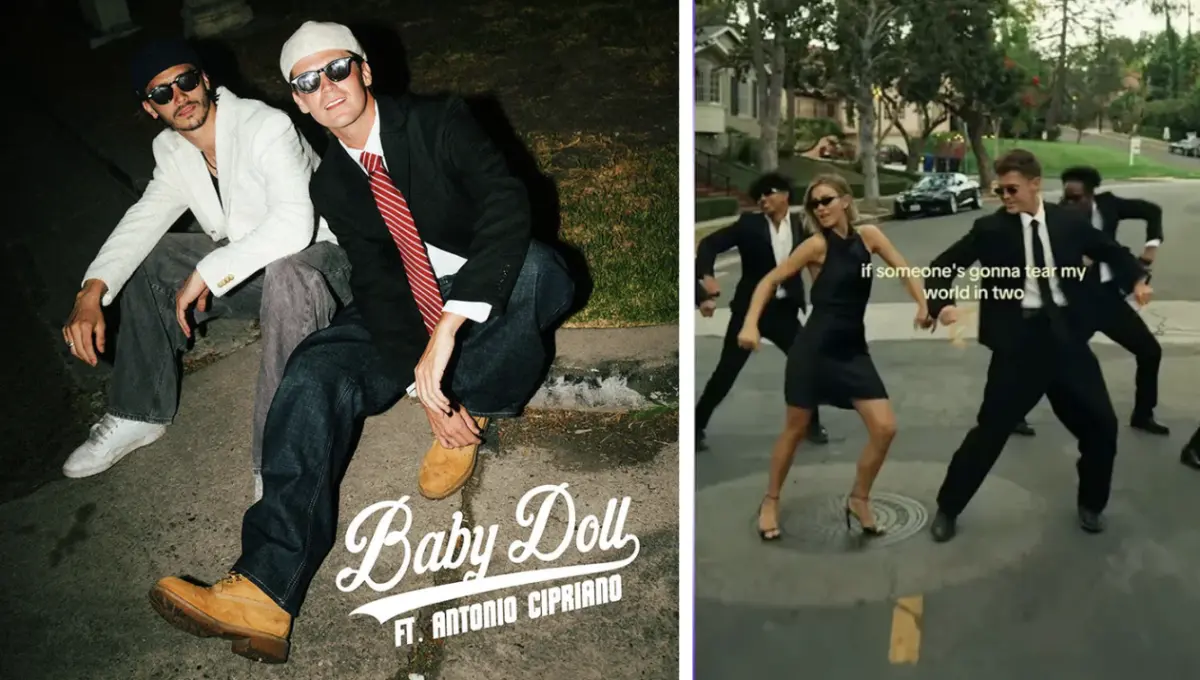
In the fast-paced ecosystem of modern social media, virality is often treated as an unpredictable lightning strike. Yet, occasionally, a digital trend emerges that neatly synthesizes organic discovery, strategic multi-platform marketing, and accessible choreography. The "Babydoll Dance Trend"—alternatively known simply as the "Baby Doll Dance"—crystallized across TikTok and Instagram in October 2026, capturing the collective attention of millions. Set to the infectious rhythm of Welsh singer and former The Voice UK finalist Jamie Miller’s single "Babydoll," the trend quickly graduated from a modest promotional campaign into a full-scale cultural moment.
Characterized by its beginner-friendly, high-energy choreography—featuring a playful blend of chugs, side steps, ball changes, step-touches, arm circles, and a signature shoulder shimmy—the dance struck a chord with casual users and celebrities alike. While the track was initially released on August 7, 2026, it was an organic endorsement by actress Jennifer Love Hewitt that served as the catalyst for its meteoric rise.
This deep-dive investigative report examines the origins, trajectory, and broader implications of the Babydoll Dance Trend. By analyzing the intersection of music promotion, influencer culture, and user-generated content, we uncover the mechanics behind how a catchy hook and a simple two-step routine successfully conquered the digital zeitgeist of late 2026.
Detailed Chronology: From Studio Release to Global Phenomenon
The journey of "Babydoll" from an unheralded single to a ubiquitous internet soundtrack followed a calculated yet surprisingly organic developmental arc. Understanding the timeline of its rise illuminates the shifting dynamics of contemporary music promotion.
Phase 1: Inception and Early Teasers (Late July – Early August 2026)
Long before the song officially hit streaming services, Jamie Miller recognized the necessity of pre-emptive digital positioning. Leveraging his established presence on TikTok, Miller began teasing "Babydoll" weeks prior to its release.
On July 24, 2026, Miller (@jamiemillmusic) uploaded an early promotional video showcasing a cheerful, easy-to-learn routine set to an early cut of the track. Accompanying the post with the caption, "I wanna feel like this forever," the video laid the foundational choreography for what would later become the official trend. Comprising intuitive movements—such as basic side steps and a buoyant shoulder shimmy—the routine was intentionally designed to lower the barrier to entry for amateur creators. Within three months, this foundational post would amass over 2.9 million views and 322,200 likes, establishing a healthy baseline of interest.
Phase 2: Official Release and Music Video Debut (August – September 2026)
On August 7, 2026, "Babydoll" was officially released to global streaming platforms. Miller followed up on this milestone by dropping the song’s official music video on his YouTube channel (@jamiemillmusic) on September 18, 2026. The visual companion piece quickly gained traction, pulling in over 3.2 million views and nearly 44,000 likes in its first month. Despite these solid streaming figures, the track had not yet achieved true breakout viral status on short-form video platforms—a hurdle that required external amplification.
Phase 3: The Jennifer Love Hewitt Catalyst (Mid-August 2026)
The inflection point for the "Babydoll" trend occurred not through a targeted influencer campaign, but through organic artistic appreciation. On August 12, 2026, veteran actress Jennifer Love Hewitt (posting via her TikTok account, @jenniferhallisay) shared a video of herself playing a gentle piano cover of "Babydoll." Accompanying the video with a caption expressing her joy in learning the tune, Hewitt’s post immediately resonated with her dedicated fanbase, accumulating over 152,700 views and 24,200 likes in a short span.
Recognizing the immense value of this crossover endorsement, Jamie Miller quickly collaborated with the actress. On August 17, 2026, Miller posted a duet/dance video featuring Hewitt alongside him, set to the upbeat studio track of "Babydoll." Labeled by Miller as "The most iconic babydoll there is," the video skyrocketed, securing over 2.7 million views and 229,100 likes. This high-profile crossover bridged generational audiences, injecting the song into mainstream consciousness and igniting the broader dance trend.
Phase 4: Exponential Spread and Mainstream Saturation (Late September – October 2026)
Following the endorsement by Hewitt, the trend transitioned from an artist-led movement to a decentralized user phenomenon.
- Late September: Prominent lifestyle and couple creators @shelbanddyl jumped on the bandwagon on September 28, 2026, posting their rendition of the choreography, which yielded an astonishing 7.6 million views and over 671,000 likes within three weeks. Shortly after, pop star Perrie Edwards (@perrie) shared a sleepover-themed dance video featuring the track on September 30, pulling in 2.4 million views.
- Early October: The demographic scope of the trend widened significantly as everyday creators began integrating family members into their routines. On October 6, 2026, the account @dadandcloshow posted a behind-the-scenes video of a creator teaching her father the choreography, generating over 2 million views and proving the dance’s cross-generational appeal. This paved the way for numerous variations, including father-daughter duets like @daddyandcarly’s humorous spin, biker edits by @stxvxntran, and international takes by creators such as @ashleyguijt.
Supporting Context & Metrics: The Mechanics of Modern Virality
To truly comprehend the scale of the Babydoll Dance Trend, one must examine the specific quantitative milestones and qualitative structural elements that fueled its acceleration.
Choreographic Accessibility as a Growth Engine
In the analysis of viral dance trends, complexity is frequently inversely proportional to adoption rates. Highly intricate, professional-grade choreography—while visually stunning—often alienates the average social media user. Conversely, the Babydoll Dance Trend succeeded precisely because of its pedestrian-friendly mechanics.
The routine relies on fundamental dance lexicon:
- The Two-Step: Providing a steady rhythmic foundation.
- Chugs and Ball Changes: Adding subtle momentum without requiring advanced technical training.
- Step-Touches and Arm Circles: Engaging upper-body framing that translates well to vertical smartphone screens.
- The Shoulder Shimmy: Serving as a playful, expressive peak for the short-form video format.
This structural simplicity invited participation from diverse cohorts, ranging from professional dancers to parents learning routines alongside their children.
Cross-Platform Synergy
While TikTok served as the primary incubator and launchpad for the Babydoll trend, its sustained momentum relied on cross-pollination. Videos originally hosted on TikTok were rapidly mirrored across Instagram Reels and YouTube Shorts. This multinetwork proliferation ensured that users who missed the trend on one platform were inevitably exposed to it on another, compounding search interest and driving listeners back to streaming services like Spotify and Apple Music.
Official Statements and Industry Reception
The success of "Babydoll" and its accompanying dance has prompted discussions within the music industry regarding the evolving relationship between independent pop artists and algorithmic platforms.
Jamie Miller, reflecting on the unexpected trajectory of the track in interviews and social media updates, emphasized the emotional core of the song. While initially concerned that the track’s heartfelt message might be overshadowed by fast-paced dance trends, Miller acknowledged that the choreography provided a vital portal for listeners to connect with the music on a deeper, more joyful level.
Industry analysts have pointed to the Jamie Miller-Jennifer Love Hewitt collaboration as a masterclass in modern digital PR. Rather than relying on traditional radio pluggers or high-budget ad spends, the campaign leveraged authentic, cross-generational celebrity fandom to manufacture social proof. By welcoming organic interpretations of the song—such as Hewitt’s piano cover—the artist’s team cultivated an environment of collaborative ownership among fans and creators alike.
Future Outlook: The Legacy of the Babydoll Trend
As the initial wave of peak engagement for the Babydoll Dance Trend begins to stabilize, industry observers are left evaluating its long-term impact on Jamie Miller’s career and the broader landscape of social media choreography.
For Miller, the viral success of "Babydoll" solidifies his transition from reality television contestant to a globally recognized pop act capable of harnessing digital ecosystems effectively. The track has established a high-water mark for his independent releases, proving that modern pop longevity is frequently secured at the intersection of strong songwriting, emotional resonance, and community-driven performance art.
Looking forward, the Babydoll trend will likely serve as a case study for up-and-coming musicians navigating the late 2020s media landscape. It demonstrates that while algorithms dictate the distribution of content, human connection—exemplified by unexpected celebrity duets, family collaborations, and inclusive, joyful movement—remains the ultimate currency of the digital age. As new trends continue to cycle through our feeds, the legacy of "Babydoll" will endure as a reminder of the power inherent in a simple two-step and a genuinely catchy hook.