Executive Overview
Fashion and adolescence have long shared a symbiotic, often turbulent relationship. Growing up is fundamentally an exercise in cartography—mapping out personal identity, establishing boundaries, and determining how one wishes to be perceived by the external world. Clothing serves as the primary armor and canvas in this developmental journey.
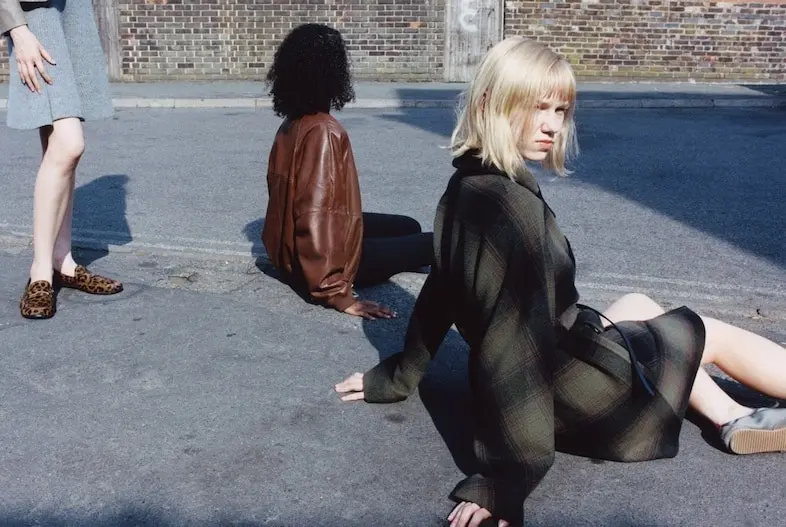
In the autumn 2026 issue of Dazed, photographer Johnny Jordan and stylist Molly Shillingford dissect this transformative epoch through a striking visual essay titled "Growing Pains." Capturing the delicate friction of coming into one’s own, the editorial showcases the latest collections from Italian contemporary label MAX&Co., including its innovative, circular-minded design partnership with London-based studio RAEBURN.
Beyond serving as a meditation on youth culture, the feature highlights a significant commercial and creative milestone: the convergence of classic Italian tailoring with British utilitarian streetwear ethos. Through meticulously proportioned garments, unconventional layering, and an investigation into modern youth independence, the collaboration establishes a new stylistic benchmark for autumn wardrobes. This report explores the cultural resonance of the editorial, breaks down the key pieces driving the collection, examines the production methodologies behind the garments, and analyzes the broader macroeconomic trends influencing contemporary youth fashion.

Detailed Chronology: The Making of "Growing Pains"
The genesis of the Dazed autumn 2026 editorial reflects a meticulous, months-long creative alignment between editorial visionaries, high-end commercial partners, and cutting-edge design houses.
Phase One: Concept Development (Early 2026)
The conceptualization of "Growing Pains" began in the winter months of early 2026. Dazed’s editorial team, in consultation with stylist Molly Shillingford and photographer Johnny Jordan, sought to move away from the hyper-polished, sterile aesthetics dominating mainstream fashion magazines. Instead, they targeted the visceral, often awkward realities of growing up—the desire for autonomy clashing with the comfort of familiar structures.
Shillingford gravitated toward MAX&Co.’s upcoming autumn lineup because of its distinct juxtaposition of heritage menswear tailoring and rebellious streetwear silhouettes. The central narrative focused on youth as a transitional phase, using oversized coats, restrictive tailoring offset by slouchy proportions, and utilitarian outerwear to mirror the physical and emotional shifts of adolescence.

Phase Two: Casting and Production Setup (Mid-2026)
By spring 2026, the logistical machinery required to bring the editorial to life was fully mobilized. Casting director Julia Gilmour assembled a diverse ensemble of emerging faces representative of contemporary youth culture, selecting Amal Hassan (Cabin), Kylie Young (Next), Mitzi Stirling, and Lily Pang (Premier).
Set designer Molly Marot constructed a minimalist, industrial environment designed to contrast sharply with the rich textures of the garments, ensuring the focus remained squarely on the interplay between the models and their clothes. Hair stylist John Allan and make-up artist Abbie Nourse worked in tandem to craft a look that rejected heavy glamour in favor of raw, undone realism—smudged textures and natural finishes that underscored the theme of authentic self-discovery.
Phase Three: The Shoot and Publication (Autumn 2026)
The shoot took place over several intensive days in mid-2026, utilizing Johnny Jordan’s signature chiaroscuro lighting techniques to emphasize the tactile qualities of double-woven wools, buttery nappa leathers, and bonded technical fabrics.

The resulting layout debuted in Dazed’s autumn 2026 issue, hitting newsstands and digital platforms in November 2026. It immediately garnered praise for its honest portrayal of youth autonomy and its seamless integration of high-concept styling with wearable, investment-grade apparel.
Supporting Context & Metrics
: Decoding the MAX&Co. and RAEBURN Partnership
To fully understand the weight of the Dazed feature, one must examine the commercial and design forces driving the MAX&Co. autumn 2026 collection, particularly its cross-channel collaboration with RAEBURN.

The Anatomy of the Collection
The capsule collection featured in the editorial bridges two distinct geographical and stylistic sensibilities: the sophisticated, heritage-driven ready-to-wear of Italy’s MAX&Co. and the utilitarian, remade-in-London ethos pioneered by Christopher Raeburn’s studio.
- Tailored Mastery meets Utility: The collection introduces structural, double-breasted blazers and coats that borrow heavily from traditional menswear proportions. These pieces are subtly punctuated by the recurring motif of the MAX&Co. red square—an understated brand signature woven into cuffs, pocket rivets, and topstitched detailing.
- Technical Innovation and Sustainability: At the heart of the collaboration is the "Snap. Pack. Deploy. &Co." capsule, which reimagines MAX&Co.’s iconic Longrun coat through a minimalist, utilitarian lens.
Key Garment Breakdown and Market Positioning
| Product Name | Category | Retail Price (GBP) | Core Materials & Design Highlights |
|---|---|---|---|
| MCOfenice Beige Blazer | Tailoring | £330.00 | Double-breasted, traditional menswear-inspired cut with subtle red square cuff detailing. |
| MCOgiuria Green Coat | Outerwear | £540.00 | Tactile double-woven wool, double-breasted silhouette, rivet detailing inspired by the brand’s red square. |
| MCORonchi Cognac Bomber | Outerwear | £565.00 | Buttery-soft nappa leather, relaxed streetwear silhouette, custom pull tabs, and topstitched back detailing. |
| MCLNirvana Reversible Trench | Collaboration Capsule | £495.00 | Designed with RAEBURN; minimalist aesthetic, structured silhouette, crafted from sophisticated bonded fabric (Melange Grey / Dark Brown). |
The Macroeconomic and Cultural Context
The success of collections like MAX&Co.’s autumn lineup points to a broader shift in consumer behavior among Gen Z and younger demographics. According to recent retail analytics in the luxury and contemporary sectors, younger buyers are increasingly prioritizing garments that offer longevity, versatility, and narrative depth over fast-fashion trends.
By partnering with RAEBURN—a brand globally recognized for its pioneering approach to responsible design and military surplus repurposing—MAX&Co. has successfully bridged the gap between timeless Italian craftsmanship and future-forward circularity. The inclusion of these pieces in Dazed reinforces the magazine’s historical role as a cultural barometer, validating brands that look beyond mere aesthetics to address the values of an increasingly discerning consumer base.

Official Statements and Creative Insights
Reflecting on the collaborative effort behind the autumn issue, the creative leads involved in the project emphasize the intentionality of every design and styling choice.
"Growing up is all about figuring out who you are – and what to wear along the way," noted the editorial notes accompanying the Dazed feature. "In this shoot, we wanted to capture the growing sense of independence that comes with adolescence, playing with proportions and tailoring to mirror that emotional evolution."
Stylist Molly Shillingford approached the wardrobe choices with an eye toward subversion. By taking structured, corporate-adjacent silhouettes—such as double-breasted wool coats and sharp blazers—and placing them on youthful frames within an industrial set design, the styling subverts traditional notions of authority. The clothes do not wear the models; rather, the models inhabit the garments as tools for self-assertion.

Furthermore, representatives for MAX&Co. have highlighted the significance of the RAEBURN partnership within their broader trajectory. The Snap. Pack. Deploy. capsule represents a concerted effort to push the boundaries of outerwear design, merging the functional demands of modern urban mobility with uncompromising aesthetic standards. The use of bonded fabrics and reversible engineering directly addresses the lifestyle needs of a generation that values adaptability, travel, and environmental consciousness.
Future Outlook: The Evolution of Youth-Centric Fashion Editorial
As the fashion industry navigates an era defined by rapid digital consumption and shifting consumer demographics, features like Dazed’s "Growing Pains" offer a blueprint for meaningful cultural engagement. The intersection of print journalism, high-end commercial styling, and sustainable design partnerships signals where the market is heading.
- The Rise of Purpose-Driven Collaborations: Consumers can expect to see more cross-pollination between heritage ready-to-wear houses and independent, sustainability-focused studios like RAEBURN. The demand for garments with a clear provenance and a narrative backbone will continue to dictate retail success.
- The Redefinition of Luxury Accessibility: Priced between £330 and £565, pieces from the MAX&Co. autumn collection occupy the lucrative sweet spot of contemporary accessible luxury. As younger consumers delay traditional milestones, their disposable income is increasingly funneled into investment pieces that offer high versatility and durability.
- The Enduring Power of Print as Curator: Even in a digital-first ecosystem, print platforms like Dazed retain unique authority as cultural curators. By contextualizing commercial collections within deeply human narratives—such as the trials of adolescence—publications ensure that fashion remains tethered to emotional truth rather than algorithmic trends.
Ultimately, "Growing Pains" serves as a timely reminder that style is not merely about ornamentation, but an active participant in the human story. Whether through a perfectly tailored double-breasted blazer or a meticulously engineered reversible trench, the clothes we choose during our formative years help write the script of who we eventually become.