Executive Overview
For generations, the transition into perimenopause and menopause was treated as a medical afterthought—a silent, creeping phase of life marked by hot flashes, brain fog, and erratic cycles that women were expected to endure with quiet fortitude. Medical school curricula historically dedicated minimal hours to midlife women
‘s health, leaving millions of patients to navigate a labyrinth of confusing, overlapping symptoms without adequate clinical guidance.
Today, however, the cultural and commercial landscape looks entirely unrecognizable. Perimenopause has transitioned from a taboo, poorly understood biological milestone into the focal point of a booming digital wellness economy. Open any social media platform, and your feed is likely saturated with targeted advertisements for bespoke hormone therapy, specialized supplements, telehealth clinics promising concierge-level care, and wellness influencers vowing to decode the mysteries of midlife biology.
This dramatic cultural pivot—where a previously ignored medical niche has become mainstream digital real estate—did not happen in a vacuum. It is the result of a powerful convergence involving the democratizing power of the internet, the post-pandemic explosion of telehealth, a resurgence in hormone replacement therapy (HRT) advocacy, and the shifting paradigms of modern wellness culture, including the burgeoning influence of the "Make America Healthy Again" (MAHA) movement.
In a recent episode of Slate’s What Next: TBD podcast, guest Kate Knibbs, a senior writer for WIRED, joined the host to dissect how perimenopause went from a whispered about transition to the subject of ubiquitous social media advertising. This deep dive explores the mechanics of this transformation, examining how digital connectivity broke decades of silence, how venture capital and telehealth capitalized on the void left by traditional medicine, and what this high-visibility era means for the millions of women navigating the messy reality of midlife.
Detailed Chronology: From Medical Silence to the Digital Mainstream
To understand how perimenopause became a fixture of modern internet culture, one must look at how the medical establishment and digital communication channels have interacted over the past three decades. The journey is a textbook case of how patient-led advocacy, fueled by technological disruption, can force institutional medicine to course-correct.
The Shadow of the Women’s Health Initiative (2002)
The modern history of perimenopause and menopause management was profoundly shaped by the year 2002, when the landmark Women’s Health Initiative (WHI) study published its initial findings. The study, which investigated the long-term risks and benefits of hormone replacement therapy (HRT), sent shockwaves through the medical community and the general public. Initial, sensationalized headlines linked HRT to significantly increased risks of breast cancer, stroke, and cardiovascular disease.
In the panic that followed, prescription rates for hormone therapy plummeted precipitously. Millions of women were abruptly taken off their medications, and a generation of physicians was trained to view HRT as inherently dangerous. For years, discussing perimenopausal symptoms or seeking hormonal support was met with hesitation by doctors and fear by patients. The medical establishment retreated into a posture of conservative caution, effectively locking women out of effective treatments and driving the topic back into the shadows.
The Rise of the Web 2.0 Patient Communities (Late 2000s–2010s)
As the internet evolved from static web pages to interactive social platforms, women who felt abandoned by their doctors began organizing online. Long before perimenopause was a buzzy hashtag, message boards, early Facebook groups, and niche blogs served as digital lifelines. Women swapped stories about unexplainable anxiety, insomnia, heavy bleeding, and cognitive changes—symptoms they were often told by primary care physicians were "just stress" or "normal aging."
These digital enclaves fostered a collective consciousness. Women realized they weren’t losing their minds; they were experiencing a shared, biologically driven transition that mainstream medicine was largely failing to address. These early online networks laid the crucial groundwork for demand, proving that a massive, underserved demographic was hungry for validation, community, and, most importantly, answers.
The Telehealth Revolution and Venture Capital Infusion (2018–2022)
The late 2010s and early 2020s witnessed a massive influx of venture capital into digital health, accelerated exponentially by the COVID-19 pandemic. Telehealth platforms shattered geographical and scheduling barriers, making specialized consultations accessible from a smartphone.
Enterprising founders and investors quickly recognized that midlife women—a demographic with substantial disposable income and profound, unmet healthcare needs—represented a massive, untapped market. Startups specializing in virtual menopause care began launching at a breakneck pace. These companies bypassed traditional, often dismissive brick-and-mortar medical gatekeepers, offering direct-to-consumer (DTC) telehealth appointments, proprietary supplement lines, and streamlined pathways to getting hormone prescriptions.
The Social Media Saturation Point (2023–Present)
Today, perimenopause has achieved hyper-visibility, driven by algorithms optimized for emotional resonance and demographic targeting. Platforms like TikTok and Instagram have become virtual town halls where gynecologists, wellness entrepreneurs, and everyday women demystify midlife symptoms under viral hashtags like #MenopauseTok.
However, this democratization of information has a dual nature. While social media has successfully shattered the stigma, it has also commercialized the biological transition. The algorithms that connect women to much-needed validation also serve them an endless stream of commodified solutions—transforming a natural life stage into a continuous cycle of problem-creation and product-consumption.
Supporting Context & Metrics: The Midlife Market and Cultural Shifts
The transformation of perimenopause from a taboo subject into a commercial powerhouse is backed by significant demographic shifts, economic realities, and evolving medical consensuses.
The Economic Power of Midlife Women
Women in their 40s, 50s, and 60s represent one of the most economically influential cohorts in global history. Often referred to in marketing circles as part of the "perky/powerful pound" or the prime earning demographic, these women frequently hold peak leadership positions, control significant household spending decisions, and possess the disposable income necessary to invest in their health and well-being.
According to various health-tech market analyses, the global menopausal health market—encompassing therapeutics, diagnostics, supplements, and digital health platforms—is valued at tens of billions of dollars and is projected to scale rapidly over the next decade. Venture capitalists who once ignored "women’s issues" as a niche category are now aggressively funding femtech startups dedicated exclusively to midlife care.
Re-evaluating the Science of HRT
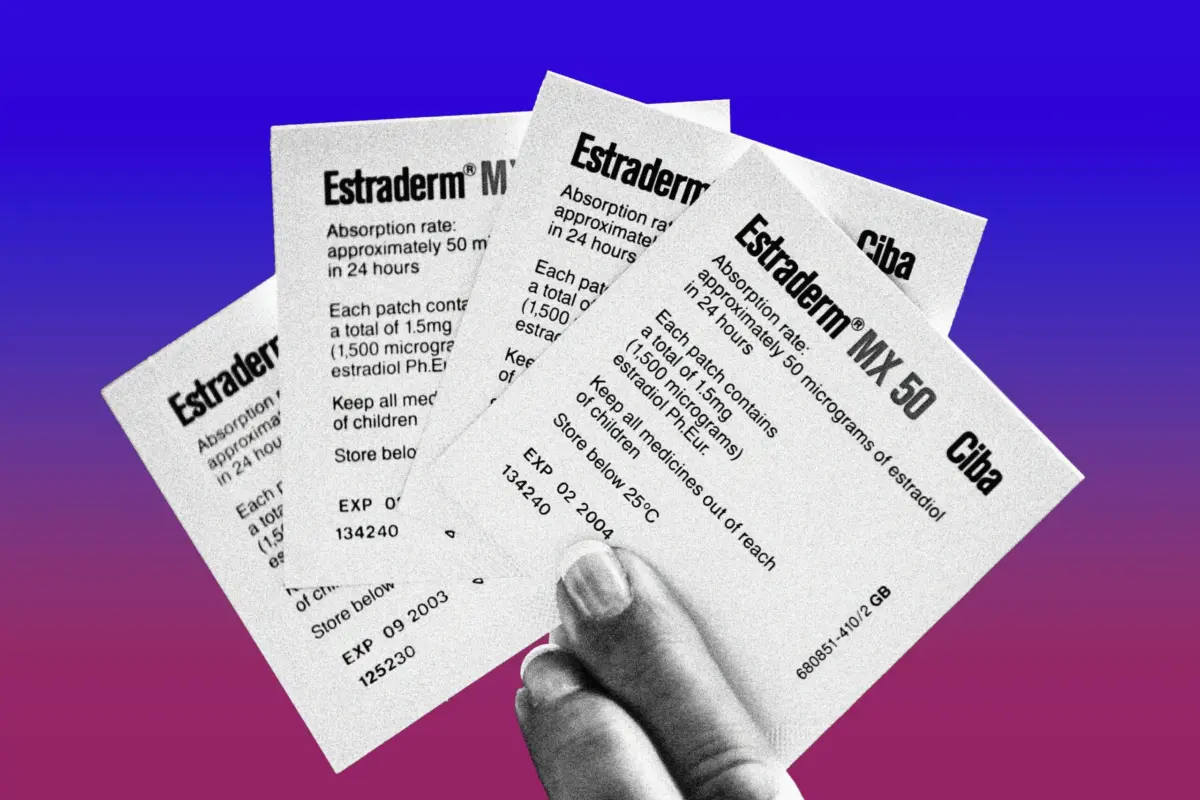
A critical driver of the current perimenopause boom is the ongoing scientific re-evaluation of the 2002 Women’s Health Initiative study. In the years following the initial panic, subsequent analyses and independent studies revealed that the data from the WHI had been broadly misapplied. The study primarily evaluated older women (average age 63) using specific, older formulations of oral hormones, rather than the transdermal patches and bioidentical hormones commonly prescribed today for younger women entering perimenopause.
Modern gynecological consensus now views HRT as a safe, highly effective first-line treatment for managing vasomotor symptoms (like hot flashes and night sweats) and protecting bone density for the vast majority of women under 60 or within 10 years of menopause onset. This scientific rehabilitation of HRT gave digital health companies the green light to market hormone therapy aggressively, framing it not as a dangerous luxury, but as an essential tool for healthy aging.
The Convergence of MAHA and Wellness Culture
Adding another layer to the current landscape is the broader cultural shift toward alternative, holistic, and wellness-oriented paradigms of health, increasingly influenced by movements such as MAHA (Make America Healthy Again). This cultural current emphasizes skepticism toward traditional institutional medicine, a preference for functional or integrative health approaches, and a desire for personalized, lifestyle-driven medical interventions.
In the context of perimenopause, this skepticism manifests as a profound distrust of doctors who offer a "grin and bear it" attitude or reach too quickly for generic antidepressants to treat hormonally driven anxiety. Instead, women are seeking providers who look at root causes, metabolic health, gut microbiomes, and tailored nutritional protocols alongside conventional hormone management. While this empowers patients to advocate for themselves, it also creates fertile ground for wellness grifters selling expensive, scientifically dubious snake oil under the guise of holistic empowerment.
Expert Insights: Kate Knibbs on the Digital Midlife Landscape
During her appearance on Slate’s What Next: TBD, WIRED senior writer Kate Knibbs offered a sharp analytical lens on how the internet fundamentally reshaped the perimenopause narrative.
Knibbs pointed out that the velocity with which perimenopause went from a whispered, misunderstood medical phase to an inescapable social media advertising category was "quick—and impossible to imagine without the internet."
Breaking the Information Monopoly
For decades, information regarding women’s midlife health was strictly mediated by traditional medical gatekeepers. If a primary care physician lacked training in menopause management—which historically, the vast majority did—the patient had nowhere else to turn. The internet shattered that monopoly.
As Knibbs highlighted, online forums and digital spaces allowed women to aggregate their experiences on a mass scale. When thousands of women across the globe reported experiencing the exact same constellation of cognitive slips, sleep disturbances, and mood shifts, it created an undeniable empirical body of peer-to-peer knowledge. This grassroots data collection laid the foundation for the current demand for specialized clinical care.
The Double-Edged Sword of Algorithmic Wellness
However, Knibbs and the What Next: TBD team also explored the complexities of this digital gold rush. When a biological transition becomes a trending topic, it immediately attracts capital. The same algorithms that connect isolated women to supportive communities also serve them sophisticated marketing funnels designed to monetize their anxieties.
Today’s perimenopause consumer is bombarded with wellness brands claiming that standard medical care is insufficient and that optimal midlife health requires an expensive array of proprietary supplements, functional testing kits, and lifestyle coaching subscriptions. Navigating this landscape requires a delicate balance: leveraging the internet’s power to find accurate medical information and supportive communities while maintaining a critical eye toward commercial exploitation.
Future Outlook: Where Do We Go From Here?
As the dust settles on the initial digital gold rush surrounding perimenopause, the conversation is shifting toward sustainability, medical integration, and long-term care models. What does the future hold for midlife women’s health as these trends mature?
1. Mainstreaming Medical Education
The ultimate goal of the current perimenopause visibility movement is to render specialized DTC telehealth services less necessary by reforming traditional medical education. Medical schools and residency programs are beginning to face mounting pressure to incorporate comprehensive training on menopause and perimenopause into their core curricula. If primary care physicians and standard OB-GYNs become well-versed in modern hormone management and symptom mitigation, patients will no longer need to rely exclusively on specialized, out-of-pocket telehealth startups to receive baseline care.
2. Regulatory Scrutiny and Consumer Protection
As the femtech and wellness markets continue to expand, regulatory bodies such as the FTC and FDA are likely to cast a more critical eye on direct-to-consumer advertising claims. While many telehealth platforms provide invaluable, life-changing care, the supplement and wellness adjuncts operating in the same digital space often make dubious promises regarding "hormone balancing" and "toxin detoxing." Future market maturation will likely involve stricter consumer protections to weed out predatory marketing while elevating evidence-based interventions.
3. Workplace Equity and Cultural Normalization
Beyond medicine and commerce, the destigmatization of perimenopause is entering the corporate arena. Progressive companies are beginning to introduce menopause policies—such as flexible working hours, temperature-controlled office environments, and specialized health insurance riders—recognizing that millions of experienced female workers were previously pushed out of the workforce simply because their midlife symptoms were unsupported.
The normalization of perimenopause ensures that women no longer have to navigate this transition in silence or fear professional penalties for being open about their biological realities.
Conclusion
The journey of perimenopause from a neglected medical blind spot to a dominant force in digital culture is a testament to the power of connection and commerce. While the constant barrage of social media ads and the commodification of midlife biology can feel exhausting, the underlying cultural shift is overwhelmingly positive. By dragging perimenopause out of the shadows and into the digital light, women have reclaimed agency over their bodies, challenged outdated medical dogma, and forced the healthcare system to finally listen.