By the Gaming & Culture Desk
Published November 2026
Executive Overview
In the fast-paced ecosystem of modern live-service video games, developer Epic Games has consistently proven its mastery of viral marketing and community engagement. However, few in-game phenomena have captured the public imagination—and driven players to such exhausting extremes—as the introduction of the "Pirate Token" (officially designated as Pirate Shop Access).
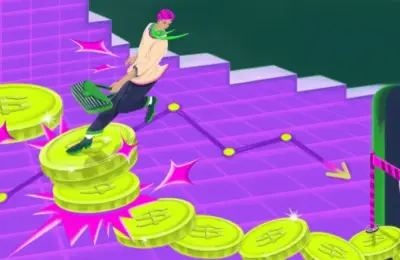
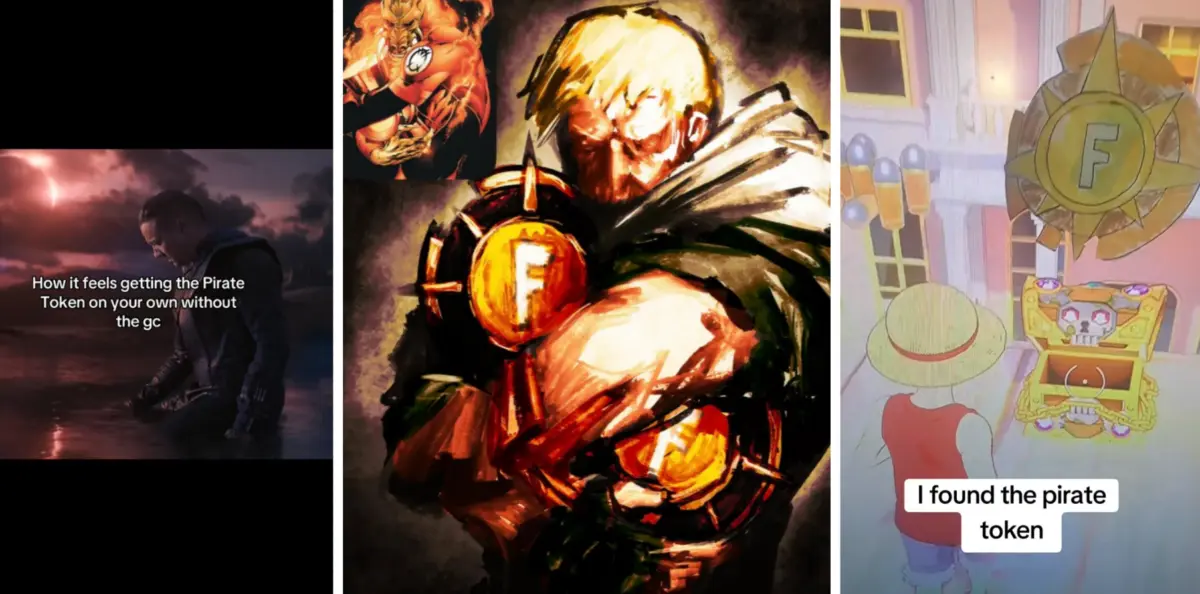
Debuting on November 1st, 2026, alongside Fortnite’s highly anticipated "Treasure Hunters" mini-season and its crossover with the global anime phenomenon One Piece, the Pirate Token quickly transcended its status as a mere digital collectible. Shaped like a golden coin etched with an intricate compass design and a signature "F" emblem, the item promised a tantalizing reward: two separate 14-day periods of unrestricted access to the Fortnite Item Shop, allowing players to claim high-value cosmetics—skins, emotes, pickaxes, and gliders—entirely free of V-Bucks.
Yet, it was not the prize itself that ignited the internet, but the astronomical improbability of securing it. With Epic Games officially confirming a meager 1-in-137,500 drop rate inside standard match chests—and early community estimates calculating odds as harsh as 1 in 700,000—the digital token transformed standard gameplay into a grueling, high-stakes treasure hunt.
Within days, platforms like TikTok and YouTube were flooded with millions of posts detailing sleep-deprived grinds, mock-documentary reactions, and satirical commentary. This report explores the origins, mechanics, and explosive cultural fallout of the Fortnite Pirate Token, detailing how an ultra-rare drop became a defining internet meme of late 2026.
Detailed Chronology: From Concept to Cultural Phenomenon
To understand how the Pirate Token seized control of social media feeds worldwide, it is necessary to trace its trajectory from a trailer reveal to a full-scale digital gold rush.
October 27, 2026: The Teaser and the Hype Cycle
Four days before the official launch of the Treasure Hunters mini-season, the official Fortnite YouTube channel released a cinematic trailer showcasing the upcoming One Piece collaboration. Amidst the swashbuckling aesthetics and iconic anime crossovers, the trailer quietly introduced the concept of the "Pirate Shop Access" token.
Presented as a legendary, ultra-rare find capable of unlocking the entirety of the Item Shop gratis, the reveal trailer immediately caught the eye of veteran players. Within 10 days of publication, the video amassed over 1.5 million views, 39,000 likes, and nearly 3,000 comments. While seasoned players initially viewed the token as a clever marketing gimmick or a statistical impossibility meant to drive engagement, the seeds of obsession were successfully planted.
November 1, 2026: The Launch and the Drop Rate Reality Check
When the Treasure Hunters update officially went live on November 1st, millions of players flooded Battle Royale and Zero Build lobbies with a singular objective: opening as many chests as humanly possible.
As matches commenced, the sheer scale of the RNG (Random Number Generator) hurdle became apparent. Streamers and casual players alike tore through POIs (Points of Interest), ignoring standard combat loops to farm containers. Within 48 hours, data miners and community math wizards began crunching the numbers. Epic Games eventually corroborated the community’s worst fears, confirming that the token possessed a staggering 1-in-137,500 drop rate per chest. For a player opening an average of 20 chests per match, statistical likelihood meant hundred-hour investments without a single golden coin in sight.
November 2–9, 2026: The Social Media Deluge
By the first week of November, the scarcity of the Pirate Token crossed the threshold from gaming news into pure internet absurdist culture. TikTok, in particular, became the epicenter for user-generated content centered on the hunt.
- The Emotional Toll: On November 7th, TikTok user
@tw.amnishi.legenduploaded a video detailing a 24-hour continuous gaming binge in search of the token. Visually exhausted and staring blankly into the camera, the creator captioned the post, "I HAVEN’T SLEPT FOR 24 HOURS WHERE IS MY TOKEN?" The clip struck a chord with the community, rocketing to 4.9 million views and 1.1 million likes in just 48 hours. - Meme Culture and Satire: Other creators leaned into the psychological wear and tear of the event. On November 4th, user
@sahhyameiiiposted a viral clip playfully taunting fellow players who had yet to find the item, accumulating over 1.3 million views. Meanwhile, motivational-style edits—such as@zqusk’sNovember 7th post captioned "We will succeed"—parodied epic historical struggles, comparing the grind for a digital One Piece crossover item to legendary expeditions of antiquity. - Community Compilations: By November 9th, reaction compilations curated by accounts like
@denile_riverwere pulling in hundreds of thousands of views, capturing the chaotic blend of euphoria, disbelief, and sheer exhaustion defining the player base.
Supporting Context & Metrics: The Mechanics of Scarcity
The phenomenon of the Pirate Token cannot be divorced from its mechanical design. Epic Games engineered an economic psychological loop that played directly into human cognitive biases regarding luck and reward.
Economic Impact vs. Acquisition Odds
To grasp why players were willing to sacrifice sleep and standard gameplay loops for the token, one must examine its utility:
- The Reward: Two separate 14-day windows of free access to the Fortnite Item Shop.
- The Caveats: While real-money bundles, gifting features, and Battle Pass progressions were excluded, standard cosmetic items—including coveted character skins, custom emotes, harvesting tools, and gliders—could be acquired and permanently bound to the player’s account without expending a single V-Buck.
- The Valuation: For active players who routinely spend substantial sums on cosmetics, successfully finding a Pirate Token translated to hundreds of dollars in theoretical savings.
The Mathematics of Frustration
At a 1-in-137,500 drop rate, the mathematical reality created an environment ripe for superstition and compulsive behavior. Behavioral psychologists studying video game loops have long noted that variable-ratio reinforcement schedules—where rewards are unpredictable—are the most effective at driving sustained user engagement. By hiding a massive, highly desirable reward behind astronomical odds, Epic Games transformed standard Fortnite matches into a digital slot machine, driving concurrent player metrics to impressive new heights during the early days of November 2026.
Official Statements and Industry Reception
As the frenzy surrounding the Pirate Token escalated, industry analysts and gaming journalists began evaluating the event as a watershed moment for live-service monetization and community-driven virality.
Industry insiders noted that the Pirate Token strategy represents an evolution of the traditional "golden ticket" trope popularized across popular culture (most notably in Roald Dahl’s Charlie and the Chocolate Factory). By integrating this literary trope into a multiplayer battle royale, Epic Games successfully bypassed traditional advertising channels, outsourcing their marketing entirely to user-generated TikToks, memes, and viral clips.
Epic Games representatives, speaking informally on community forums, acknowledged the intense engagement generated by the Treasure Hunters mini-season. While some consumer advocacy groups occasionally criticize ultra-rare RNG mechanics for bordering on predatory psychological manipulation, the overwhelming consensus within the gaming community remained tongue-in-cheek. Players recognized the absurdity of the odds, choosing to lean into the collective misery and humor of the hunt rather than direct outright anger at the developers.
Future Outlook: The Legacy of the Pirate Token
As the November 2026 mini-season progresses, the long-term implications of the Pirate Token phenomenon are already coming into focus for the broader gaming landscape.
- Setting a New Standard for Crossovers: The integration of the One Piece aesthetic with a high-stakes, ultra-rare hunt demonstrated that passive IP integration (such as simply dropping skins into the shop) is no longer sufficient to capture audience attention. Future major crossovers across the industry will likely incorporate interactive, community-unifying mechanics to drive social media conversation.
- The Evolution of Viral Gaming Content: The meme formats spawned by the token—ranging from sleep-deprived documentary shorts to satirical motivational speeches—have expanded the lexicon of Fortnite content creation. Creators have proven that shared suffering over impossible statistical odds provides exceptionally potent engagement fuel.
- Regulatory and Design Scrutiny: As randomized digital rewards continue to blur the line between traditional gaming mechanics and psychological engagement structures, developers will need to carefully balance the line between exciting rarity and frustrating user experiences.
Whether players eventually strike digital gold or walk away empty-handed, the Fortnite Pirate Token has cemented its place in gaming history. It stands as a testament to the power of scarcity, community humor, and the enduring human willingness to spend 24 hours straight opening digital chests in the name of free virtual loot.