In the sprawling tapestry of interactive digital entertainment, the line separating heroism from villainy is often drawn by the victor. For decades, video game narratives relied on binary paradigms: a pristine, morally upright protagonist facing off against an irredeemably malicious antagonist driven by power, chaos, or simple malice. Yet, as the medium matured into a sophisticated vehicle for complex storytelling, writers began subverting these tropes. Today’s most compelling antagonists are rarely motivated by cartoonish evil. Instead, they are frequently visionary pragmatists, traumatized idealists, and philosophical realists whose ultimate goals—securing survival, asserting autonomy, or rectifying historical injustices—bear a chilling, uncomfortable logic.
This investigative review examines eight of modern gaming’s most infamous antagonists. From the submerged capitalist utopias of the Atlantic abyss to the cosmic battlegrounds of ancient galaxies, these figures have presided over immense suffering, systemic oppression, and staggering body counts. However, an objective examination of their core philosophies reveals a startling truth: they were often making a profoundly accurate point about the systemic failures of the worlds they sought to upend. This analysis explores their case files, dissects their foundational arguments, and weighs their logical validity against the catastrophic collateral damage of their execution.
Detailed Chronology of Antagonist Philosophies
To understand how these figures arrived at their radical conclusions, it is necessary to trace their ideological developments through the milestones of gaming history.
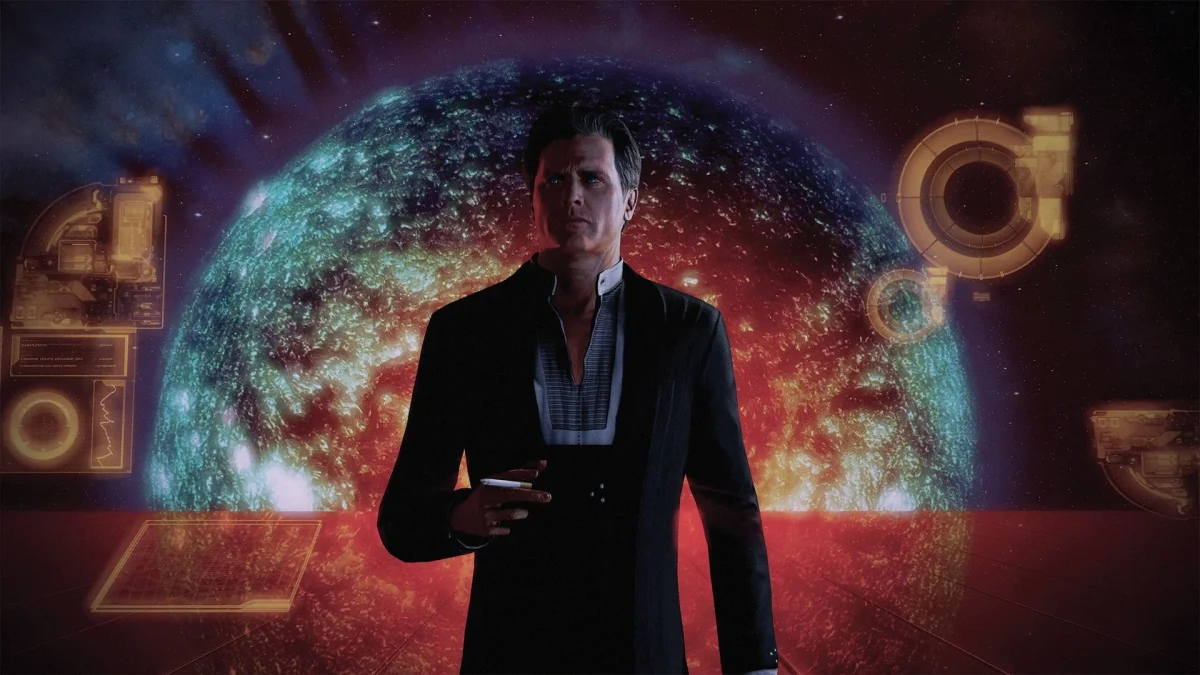
1. The Illusive Man (Mass Effect 2, 2010)
Operating in the shadows of the Citadel Council, the Illusive Man—leader of the pro-human paramilitary outfit Cerberus—recognized an existential truth that the broader galaxy willfully ignored: the impending Reaper invasion. While galactic governments buried their heads in the sand to maintain political stability, the Illusive Man undertook the ultimate pragmatist’s gambit. He financed the resurrection of Commander Shepard, recognizing that bureaucratic red tape and diplomatic hand-wringing would spell the extinction of all sentient life.
The Core Argument: When facing an annihilation-level threat, conventional morality is a luxury that dooms civilizations.
The Fatal Flaw: His ends-justify-the-means methodology inevitably corrupted him, leading him to weaponize Reaper technology and sacrifice his own operatives until he became the very monster he sought to defeat.
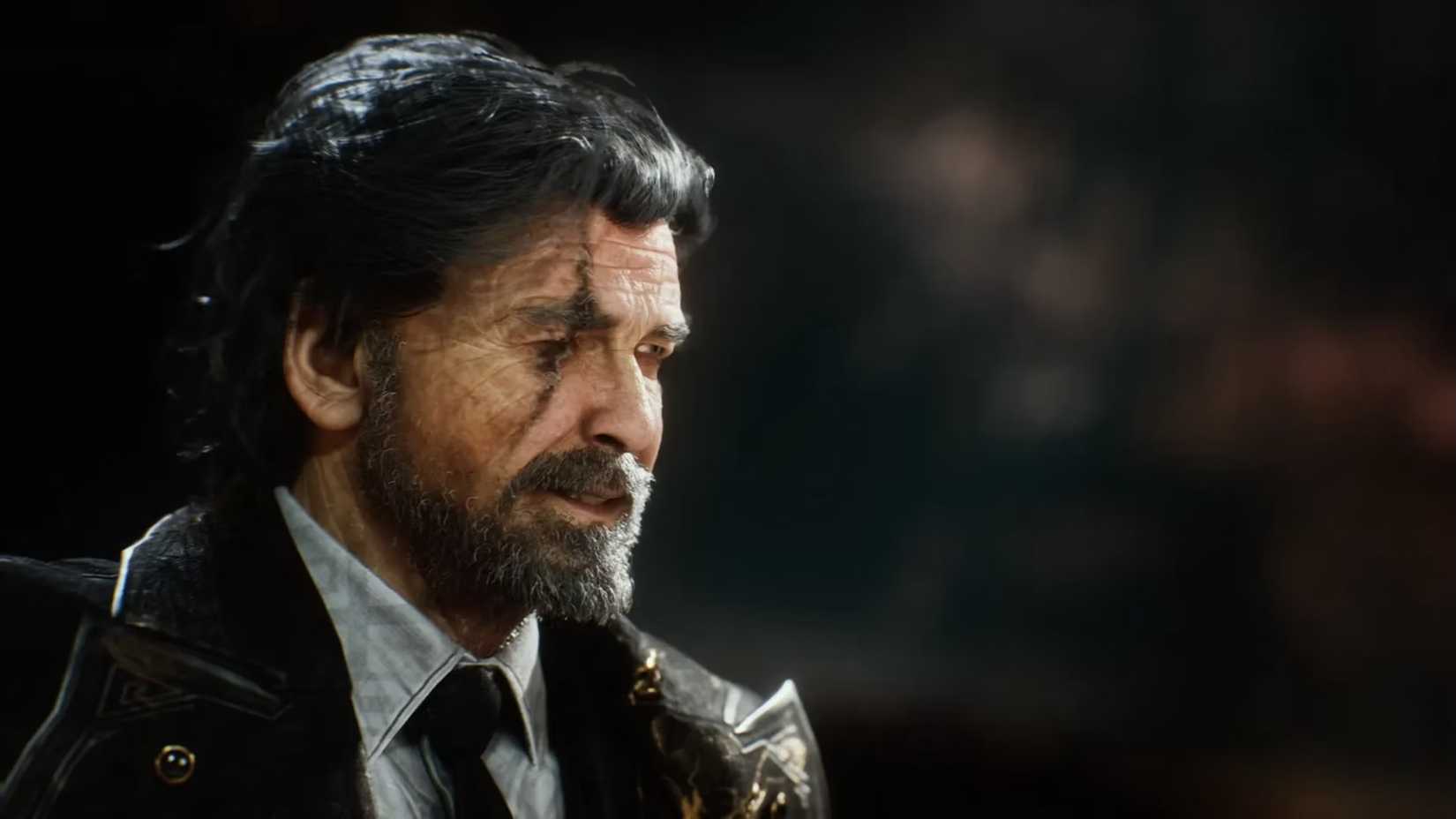
2. Big Boss / Naked Snake (Metal Gear Solid V: The Phantom Pain, 2015)
A veteran of state-sponsored covert operations, Naked Snake witnessed firsthand how sovereign superpowers exploit soldiers as disposable commodities, only to discard them when geopolitical alignments shift. Awakening from a coma after a catastrophic betrayal, Snake’s response was not to seek vengeance against a single nation, but to reject the entire apparatus of the nation-state. He founded Outer Heaven—a sovereign nation-state explicitly designed to provide soldiers with an independent home where they would never again be exploited by politicians.
The Core Argument: Sovereign states hypocritically wage wars while exploiting and discarding the very individuals who fight them.
The Fatal Flaw: The operational realities of maintaining such a sanctuary forced him into ruthless pragmatism, including the contentious recruitment of child soldiers.
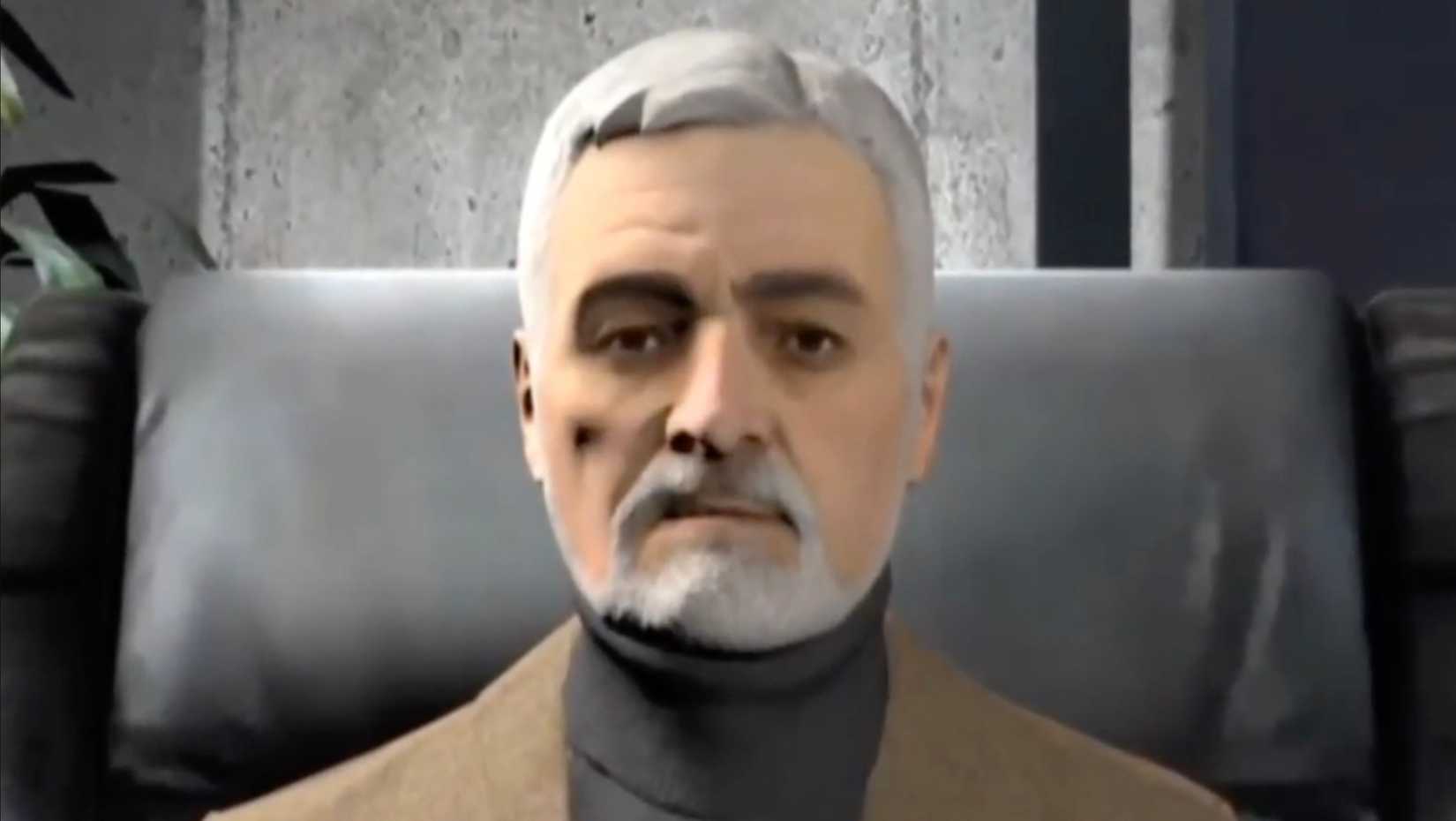
3. Wallace Breen (Half-Life 2, 2004)
Following the Seven Hour War—a conflict in which the trans-dimensional Combine empire subjugated Earth in less than a day—former scientist Wallace Breen brokered an unconditional surrender. Appointed as Earth’s human administrator, Breen enforced draconian measures, including population suppression and forced assimilation. Yet, in his infamous broadcasts, Breen defended his collaboration with chilling biological logic: human surrender was not cowardly defeat, but an evolutionary adaptation, akin to the lungfish crawling onto dry land.
The Core Argument: Total resistance against an overwhelmingly superior technological force is suicidal vanity; managed collaboration ensures long-term species survival.
The Fatal Flaw: Breen traded human dignity, free will, and cultural identity for a comfortable administrative title under an empire intent on total systemic harvesting.
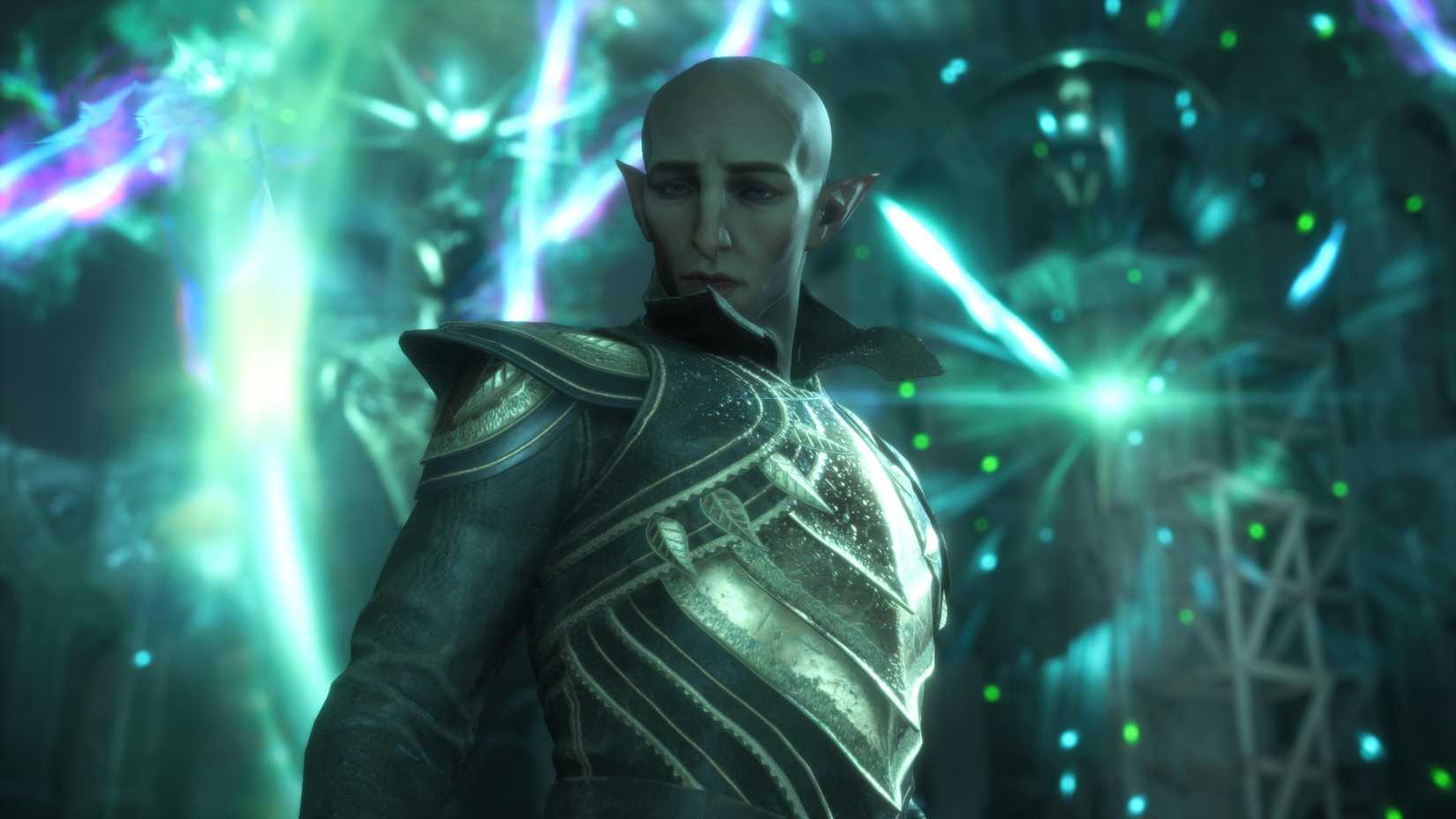
Masquerading as a humble elven apostate, Solas was revealed to be none other than the Dread Wolf of ancient mythology. Millennia ago, Solas created the Veil—a magical barrier separating the physical world from the spirit realm—to halt a catastrophic god-war. While this action saved the physical world, it severed his people from their immortality and reduced the once-glorious elven civilization to scattered, subjugated remnants. His subsequent plan to tear down the Veil was an attempt to correct a primordial mistake, regardless of the contemporary casualties.
The Core Argument: A foundational systemic error, no matter how ancient, must be dismantled and corrected, even if the process destroys the current world order.
The Fatal Flaw: His profound grief over his ancient past blinded him to the reality that the current inhabitants of the physical world possess autonomous, valid lives that do not consent to being sacrificed for historical restoration.
5. Emet-Selch (Final Fantasy XIV: Shadowbringers, 2019)
As one of the last surviving Ascians, Emet-Selch bore the memory of a paradise lost. The original world of the Ancients was shattered by an apocalyptic sundering, splitting the universe into fragmented reflections. Emet-Selch’s master plan involved triggering catastrophic calamities on the Source to force a reunification of these shards, thereby restoring his civilization—at the direct expense of killing the entire contemporary population of Eorzea.
The Core Argument: The current inhabitants of the sundered world are merely fragile, incomplete fragments of a far superior, harmonious precursor civilization.
The Fatal Flaw: He intellectualized genocide as a mere administrative restoration, underestimating the genuine depth, emotional capacity, and resilience of the "incomplete" modern souls.
6. Kreia / Darth Traya (Star Wars: Knights of the Old Republic II, 2004)
Acting as both mentor and puppet-master, Kreia exposed the inherent hypocrisy of both the Jedi and the Sith. She argued that both orders were merely enslaved by the Force—a cosmic, deterministic energy field that used sentient beings as pawns in an endless, meaningless war between light and dark. Her ultimate goal was nothing less than the systematic destruction of the Force itself, freeing humanity from cosmic manipulation.
The Core Argument: True free will cannot exist in a universe where cosmic entities dictate moral imperatives and manipulate mortal destinies.
The Fatal Flaw: Her philosophical clarity was deeply compromised by her callous manipulation and siphoning of her companions, replicating the very cycle of abuse she sought to eradicate.
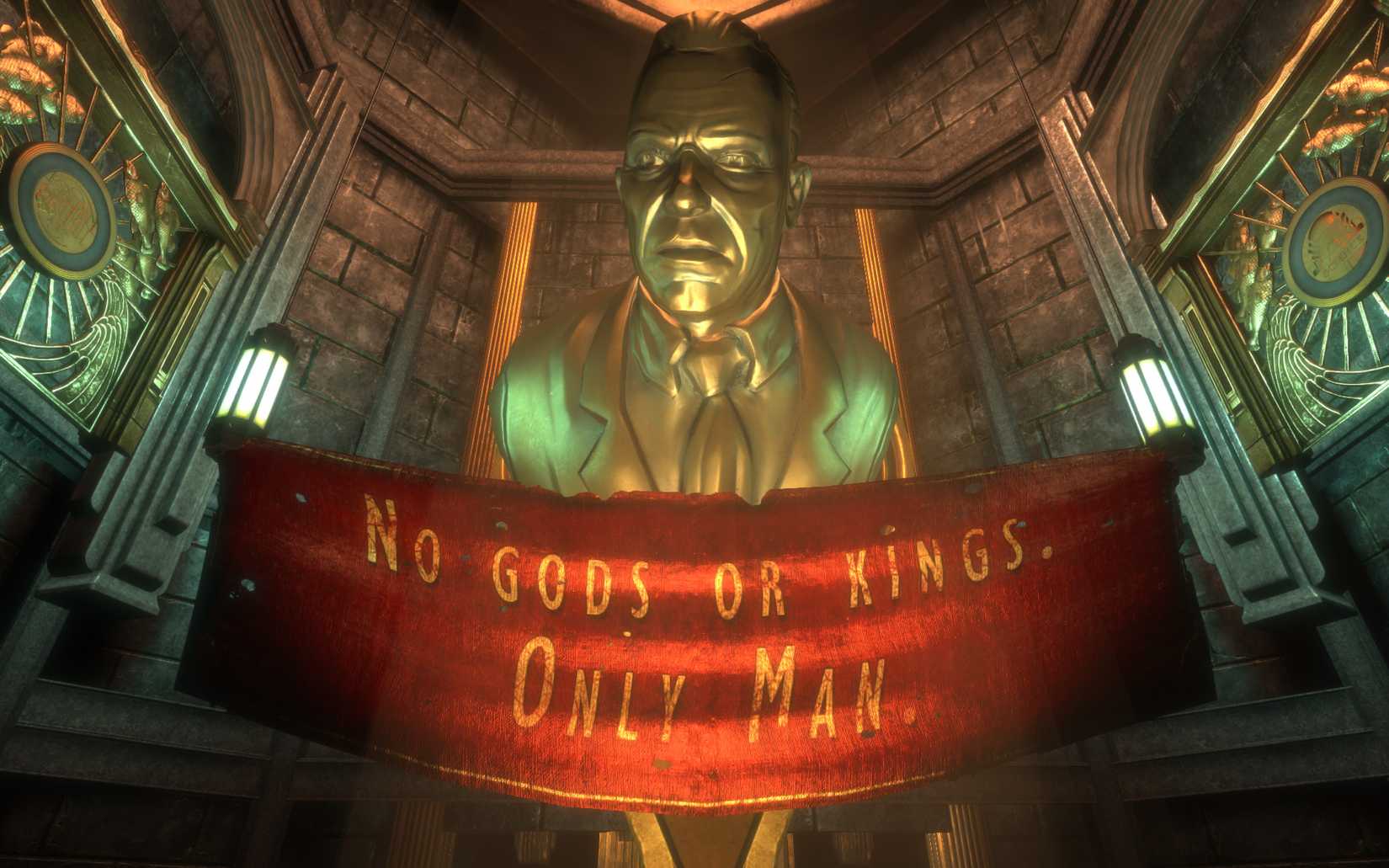
7. Andrew Ryan (BioShock, 2007)
Disgusted by the creeping tendrils of government oversight, taxation, and religious interference in post-WWII society, Andrew Ryan gathered the world’s greatest minds, scientists, and industrialists to construct Rapture—a libertarian utopia at the bottom of the Atlantic Ocean. Built upon the absolute maxim that a man’s success belongs to no one but himself, Ryan championed pure, unfettered laissez-faire capitalism.
The Core Argument: Individual achievement and innovation are stifled by collective governance, taxation, and moral policing.
The Fatal Flaw: His absolute refusal to implement regulatory oversight allowed the gene-altering substance ADAM to corrupt Rapture’s populace, proving that absolute freedom without foundational ethical guardrails inevitably collapses into dystopian anarchy.
8. Renoir (Clair Obscur: Expedition 33, 2025)
Split into two distinct manifestations—one painted into existence to preserve an idealized fantasy, and the other a flesh-and-blood father worn down by years of real-world grief—Renoir embodies the agonizing dichotomy between living in comfortable illusion and confronting harsh reality. The painted Renoir fights to sustain a magical Canvas that protects its inhabitants, while the real Renoir seeks to shatter it so his family can finally stop hiding behind grief-stricken art and face reality.
The Core Argument: Sustaining a permanent, comforting fantasy prevents genuine emotional processing and keeps families trapped in perpetual stagnation.
The Fatal Flaw: Destroying the Canvas effectively eradicates an entire ecosystem of sentient, feeling entities who have built lives and forged genuine bonds within it.
Supporting Context & Metrics
To appreciate the weight of these antagonists’ philosophies, we must examine the thematic architecture that binds them. Across AAA game development over the past two decades, narrative design has shifted heavily toward gray-scale morality.
Antagonist
Game Title
Core Ideology
Primary Justification
Collateral Damage
The Illusive Man
Mass Effect 2
Species Survival Pragmatism
Extinction threatens all ethical frameworks
Betrayal and mutation of loyal operatives
Big Boss
Metal Gear Solid V
Anti-Imperialist Sovereignty
States exploit and discard soldiers
Recruitment of child combatants
Wallace Breen
Half-Life 2
Evolutionary Accommodation
Total resistance equals species suicide
Cultural erasure and population suppression
Solas
Dragon Age: Inquisition
Historical Restitution
Fixing an ancient, catastrophic mistake
Annihilation of the modern physical world
Emet-Selch
Final Fantasy XIV
Civilizational Restoration
Restoring a paradise lost to fragmentation
Planetary-scale genocidal calamities
Kreia
Star Wars: KOTOR II
Cosmic Liberation
Ending deterministic manipulation by the Force
The potential destabilization of the galaxy
Andrew Ryan
BioShock
Radical Libertarianism
Eradicating parasitic state control
Total societal collapse and biological mutation
Renoir
Clair Obscur: Expedition 33
Reality-Based Grief Processing
Escaping perpetual psychological stagnation
Eradication of a living, painted reality
This structural shift in game writing reflects a broader cultural appetite for nuance. Players no longer simply want to vanquish evil; they want to interrogate why systems fail and whether radical disruption is sometimes the only moral response to systemic corruption.
Official Statements & Industry Perspectives
Industry veterans and lead narrative designers have frequently commented on the evolving role of the antagonist in modern video games.
Dr. Aris Thorne, a leading ludonarrative theorist at the Institute for Interactive Storytelling, notes:
"When an antagonist’s premise is entirely baseless, the player experiences no cognitive dissonance. The triumph feels hollow. However, when a villain articulates a systemic flaw that the player recognizes from the real world—such as bureaucratic apathy, corporate exploitation, or the trauma of systemic war—the narrative transforms from a simple power fantasy into an interactive philosophical debate."
Similarly, lead writers from studios like BioWare and Square Enix have repeatedly emphasized that crafting a memorable villain requires establishing a fundamental empathy between the player and the antagonist. If the player cannot, even for a fleeting moment, understand why the villain chose their path, the narrative has failed to establish a compelling ideological conflict.
Future Outlook
As video game technology advances—incorporating increasingly sophisticated generative intelligence, branching narrative engines, and photorealistic fidelity—the traditional boundaries of hero and villain will continue to blur. Future titles are expected to move even further away from rigid moral alignments, introducing fluid narrative systems where players can actively adopt, modify, or reject these radical philosophies rather than merely reacting to them.
Ultimately, gaming’s most misunderstood villains serve a vital mirror to our own society. They remind us that systemic oppression, existential dread, and historical trauma rarely arrive wearing a mask of pure malice. Instead, they often wear the face of reason, pragmatism, and vision—forcing us to ask the most difficult question of all: When the world is fundamentally broken, how far would you go to fix it?