Executive Overview
In the fast-evolving landscape of digital media, few cultural touchstones have left as enduring a mark on the discourse of journalistic integrity as the internet phenomenon known as the "Dorito Pope."
Coined in late 2012, this moniker was bestowed upon prominent Canadian video game journalist Geoff Keighley following an infamous promotional interview with the gaming website LevelSave.com. What was ostensibly meant to be a routine preview discussion surrounding high-profile titles like Halo 4 quickly devolved into a visual masterclass in corporate synergy. Keighley was framed by an overwhelming, almost surreal saturation of product placement for Mountain Dew and Doritos, specifically highlighting the "Mountain Dew and Doritos XP" cross-promotion between PepsiCo and Microsoft.
Far from being dismissed as a minor broadcast oddity, the October 18, 2012, interview catalyzed a massive industry-wide reckoning. It exposed simmering frustrations regarding the cosy, often transactional relationship between major gaming outlets and triple-A publishers. The subsequent fallout—colloquially dubbed "Doritosgate"—gave rise to satirical video edits, viral internet memes, critical essays, and rigorous soul-searching among media critics.
This retrospective examines the origins, viral expansion, and cultural legacy of the Dorito Pope phenomenon, mapping its profound impact on the ethics, transparency, and independence of modern video game journalism.
Detailed Chronology: From Pixelated Promos to Public Backlash
The Fateful Broadcast (October 18, 2012)
The genesis of the phenomenon occurred on October 18, 2012, when LevelSave.com published a video interview featuring Geoff Keighley. At the time, Keighley was one of the most recognizable faces in games media, known for his comprehensive reporting, television hosting, and close ties to major industry figures. The interview ostensibly aimed to cover his experiences at San Diego Comic-Con, impressions of Halo 4, and various developments in the gaming landscape.
However, viewers tuning in were immediately struck by the physical environment of the broadcast. Keighley was seated directly in front of and surrounded by towering displays, bags, and promotional materials for Doritos chips and Mountain Dew bottles. The broadcast served as a direct advertisement for the "Mountain Dew and Doritos XP" program—a joint marketing venture by PepsiCo and Microsoft that allowed consumers to redeem unique alphanumeric codes printed on snack packaging for double-experience-point boosts (XP) in Halo 4.
While product integration in media was certainly nothing new by 2012, the sheer blatancy and visual dissonance of a veteran journalist conducting an ostensibly objective interview amidst a wall of junk food marketing proved jarring. The community response was swift and unforgiving. As the video circulated, it accumulated a heavily skewed metrics profile: within a year and a half, the video sat at nearly 50,000 views, accompanied by a staggering ratio of roughly 1,200 downvotes to a mere 125 upvotes. The audience had spoken, signaling a profound weariness toward corporate-dominated media coverage.
The Catalyst: "Lost Humanity 18: A Table of Doritos" (October 24, 2012)
The viral online reaction soon caught the attention of professional media critics. On October 24, 2012, Eurogamer.0ut writer Rab Florence published a blistering and deeply reflective column titled "Lost Humanity 18: A Table of Doritos."
Florence used the widespread mockery of Keighley’s interview as a springboard to address deeper, systemic ethical rot within the gaming press. He criticized the normalized proximity between journalists and the multi-billion-dollar corporations whose products they were tasked with reviewing and critiquing. Florence wrote passionately about how commercial pressures threatened to erode the independence and credibility of games criticism, transforming objective analysts into unwitting brand ambassadors.
The article struck a nerve, instantly polarizing the industry. It ignited a firestorm that would soon be labeled "Doritosgate," establishing a permanent vocabulary for discussing conflicts of interest in digital entertainment media. Although the original article faced subsequent editorial revisions and legal threats regarding naming specifics, the cultural bell had already been rung. The debate over whether gaming journalism was independent or merely a marketing arm for publishers could no longer be swept under the rug.
Satirical Escalation and Community Retaliation (Late October 2012 – January 2013)
As internet subcultures frequently do when faced with corporate absurdity, the community turned the spectacle into a playground for viral parody.

On October 26, 2012—just two days after Florence’s editorial dropped—YouTuber PewpewVIDEOGAMES uploaded a brilliantly edited parody video titled "Double your Gaming Journalism with Geoff Keighley." The clip masterfully spliced audio and visual segments of Keighley discussing Halo 4 and the Mtn Dew and Doritos XP promotion with chaotic multiplayer footage from Halo 3, culminating in a visual metaphor of a player relentlessly "tea-bagging" a virtual corpse. The video crystallized the community’s cynical view of the commercialized journalism landscape.
The momentum continued into the new year. On January 1, 2013, prominent community commentator AngryJoeShow released a comprehensive retrospective counting down the top 10 gaming controversies of 2012. In his analysis, the Dorito Pope interview and the broader Doritosgate fallout ranked near the very top of the cultural zeitgeist, trailing only industry-shaking moments like the controversial ending of Mass Effect 3 and the real-world Arma III espionage arrests in Greece.
Supporting Context & Metrics: The Mechanics of a Viral Phenomenon
Understanding the Ecosystem of Corporate Synergy
To fully grasp why the Dorito Pope image resonated so powerfully, one must understand the economic pressures facing games media in the early 2010s. Traditional print magazines were dying or already dead, and digital ad revenue was shifting unpredictably. Exclusive access to game developers, review code, promotional events, and advertising dollars became the lifeblood of digital gaming publications.
In this hyper-competitive environment, major publishers held immense leverage. Cross-promotional tie-ins, such as the PepsiCo-Microsoft Halo 4 campaign, represented millions of dollars in marketing spend designed to capture the lucrative demographic of young male gamers. When a respected journalist positioned himself quite literally inside the marketing funnel, it laid bare the transactional nature of the industry: access in exchange for uncritical enthusiasm.
Quantifying the Backlash
While real-time analytics dashboards in 2012 lacked the sophistication of today’s social listening tools, the quantitative footprints left by the Dorito Pope phenomenon tell a compelling story of digital outrage:
- The Video Dislike Ratio: The primary LevelSave.com interview video demonstrated an unprecedented negative sentiment score. With an approximate 10-to-1 downvote-to-upvote ratio, it became an early textbook example of "ratioing" on YouTube—long before the term entered common social media lexicon.
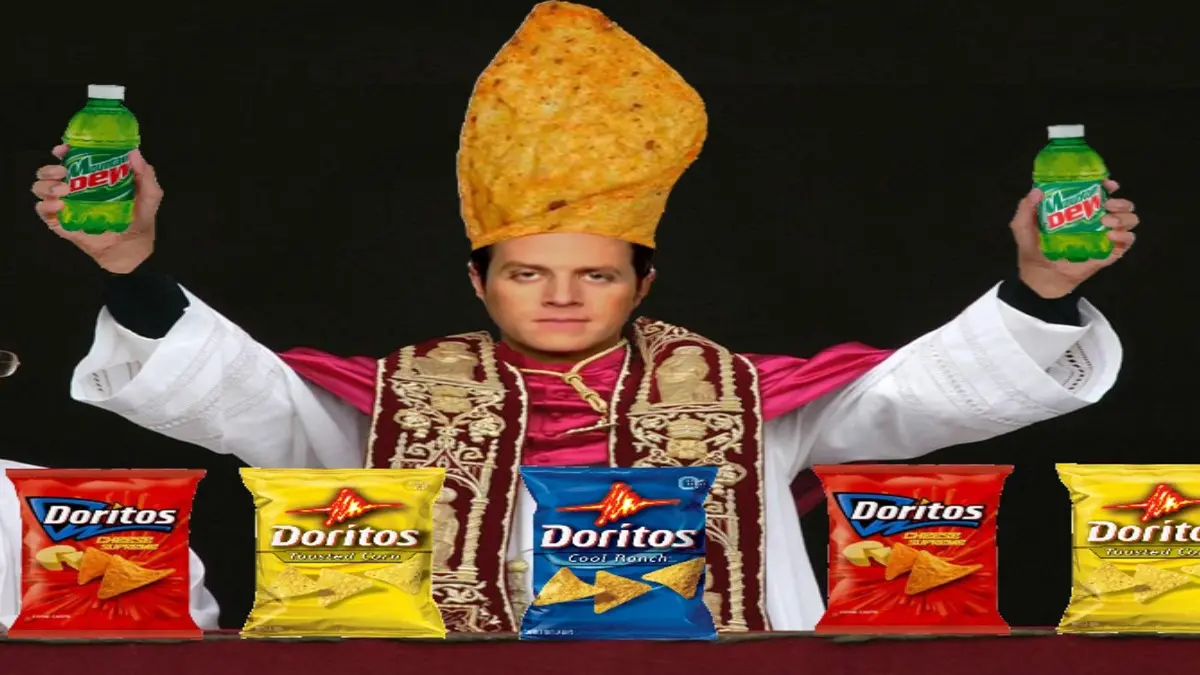
- Meme Velocity: Within weeks of the interview and Florence’s subsequent article, search queries and image-macro generation skyrocketed across imageboards, Reddit communities, and Twitter (now X). Images of Keighley’s face superimposed onto bags of Doritos, wearing papal vestments woven from snack packaging, flooded online spaces.
- Semantic Persistence: More than a decade later, the terms "Dorito Pope" and "Doritosgate" remain active entries in internet history lexicons, regularly invoked whenever a modern gaming influencer or journalist receives review code, all-expenses-paid trips, or exclusive preview access from major publishers.
Official Statements and Industry Fallout
While Geoff Keighley himself largely weathered the storm by pivoting further into independent production—eventually launching The Game Awards in 2014 as an autonomous celebration of the industry—the wider media landscape was forced to adapt.
In the wake of Doritosgate, numerous outlets introduced stricter internal ethics guidelines regarding travel sponsorships, review event attendance, and the acceptance of promotional swag. Publications sought to distance themselves from the perception that their editorial stances could be bought with a bag of chips or a double-XP code.
Furthermore, the controversy served as an early warning sign for the changing dynamics between traditional games journalists and emerging content creators (streamers, YouTubers, and influencers). As audiences increasingly gravitated toward independent creators who wore their sponsorships openly, traditional journalists found themselves under immense pressure to prove their independence, transparency, and consumer-first orientation.
Future Outlook: The Legacy of the Dorito Pope in Modern Media
Looking back from the vantage point of today’s creator-driven economy, the "Dorito Pope" controversy feels almost quaint compared to the complex web of modern influencer marketing, sponsored livestreams, and affiliate-link journalism. Today, major publishers routinely pay content creators six-figure sums to play games live on Twitch or YouTube, often with clear regulatory disclaimers like #sponsored or #ad.
However, the core ethical dilemmas raised by the Dorito Pope incident remain acutely relevant. The fundamental tension between commercial monetization and critical objectivity continues to challenge digital journalism across all sectors—from tech and automotive blogging to fashion and entertainment.
Geoff Keighley survived the controversy to become one of the most powerful impresarios in modern gaming, orchestrating events watched by tens of millions globally. Yet, the ghost of the Dorito Pope lingers as a permanent reminder. It stands as a cautionary tale of what happens when the line separating the journalist from the advertiser dissolves entirely, ensuring that whenever corporate hype meets uncritical media coverage, the internet will be quick to fetch a bag of chips and remind the world of its history.