Executive Overview
Across a storied cinematic career that spans more than half a century, Robert De Niro has permanently etched his name into the annals of film history by breathing life into some of the most compelling, calculating, and terrifying gangsters ever projected onto the silver screen. From his haunting portrayal of a young Vito Corleone in The Godfather Part II to his meticulous, understated performance as Frank Sheeran in Martin Scorsese’s The Irishman, De Niro’s filmography serves as a masterclass in cinematic intimidation. Yet, for all the visceral violence, operatic drama, and Machiavellian power struggles that define his mob portfolio, De Niro’s most chilling and revealing contribution to the gangster genre does not arrive wrapped in an overt threat or a declaration of war.
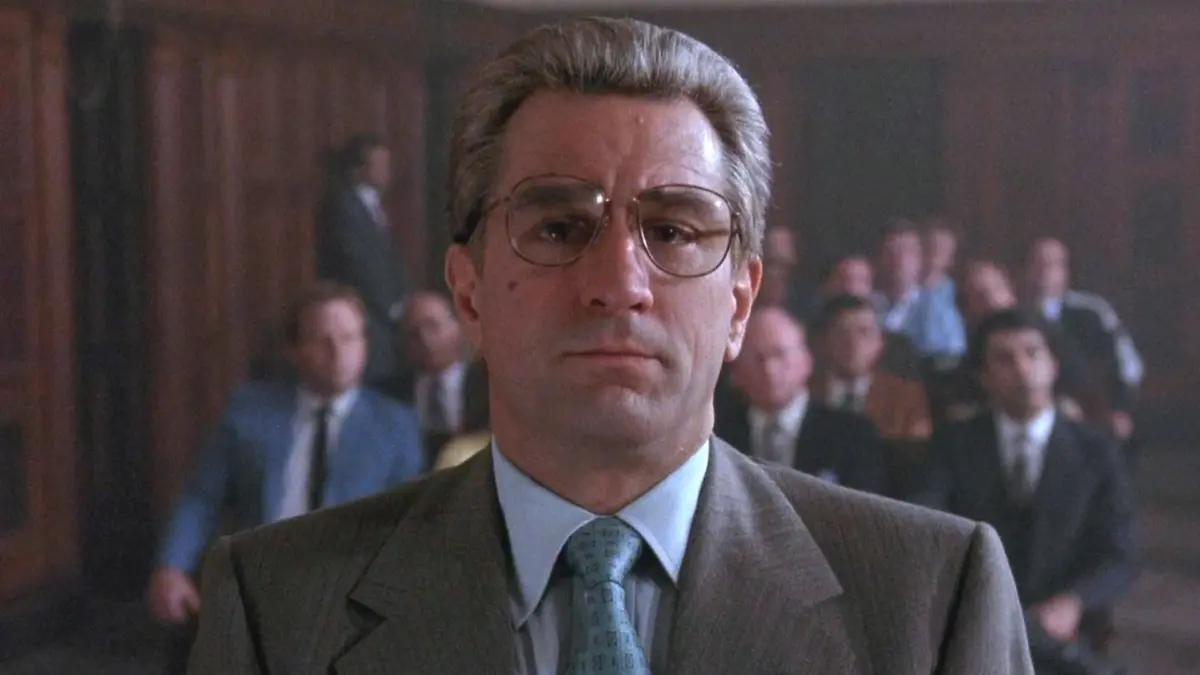
Instead, it is delivered with a chillingly deceptive, everyday casualness in Martin Scorsese’s 1990 masterwork, Goodfellas. Adapted from Nicholas Pileggi’s seminal non-fiction crime chronicle Wiseguy, the film tracks the rise and precipitous fall of mob associate Henry Hill. Early in the narrative, following a low-level arrest for selling untaxed cigarettes, Jimmy "The Gent" Conway (De Niro) pulls a young Hill aside, slips him a wad of cash, and offers a seemingly straightforward piece of wisdom:
"Never rat on your friends and always keep your mouth shut."
While superficially sounding like standard-issue brotherhood or pragmatic street advice, this deceptively simple aphorism operates as the core ideological engine of the criminal underworld. It exposes the grim machinery of omertà—the mob’s code of silence—and highlights how romanticized notions of "loyalty" are actually instruments of psychological control and systematic coercion. This investigative analysis explores the cinematic weight of De Niro’s iconic delivery, deconstructs the cruel irony of mob life as depicted in Goodfellas, and examines how this foundational philosophy inevitably collapses under the crushing weight of paranoia, greed, and self-preservation.
Detailed Chronology: The Anatomy of a Rite of Passage
To understand the true gravity of Jimmy Conway’s maxim, one must examine the precise narrative juncture at which it enters the cinematic timeline. The scene functions as a critical threshold in the corruption of Henry Hill, transforming an impressionable kid enamored with the glitz of neighborhood wiseguys into an indoctrinated soldier of the Lucchese crime family.
The First Pinch and the Illusion of Brotherhood
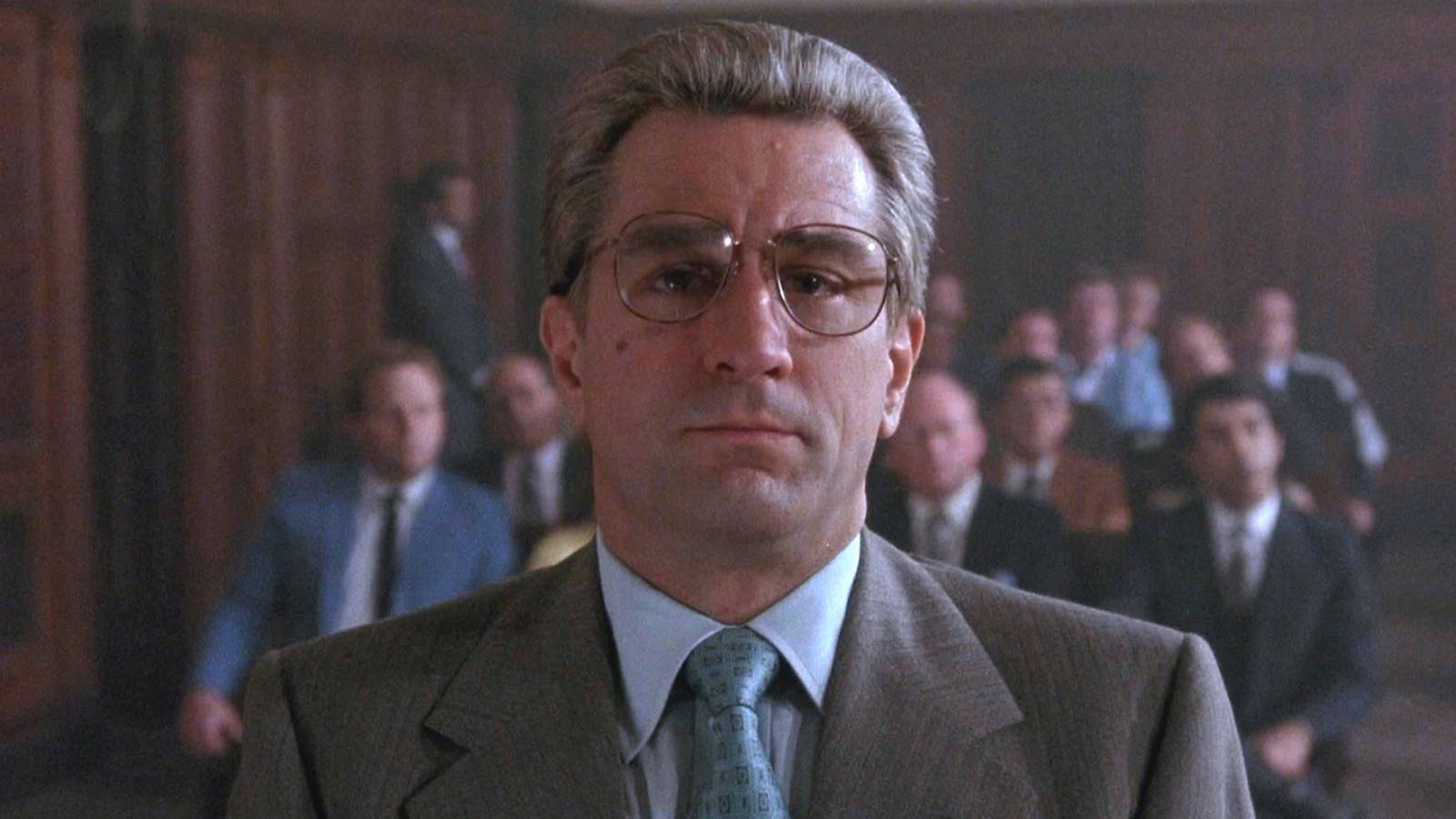
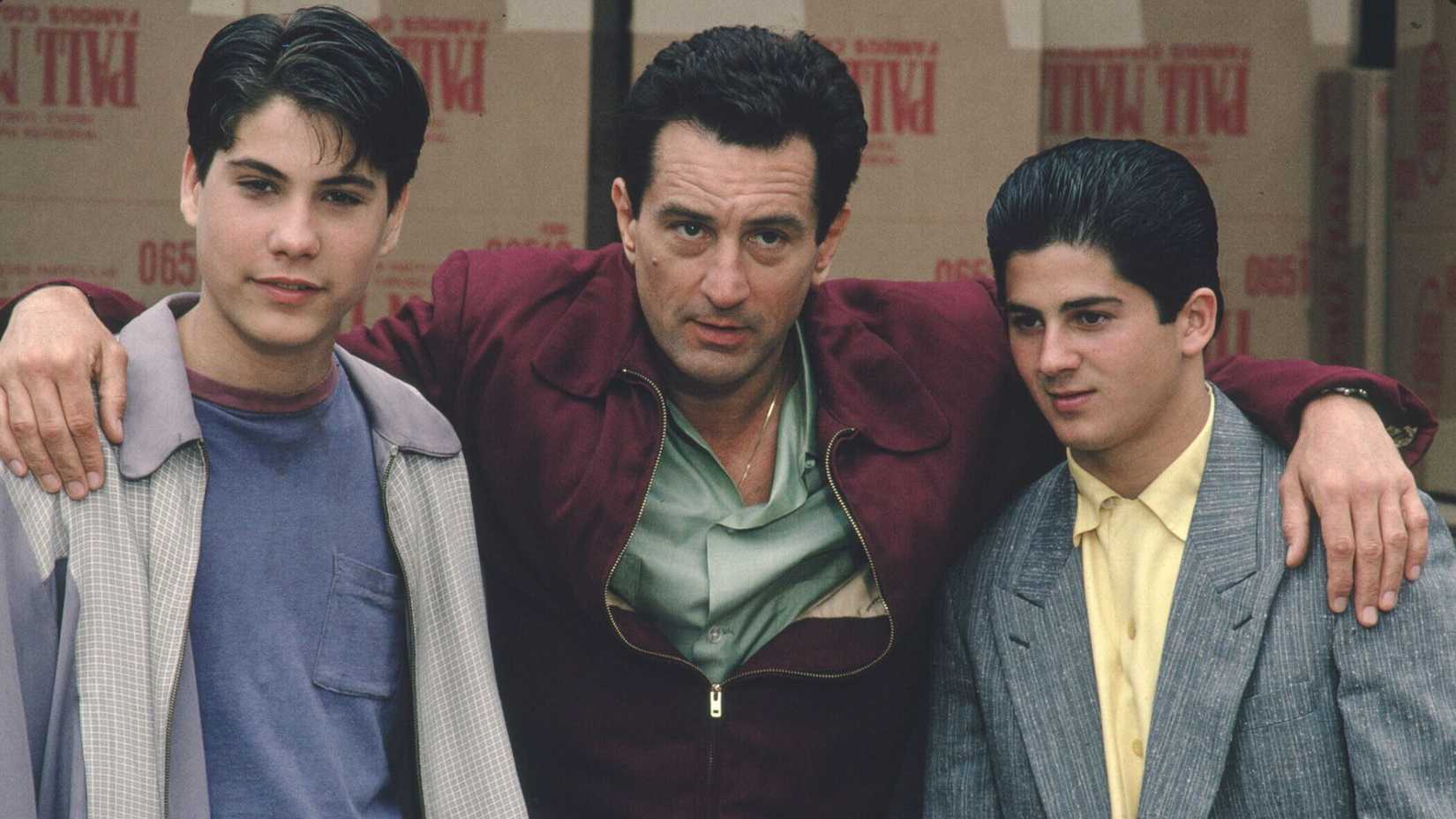
In the early acts of Goodfellas, Henry Hill is a wide-eyed adolescent running errands for Paulie Cicero’s crew out of a local cabstand. To Henry, the local mobsters are local royalty—figures who command instant respect, walk without waiting in lines, and flash cash with casual impunity. His first brush with the law, resulting from a bust for moving untaxed cigarettes, should theoretically terrify a rookie. Instead, under the tutelage of the neighborhood hierarchy, it becomes an audition.
Sitting in the courtroom and maintaining absolute silence through his first legal ordeal, Henry passes his initial test. Stepping out onto the pavement outside the courthouse, he is met by Jimmy Conway. Rather than scolding him for drawing police attention, Jimmy rewards him. He hands Henry a roll of cash—a tangible dividend for keeping his mouth shut—and pulls him close to deliver the cardinal rules of the syndicate.
This moment is structured not as a mentor offering paternal wisdom, but as an induction into a cult of personality. By framing the silence as a badge of honor and reinforcing it with immediate financial reward, Conway weaponizes positive reinforcement. Henry is taught that his value is entirely contingent upon his capacity for secrecy.
The Escalation: From Petty Theft to the Lufthansa Heist
As the chronology of Goodfellas accelerates through the decades, the stakes of Conway’s doctrine scale exponentially. What begins as silence over bootlegged cigarettes evolves into complicity in grand larceny, extortion, and ultimately, murder.
Conway’s affable demeanor slowly peels away as the scale of their criminal operations expands, culminating in the legendary Lufthansa heist. The operation nets millions in untraceable cash, but it simultaneously shatters the fragile ecosystem of trust that Jimmy had spent years cultivating. The millions on the table test the limits of "never ratting on your friends." Because the score is so massive, the danger of exposure multiplies, and Jimmy’s internal calculus shifts. The very rule he preached to Henry outside the courthouse—loyalty above all—becomes the justification for a wave of preemptive executions.

Conway begins systematically eliminating his own co-conspirators, turning the doctrine of self-silencing into a body count. The chronology of the film charts a tragic, inevitable trajectory: the men who taught Henry how to keep his mouth shut are the very men who prove that no one’s mouth can stay shut forever when faced with the barrel of a gun or the threat of a life sentence.
Supporting Context & Metrics: The Real-World Blueprint of Wiseguy
Martin Scorsese’s vision for Goodfellas was famously rooted in radical realism. Unlike the operatic, insulated myth-making of Francis Ford Coppola’s The Godfather trilogy, Goodfellas presented the mafia not as an aristocratic dynasty of tragic antiheroes, but as a blue-collar, hyper-capitalist enterprise fueled by cocaine, impulse buys, and sociopathic self-interest.
Nicholas Pileggi’s Journalistic Rigor
The foundation of the film rests on Nicholas Pileggi’s exhaustive journalistic interviews with the real-life Henry Hill, who operated within the Vario crew of the Lucchese crime family before entering the Federal Witness Protection Program. Pileggi’s reporting stripped away the cinematic gloss traditionally associated with organized crime, revealing an organization governed by a paradox: absolute dependence on loyalty coupled with absolute certainty of betrayal.
Statistically and behaviorally, the world described by Pileggi—and translated to the screen by De Niro, Ray Liotta, and Joe Pesci—operates on a strict cost-benefit analysis disguised as familial honor.
| Dimension of Mob Life | The Romanticized Myth | The Goodfellas Reality |
|---|---|---|
| Loyalty | Unbreakable blood-level bonds of brotherhood. | A transactional insurance policy that expires the moment an arrest is made. |
| Silence (Omertà) | A noble refusal to bow to a corrupt state apparatus. | A psychological terror tactic designed to prevent higher-ups from being implicated. |
| Friendship | Lifelong camaraderie built in neighborhood bars. | A paranoid vacuum where every associate is a potential informant or target. |
De Niro’s performance as Jimmy Conway (modeled closely on real-life mob associate Jimmy Burke) embodies this duality. Burke was notorious for orchestrating massive heists while maintaining a veneer of a friendly, neighborhood guy who tipped heavily and treated young associates like family. Yet, behind that affable facade lay a statistical probability of violence: associates who outlived their usefulness or drew too much federal heat invariably vanished. The metrics of mob survival dictated that a dead friend could not testify, making murder the ultimate execution of "keeping your mouth shut."
Official Statements and Critical Retpectives
Film critics, cultural historians, and De Niro himself have frequently revisited Goodfellas as a watershed moment in the cinematic deconstruction of the American Dream. The gangster genre has long served as a dark mirror to capitalist ambition—a hyper-violent manifestation of the bootstrap mentality where individuals carve out empires through sheer grit and ruthlessness.
The Banality of Evil in Performance
Film scholars often point to De Niro’s physical and emotional restraint as the key to the quote’s enduring resonance. In various retrospective interviews regarding his collaboration with Scorsese, De Niro has emphasized the importance of playing villains and criminals not as mustache-twirling caricatures, but as ordinary men who happen to inhabit extraordinary, brutal circumstances.
"You don’t play the bad guy as a bad guy," De Niro has noted in discussions regarding his approach to mob archetypes. "You play them as a guy who is simply doing what he thinks is necessary to survive and protect his interests."
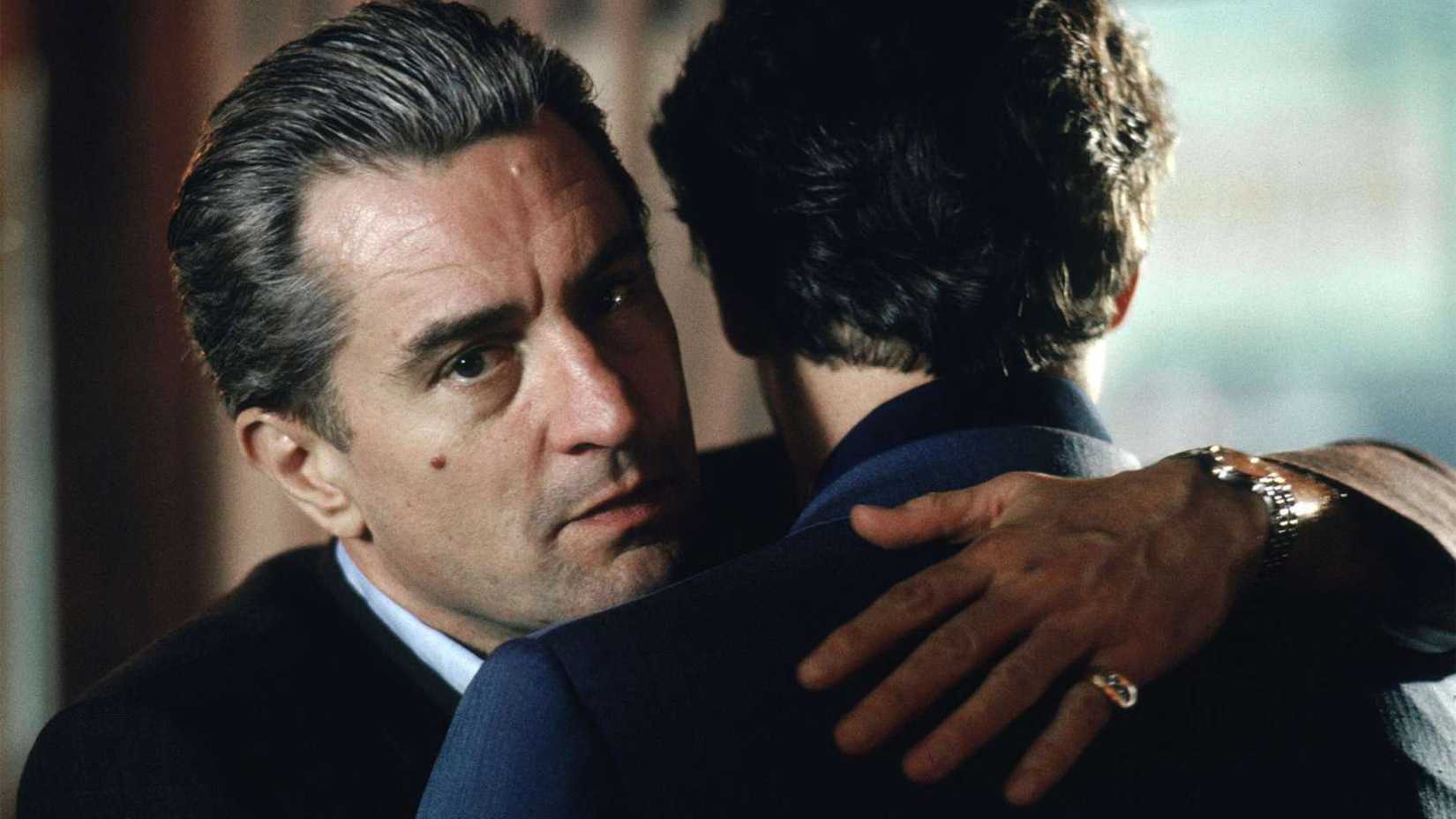
This philosophy is precisely why Conway’s advice to Henry is so unsettling. When Jimmy says, "Never rat on your friends and always keep your mouth shut," he does not deliver it with the histrionic fury of Al Pacino or the manic volatility of Joe Pesci’s Tommy DeVito. He says it calmly, reasonably, almost gently. By stripping the threat of overt aggression, De Niro makes the ideology feel entirely normalized. It sounds like sensible advice from an older brother or a pragmatic uncle, which makes its underlying cruelty all the more insidious.
Academic and Cinematic Legacy
Prominent film critics have frequently ranked Jimmy Conway’s mentorship of Henry Hill among the top cinematic character introductions in crime drama history. The line encapsulates the thematic thesis of Goodfellas: that the criminal underworld runs on a currency of manufactured trust that is inherently bankrupt. Sociologists of film have categorized the quote as the ultimate expression of the "corporate gangster," a figure who treats human relationships as depreciating assets to be liquidated the moment liability exceeds utility.
Future Outlook: The Enduring Cultural Footprint of the Mob Quote
More than three decades after its initial theatrical release in 1990, Goodfellas continues to cast a long, definitive shadow over modern television, cinema, and digital media. The DNA of Jimmy Conway’s philosophy can be felt across generations of prestige crime dramas, from David Chase’s groundbreaking television series The Sopranos to Vince Gilligan’s Breaking Bad.
The Evolution of the Criminal Code in Modern Media
In contemporary storytelling, the romanticized "code of honor" popularized by mid-century gangster films has been almost entirely dismantled—a process that Goodfellas aggressively initiated. Modern audiences are no longer interested in the sanitized, chivalric codes of honor depicted in classical Hollywood. Instead, viewers are drawn to the psychological realism championed by Scorsese and De Niro, where codes of loyalty are exposed as hollow mechanisms of control used by paranoid bosses to delay their own inevitable downfalls.
As streaming platforms continue to archive and re-contextualize cinematic masterpieces for new generations of viewers, lines like Conway’s retain their cultural currency. They serve as cautionary tales not just about organized crime, but about any closed ecosystem—corporate, political, or institutional—where absolute conformity and the silencing of dissent are demanded under the guise of "loyalty."
Conclusion: The Meat-Grinder of Modern Myth
Robert De Niro’s definitive gangster quote remains a masterclass in screenwriting and performance because it captures the central, tragic paradox of the criminal life: these men rely on absolute loyalty precisely because they operate in an environment where genuine trust is an impossible luxury. Jimmy Conway’s doctrine serves as gospel within the criminal underworld, yet it offers zero salvation. In a world structured like a meat-grinder, silence only buys a temporary reprieve, and a trusted friend’s warm smile is all too often the prelude to a bullet in the back. Through this single, chillingly calm piece of advice, De Niro permanently redefined what it means to belong to the family—and what it costs to get out alive.