Executive Overview
The landscape of digital advertising is undergoing a tectonic shift, driven largely by the rapid integration of artificial intelligence into platforms previously deemed too complex for casual marketers. For small-to-medium-sized businesses (SMBs), independent creators, and marketing professionals who have long avoided the daunting learning curve of the TikTok Ads Manager, a new paradigm has emerged. Through sophisticated AI integrations—such as the Agentic Hub, Model Context Protocol (Protocol or MCP), Symphony Creative Studio, and Content Suite—TikTok is actively working to dismantle the technical barriers that have historically separated enterprise-level advertisers from everyday entrepreneurs.
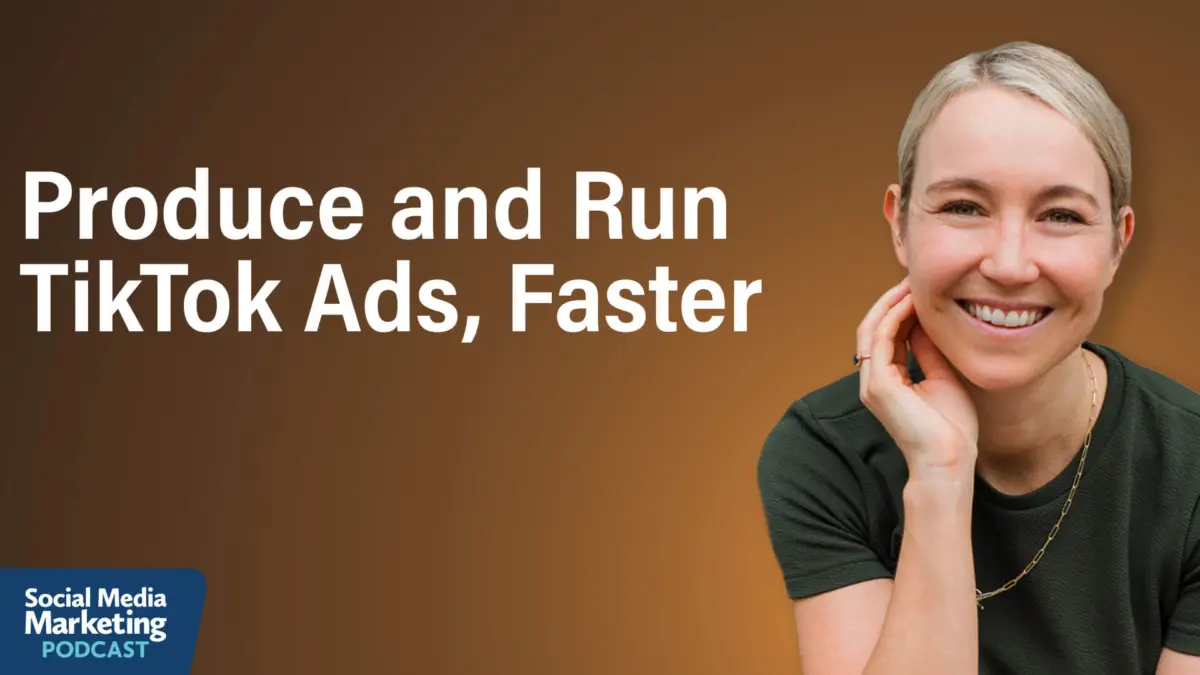
Insights gathered from industry experts, including short-form video specialist and Oysterly Media founder Melissa Laurie, highlight a vital nuance: while AI makes campaign creation, research, and video generation drastically more accessible, it does not replace the need for strategic human oversight. Instead of erasing the labor of advertising, these new tools are fundamentally redefining it, shifting the modern marketer’s focus from manual execution and technical platform navigation to sophisticated prompt engineering, creative refinement, and psychological framing. As AI drives the baseline quality of digital content upward across the board, understanding how to leverage these platforms while retaining a distinct, authentic human edge has become the ultimate competitive advantage.
Detailed Chronology of TikTok’s AI Ecosystem Integration
To fully understand how TikTok is leveling the playing field for advertisers, one must examine the systematic rollout of its artificial intelligence ecosystem. This infrastructure has evolved through distinct technological milestones designed to bridge the gap between human intent and programmatic execution.
Phase 1: The Introduction of Agentic Hub and MCP Interoperability
Historically, connecting external artificial intelligence assistants—such as OpenAI’s ChatGPT or Anthropic’s Claude—to a robust ad network required hiring software developers to build bespoke Application Programming Interfaces (APIs). This technical hurdle locked out millions of smaller businesses.
TikTok upended this dynamic by introducing the Agentic Hub, a dedicated marketplace for AI-powered advertising tools. Central to this hub is the TikTok for Business Model Context Protocol (MCP) server. To conceptualize this architecture, experts often use a restaurant analogy: TikTok Ads Manager is the restaurant kitchen, the AI tool (like Claude or ChatGPT) represents the menu and the ordering experience, and the MCP functions as the attentive waiter bridging the two environments.
Through this protocol, marketers establish secure, bidirectional communication between their chosen AI tools and TikTok Ads Manager. Commands, campaign reporting requests, and optimization brainstorms are executed entirely in plain, conversational language. Depending on the specific configuration, these connections are either read-only (ideal for pulling and analyzing data reports) or read-and-write (allowing the AI to draft campaigns, adjust ad groups, or modify settings directly). For the business owner who has never opened the native ad interface, this removes the paralyzing intimidation of data tables and parameter menus.
Phase 2: The Deployment of Official AI Skills
Moving beyond simple text commands, TikTok developed a library of official "AI skills"—downloadable, prepackaged instruction sets that operate inside conversational AI tools via the MCP server. These skills function essentially like plug-and-play expertise. Once installed, they instruct the AI to execute specific advertising tasks with a level of precision that generic prompts cannot achieve.
Prominent among these offerings are the Viral Video Creator, Ad Group Optimizer, Account Diagnosis Co-pilots, and ByteDance’s C-Dance video creation tool. The Viral Video Creator skill, for instance, accesses TikTok’s vast analytics database—which processes millions of short-form videos daily—to surface top-performing creative frameworks. It analyzes everything from the opening hook to the middle narrative arc and final call to action, allowing marketers to model their own content on proven algorithmic winners.
Crucially, because these skills are fundamentally open files, advanced users can customize, layer, and expand upon them, paving the way for hyper-personalized marketing automations and cross-platform interoperability.
Phase 3: Symphony Creative Studio and Automated Video Production
Addressing the massive appetite for visual content, TikTok introduced Symphony Creative Studio. Powered by the upgraded Symphony Agent, this hub takes a campaign from a conceptual brief to a finalized short-form video. By ingesting brand guidelines, campaign objectives, historical ad signals, and trending platform audio, the system generates product briefs, analytical insights, storyboards, scripts, visual avatars, and rendered video assets.
While the interface is streamlined into a familiar prompt box, the software excels primarily in product-centric showcases—such as beauty applications or physical goods rendered in 3D—rather than human-led testimonials.
Phase 4: Content Suite and AI-Powered Competitive Intelligence
Finally, TikTok upgraded its Content Suite, transforming it into a robust, searchable repository of user-generated content (UGC) and active advertising campaigns. Empowered by advanced AI search capabilities, marketers can filter through millions of active ads by specific keywords, geographic locations, industry categories (such as travel or retail), timeframes (e.g., the last 30 days), and primary campaign objectives. This tool effectively serves as a more intuitive, platform-native alternative to traditional ad libraries, giving brands unprecedented visibility into competitor strategies before spending a single dollar of their advertising budget.
Supporting Context & Metrics: Navigating the AI Shift Alone
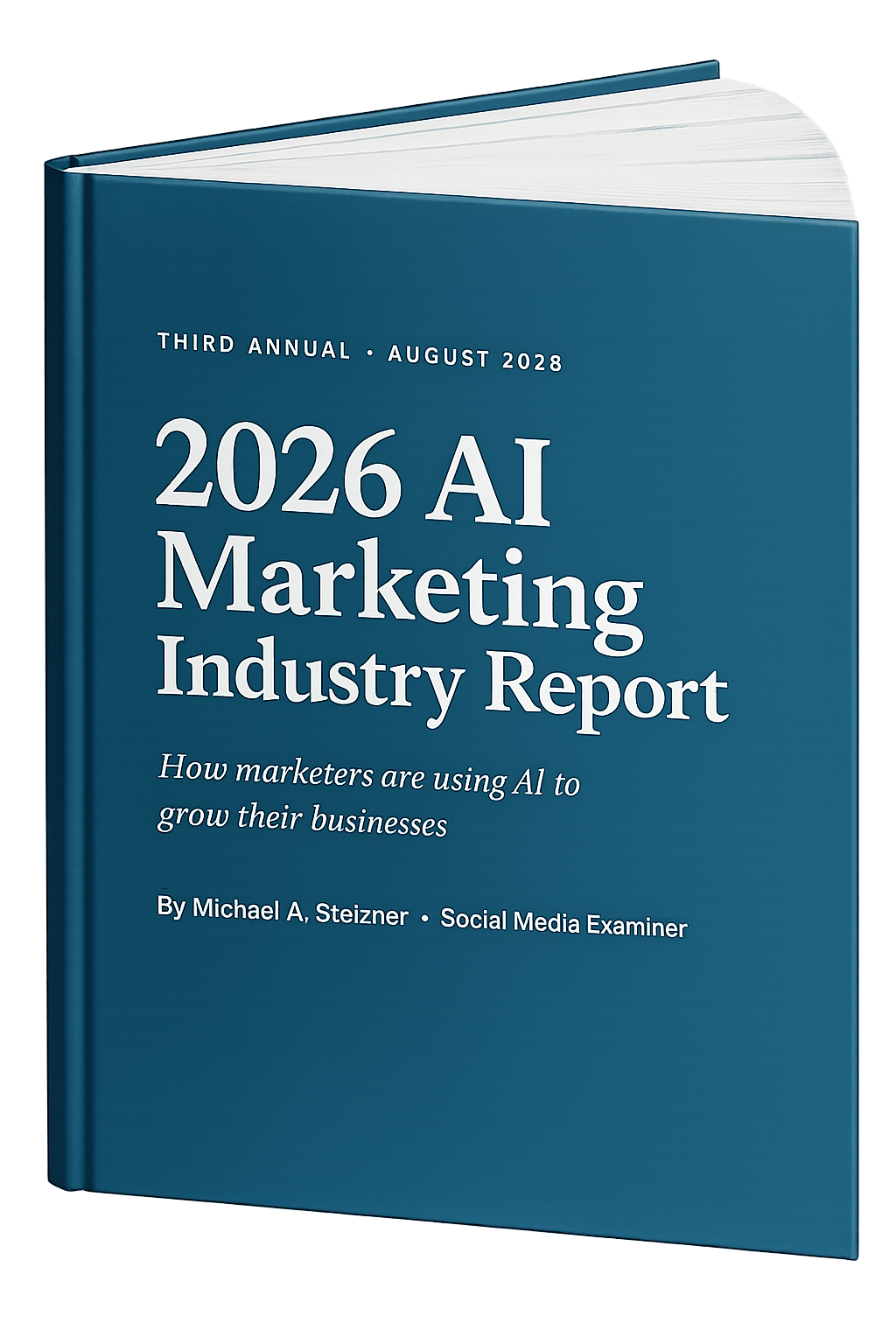
The rush toward artificial intelligence in digital marketing is not merely a corporate trend; it is a grassroots movement largely driven by marketers themselves. Data from industry studies, including comprehensive annual AI marketing research, reveal a striking reality about how professionals are adapting to these technological shifts:
- The Self-Taught Majority: Approximately 85% of marketers learn how to use artificial intelligence tools entirely through independent experimentation rather than structured corporate onboarding.
- Corporate Training Deficit: Only 7% of marketing professionals report receiving formal AI training from their employers, leaving the vast majority to bridge the skills gap on their own time.
- Personal Financial Investment: More than half of surveyed marketers admit to paying for AI software out of their own pockets to stay competitive in their field.
These statistics underscore the vital importance of platforms lowering their technical thresholds. When tools like TikTok’s Agentic Hub and official AI skills become universally available via natural language processing, they democratize access for the 85% of professionals who are teaching themselves on the fly.
However, this democratization comes with a warning. Experts emphasize that AI outputs should never be accepted without critical human oversight. For example, if a newly launched creative asset has only been active for 48 hours, an AI optimization co-pilot might recommend pausing it due to lower initial metrics compared to legacy ads. This algorithmic recommendation often fails to account for the fact that TikTok’s distribution engine naturally favors ads with extended historical runtimes. Consequently, human marketers must maintain analytical judgment, actively pushing back against automated suggestions by probing the AI with corrective prompts such as, "What is another way to approach this?" or "Could this campaign be structured more effectively?" When challenged, advanced AI models frequently pivot and offer superior secondary strategies.
Official Statements and Industry Insights
Reflecting on the practical applications of these tools, short-form video authority Melissa Laurie emphasizes that while AI drastically accelerates the production workflow, it fundamentally alters—rather than eliminates—the human time investment required to run a successful campaign.
"It might sound easy to type a prompt and generate a hundred videos a week," Laurie notes regarding platforms like Symphony Creative Studio. "But what marketers are really doing is trading one type of time investment for another. You are shifting away from traditional physical video production skills and transitioning directly into advanced prompting, framing, and content refinement skills."
Furthermore, industry consensus surrounding AI-generated human avatars points to a persistent psychological hurdle: trust and authenticity. According to agency insights and brand case studies, fully synthesized AI presenters often fail to forge genuine connections with consumers. When an artificial avatar declares that "all my friends are talking about this product," viewers immediately register the disconnect, resulting in trust erosion.
Consequently, leading brands are adopting hybrid approaches. Instead of replacing real human creators with synthetic avatars, these brands use AI to enhance authentic human-shot footage—such as overlaying dynamic, animated visual elements (e.g., stylized graphic "germs" demonstrating a mop’s cleaning power) onto real creator videos. Alternatively, they utilize AI strictly for product showcase render videos where human presence is unnecessary, particularly within sectors like cosmetics and consumer goods where material textures and lighting effects are paramount.
Future Outlook: The New Rules of Short-Form Video Mastery
As artificial intelligence lowers the barrier to entry and raises the baseline quality of digital ads across the board, how can brands ensure their content cuts through the algorithmic noise? The answer lies in mastering the psychological architecture of high-performing short-form video and maintaining uncompromising authenticity.
1. The Anatomy of the Hook
In an environment where viewers rapidly swipe through feeds on public transit, brands are competing not just with direct commercial rivals, but with every piece of content in the ecosystem. Success hinges on a precise structural formula:
- The First Frame: The initial visual image must arrest the scroll instantly, operating before the viewer’s brain even registers conscious thought.
- Billboard Text: Large, easily digestible on-screen text overlays function like highway billboards, communicating core value propositions in a fraction of a second.
- Opening Spoken Words: Audio hooks must immediately validate the visual stop, preventing drop-off.
- The "Glue": Narrative connective tissue that seamlessly bridges the opening hook to the core educational or entertainment value of the middle content.
- Tight Grouping: When delivering tips or product benefits, restricting the list to three distinct points optimizes retention.
- The Sharp Ending: Creators must avoid trailing off or slowing their cadence at the conclusion of a video—a universal signal that encourages users to scroll away. Instead, a clean, abrupt cut signals completion to the algorithm, boosting algorithmic distribution.
2. The Triumph of Anti-Ad Aesthetics
Paradoxically, as automated video generators become more sophisticated, raw, imperfect content continues to outperform highly polished, staged commercial spots. Videos shot in casual environments—such as a creator discussing a hair product on a busy sidewalk with ambient traffic noise—perform exceptionally well because they feel like recommendations from a trusted friend rather than a corporate sales pitch.
By adopting movement-based storytelling (e.g., explaining concepts while applying makeup, organizing a desk, or interacting with a physical object) rather than standing rigidly in front of a static camera, creators establish an inviting, natural cadence.
Ultimately, while TikTok’s suite of AI tools—from Agentic Hub and MCP to Symphony and Content Suite—successfully democratizes the mechanics of running ad campaigns, the enduring victors in the digital arena will be those who harness artificial intelligence for operational speed while anchoring their creative execution in undeniable human authenticity.