By Global Affairs & Technology Desk
Published May 24, 2025
Executive Overview
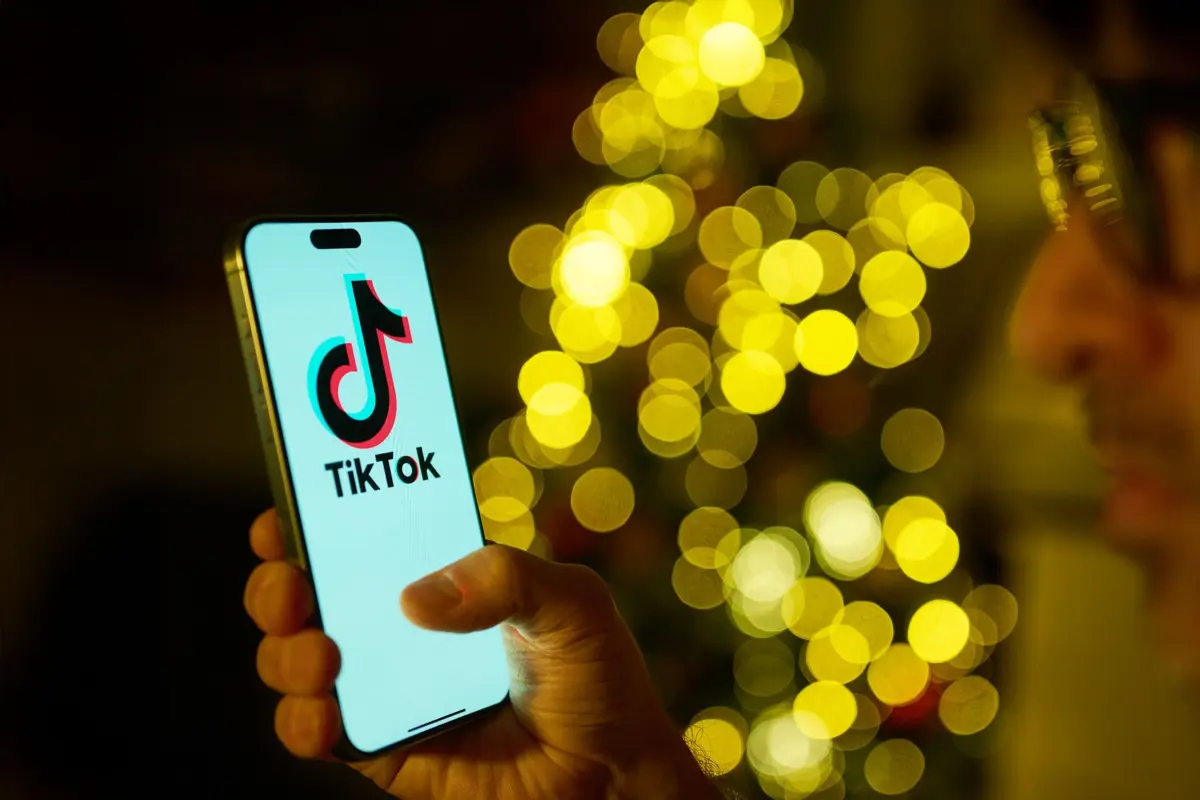
In the modern landscape of digital governance, few paradoxes are as glaring—or as widely ignored—as the relationship between state-level politicians and the short-form video juggernaut, TikTok. Across more than 30 U.S. states, governors and legislatures have drawn a hard line in the sand, barring the application from state-issued devices, blocking it on official government Wi-Fi networks, and enacting sweeping restrictions to protect sensitive state data from foreign adversaries.
Yet, open up the very same platform on a personal smartphone, and you are likely to be greeted by vibrant, highly produced promotional videos from state-funded tourism boards. Accounts like Texas’s official travel channels and Florida’s regional marketing departments continue to post cheerful content, dancing outside roadside landmarks, showcasing pristine white-sand beaches, and pitching family-friendly getaways to millions of engaged users.
This persistent divide highlights a deeper structural tension within American policy: when security rhetoric collides with economic reality, commerce almost always wins. While Washington and state capitals paint ByteDance’s flagship app as a digital Trojan horse capable of harvesting sensitive information for the Chinese government, regional tourism agencies view it as an indispensable marketing utility. With billions of consumer hours spent scrolling through feeds, state-backed entities are caught in a web of contradictory directives—banned by decree, but embraced by necessity.
Detailed Chronology: From Legislative Crackdowns to Marketing Backchannels
The modern trajectory of the TikTok prohibition movement is a study in escalating political panic and regulatory hurdles. Understanding how state tourism boards arrived at this cognitive dissonance requires examining the timeline of legislative action against the platform.
2022–2023: The Wave of State-Level Bans
The momentum against TikTok gained critical mass in late 2022. Spurred by warnings from the Federal Bureau of Investigation (FBI) and the Federal Communications Commission (FCC) regarding the platform’s corporate ties to its Beijing-based parent company, ByteDance, state executives began taking matters into their own hands.
- Texas (December 2022): Governor Greg Abbott directed state agencies to eliminate TikTok from all government-issued devices, declaring that the platform presented severe security risks and "offers this trove of potentially sensitive information to the Chinese government."
- Florida (Early 2023): Governor Ron DeSantis championed strict measures prohibiting state-affiliated institutions from accessing or utilizing TikTok on government networks.
- Montana (Spring 2023): Montana went a step further than most, attempting to pass a total statewide ban on the application for all consumers—a move that faced immediate and fierce legal challenges regarding First Amendment rights.
By the end of 2023, more than 30 states had successfully implemented bans covering state-owned hardware, university networks, and government employees’ work phones.
April 2024: Federal Pressure and the Divest-or-Ban Act
As state-level restrictions matured, federal lawmakers moved to codify a national approach. In April 2024, President Joe Biden signed into law a bipartisan bill requiring ByteDance to divest its U.S. assets within a strict statutory window—roughly nine months—or face a nationwide ban from domestic app stores and web hosting services.
Proponents of the federal legislation framed it as an existential matter of national defense. Intelligence officials warned that the platform’s recommendation algorithms could be weaponized to manipulate public discourse or gather intelligence on American citizens.
Late 2024–2025: The Deadline Passes and the Paradox Deepens
Despite the high-stakes ultimatum handed down by Washington, the mandated divestment deadline came and went without a corporate sale or a sweeping national blackout. Legal battles wound their way through federal courts, and while uncertainty hovered over the tech sector, TikTok remained fully operational.
During this period of regulatory limbo, state tourism boards quietly maintained their digital footprints. While state IT departments actively scrubbed TikTok from the phones of state troopers, DMV workers, and policy analysts, tourism marketers—often operating under separate quasi-governmental or public-private funding structures—continued to pump out viral content. The rules applied strictly to governance, but when it came to generating revenue through visitor spending, the security warnings were quietly set aside.
Supporting Context & Metrics: The Undeniable Power of the Algorithm
To understand why state tourism boards continue to defy the spirit—if not the letter—of government device bans, one need only look at the numbers. TikTok is no longer merely a social media platform for adolescent dance trends; it is a global economic engine that dominates the media consumption habits of younger generations.
Global and Domestic Dominance
- User Growth: In 2024 alone, TikTok expanded its global footprint by adding approximately 100 million new accounts, pushing its total active user base to roughly 1.6 billion worldwide.
- American Reach: Within the United States, the platform commands an audience of more than 135 million active users.
- Demographics: For Gen Z and millennial travelers, traditional methods of travel discovery—such as glossy travel magazines, static web banners, and television commercials—have largely been replaced by authentic, peer-to-peer video content on platforms like TikTok.
The Economic Stakes of Tourism
State tourism is a multi-billion-dollar enterprise that directly impacts local small businesses, hospitality workers, and state tax revenues. A successful tourism campaign can translate into hundreds of millions of dollars in economic activity, supporting hotels, restaurants, airlines, and historical sites.
When state leaders weigh the abstract risks of data exposure against the concrete, measurable benefits of a viral destination video reaching millions of prospective travelers, the choice for marketing professionals becomes clear. Traditional advertising channels rarely achieve the organic reach, high engagement rates, and algorithmic amplification that TikTok routinely delivers. To abandon the platform would be, from a purely economic standpoint, an act of self-sabotage.
Official Statements and Political Justifications
The duality of state governments operating on TikTok while banning it on state hardware has forced public officials and agency representatives into delicate rhetorical gymnastics.
The Security Narrative
When defending the bans on government devices, governors and state legislators rely on a consistent framework of national security and data sovereignty. Proponents of the restrictions argue that even if individual employees do not post sensitive state secrets, the presence of the app on government infrastructure creates an unacceptable vulnerability.
In statements accompanying the rollout of these bans, officials frequently cite China’s national intelligence laws, which can theoretically compel domestic technology companies to cooperate with state intelligence operations. From this perspective, any deployment of the app within the apparatus of the state represents an open door for foreign espionage.
The Marketing Defense
Conversely, representatives for tourism boards and destination marketing organizations (DMOs) offer a different defense, often pointing to technical distinctions in how their accounts are managed.
Many state tourism boards operate through third-party advertising agencies, or their social media managers use personal devices and dedicated, non-government Wi-Fi connections to bypass state network restrictions. While this technically adheres to the narrow wording of executive orders—which usually target "state-issued devices and networks"—it clearly violates the underlying principle of the policy.
When pressed by journalists and watchdog groups about this apparent hypocrisy, officials tend to pivot back to economics. Privately and publicly, marketing executives argue that their mandate is to drive state revenue and support local economies, leaving matters of national intelligence to federal agencies and executive leadership. The result is a system where the left hand of the state signs security decrees while the right hand posts aesthetic travel montages.
Future Outlook: Navigating the Digital Cold War
As federal courts continue to weigh the constitutional and regulatory challenges facing TikTok, the broader question of how state governments interact with foreign-owned technology platforms remains unresolved.
Several potential trajectories lie ahead:
- A Enforced National Ban: Should future legal challenges definitively uphold a nationwide ban or force a corporate restructuring that separates the U.S. operations of TikTok from ByteDance, state tourism boards will be forced to migrate their marketing budgets elsewhere. Platforms like Instagram Reels and YouTube Shorts are waiting in the wings to absorb displaced travel marketers.
- Continued Regulatory Limbo: If the status quo persists—characterized by fragmented state device bans running parallel to widespread consumer adoption—state tourism boards will likely continue their tightrope walk. They will exploit the platform’s unmatched reach while maintaining plausible deniability through third-party management and non-governmental hardware.
- Heightened Scrutiny and Standardization: As public awareness of this contradiction grows, lawmakers may face pressure to close loopholes, extending bans from mere "government devices" to absolute prohibitions on state-funded marketing expenditure involving foreign-owned applications.
Conclusion
The saga of U.S. states banning TikTok on government devices while utilizing it for tourism marketing is a defining vignette of the digital age. It exposes the friction between geopolitical anxiety and capitalist imperatives, proving that when economic growth and local prosperity hang in the balance, political posturing often takes a back seat to the relentless pursuit of the algorithmic audience. Until a definitive federal resolution is reached, state tourism boards will likely continue to dance on the app—proving that moral panics are easily forgotten when there are vacation packages to sell.