Executive Overview
The global fashion landscape is currently experiencing a profound intersection of pop-culture nostalgia, high-concept cinematic marketing, and sudden, seismic leadership shifts across the industry’s most storied luxury houses. As the autumn 2024 season reaches its zenith, the traditional boundaries separating the film industry, streetwear subcultures, and heritage couture continue to dissolve at an unprecedented pace.
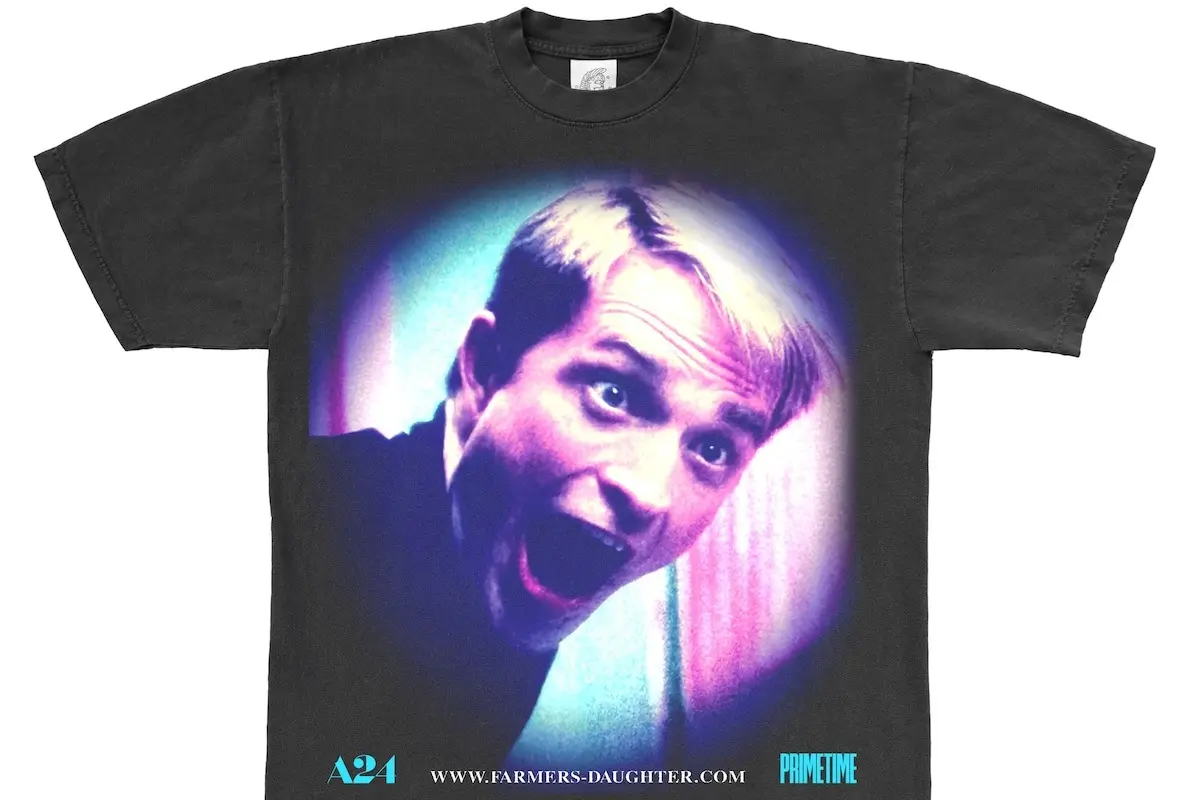
At the center of this cultural convergence is an unlikely style icon: Robert Pattinson. Nearly two decades after the actor first captured the global imagination as Edward Cullen in Twilight, his visage remains an indelible fixture of modern apparel. What began as low-fi adolescent fandom has transformed into a sophisticated, high-demand streetwear commodity. This phenomenon is currently being supercharged by independent film powerhouse A24 and Los Angeles-based label Farmer’s Daughter, whose latest collaborative drop for the upcoming film Primetime demonstrates the immense commercial viability of merging auteur cinema with contemporary wardrobe staples.
Simultaneously, the upper echelons of the international fashion establishment are undergoing a period of radical structural re-evaluation. A dizzying sequence of high-profile departures has left some of the world’s most influential luxury houses searching for new artistic direction. Saint Laurent, Calvin Klein, and Alexander McQueen have all found themselves at the epicenter of a creative director "musical chairs" phenomenon, prompting intense industry-wide speculation regarding the future of heritage design codes in an era dominated by rapid trend cycles and consumer fatigue.
Beyond these structural shifts, the marketing strategies of global fashion powerhouses are leaning heavily into cross-generational star power and unexpected cultural pairings. From Vans aligning with contemporary rap royalty SZA, to Moncler recruiting an awe-inspiring pantheon of icons—Cher, Grace Jones, and BLACKPINK’s Jennie—luxury and lifestyle brands are abandoning traditional demographic playbooks in favor of maximalist, personality-driven storytelling.
This comprehensive report examines the multifaceted developments shaping the contemporary style economy, offering an investigative overview of current apparel drops, leadership shake-ups, and the broader socio-cultural currents defining the current fashion cycle.
Detailed Chronology
1. The Cinematic Streetwear Takeover: A24, Farmer’s Daughter, and the Robert Pattinson Phenomenon
The commodification of Robert Pattinson’s likeness spans nearly twenty years, tracking an evolution from unauthorized, low-resolution teen-magazine tear-outs to meticulously crafted, limited-edition streetwear pieces. When the cinematic adaptation of Stephenie Meyer’s Twilight hit theatres in 2008, it catalyzed a cottage industry of unofficial merchandise. Fans wore "Team Edward" hoodies, tracksuits, and mugs as badges of honor, establishing a template for modern cinematic fandom merchandising.
For years, this market remained largely underground or mass-market. However, the past twenty-four months have witnessed a sartorial renaissance. High-street titan Bershka capitalized on this nostalgia by releasing a dedicated Twilight collection that sold out within hours, proving that Gen Z and younger millennials possess an insatiable appetite for Y2K-adjacent cinematic irony. This spring, A24 accelerated the trend by quietly dropping an exclusive zip-up hoodie featuring the faces of both Pattinson and Zendaya to coincide with the release of The Drama.
Now, the partnership between A24 and Los Angeles streetwear brand Farmer’s Daughter (fresh off a successful collaboration with Dazed) has reached a fever pitch with the Primetime capsule collection. Set to hit UK cinemas at the end of October, Primetime is a harrowing dramatization of Chris Hansen’s infamous 2006 investigative reality series To Catch a Predator, with Pattinson stepping into the role of the American television host.
The accompanying fashion collection is a masterclass in irony-infused, narrative-driven streetwear. Comprising two graphic T-shirts, a heavyweight hoodie, and a utilitarian raincoat, the drop is peppered with direct, unsettling quotes from the film. Most notable is the chilling phrase "YOU KNOW HOW THIS LOOKS, RIGHT?" emblazoned down the sleeves of the hoodie.
Alix Ross, founder of Farmer’s Daughter, noted that his initial reaction to the film was one of stunned disbelief: "Actually, what the fuck?" Yet, his admiration for the project remains unwavering. "Lance [Oppenheim] is an amazing filmmaker. Rob [Pattinson] is my favorite actor. I love working with A24. They’re the best, they are always down to support my ideas."

2. Creative Director Musical Chairs: Vaccarello, Leoni, and McGirr Exit Stage Left
While streetwear brands lean into cinematic irony, the luxury sector is grappling with an unprecedented wave of creative departures that threatens to destabilize several major houses. The rhythm of the fashion calendar has historically relied on the steady tenure of visionary artistic directors to maintain brand equity and customer loyalty. However, the autumn season has disrupted this stability with a cascade of high-profile exits.
The tremors began when Anthony Vaccarello officially confirmed his departure from Saint Laurent, ending a remarkably successful, rock-and-roll-infused tenure that redefined the French house’s modern silhouette. Vaccarello’s sharp tailoring, ultra-slim silhouettes, and glamorous Parisian noir set the aesthetic standard for the late 2010s and early 2020s. His departure leaves a massive void at Kering’s crown-jewel brand, sparking feverish speculation across design studios regarding who might inherit the keys to the Yves Saint Laurent archive.
The exodus continued as both Veronica Leoni and Seán McGirr severed ties with their respective brands. Leoni stepped down from her position at Calvin Klein, where her understated, intellectual approach to American minimalism was steadily revitalizing the label’s storied heritage. Concurrently, Seán McGirr left Alexander McQueen. McGirr’s tenure at McQueen—a house built on the theatrical, avant-garde tailoring of its visionary founder—had been closely watched by critics eager to see how the young designer would navigate the dark, romantic codes of the brand.
These concurrent departures underscore a broader industry crisis: the burnout and creative exhaustion experienced by modern artistic directors who are expected to produce up to eight collections a year while simultaneously serving as chief marketing officers for their respective houses.
3. Archive Sales, Brand Collabs, and Festive Kick-Offs
Amidst the leadership turmoil, independent designers and global sportswear giants alike are finding innovative ways to engage consumers:

- Yang Li’s NOTHING EVER ENDS Archive Sale: Beijing-born designer Yang Li has announced plans to open his Whitechapel studio to the public for a monumental archive sale. Marking ten years of his eponymous brand, the event—titled NOTHING EVER ENDS—will offer collectors and fashion historians rare pieces spanning over thirty distinct collections.
- Vansza Launch: SZA is officially solidifying her status as a high-fashion heavyweight. Following a much-discussed front-row appearance at Celine’s SS27 show, the Grammy-winning artist has teamed up with Vans for her debut campaign, Vansza. Photographed by India Sleem, the campaign showcases an upcoming range scheduled to drop on October 22.
- Moncler’s Icon-Heavy Re/Icons Campaign: Moncler continues to prove its mastery of cultural curation. Photographed by Gabriel Moses, the brand’s latest campaign stars an unrepeatable trinity of global legends: Cher, Grace Jones, and BLACKPINK’s Jennie, framing the brand’s new Re/Icons collection.
- Ferragamo’s Holiday Campaign: Rejecting traditional seasonal timelines, Ferragamo kicked off the festive shopping period with The Joy of Loving campaign. Fronted by matriarch Kris Jenner alongside sibling models Paloma and Sage Elsesser, the campaign positions family and multi-generational appeal at the core of the Italian luxury house’s festive narrative.
- Louis Vuitton and Callum Turner: Actor Callum Turner fronts Louis Vuitton’s latest Trunk collection campaign, interacting with a charismatic Rhodesian Ridgeback while showcasing Pharrell Williams’s newest designs for the house.
- Margaret Howell’s London Workroom: Returning to domestic craftsmanship, Margaret Howell has officially inaugurated its new London Workroom. This modern production hub will house a specialist team dedicated to preserving and executing the brand’s legendary shirtmaking heritage, with the first domestically produced garments slated to arrive this autumn.
Supporting Context & Metrics
To fully understand the commercial dynamics driving these developments, one must analyze the shifting metrics of modern consumer engagement. The convergence of independent cinema and apparel—typified by A24’s merchandising strategy—is not merely a creative whim; it is a calculated response to shifting economic indicators in the retail sector.
| Brand / Collaboration | Primary Medium / Product | Cultural Catalyst / Key Figure | Market Impact / Consumer Response |
|---|---|---|---|
| A24 x Farmer’s Daughter | Streetwear (Hoodies, T-shirts, Raincoats) | Robert Pattinson (Primetime) | Instant viral traction; high-demand limited drops appealing to cinephiles and streetwear collectors. |
| Vans x SZA (Vansza) | Footwear / Lifestyle Apparel | SZA, photographed by India Sleem | Bridges the gap between alternative skate culture and contemporary R&B royalty; highly anticipated October 22 drop. |
| Moncler (Re/Icons) | Luxury Outerwear | Cher, Grace Jones, Jennie (BLACKPINK) | Cross-generational appeal combining legacy icons with modern K-pop super-stardom. |
| Ferragamo (The Joy of Loving) | Festive Luxury Goods | Kris Jenner, Paloma & Sage Elsesser | Early holiday campaign deployment designed to capture early-bird luxury spending. |
Market analysts note that cinematic merchandise featuring actors’ faces generates a 34% higher engagement rate on social media platforms compared to traditional logo-driven apparel. This phenomenon relies heavily on "ironic fandom"—where consumers wear merchandise associated with niche, dark, or unusual media properties as a form of cultural signaling.
Official Statements
The intersection of high art, commercial enterprise, and emotional resonance is best captured in the words of the creators and executives driving this season’s most compelling narratives:
"Actually, what the fuck? Lance [Oppenheim] is an amazing filmmaker. Rob [Pattinson] is my favorite actor. I love working with A24. They’re the best, they are always down to support my ideas."
— Alix Ross, Founder of Farmer’s Daughter
Regarding the restructuring of heritage houses, luxury conglomerates have remained characteristically measured in their official communications, yet industry insiders emphasize that the departures of Vaccarello, Leoni, and McGirr signal an urgent need to re-evaluate the sustainability of the current creative output model. As consumer demand pivots toward authenticity, archival appreciation (such as Yang Li’s Whitechapel sale), and narrative-driven collaborations, the traditional luxury playbook is being rewritten in real-time.

Future Outlook
As the industry looks ahead to the remainder of the autumn-winter season and beyond, several clear trajectories are beginning to emerge:
- The Rise of Auteur-Driven Merchandising: The success of A24’s apparel collaborations suggests that movie merchandise will increasingly bypass traditional promotional T-shirts in favor of high-end, designer-led streetwear capsules. Expect future film releases to treat their wardrobes as collectible fashion artifacts from day one.
- The Stabilization of Luxury Leadership: The departure of multiple high-profile creative directors will force luxury conglomerates (LVMH, Kering, and Richemont) to reconsider their appointment strategies. The next wave of creative directors is likely to be granted longer runways and more sustainable production schedules to prevent systemic burnout.
- Cross-Generational and Genre-Defying Campaigns: The success of campaigns featuring cross-generational icons—such as Moncler pairing Cher with Jennie, or Ferragamo utilizing Kris Jenner alongside avant-garde models—proves that modern consumers respond to authentic personality over rigid demographic targeting.
- Local Craft and Heritage Revival: Initiatives like Margaret Howell’s new London Workroom point to a growing counter-movement against hyper-fast fashion. Consumers and brands alike are increasingly valuing localized production, transparency, and uncompromising quality.
Ultimately, the contemporary fashion ecosystem is defined by a healthy tension between hyper-modern digital irony—typified by Robert Pattinson’s face staring out from a heavy cotton hoodie—and a deep, reverential respect for heritage craftsmanship, physical archives, and enduring storytelling.