Executive Overview
More than a decade has passed since CD Projekt Red changed the landscape of modern fantasy gaming with the release of The Witcher 3: Wild Hunt. In the intervening years, developers have chased its sprawling narrative complexity, rich world-building, and morally gray decision-making, yet few have come close to capturing its specific magic. As the industry prepares for the September 29 rollout of the heavily anticipated The Witcher 3 remaster, an unexpected contender has stolen the spotlight just weeks ahead of schedule.
The Blood of Dawnwalker, the debut project from newly established studio Rebel Wolves, has officially landed its critical reviews. Founded by industry veterans—including The Witcher 3 director Konrad Tomaszkiewicz—Rebel Wolves has stepped onto the global stage with a sophomore pedigree hidden inside a debut title. The critical consensus points to an ambitious, deeply atmospheric dark fantasy RPG that wears its lineage proudly while injecting genuinely fresh ideas into a well-trodden genre.
With Metacritic hovering at a respectable 83 and OpenCritic sitting strong at 84, The Blood of Dawnwalker may not quite clear the insurmountable bar required for a clean sweep of Game of the Year conversations, but it has firmly established itself as a must-play experience for fans craving high-stakes, narrative-driven fantasy. Balancing a radical 30-day time-management mechanic, a high-concept human-to-vampire dual nature, and a morally punishing world, Rebel Wolves has delivered an unforgettable dark fantasy odyssey—even if it occasionally stumbles over technical and mechanical hurdles.
Detailed Chronology: The Road to the Dawnwalker
The journey toward The Blood of Dawnwalker has been watched closely by industry insiders and RPG enthusiasts alike, largely due to the pedigree of its creators.
- Late 2022 – Early 2023: Rebel Wolves emerges onto the scene, founded by veteran developers who cut their teeth on major AAA titles like The Witcher 3: Wild Hunt and Cyberpunk 2077. Promising a return to story-driven, choice-heavy role-playing experiences, the studio announces that it is partnering with Bandai Namco Entertainment to bring its debut intellectual property to life.
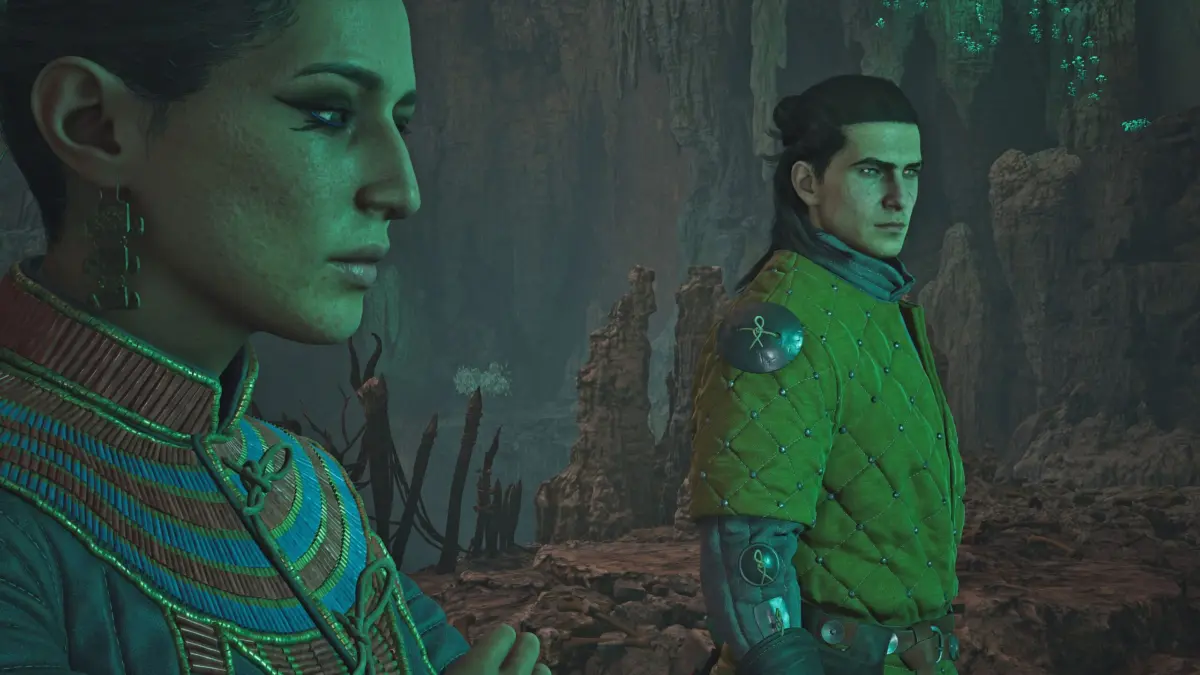
- Late 2025: Initial gameplay teasers introduce players to Coen and Lacra, setting the tone for a gritty, blood-soaked world. The unique premise—navigating a city torn apart by societal decay, shifting political factions, and supernatural dread—captures the imagination of fantasy fans eager for a fresh alternative to traditional medieval settings.
- August 31, 2026: The review embargo lifts. Outlets worldwide publish their assessments of The Blood of Dawnwalker, revealing a deeply divisive yet overwhelmingly compelling project that takes bold risks with its game design.
- September 2026 and Beyond: With reviews signaling a strong 83–84 average, all eyes turn to the consumer launch. As players prepare to dive into Coen’s world, the industry evaluates how Rebel Wolves’ daring time-loop and pacing mechanics will influence future open-world RPG design.
Supporting Context & Metrics: Breaking Down the Scores
While an 83 on Metacritic and an 84 on OpenCritic denote a critically acclaimed release, the nuance behind individual scores reveals a game of staggering highs and frustrating lows. Reviewers across major publications are largely unified in their praise for the game’s bold conceptual framework, though they diverge sharply when examining its combat loop and technical optimization.
| Publication | Reviewer | Score / Verdict | Key Takeaway |
|---|---|---|---|
| IGN | Travis Northup | 9 / 10 (Masterpiece/Essential) | Praised the innovative 30-day clock system that forces impactful choices and makes time a tangible currency. |
| Eurogamer | Robert Purchese | 4 / 5 Stars (Recommended) | Highlighted the day/night cycle, praising the split gameplay style between human exploration and superpowered nocturnal stealth. |
| GameSpot | Phil Hornshaw | 8 / 10 | Celebrated the gripping narrative and world design, though flagged noticeable performance dips and visual glitches at launch. |
| Game Informer | Diego Nicolás Argüello | 7 / 10 | Criticized the repetitive, "Simon Says" nature of standard combat encounters and fragmented system synergy. |
The 30-Day Clock: Time as Currency
One of the most heavily discussed elements across nearly every review is the game’s strict temporal limitation. Players are handed a stark reality: they have only 30 days to accomplish their overarching goals, track down critical leads, and resolve vital quests.
Initially feared by reviewers as an annoying artificial constraint that would inhibit open-world exploration, this mechanic quickly revealed itself to be the game’s narrative backbone. As IGN’s Travis Northup noted, the limitation transforms time into a precious resource.
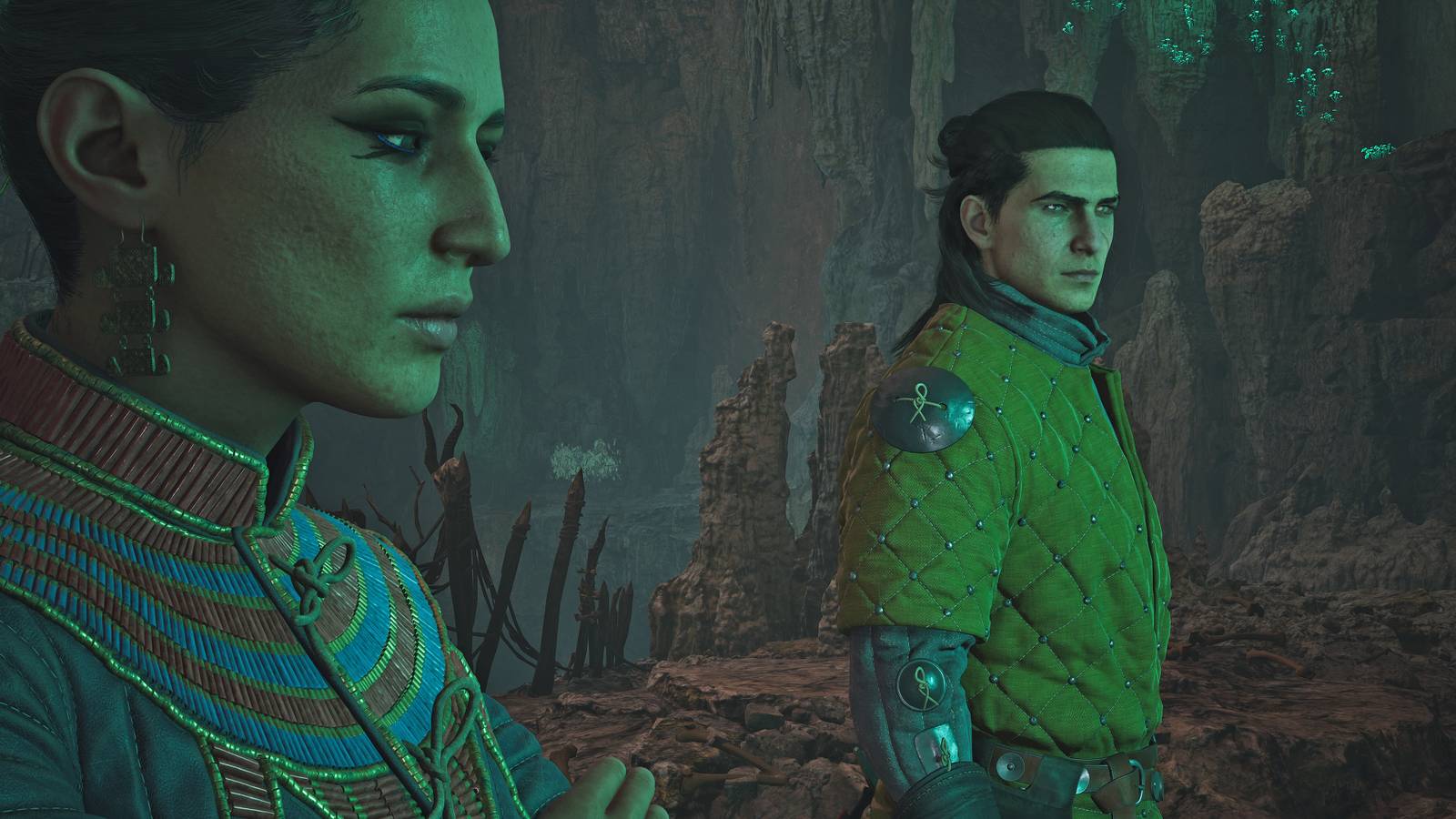
"At first I thought I might find this limitation irritating, since I quite enjoy taking my time to smell the roses and mark every checkbox off my list in these kinds of open-worlds, but I quickly realized how treating time as a currency makes just about every aspect of Dawnwalker better," Northup wrote. "No matter how hard you try, you won’t have enough hours to complete every side quest, buy every skill, or tie up every loose end as well as you’d like, which means you’re forced to compromise, pick your battles, and make hard but impactful decisions almost constantly."
This structural choice rejects the endless, guilt-free backlog clearing typical of modern open-world titles. Instead, it forces players to live with their failures and prioritize what—and who—truly matters.
The Dual Nature of Coen: Day and Night Dynamics
Complementing the temporal restriction is a shifting gameplay dynamic centered around the protagonist’s dual existence. During the daylight hours, players navigate the world largely as a regular human, integrating into society, gathering intel, and walking among mortals. Once night falls, however, the shackles come off, transforming the protagonist into a ferocious, superpowered vampire.
Eurogamer’s Robert Purchese lauded this mechanic for how drastically it alters spatial navigation and quest execution. Rather than treating the game map as a flat plane, the nocturnal transformation opens up verticality, turning city rooftops into a predatory playground.
"This approach not only uses more of the game’s world than if rooted to the ground, opening up a rooftop playground for you, it gives the game more layers of activity to pursue," Purchese explained. "Some things you can only do at night because they require your enhanced movement capabilities, whereas some things you can only do in the day because you need to be a part of the waking world for it."
Where the Game Stumbles: Combat and Performance
Despite the universally praised world-building and narrative ambition, The Blood of Dawnwalker has faced sharp critiques regarding its minute-to-minute mechanics. Game Informer’s Diego Nicolás Argüello awarded the game a 7/10, pointing directly to a combat system that fails to evolve alongside the game’s narrative complexity.
According to Argüello, while standard encounters start with strong foundations—such as directional block-and-riposte cues—they quickly devolve into predictable patterns.

"The combat backbone also falters," Argüello wrote. "It starts off with a similar promise, with blocking requiring you to follow directional cues to effectively riposte attacks. Yet, enemies tend to repeat movesets. Aside from the main boss fights, confrontations are repetitive Simon Says sequences."
Compounding these mechanical gripes are launch-window technical hiccups. GameSpot’s Phil Hornshaw highlighted persistent performance instability and visual bugs, advising players with low tolerance for software patches to perhaps exercise patience before leaping into the fray. Polygon’s preview staff, meanwhile, continue to test alternate narrative branches, suggesting that while the technical rough edges are real, the sheer branching freedom of the writing manages to largely offset the performance stutter.
Official Statements and Industry Impact
The launch of The Blood of Dawnwalker marks a critical milestone for Rebel Wolves. As a studio formed by industry refugees seeking creative independence from corporate mandates, the successful critical reception validates their founding ethos.
While formal executive statements surrounding the review scores have been measured, marketing partners at Bandai Namco Entertainment have leaned heavily into the critical acclaim, emphasizing that the studio’s commitment to uncompromising narrative choices has paid off. Industry analysts view Dawnwalker not merely as a standalone release, but as a litmus test for whether mid-to-large-scale studios can successfully pivot back to tighter, consequence-driven RPG design in an era dominated by sprawling, live-service, and endless open worlds.
By deliberately capping playtime options through its 30-day clock and forcing moral sacrifices, Rebel Wolves has signaled to the AAA market that players are hungry for experiences that respect their intelligence and demand emotional investment.
Future Outlook
As players prepare to dive headfirst into The Blood of Dawnwalker, the immediate future of the franchise looks bright, albeit fraught with the typical post-launch challenges of a debut studio.
- Immediate Patching and Performance Optimization: Rebel Wolves’ first priority in the weeks following launch will undoubtedly be addressing the performance stutters, frame-rate drops, and visual glitches flagged by reviewers like Phil Hornshaw. Ensuring a stable 60 FPS experience—especially during chaotic nocturnal combat sequences—will be essential for retaining casual console players.
- Community Discovery of Alternate Paths: Because the game’s time-management and choice-driven systems are so deeply interwoven into the campaign, the coming months will likely see massive online discussions regarding optimal paths, hidden secrets, and the sheer breadth of narrative consequences. Reviewers like Polygon’s Marloes Valentina Stella have noted that multiple playthroughs reveal entirely different narrative textures, hinting at exceptional long-term replayability.
- The Shadow of The Witcher 3 Remaster: Releasing a massive dark fantasy RPG just weeks before the generational remaster of The Witcher 3: Wild Hunt is a bold, almost poetic move by the creators who helped build both universes. Rather than being crushed under the weight of its predecessor, The Blood of Dawnwalker has successfully carved out its own bloody, distinct identity.
Ultimately, The Blood of Dawnwalker proves that the creative minds behind the golden era of Polish role-playing games haven’t lost their touch. Flaws and all, Rebel Wolves has delivered an intoxicating, stressful, and utterly memorable dark fantasy experience that deserves a place in every RPG fan’s library.