Executive Overview
The video game industry has weathered systemic turbulence over the past several years, marked by skyrocketing development costs, shifting consumer habits, and post-pandemic market corrections. However, few organizational overhauls have matched the scale, speed, and sheer disruption of the ongoing "reset" at Xbox. Under the leadership of newly appointed CEO Asha Sharma and with the full backing of Microsoft Chief Executive Satya Nadella, the gaming titan is undergoing what executives describe as a necessary strategic streamlining.
For the workforce and the creative heart of the industry, however, the restructuring looks far less like routine corporate maintenance and more like an existential amputation. Following initial waves of layoffs earlier this year that saw over 1,600 positions eliminated, Xbox recently announced an additional 268 job cuts. This reduction in headcount has been compounded by sweeping structural changes: Obsidian Entertainment has been merged directly into Bethesda, the crown-jewel Halo franchise has been handed over to Activision, and beloved studios such as Double Fine, Compulsion Games, and Undead Labs have been quietly cast aside. Furthermore, development operations at Ninja Theory, the studio behind Hellblade, face imminent closure.
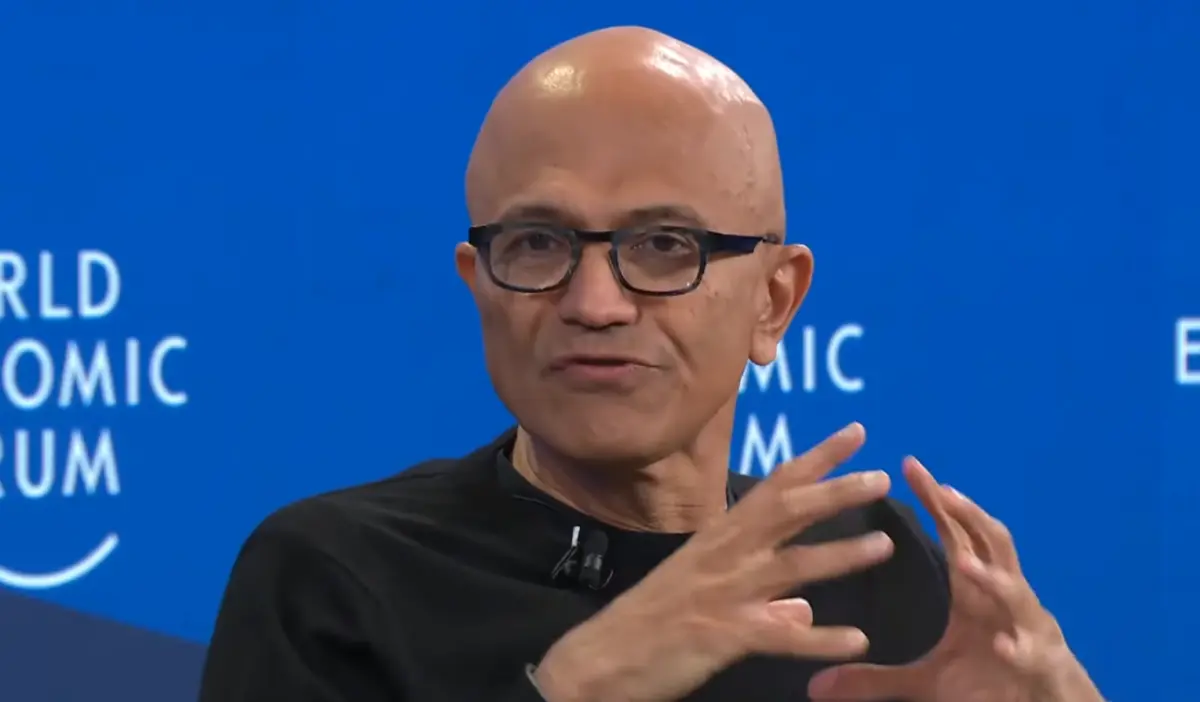
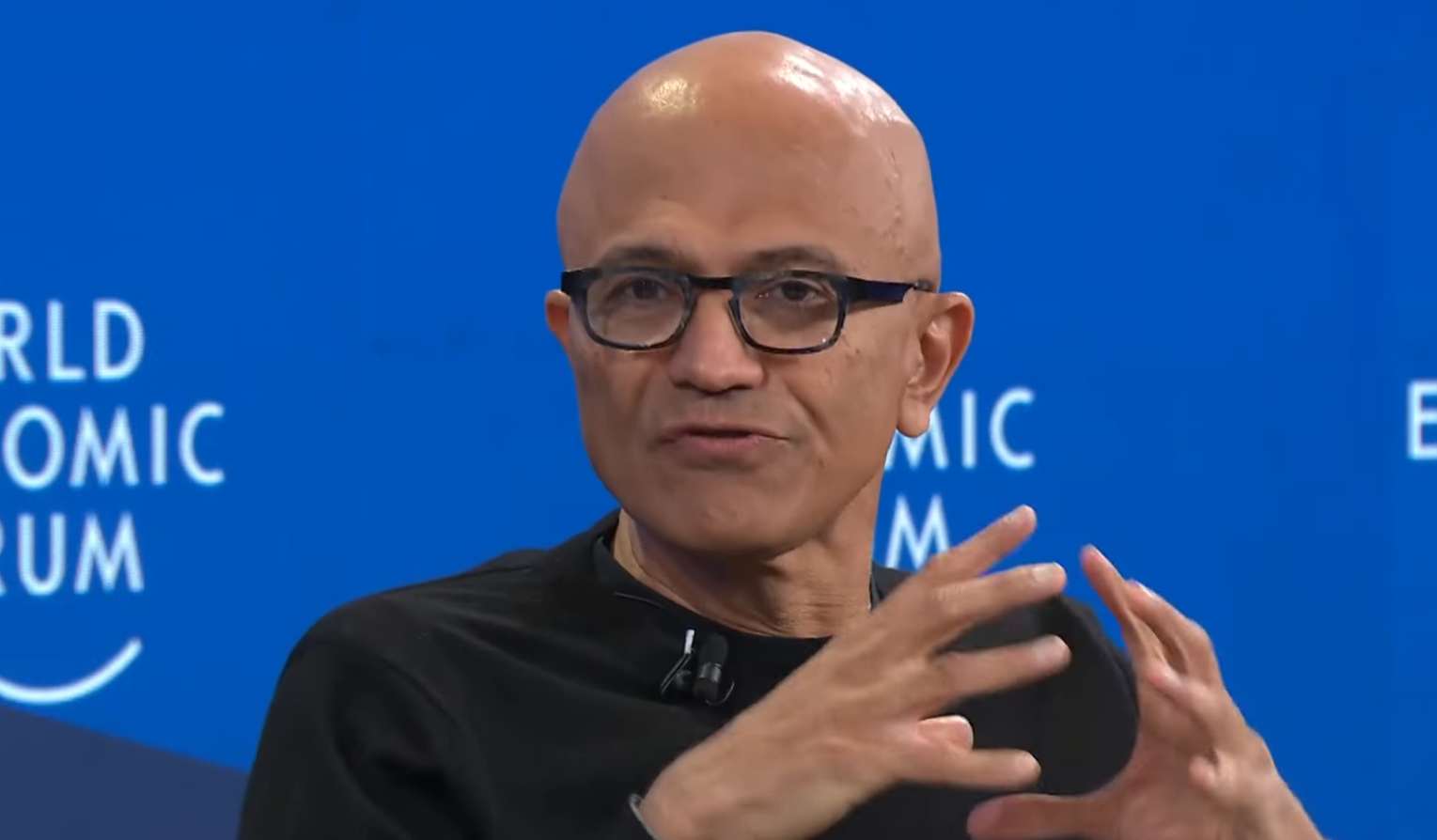
While these drastic moves have triggered widespread panic, anger, and anxiety within the global gaming community, Microsoft leadership remains steadfast. Appearing on the Sources Podcast with Alex Heath, Satya Nadella defended the company’s trajectory, praising Sharma’s aggressive cost-cutting and portfolio consolidation as "great to see."
This in-depth investigative report examines the chronology of Xbox’s sweeping reorganization, analyzes the macroeconomic and strategic motivations driving Microsoft’s leadership, evaluates the severe human and creative toll of these decisions, and looks ahead to what this means for the future of Xbox as both a software publisher and a platform provider.
Detailed Chronology: The Anatomy of an Xbox "Reset"
To understand where Xbox stands today, one must trace the timeline of contractions, studio shifts, and corporate mandates that have redefined Microsoft’s gaming division over the past year. What began as industry whispers regarding ballooning budgets for multi-platform acquisitions has quickly materialized into a systematic dismantling of traditional studio independence.
Phase 1: The Initial Wave and Studio Closures
Earlier this year, the first shockwaves hit when Microsoft announced a staggering reduction of 3,200 total positions across its broader tech ecosystem, with Xbox bearing a heavy brunt of the operational downsizing. Alongside these layoffs, the company elected to shut down multiple internal development teams, signaling that the era of aggressive, hands-off studio acquisition—typified by the multi-billion-dollar buyouts of ZeniMax Media and Activision Blizzard—had officially ended.
Projects were quietly canceled, multi-year roadmaps were torn up, and the mandate shifted entirely toward maximizing operational efficiency and accelerating return on investment.
Phase 2: Consolidation and Franchise Re-Routing
As the dust settled on the initial job cuts, executive leadership rolled out the next phase of the "reset," spearheaded by CEO Asha Sharma. Rather than operating as semi-autonomous creative hubs, Xbox’s historically diverse studio stable was subjected to sweeping administrative integration.
- Obsidian Entertainment—acclaimed for narrative-driven role-playing games like Pillars of Eternity and The Outer Worlds—was formally absorbed into Bethesda Softworks, stripping away its distinct corporate identity to streamline operational oversight.
- The Halo Franchise, long considered the institutional backbone of the Xbox ecosystem and historically helmed by dedicated internal studio 343 Industries (and later supporting teams), was transferred to Activision’s corporate oversight structure.
- Creative Disinvestments: Talented mid-tier and specialized developers, including Double Fine Productions, Compulsion Games, and State of Decay creator Undead Labs, found themselves marginalized or spun down. Meanwhile, Ninja Theory—acclaimed for its technical wizardry and emotional storytelling in the Hellblade series—faces imminent shuttering.
Phase 3: The 268-Person Autumn Layoff
Most recently, Xbox confirmed the elimination of another 268 jobs, bringing the cumulative total of lost personnel to catastrophic levels. When announcing these latest cuts, Xbox Chief Creator Officer Matt Booty remarked that the company was "roughly three-quarters of the way through previously announced restructuring."
For the thousands of developers affected, this revelation was chilling: the corporate scalpel has not finished cutting, and further reductions are expected before the fiscal year concludes.
Supporting Context & Metrics: The Economics of Modern Game Development
To contextualize Microsoft’s aggressive posture, industry analysts point to the unsustainable economic realities plaguing modern AAA video game development. With production cycles stretching to six or seven years, budgets routinely exceeding $200 million to $300 million, and consumer expectations for graphical fidelity and scope reaching record highs, traditional publishing models are buckling under their own weight.
+--------------------------------------------------------------------------+
|                       THE AAA DEVELOPMENT SQUEEZE                        |
+----------------------------------+---------------------------------------+
| Metric                           | Industry Average / Xbox Trajectory    |
+----------------------------------+---------------------------------------+
| Average Development Cycle        | 5 – 7 Years                           |
| Average AAA Production Budget    | $200M – $350M+                        |
| Post-Acquisition Integration     | Centralized publishing & oversight    |
| Workforce Reductions (2026)      | ~3,500+ cumulative positions cut      |
+----------------------------------+---------------------------------------+
Microsoft invested heavily to secure market dominance through acquisitions, bringing industry giants like Bethesda and Activision Blizzard under the corporate umbrella. However, maintaining such a massive corporate apparatus during a high-interest-rate macroeconomic environment proved untenable for Wall Street investors.
The strategy has thus pivoted from volume and portfolio diversity to risk aversion. By consolidating studios like Obsidian into Bethesda and centralizing major intellectual properties under established corporate pipelines, Xbox is attempting to strip out administrative redundancy. Yet, critics argue that in doing so, they are actively destroying the unique creative cultures that made these studios valuable in the first place.
Official Statements and Leadership Perspectives
The philosophical justification for these sweeping cuts has been articulated by Microsoft’s highest-ranking executives, revealing a stark contrast between corporate balance-sheet optimization and creative sentiment.
Asha Sharma and the Philosophy of "Simplicity"
As the public face of the restructuring, Xbox CEO Asha Sharma has defended the tumultuous transition through the lens of corporate minimalism. In various internal memos and public addresses, Sharma popularized the guiding mantra: "Great technology gets better when it gets simpler, not bigger."
While intended to convey strategic focus, the phrase has drawn sharp criticism from developers and consumers alike. Industry commentators have frequently lampooned the sentiment, noting the inherent irony of treating complex creative organizations like consumer electronics, where stripping away foundational components rarely leads to enhanced performance.
Satya Nadella on the Sources Podcast
During a wide-ranging interview on the Sources Podcast with Alex Heath, Microsoft CEO Satya Nadella addressed the state of the gaming division, offering an unvarnished endorsement of the ongoing layoffs and restructuring.
When asked about the intellectual property under Xbox’s control, Nadella expressed absolute confidence:
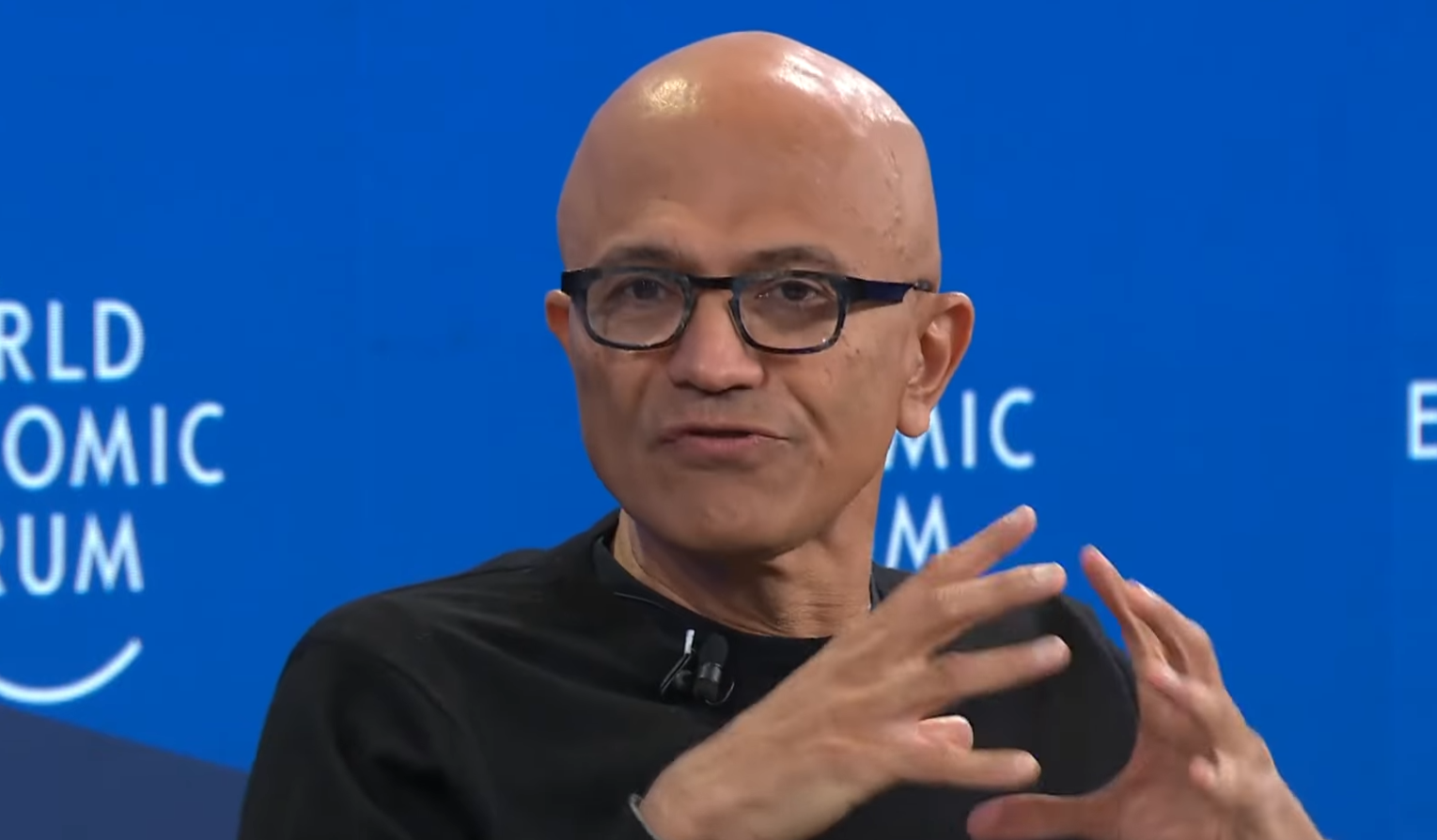
"I feel fantastic about the IP we have right now. If I look at the studios, the IP portfolio we have, and our ability to then take that and produce great games going forward, I feel fantastic."
Addressing the radical studio re-organizations and job losses directly, Nadella used an industrial analogy to frame the layoffs:
"There’s some amount of streamlining the team is doing, and Asha is doing, which is great to see."
Nadella went on to clarify the long-term economic and structural ambitions for Microsoft’s gaming sector, emphasizing an eventual pivot toward sustainable monetization and multi-platform reach:
"Then we have to invent the right sustainable business model that allows us to deliver gaming to more and more people. That has always been the goal, which is, we want to be a great publisher and a great platform provider to games across both PC and Xboxes… And so that is sort of our goal. And I think Asha and the team have said that Xbox is going to get growth in the next fiscal year."
Future Outlook: Building the Plane After You’ve Jumped
The strategic paradox at the heart of Xbox’s current trajectory raises critical questions about corporate decision-making in the tech sector. By aggressively dismantling its internal studio infrastructure, cutting thousands of jobs, and re-routing core franchises before establishing a stable, long-term economic model for the future of interactive entertainment, Microsoft appears to be executing a high-stakes gamble.
As industry pundits have dryly observed, the current methodology—restructuring, downsizing, and discarding development talent first, while promising to invent a sustainable business model later—resembles redesigning a Formula 1 car while it is already speeding down the track, or stripping the wings off an aircraft and asking how to navigate the globe mid-air.
Key Questions Moving Forward:
- Can Centralized IP Thrive? With legendary properties like Halo under Activision’s purview and Bethesda managing Obsidian’s output, will these franchises retain the distinct creative spark that endeared them to fans, or will they succumb to homogenized, corporate-mandated design?
- The Human Cost of Innovation: As Matt Booty confirmed that the company is only "three-quarters of the way through" its reset, the psychological toll on remaining staff members creates an environment of pervasive job insecurity, potentially driving away top-tier creative talent.
- The Multi-Platform Imperative: With Nadella emphasizing the desire to act as both a publisher and platform provider across PC and Xbox, hardware sales may take a permanent backseat to software margins—fundamentally altering Xbox’s identity as a traditional console manufacturer.
Ultimately, Microsoft’s leadership is betting that lean, centralized operations and a laser focus on high-yield intellectual property will secure Xbox’s profitability for the next fiscal year and beyond. Whether this corporate streamlining yields a renaissance of blockbuster gaming or simply hollows out one of the industry’s most storied brands remains the defining question for the future of the Xbox ecosystem.