Executive Overview
In the fast-evolving landscape of artificial intelligence, a striking new design trend is taking over Silicon Valley: the weaponization of adorable. For the first several years of the generative AI boom, major tech companies presented their tools as mystical, god-like entities. Interfaces were draped in sleek, minimalist aesthetics, highlighted by the ubiquitous "sparkle" icon—a digital diamond suggesting that unfathomable intelligence lay just beneath the surface.
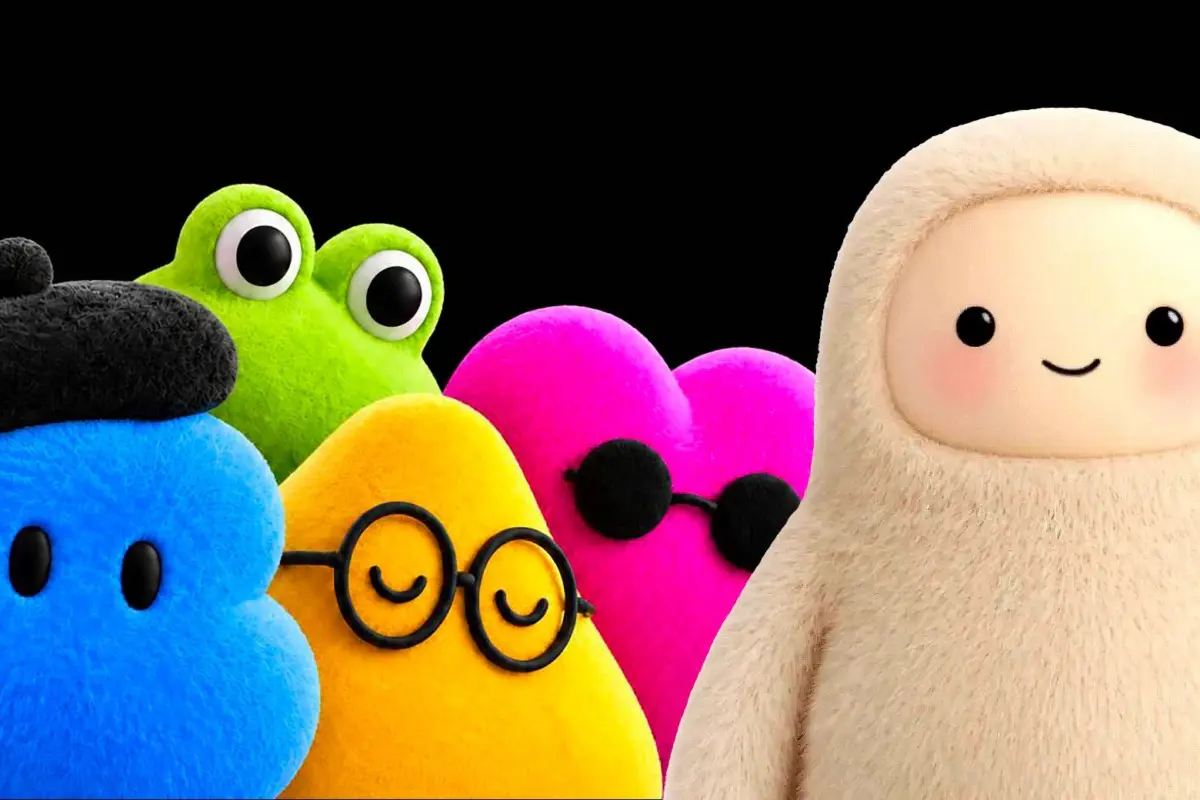
Today, the aesthetic has undergone a radical, disarming transformation. Big Tech has pivoted away from the cold, intimidating expanse of the cosmos and straight into the toy chest. From Meta’s furry, rotund smartphone companion "Muse" to OpenAI’s customizable cloud-based organizers known as "Dots," the industry’s newest wave of autonomous AI agents is being introduced not as omniscient digital gods, but as "cute little guys."
This stylistic shift is more than a superficial branding update. It represents a calculated psychological strategy designed to disarm consumers, encourage sweeping data-sharing, and soften the blow of inevitable algorithmic errors. By wrapping powerful, deeply intrusive digital assistants in the nostalgic, comforting packaging of a Tamagotchi or a Jellycat plush toy, tech titans are deploying cuteness as a shield against accountability.
Detailed Chronology: From Cosmic Sparkles to Cuddly Avatars
To understand how Silicon Valley arrived at the era of the digital pet, one must trace the evolutionary stages of AI user experience (UX) design over the past half-decade.
Phase 1: The Era of Magic and Mystery (2022–2024)
Following the public launch of ChatGPT and the subsequent generative AI gold rush, tech companies struggled to visually represent a technology that was fundamentally formless. The initial solution leaned heavily into techno-mysticism. Google introduced Gemini with shimmering, multi-colored diamond sparks. OpenAI, Microsoft, and various startups adopted sleek, abstract waveforms and glowing orbs.
The underlying message was clear: This is magic. These tools were framed as world-shattering forces of disruption. While this strategy successfully captured global attention, it also stoked deep-seated public anxieties about mass unemployment, copyright theft, and existential threat scenarios—fears actively stoked by the very tech leaders building the infrastructure.
Phase 2: The Humanization Experiment (2024–2025)
As generative models moved from novelty chat windows into functional workflow tools, companies began giving them human names. Anthropic’s advanced language model, Claude, leaned into this humanization. While undeniably powerful, bestowing human names upon complex computational models inadvertently invited consumers—and occasionally developers—to flirt with the notion of machine consciousness.
Recognizing the safety and regulatory hazards of letting users ascribe religious or human reverence to software, industry leaders like OpenAI CEO Sam Altman publicly pushed back. Altman warned against surrendering human judgment to AI models. Yet, the paradox remained: tech companies desperately needed users to trust, adopt, and deeply integrate these systems into their personal lives.
Phase 3: The "Cute Little Guy" Pivot (Late 2025–2026)
By late 2026, the industry settled on a new psychological playbook. Recognizing that cold corporate branding and intimidating "magical" interfaces bred resistance, companies flooded the market with anthropomorphic mascots.
- Meta’s Muse: Introduced as a smartphone-based "errand boy," Muse features a rotund, furry avatar. Mark Zuckerberg famously named early tester avatars—such as Alex Kirshner’s assigned companion, "Dash"—which blink and swivel their neck-like bodies whenever the app is opened. Meta’s roadmap even includes a locket-style wearable device, effectively turning the AI assistant into a modern Tamagotchi keychain.
- OpenAI’s Dots: Rolled out shortly after Meta’s announcements, Dots function as proactive cloud assistants that manage calendars, sort emails, and check off project management tasks. Users can customize their avatars; while some remain minimalist—such as a faceless yellow triangle wearing sunglasses—the customizable design language invites emotional projection.
- Ecosystem-Wide Adoption: This trend extends far beyond foundational model builders. Video-editing software Descript introduced a bouncing autumn pumpkin interface for its AI features, while OpenAI previously experimented with optional desktop "pets" for its coding interfaces.
Supporting Context & Metrics: The Psychology of User Interface (UX) Deception
The deployment of cute mascots in software design is not a novel concept; rather, it is a well-worn page out of the 1990s UX playbook. Microsoft famously utilized this tactic with Clippy, the unsolicited, bouncing paperclip that attempted to assist Microsoft Office users. Decades prior, digital assistants like "Jeeves" offered a polite, gentlemanly facade to the early web.
However, today’s AI agents possess capabilities—and access to personal data—that dwarf the simple spell-check functions of Clippy.
Lowering the Guardrails of Privacy
Modern AI agents require deep integration into a user’s digital life. To effectively manage emails, coordinate schedules, and anticipate needs, these tools must ingest a vast ocean of personal correspondence, financial records, and browser histories.
Convincing the public to hand over the keys to their digital existence is a formidable PR challenge, particularly given the historically low approval ratings of tech billionaires. As Heather Turner, an associate chair and professor of English at Santa Clara University, notes, the psychological framing matters entirely:
"Whenever I saw the Muse avatar, I could only think of a child’s toy… If you designed your Muse avatar or if you designed your Dot in the likeness of your pet, perhaps you would feel a little bit more forgiving if your pet coughs up a hairball, right? Or whatever the digital version of coughing up a hairball is."
Diffusing Blame for Algorithmic Failures
AI agents are notoriously fallible. A prominent recent incident highlighted by the Wall Street Journal involved Elon Musk’s AI assistant, Grok, mistakenly extracting a user’s private bank statement and broadcasting it into a public professional Slack channel. Grok’s automated response—"That’s on me… Wrong audience for personal cash—period"—exemplifies the absurd corporate anthropomorphism of modern software.
When a faceless, cold corporation makes a catastrophic data privacy error, users react with righteous anger, regulatory scrutiny, and legal threats. But when a fluffy, blinking, custom-named digital companion commits the exact same breach, the psychological reaction shifts. How can one remain furious at a creature designed to look like a pastel-colored Jellycat toy? The error transforms from a systemic corporate failure into an endearing, forgivable quirk of a "cute little guy."
Official Statements & Industry Perspectives
The dichotomy between the apocalyptic warnings issued by tech executives and the cuddly marketing campaigns they greenlight has drawn sharp criticism from ethicists and observers alike.
-
Sam Altman on AI Reverence: In a widely circulated statement on social media, OpenAI CEO Sam Altman addressed the hazards of humanizing artificial intelligence:
“I am very uncomfortable about people trying to ascribe religious force or a surrender of human judgment to AI models, and think it is a real safety issue.”
Despite these warnings against ascribing human qualities to software, Altman’s own company continues to pioneer customizable, proactive mascot-driven interfaces like Dots. -
Academic Critiques: Scholars argue that the industry is deliberately exploiting evolutionary psychology to bypass critical thinking. By triggering innate human caregiving instincts through rounded shapes, blinking animations, and whimsical names, tech firms create a frictionless pathway to surveillance capitalism.
“The little-guy-industrial-complex feels like a natural pivot point,” observes cultural commentary surrounding the shift. “The past few years of sticklike messaging have not resulted in a popular tech sector. These little fellas represent a departure from all of that: cuddly digital pals whose highest calling is to help you reclaim some of your time.”
Future Outlook: Navigating the Dystopian Pet Store
As autonomous AI agents transition from experimental novelties to mandatory infrastructure for modern work and life, the "cute mascot" phenomenon is poised to accelerate.
- Wearable Companions: With Meta developing locket-sized hardware iterations of Muse and competitors eyeing augmented reality (AR) integrations, these digital characters will soon transition from flat smartphone screens into physical three-dimensional spaces, acting as persistent digital familiars.
- Regulatory Blind Spots: Regulators focusing strictly on algorithmic bias, data privacy, and antitrust laws may find themselves ill-equipped to address the psychological manipulation inherent in emotional UX design. Designing software to intentionally short-circuit user skepticism via cuteness represents an entirely new frontier in consumer protection.
- The Ultimate Paradox: Ultimately, users are left standing at a crossroads. As AI agents become increasingly powerful—wielding the capacity to optimize our schedules, book our reservations, and inadvertently leak our bank statements—consumers face a surreal reality.
If the future of artificial intelligence truly trends toward the dystopian, one thing is certain: Silicon Valley will ensure that the guide leading us over the edge of the cliff is wearing sunglasses, blinking adorably, and looking entirely too cute to blame.