Executive Overview
The landscape of modern science fiction is virtually unimaginable without the profound aesthetic, philosophical, and atmospheric blueprints laid down by Ridley Scott’s 1982 masterwork, Blade Runner. Long before neon-drenched dystopias and existential questions regarding artificial consciousness saturated contemporary media—from video games like Cyberpunk 2077 to literary movements of the 1980s—Scott was forging a cinematic language of corporate decay and noir-infused pessimism. Yet, for all its towering cultural influence, Blade Runner endured one of the most notoriously troubled productions and post-production interventions in Hollywood history.
For decades, the film was obscured by studio-mandated interventions, including an alienating explanatory voice-over and an artificial, studio-approved happy ending. It was not until the release of Blade Runner: The Final Cut in 2007 that director Ridley Scott was finally able to present the movie exactly as he had originally envisioned it. Now, in a surprise digital availability, this definitive version of Scott’s most misunderstood sci-fi epic is streaming entirely for free on YouTube. This rare opportunity invites both lifelong cinephiles and a new generation of viewers to experience the true, uncompromised cyberpunk masterpiece that forever altered the trajectory of speculative fiction.
Detailed Chronology: From Troubled Production to Definitive Cut
The journey of Blade Runner from a contentious studio project to a universally acclaimed masterpiece is a saga defined by creative friction, professional fallouts, and a quarter-century quest for artistic redemption.
The Late 1970s and 1980s: The Shift Toward Dystopia
The 1970s and 1980s served as a monumental tectonic shift for science fiction cinema. George Lucas’s Star Wars (1977) revitalized the genre, transforming it into a primary box-office powerhouse and establishing an optimistic, space-opera paradigm. However, the late 1970s also marked a sharp counter-movement. Ridley Scott’s Alien (1979) decisively stripped away space-age optimism, infusing the genre with deep-seated corporate anxiety, claustrophobic dread, and the chilling prospect of untrustworthy artificial intelligence.
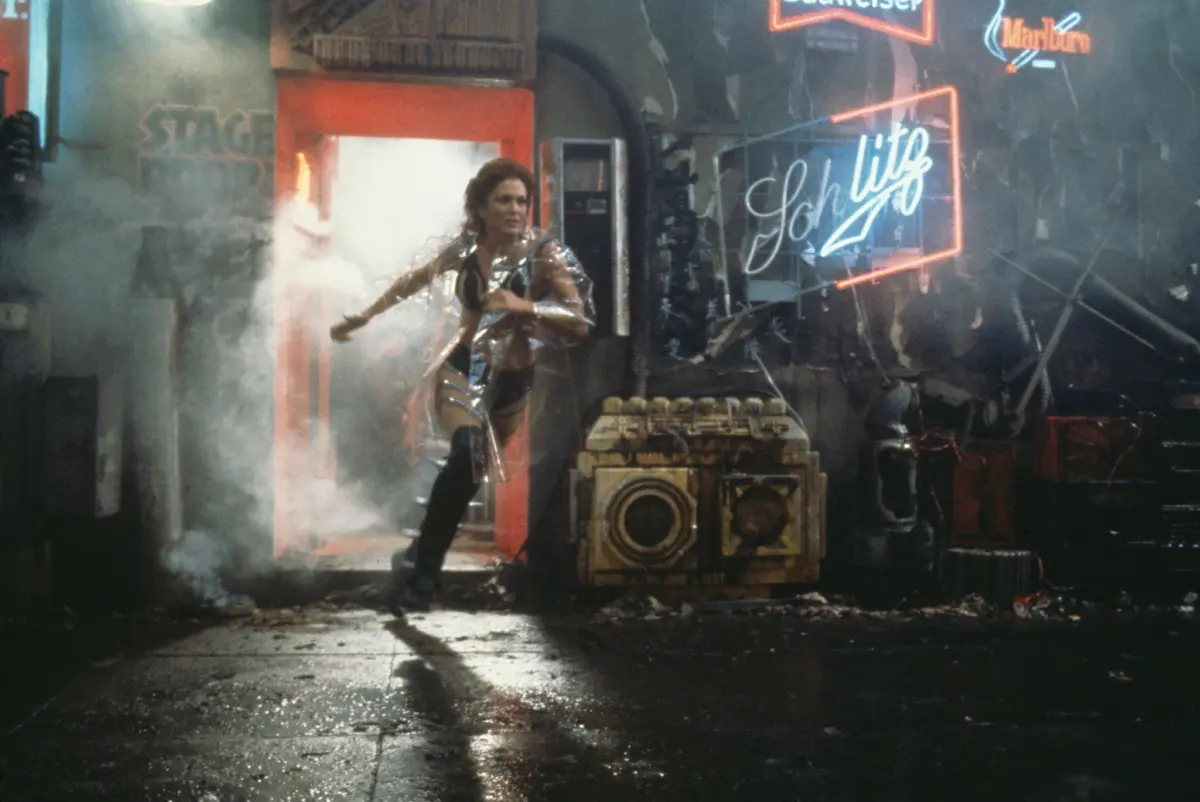
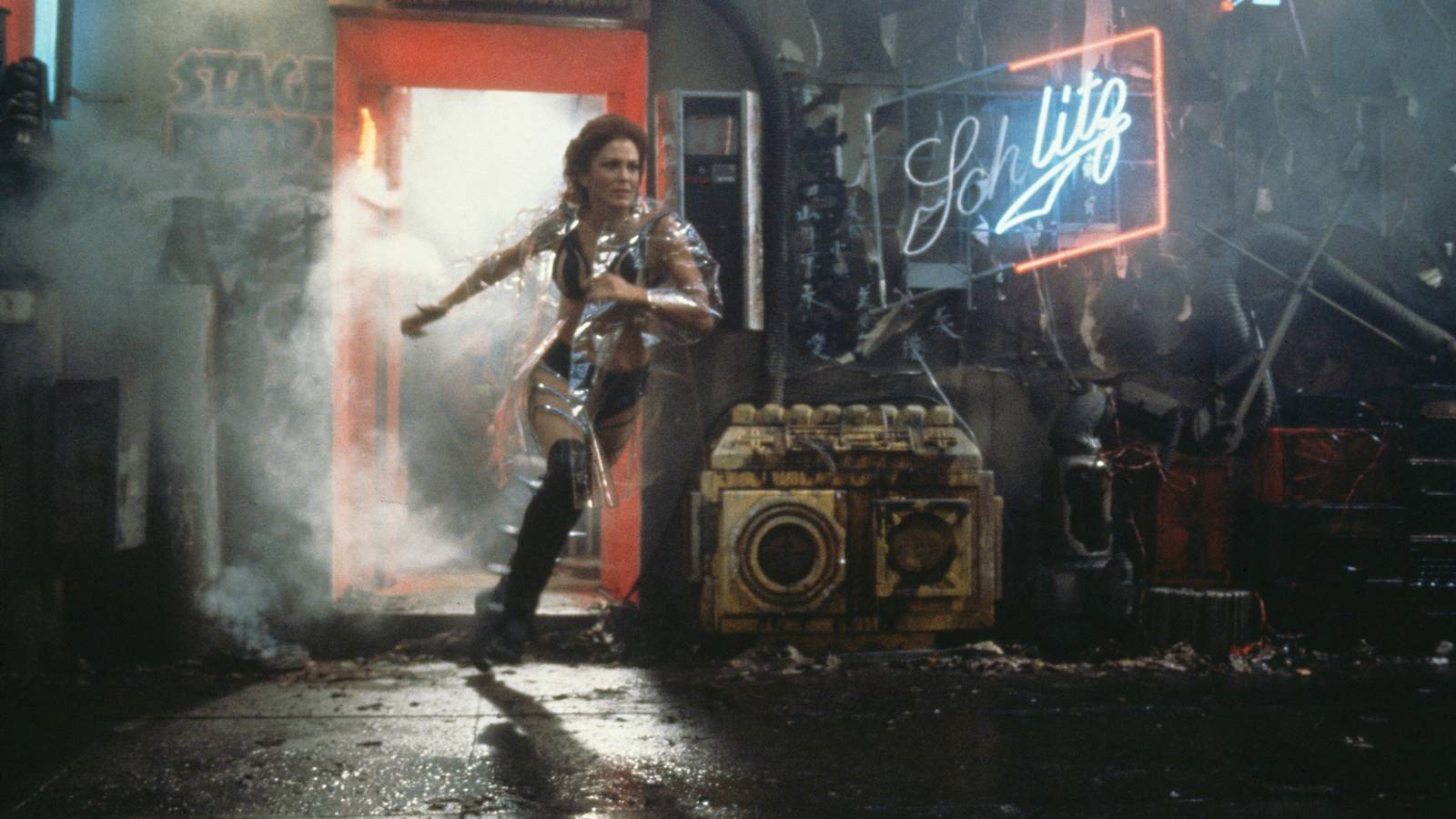
By the dawn of the 1980s, that pessimism matured into a fully realized, rain-slicked, neon-soaked vision of urban decay: Blade Runner. Adapted loosely from Philip K. Dick’s 1968 novel Do Androids Dream of Electric Sheep?, the film plunged audiences into a perpetually smog-choked, dystopian Los Angeles of November 2019.
The Infamous Studio Battles and Multiple Cuts
Despite its eventual status as a touchstone of cinema, Blade Runner was plagued by executive interference from its financiers, Tandem Productions and The Ladd Company. Fearing that the film’s slow, contemplative neo-noir pacing would alienate mainstream audiences, studio executives forced sweeping changes:
- The Theatrical Cut (1982) & International Cut: To make the narrative explicitly clear, the studio slapped a heavy, hard-boiled, and notoriously unenthusiastic voice-over narration—reluctantly recorded by star Harrison Ford—over the footage. They also tacked on a mismatched, sunny "happy ending" utilizing leftover aerial footage from Stanley Kubrick’s The Shining.
- The Director’s Cut (1992): Bolstered by rising cult status and unauthorized screenings of a 70mm workprint in 1990, Warner Bros. permitted Ridley Scott to assemble a "Director’s Cut." While this version removed the voice-over and the forced happy ending, and incorporated the ambiguous "unicorn dream" sequence, Scott was ultimately unsatisfied due to tight deadlines and lack of complete control.
- The Final Cut (2007): Released to celebrate the film’s 25th anniversary, Blade Runner: The Final Cut represents the holy grail for fans. It is the only version of the film over which Ridley Scott retained absolute, uncompromised artistic control. Featuring painstaking digital restorations, pristine audio mixes, and seamlessly integrated special effects inserts, this 2007 version finally liberated the film from historical studio meddling.
Supporting Context & Metrics: The Cultural and Industrial Impact of Blade Runner
To fully grasp the magnitude of Blade Runner, one must evaluate its reception, its financial realities, and its towering footprint across global popular culture.
Box Office vs. Cultural Permanence
Upon its initial theatrical release in June 1982, Blade Runner was neither a runaway commercial success nor an immediate critical darling. Pitted directly against box-office juggernauts like Steven Spielberg’s E.T. the Extra-Terrestrial, Scott’s film was initially perceived by contemporary reviewers as slow, overly bleak, and narratively opaque. It grossed approximately $33 million domestically against a budget of roughly $28 million, making it a modest financial disappointment for the studio at the time.
However, the film’s visual lexicon proved immortal. Within two years of its release, writer William Gibson published Neuromancer (1984), a seminal cyberpunk novel that crystallized the aesthetic genre alongside Scott’s film. The visual motifs of Blade Runner—towering holographic advertisements, towering brutalist architecture, perpetual acid rain, and marginalized human populations coexisting with advanced robotics—became the DNA of modern speculative fiction.
Modern touchstones like CD Projekt Red’s massive video game franchise Cyberpunk 2077 and its accompanying anime Cyberpunk: Edgerunners trace their direct lineage to Scott’s 2019 Los Angeles. Night City is, in essence, a literal evolution of the urban sprawl conceptualized by production designer Lawrence G. Paull and realized by Ridley Scott.
Official Statements: Behind-the-Scenes Friction and Creative Visions
The turbulent genesis of Blade Runner generated legendary tension between its visionary director, its leading man, and its screenwriter—tensions that have only recently come to light through candid retrospective interviews.
Harrison Ford and the Origami Clue
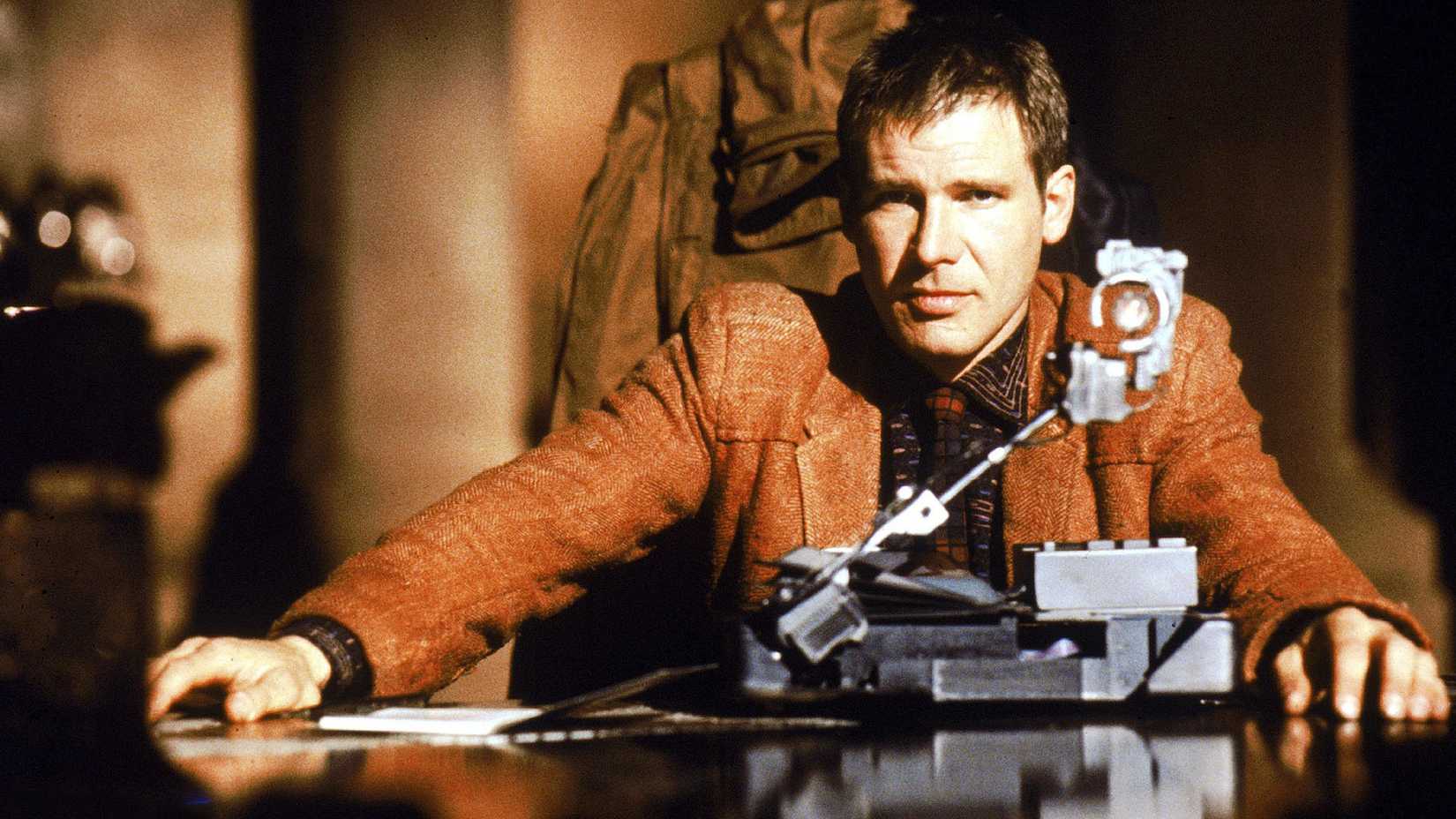
The ambiguity of Rick Deckard’s humanity—specifically, whether the hardened bounty hunter is himself a replicant—remains one of cinema’s most debated enigmas. The inclusion of an origami unicorn left at Deckard’s doorstep by Detective Gaff (Edward James Olmos) strongly implies that Deckard’s private dreams have been artificially implanted by the Tyrell Corporation.

In a recent interview with IndieWire, Ridley Scott opened up about the profound creative disagreements that plagued the set:
"Harrison didn’t get it at the time," Scott revealed, addressing their fierce debates over the ambiguous nature of Deckard’s character and the symbolic weight of the origami motif.
Screenwriter Friction
The friction extended beyond the lead actor to the script’s original co-writer, Hampton Fancher. The studio’s systematic dismantling of the narrative structure and pacing left the creative team aggrieved. Scott noted:
"Hampton was furious. He said, ‘You ruined my script.’ I was really deeply hurt by that."
Despite these historic rifts, time has validated the uncompromising vision of the director. While Harrison Ford notoriously despised recording the studio-mandated voice-over—often rumored to have phoned it in deliberately out of frustration—the removal of such elements in The Final Cut allows the actors’ silent, micro-expression-driven performances to carry the emotional core of the film.
Among Scott’s extensive, prolific filmography—which spans legendary works across genres, including Alien, Gladiator, and Thelma & Louise—the auteur has frequently cited Blade Runner as one of his all-time favorite personal creations.
Future Outlook: Preserving Cinema History in the Digital Age
The decision to make Blade Runner: The Final Cut temporarily free to stream on YouTube marks an intriguing inflection point in digital film distribution. For major studios like Warner Bros., utilizing platform accessibility as a bridge for younger audiences serves a dual purpose: it democratizes access to foundational cinematic art and re-ignites intellectual property interest across global demographics.
As physical media formats experience fluctuating market trends, the availability of historically significant director’s cuts on mainstream digital platforms ensures that complex, challenging works of art are not lost behind paywalls or trapped in obsolete physical formats.
For viewers stepping into Ridley Scott’s rain-soaked, synth-scored vision of November 2019 for the first time—or revisiting it through the pristine lens of the 2007 restoration—the film remains an unmatched sensory and philosophical experience. It asks questions about mortality, empathy, memory, and what it truly means to be human that are arguably more urgent today in the age of generative artificial intelligence than they were in 1982.
The definitive version of a sci-fi milestone is currently accessible with a simple click on YouTube—an open invitation to explore the cyberpunk masterpiece exactly as its creator always intended.