Executive Overview
The video game industry is no stranger to release date adjustments, but the reasoning behind them has evolved significantly over the past decade. Gamers and industry insiders alike are often left balancing disappointment with cautious optimism when a highly anticipated title shifts its launch window. This dynamic was recently underscored when Thunder Lotus, the acclaimed independent developer behind atmospheric hits like Spiritfarer and Jotun, announced a major scheduling update for its upcoming narrative action-adventure game, At Fate’s End.
Originally expected to debut in 2026—a projection that had already built substantial momentum following its breakout reveal—the game will now officially launch in 2027. According to the studio, the decision to delay the title stems from a commitment to quality, polish, and ensuring that the final product meets the lofty expectations set by both the developers and the gaming public.
While a delay of this magnitude is naturally disheartening for fans eagerly tracking the project, Thunder Lotus has paired the bittersweet news with a consolation prize: a playable demo now available on Steam, accompanied by a brand-new gameplay trailer. This move not only mitigates the sting of the postponement but also provides a vital transparency checkpoint, allowing players to experience the studio’s vision firsthand nearly a year ahead of the new release window.
Detailed Chronology: From GDC Breakthrough to the 2027 Delay
To understand the gravity of the At Fate’s End delay, one must trace the trajectory of its public life. The project first captured the industry’s attention during its 2025 reveal, where its striking hand-drawn art style and evocative world-building immediately set it apart from the crowded landscape of contemporary indie releases.
The GDC Sensation
The momentum reached a fever pitch earlier this year at the Game Developers Conference (GDC). At Fate’s End quickly became a darling of the convention floor, drawing rave reviews from critics and attendees alike. Journalists, including PC Gamer’s Wes Fenlon, highlighted the game’s visual splendor, noting that even among a sea of gorgeously illustrated titles, At Fate’s End possessed an aesthetic and atmospheric punch capable of commanding immediate attention.
During these early showcases, the consensus was that Thunder Lotus was crafting something special—a seamless fusion of deep, immersive world-building, intriguing character dynamics, and high-stakes combat. At the time, industry watchers and fans alike pegged the game for a 2026 release, a timeline that seemed plausible given the studio’s established development pipeline.
The Pivot to 2027
However, game development is an inherently fluid and unpredictable discipline. As Thunder Lotus pushed deeper into production following its successful GDC outings, the realities of crafting a sprawling narrative action-adventure game began to necessitate more runway.
In an official statement addressing the community, the developer laid out the rationale behind the timeline shift:
"We’ve made so much progress on the game since its 2025 reveal, but it needs a little more love and care to ensure its release is as smooth as possible. We’ll let y’all know a more precise date once we have all our ducks in a row."
By choosing to prioritize a polished launch over hitting an arbitrary calendar year, Thunder Lotus has signaled its adherence to quality over expediency—a philosophy that has historically defined the studio’s portfolio.
Supporting Context & Metrics: The Anatomy of an Indie Epic
Building an immersive, narrative-driven action-adventure game in the modern market requires an immense allocation of resources, time, and artistic labor. To contextualize why At Fate’s End requires additional development time, it is necessary to examine the core pillars of the project as revealed through promotional materials, developer insights, and the newly released playable demo.
Artistic and Narrative Ambition
Thunder Lotus has carved out a distinct niche for itself by prioritizing breathtaking hand-crafted aesthetics. Unlike games that rely heavily on procedural generation or standardized asset pipelines, the studio’s signature visual style demands meticulous, frame-by-frame artistic dedication. Every environment, character animation, and background detail is a labor-intensive endeavor.
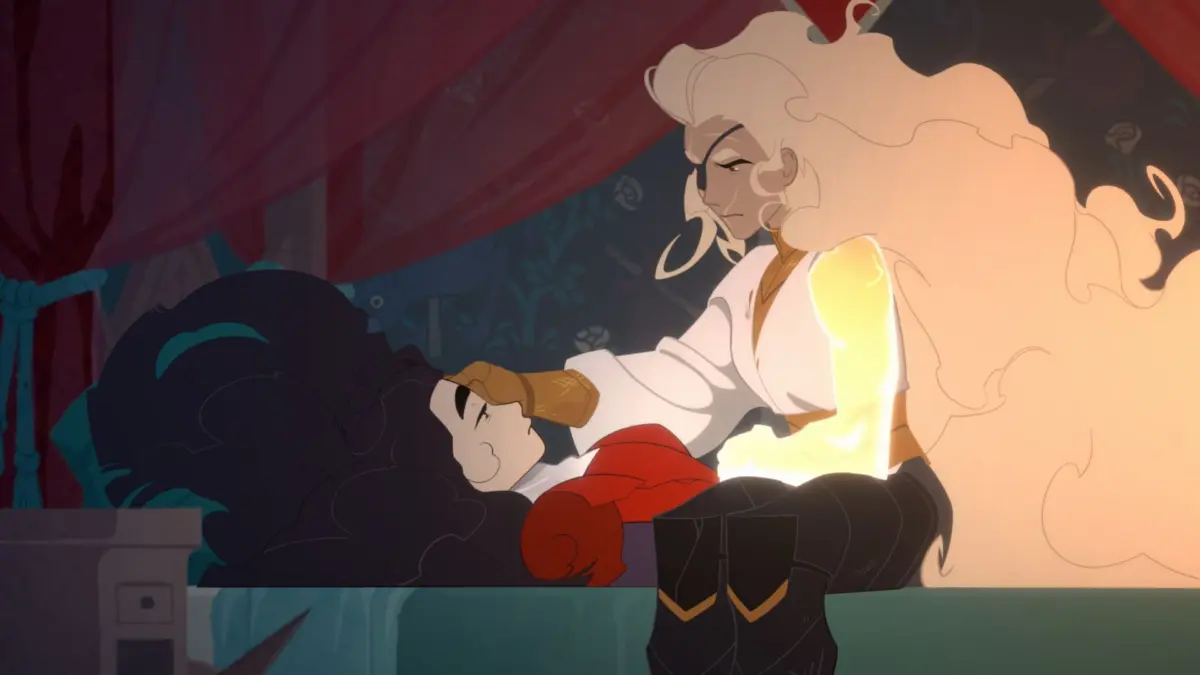
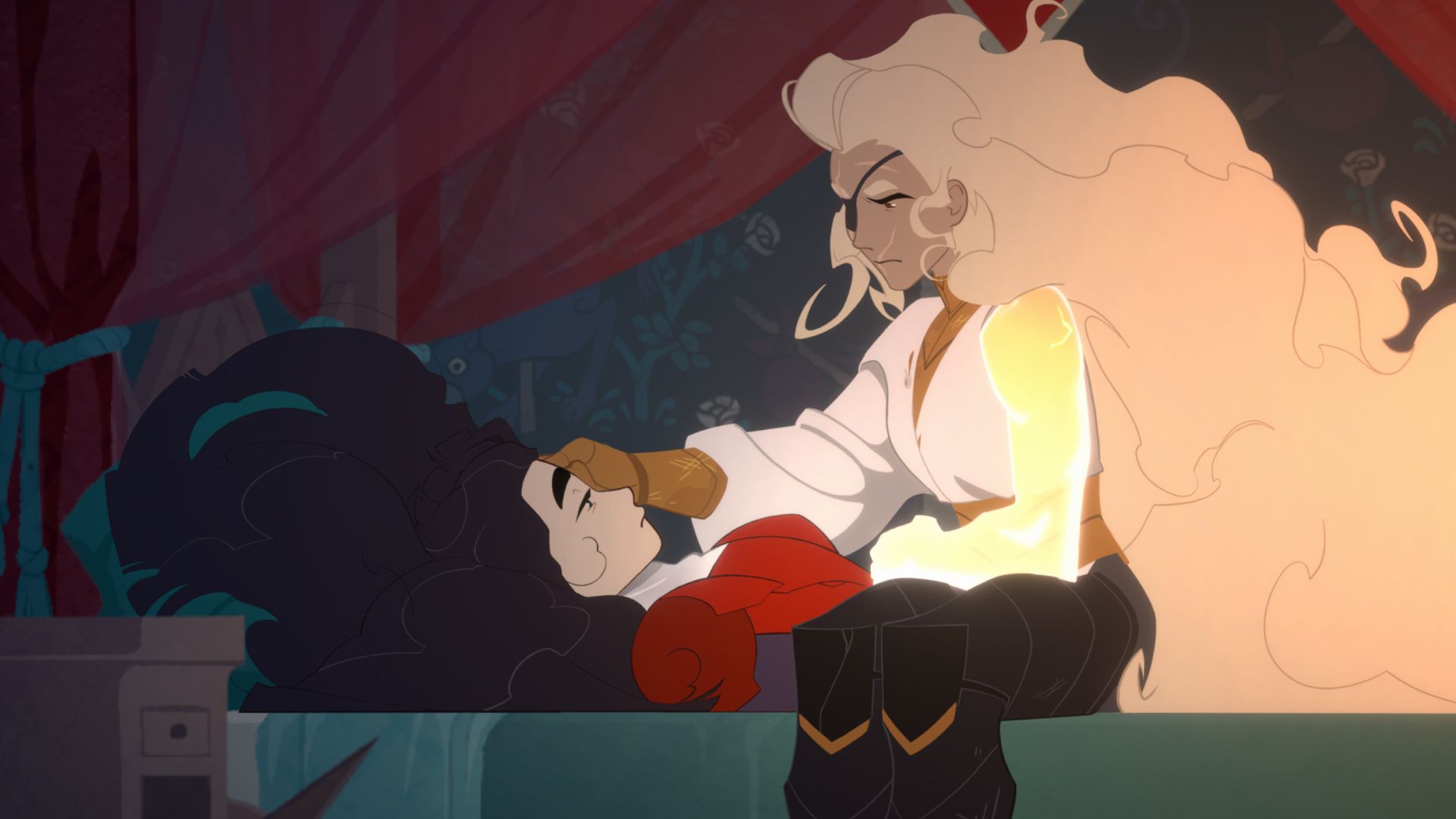
Beyond its visual appeal, At Fate’s End leans heavily into complex narrative structures. The game explores themes of mortality, duty, and familial friction within a mythological framework—exemplified by promotional imagery depicting wounded characters like Shan Hemlock being tended to by her demigod siblings. Weaving a compelling mystery through interactive combat and exploratory gameplay requires extensive iteration on pacing, level design, and narrative branching.
The Steam Demo as a Development Metric
The sudden release of a playable demo on Steam serves multiple strategic functions for Thunder Lotus:

- Community Goodwill: It acts as a peace offering to fans disappointed by the 2027 delay, ensuring they have tangible content to engage with in the interim.
- Technical and Design Feedback: Public demos in the modern era act as massive, real-world stress tests. By inviting players to sample the game’s combat loops, exploration mechanics, and atmosphere, Thunder Lotus can gather critical telemetry and qualitative feedback to fine-tune the experience over the coming months.
- Proof of Concept: The demo delivers "a great first taste of everything the game has to offer," proving that despite the scheduling setback, the core pillars of the title are fully realized and functionally cohesive.
Official Statements and Industry Reaction
The reception to the delay announcement has been largely understanding, reflecting a broader cultural shift within the gaming community regarding crunch culture and rushed releases. Consumers and critics alike have grown increasingly weary of AAA and indie titles launching in substandard states due to rigid publisher deadlines or premature self-imposed targets.
The Developer’s Perspective
Thunder Lotus has consistently maintained an open line of communication with its audience. By addressing the delay head-on without corporate obfuscation, the studio has reinforced its reputation as a player-centric developer. The message was clear and grounded: the extra year is not a sign of troubled development, but rather the necessary operational buffer required to cross the finish line with integrity.
Critical and Community Response
Industry analysts and media outlets have largely praised the decision. Outlets that championed the game at GDC—such as PC Gamer—have pivoted their coverage to emphasize the value of the newly dropped Steam demo and gameplay trailer. The consensus across community hubs, subreddits, and social media platforms indicates that fans would rather wait until 2027 for a definitive, polished masterpiece than receive an incomplete or compromised experience in 2026.
Future Outlook: What Lies Ahead for At Fate’s End
As the industry looks past the immediate shock of the delay, attention turns naturally toward what the future holds for Thunder Lotus and At Fate’s End.
The Roadmap to 2027
With the demo now live on Steam, the immediate future of the game belongs to the players. Community responses, bug reports, and analytical data harvested from the demo build will undoubtedly inform the final phases of production. Thunder Lotus has promised to reveal a more precise release date once internal milestones are reliably met and "all our ducks in a row."
Raising the Bar for Indie Action-Adventures
The extra year of development positions At Fate’s End to make a profound impact upon its arrival in 2027. In a crowded marketplace where visual fidelity and narrative depth are paramount, Thunder Lotus is staking its reputation on delivering an unforgettable journey through mythology, mystery, and visceral combat.
While the wait has undeniably grown longer, the combination of a transparent development team, a stunning new gameplay trailer, and an accessible Steam demo ensures that anticipation for At Fate’s End remains higher than ever. When the game finally opens its doors in 2027, players can step into its richly realized world knowing that every extra month of care was poured directly into making the experience as seamless and unforgettable as possible.