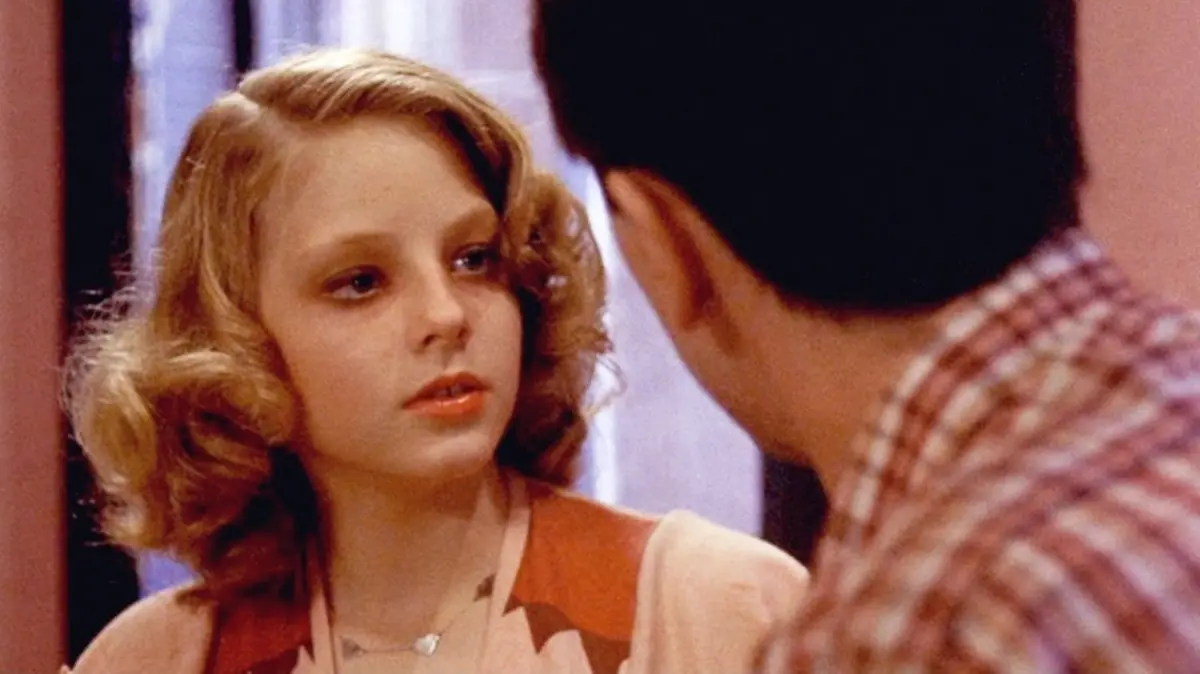
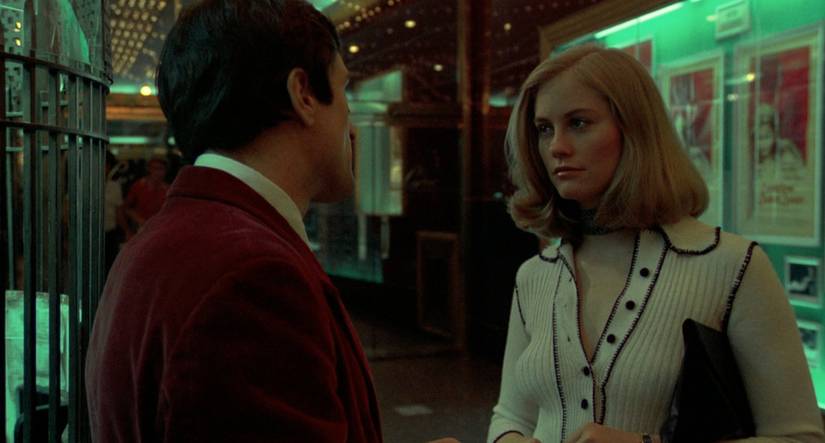
Few cinematic landscapes capture the moral rot, psychological decay, and hypnotic alienation of 1970s urban America quite as definitively as Martin Scorsese’s 1976 masterwork, Taxi Driver. Emerging during a golden era of gritty, auteur-driven American filmmaking, the film served as a watershed moment not only for its director—launching Scorsese from a promising indie talent to a titan of world cinema—but also for the neo-noir genre at large. Blending high-contrast urban realism with a deeply unsettling psychological character study, the film introduced audiences to Travis Bickle: a nocturnal drifter whose chronic insomnia, profound alienation, and toxic worldview laid the groundwork for decades of complex, anti-hero storytelling.
Nearly half a century after its theatrical debut, the cultural resonance of Taxi Driver remains undiminished. Its themes of systemic indifference, urban isolation, and the terrifying trajectory of radicalized male alienation feel remarkably prescient in the modern era. For cinephiles and first-time viewers alike, the barrier to entry has just vanished: Taxi Driver is currently available to stream completely free on Pluto TV. This unexpected availability offers a rare opportunity to experience one of the most intensely analyzed, visually arresting psychological thrillers in cinema history without a subscription paywall, cementing its status as an essential, endlessly rewatchable pillar of modern film history.
Detailed Chronology: The Making and Impact of a Masterpiece
To understand the seismic impact of Taxi Driver, one must retrace the harrowing socio-political and industrial climate of mid-1970s New York City. The city was on the brink of bankruptcy, plagued by soaring crime rates, widespread political corruption, and an overwhelming sense of post-Vietnam War disillusionment. It was within this cauldron of urban decay that screenwriter Paul Schrader penned the script, drawing heavily upon his own bouts of severe isolation, depression, and obsessive behavior while living out of his car in Los Angeles.
1. From Script to Street (1972–1975)
The Genesis: Paul Schrader wrote the initial draft of Taxi Driver in a matter of weeks, channeling the existential dread of being a lonely outsider in a sprawling metropolis. Influenced by classic literature like Fyodor Dostoevsky’s Notes from Underground and existentialist philosophy, Schrader crafted a narrative explicitly designed to expose the psychological underbelly of the American dream.
The Collaboration: The script eventually landed in the hands of producers Michael and Julia Phillips, who recognized its raw power and brought it to a young Martin Scorsese, hot off the heels of his breakout indie success, Mean Streets (1973). Scorsese immediately connected with the material, viewing Travis Bickle’s internal monologue as an extension of his own Catholic-inflected anxieties regarding sin, redemption, and urban purgatory.
Casting the Icon: Robert De Niro, fresh off his Academy Award-winning turn in The Godfather Part II, committed intensely to the role of Travis Bickle. De Niro’s preparation involved driving real cabs around New York City for twelve hours a day, studying mental illness, and losing significant weight to physically embody a man literally and metaphorically wasting away from insomnia. Meanwhile, a young Jodie Foster was cast as Iris, alongside Cybill Shepherd as Betsy and Harvey Keitel as the pimp "Sport."
2. Production and Stylistic Revolution (1975–1976)
Filming on location in New York City during the sweltering, sanitation-strike-plagued summer of 1975 presented monumental logistical challenges. However, these real-world hardships bled directly into the celluloid aesthetic:
The Visual Language: Collaborating with cinematographer Michael Chapman, Scorsese utilized neon-drenched, vaporous cinematography, transforming the streets of Manhattan into a Dantean inferno. Slow-motion tracking shots, subjective camera angles, and disorienting close-ups were strategically employed to force the audience directly inside Travis’s paranoid, sleep-deprived psyche.
Bernard Herrmann’s Swan Song: Legendary composer Bernard Herrmann (Psycho, Vertigo) crafted a haunting, jazz-infused noir score—his final musical composition before his death—that perfectly underscores the psychological pressure cooker of Travis’s deteriorating mental state.
3. Critical Reception and Cultural Shockwaves (1976–Present)
Upon its release by Columbia Pictures in February 1976, Taxi Driver sparked immediate controversy alongside universal critical acclaim.
The Palme d’Or Triumph: Despite initial studio fears that the film’s graphic climax and bleak tone would alienate mainstream audiences, Taxi Driver stunned the international film community by winning the prestigious Palme d’Or at the 1976 Cannes Film Festival.
Award Recognition: The film secured four Academy Award nominations, including Best Picture, Best Actor for De Niro, Best Supporting Actress for a 13-year-old Jodie Foster, and Best Original Score.
The Hinckley Infamy: The film’s cultural legacy took a chilling, real-world turn in 1981 when John Hinckley Jr. attempted to assassinate U.S. President Ronald Reagan, citing a delusional obsession with Jodie Foster’s character, Iris, and an intention to emulate Travis Bickle. This tragic event forced a profound cultural conversation regarding art, media imitation, and the boundaries of transgressive cinema.
Supporting Context & Metrics
To fully appreciate the cultural and cinematic magnitude of Taxi Driver, we must examine the broader landscape of the 1970s neo-noir renaissance and the quantitative impact of Scorsese’s masterwork.
The Evolution of 1970s Neo-Noir
The 1970s represented a radical departure from the classical Hollywood noir of the 1940s and 1950s. While traditional noir relied heavily on studio-bound shadow play, hardboiled private eyes, and Hays Code-regulated morality, the post-studio era unleashed a wave of unvarnished realism and moral ambiguity.
Film
Director
Release Year
Core Theme / Contribution to Neo-Noir
Chinatown
Roman Polanski
1974
Institutional corruption and the subversion of the traditional detective narrative.
Taxi Driver
Martin Scorsese
1976
Urban alienation, radicalization, and the psychological descent of the anti-hero.
The Fourth Man
Paul Verhoeven
1983
Psychosexual tension, surrealism, and unreliable narration.
Blue Velvet
David Lynch
1986
The dark, sinister underbelly hidden beneath idyllic suburban Americana.
Box Office and Critical Metrics
Production Budget: ~$1.3 million to $1.9 million (a modest sum even for its era, showcasing independent production resourcefulness).
Box Office Gross: ~$28.2 million worldwide, proving that uncompromising, gritty art-house sensibilities could achieve substantial commercial viability.
Critical Consensus: Maintaining a near-flawless rating on major aggregator platforms like Rotten Tomatoes and Metacritic, Taxi Driver is universally cited by film historians and directors alike as one of the top ten greatest films ever made.
Official Statements and Critical Analysis
The enduring allure of Taxi Driver lies in its refusal to offer easy answers or clean moral resolutions. Over the decades, its creators and critics have reflected deeply on its legacy.
In retrospective interviews, director Martin Scorsese has frequently noted the intense, immersive nature of the production:
"We weren’t just making a movie about a guy in a car; we were trying to capture a very specific neurological state. New York at that time was a living, breathing entity—beautiful on the surface, but gangrenous underneath. Travis Bickle was the thermometer measuring that fever."
Screenwriter Paul Schrader has often analyzed the tragic architecture of his protagonist, particularly in the context of modern societal anxieties:
"Travis isn’t a traditional villain; he’s an empty vessel filled up with the garbage of his environment. He wants connection, but his psychological machinery is completely broken. When society fails to offer a cure for his isolation, he attempts to write his own prescription through violence. Unfortunately, people have been trying to copy that dangerous delusion ever since."
Film critics have long praised the film’s brilliant juxtaposition of sympathy and revulsion. We are initially aligned with Travis because we, too, feel the crushing weight of modern loneliness and institutional neglect. However, as the narrative progresses, his underlying racism, misogyny, and grandiose vigilante delusions bubble to the surface, transforming our empathy into profound unease. Scorsese does not excuse Travis; instead, he diagnoses him, holding up a cracked, unforgiving mirror to a society that breeds such fractured minds.
Future Outlook: Streaming Accessibility and Enduring Relevance
As cinematic distribution models shift increasingly toward subscription-based streaming ecosystems and fragmented digital libraries, the decision to make a pristine, foundational classic like Taxi Driver freely accessible on an ad-supported platform like Pluto TV is a notable cultural event.
Why This Streaming Window Matters
Democratization of Masterpieces: Masterworks of 20th-century cinema are frequently locked behind paywalls or scattered across competing proprietary services. Free-ad-supported streaming television (FAST) platforms democratize access, introducing monumental works of art to younger generations who may not yet be willing to invest in niche streaming subscriptions.
Re-evaluating the Modern Auteur: As Martin Scorsese continues to shape contemporary cinematic discourse—through masterclasses, preservation advocacy, and his own late-career masterpieces—revisiting Taxi Driver offers vital context for understanding his lifelong artistic obsessions: guilt, grace, masculine pathology, and the poetic tragedy of the outcast.
The Timelessness of Urban Paranoia: In an era defined by hyper-connectivity coupled with unprecedented rates of social isolation, digital echo chambers, and urban detachment, Travis Bickle’s diary entries ring with terrifying modernity. His cry of "Days go on and on. They don’t end" resonates just as powerfully today in the glow of a smartphone screen as it did in 1976 under the flickering neon of a Manhattan taxicab.
Taxi Driver remains a breathtaking, puzzle-like nightmare that yields new interpretive depths with every viewing. Now that it is streaming for free on Pluto TV, there has never been a better—or more chilling—time to step back into the cab and stare directly into the neon abyss.