Executive Overview
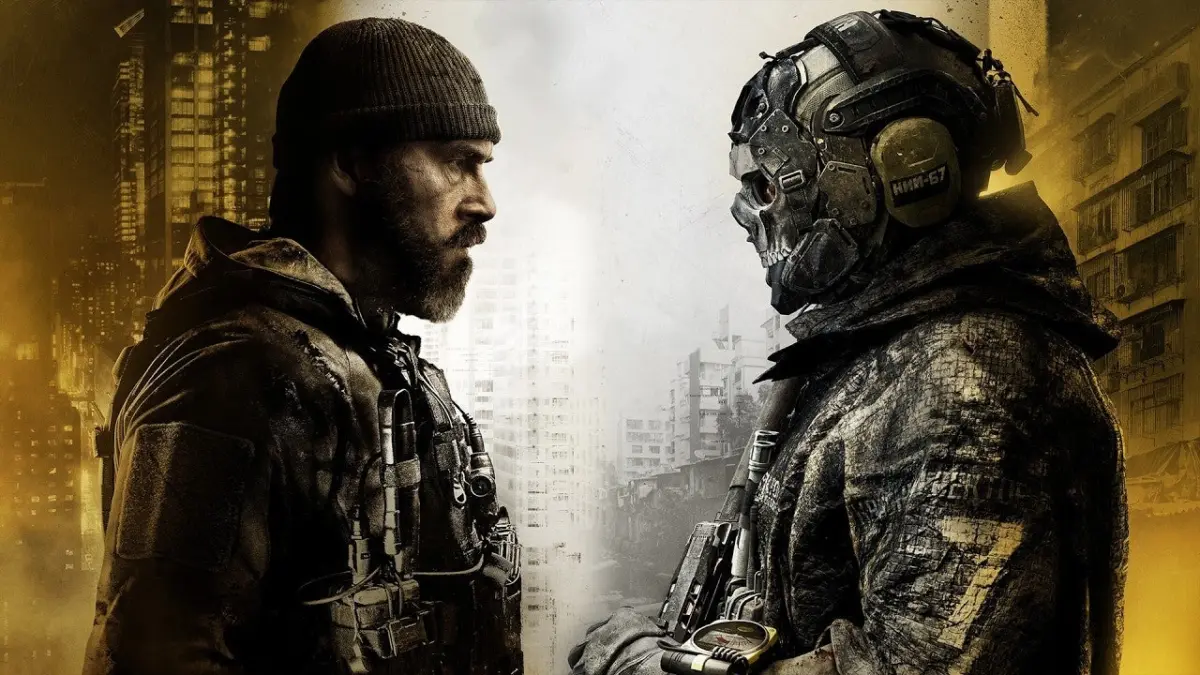
The release of Call of Duty: Modern Warfare 4 in early access has sent shockwaves through the gaming community, delivering what many critics and fans alike are calling the strongest narrative campaign the franchise has seen since its landmark 2019 revival. Featuring a bleak, high-stakes narrative where major heroes and iconic villains alike meet definitive ends, Modern Warfare 4 feels less like a routine franchise entry and more like a carefully constructed grand finale.
With Activision recently confirming that an entirely new Call of Duty subfranchise is actively in development—stepping outside the traditional rotational cycle of Modern Warfare and Black Ops—speculation has reached a fever pitch. Is this genuinely the end of the road for Captain Price and Task Force 141?
In an exclusive discussion, Infinity Ward Narrative Director Jeff Negus pulls back the curtain on the studio’s creative process, revealing the lack of a long-term roadmap, the challenges of following up the rushed narrative of Modern Warfare 3, and whether players should truly expect a final curtain call for their favorite operators.
Detailed Chronology: Building the Modern Warfare Reboot
The 2019 Renaissance: Striking Lightning Twice
When Infinity Ward rolled out Call of Duty: Modern Warfare in 2019, it was designed as a critical course correction for a franchise that many felt had drifted from its tactical roots. By echoing the gritty, grounded tone of the 2007 original while simultaneously introducing fresh characters and modern geopolitical contexts, the game captured the industry’s attention.
However, despite the immense critical acclaim and commercial success that followed, Infinity Ward operated without a grand, multi-game blueprint mapped out from day one. According to Negus, the narrative development of the rebooted era mirrors the episodic nature of high-end television rather than a meticulously planned cinematic universe.
"There wasn’t a long-term plan specifically from 2019," Negus reveals. "Similar to a television show where you’ve got a first season, it comes out, people like it, cool, there’s going to be another one. If you do it well, what you built can be built upon in a way where you can use it as a foundation and then push on top of that to build and go to new places."
Navigating the Aftermath of Modern Warfare 3
Reaching a fourth installment in a modern shooter franchise is a rare milestone, but maintaining narrative momentum across those iterations requires immense structural gymnastics. This was particularly evident following the divisive release of Modern Warfare 3, a title constrained by a truncated development cycle that resulted in a comparatively plot-light campaign and a somewhat rushed introduction for fan-favorite villain Makarov.
The narrative team at Infinity Ward faced the daunting task of picking up the pieces. Negus points out that the definitive, high-stakes events concluding Modern Warfare 3 left Captain Price in a position from which he could never truly turn back.
Rather than sweeping those dramatic consequences under the rug, the writers chose to lean directly into them, reshaping Price’s methodologies and forcing unorthodox alliances—such as his uneasy partnership with Valeria—to drive the narrative forward into uncharted territory.
Supporting Context & Metrics: Scale, Ambition, and Scope
Scope and Pacing in Modern Warfare 4
Modern Warfare 4 stands in stark, deliberate contrast to its immediate predecessor. Benefiting from a full three-year development cycle, Infinity Ward injected massive scope, scale, and density into the campaign. The opening hours function almost as an extensive epilogue to Modern Warfare 3, systematically clearing the narrative table before plunging players into a sprawling, multi-layered conflict that seamlessly weaves a massive-scale Korean theater of war with intimate, high-stakes personal missions led by Captain Price.
The game also masterfully juggles an extensive global cast without losing its narrative thread—a frequent stumbling block for modern military shooters. By blending legacy characters with a new generation of fresh, younger faces, Infinity Ward achieved a dual perspective: the epic, sweeping view of global warfare combined with the ground-level grit of ordinary soldiers caught in the crossfire.

[2019: Modern Warfare]
       │ (Grounded Revival & Fresh Foundation)
       ▼
[2022: Modern Warfare II]
       │ (Expanding Global Stakes)
       ▼
[2023: Modern Warfare 3]
       │ (Truncated Dev Cycle / Accelerated Plot)
       ▼
[2026: Modern Warfare 4]
       │ (Definitive Conclusions & High-Scale Korean Conflict)
       ▼
[The Future?] (New Subfranchise Horizon)
Critical Reception and Fan Impact
The gamble on a beefier, more ambitious campaign has paid off handsomely. Early access metrics and community sentiment indicate that Modern Warfare 4 is dominating gaming discourse. The emotional resonance of the campaign has even prompted personal outreach from key creative talent, including the iconic actor behind Captain Price, who recently issued a heartfelt message thanking fans for their overwhelming support.
Official Statements: Inside the Mind of Infinity Ward
When pressed directly on whether Modern Warfare 4 serves as the undisputed final chapter for the rebooted saga, Narrative Director Jeff Negus offered an answer that is equal parts coy and transparent:
"It’s a good question, and you’ll not love the answer. I don’t know. What I do know is we tried to tell a definitive, conclusive story in that we were trying to set up, or rather pay off the setups, answer things that had been posed as questions, push characters into new territory that they’ve never been in before, raise the stakes, push the conflict."
Elaborating on the unique hurdle of reaching a fourth entry in a contemporary military shooter, Negus emphasized the importance of self-reflection within the writing room:
"Four, that was of particular importance for us. Not many games get a four, let alone one that has these kinds of characters that have gone through the things they’ve gone through. And so while there wasn’t a long-term plan necessarily for the story specifically from 2019, we definitely are self-reflexive in a way where we’re looking back at the same time as being in the present in order to inform it and make it more impactful."
Regarding the balance between legacy operators and fresh tactical perspectives, Negus noted that the creative constraints ultimately bred creative freedom:
"The reason that this story has so much in it is that we had the ambition to continue the legacy character storylines and a very strong impulse to return to form in that, assuming the role of a low-level soldier within a bigger war landscape. And so obviously those characters that we’ve been with don’t really fit that desire… So it was a challenge, but ultimately an opportunity to get to redefine our returning characters and define, for the first time, a whole set of new, young, fresh faces that would give us a totally different perspective."
Future Outlook: Where Does Call of Duty Go From Here?
As the dust settles on the explosive campaign of Modern Warfare 4, Activision finds itself at a strategic crossroads. On one hand, the commercial and critical triumph of Infinity Ward’s latest effort proves that there is still immense consumer appetite for traditional, story-driven military campaigns when executed with genuine production muscle and narrative weight. On the other hand, corporate expansion plans point firmly toward the horizon, with confirmed development underway on an entirely brand-new Call of Duty subfranchise.
If the credits-rolling final mission of Modern Warfare 4 truly marks the end of the line for Captain Price, Kyle "Gaz" Garrick, and the rest of Task Force 141, it serves as a fittingly dramatic farewell. Yet, as the games industry has repeatedly demonstrated, no beloved franchise icon stays retired forever if the commercial incentive—and creative inspiration—aligns.
For now, players are left to digest one of the darkest, most intense campaigns in series history, debating the definitive fates of their favorite soldiers in comment sections and community boards across the globe. Whether this is a permanent goodbye or merely an extended intermission, Modern Warfare 4 has undoubtedly set a formidable benchmark for whatever comes next in the multi-billion-dollar franchise.