Executive Overview
The sprawling post-apocalyptic landscape of HBO’s The Last of Us is drawing a definitive horizon. Following months of speculation, shifting creative visions, and conflicting behind-the-scenes statements, HBO and Max Content Chairman and CEO Casey Bloys has all but confirmed that the critically acclaimed television adaptation of Naughty Dog’s flagship video game franchise will conclude with its upcoming third season.
Speaking during the network’s post-Emmy celebrations, Bloys addressed the timeline for Ellie’s harrowing journey, confirming that Season 3 is slated to air in 2027. While stopping short of a rigid scheduling declaration, the CEO’s comments cement what industry insiders have suspected for months: showrunner Craig Mazin has streamlined the narrative arc to wrap up the sweeping adaptation much sooner than initially projected.
This anticipated conclusion arrives at a fascinating inflection point for the franchise. While the HBO adaptation experienced a mixed critical reception for its sophomore outing—sparking heavy discourse regarding pacing and character portrayal—the broader intellectual property remains a towering pillar in modern entertainment. Concurrently, original developer Naughty Dog has signaled that while its active creative oversight on the HBO series is scaling back for its final stretch, the studio’s journey through the cordyceps-ravaged world is far from over. As Hollywood prepares to say goodbye to its live-action iteration of Joel and Ellie’s tragedy, the future of the franchise shifts back toward its interactive roots and future unannounced projects.
Detailed Chronology: The Evolution of the Series’ Length
The trajectory of The Last of Us television adaptation has been marked by a shifting architectural blueprint. Understanding how the series arrived at a probable three-season conclusion requires a look back at the timeline of statements made by network executives and creative leads alike.
The Initial Ambitions (2023–2024)
When HBO’s The Last of Us premiered to rapturous acclaim in early 2023, adapting the entirety of Naughty Dog’s first game across nine tightly paced episodes, the scope of the second game immediately presented a logistical hurdle. The Last of Us Part II is vastly larger, more mechanically complex, and structurally fractured than its predecessor, spanning multiple perspectives and timelines.
Showrunners Craig Mazin and Neil Druckmann quickly realized that adapting the second game’s narrative would require multiple television seasons. Season 2 was formally greenlit before the first season had even completed its broadcast run, with early planning indicating that the massive narrative canvas of Part II would necessitate stretching the story across several years of television.
The Four-Season Debate (May 2025)
The debate over how many seasons the show would ultimately require reached a fever pitch in May 2025. In an interview with Collider, showrunner Craig Mazin struck a definitive tone regarding the sheer volume of narrative material left to cover, explicitly stating that a fourth season would be mandatory.
"There’s no way to complete this narrative in a third season," Mazin told Collider at the time. "Hopefully, we’ll earn our keep enough to come back and finish it in a fourth. That’s the most likely outcome."
Mazin’s perspective was rooted in a desire to honor the breathing room, character depth, and moral ambiguity of the source material without rushing pivotal plot beats. However, television production is a complex beast governed by budgetary constraints, talent contracts, and overarching network strategies.
The Shift Toward Conclusion (January 2026 – September 2026)
As pre-production and writing for Season 3 progressed behind closed doors, the tune from HBO’s executive suite began to shift. Speaking to Deadline in January 2026, Casey Bloys was asked point-blank whether Season 3 would serve as the series finale. While diplomatic, Bloys offered a telling response: "It certainly seems that way, but on decisions like that, we will defer to the showrunners. So you can ask them."
That ambiguity evaporated in September 2026. At the network’s Emmys afterparty, Bloys crystallized the timeline. He noted that Season 3 is officially locked in for a 2027 premiere window and, crucially, confirmed his understanding that Mazin had recalibrated his plans to make the upcoming third chapter the definitive final season.
Supporting Context & Metrics: Critical Reception and Adaptation Realities
To understand why the series is wrapping up by Season 3, one must examine the critical and audience landscape that has defined the show’s life cycle thus far.
Season 1: A Cultural Phenomenon
The debut season of The Last of Us was an unmitigated triumph for HBO. Garnering widespread critical praise, it bridged the historically treacherous gap between video game adaptations and prestige television. IGN’s Simon Cardy awarded the inaugural season a stellar 9 out of 10, writing that it successfully captured the emotional devastation and atmospheric dread of the source material while expanding the universe in meaningful ways. It became a ratings juggernaut and a dominant force during awards season.

Season 2: The Sophomore Stumble
Adapting The Last of Us Part II, however, proved to be an uphill battle. When Season 2 debuted, it was met with a more polarized response from both critics and general audiences. While technical execution, cinematography, and performances remained top-tier, the structure of the narrative drew intense scrutiny.
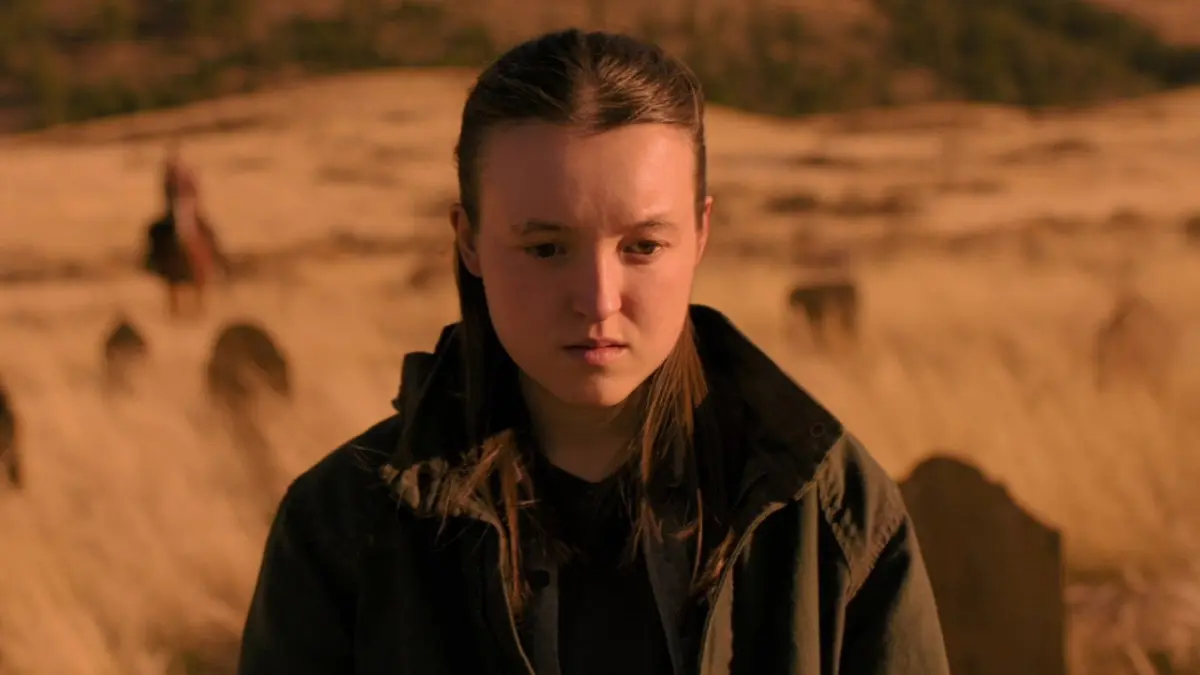
Many viewers and critics took issue with the pacing and Bella Ramsey’s portrayal of an older, hardened Ellie grappling with profound trauma and vengeance. While still widely watched, IGN scored Season 2 a 7 out of 10, with Cardy noting that it was "still good, but it’s also a sequel that struggles because it’s only half of the story."
This narrative fracture—coupled with the immense physical toll, high production budgets, and complex scheduling of its principal cast—likely played a substantial role in compressing the remaining story into a single, cohesive third season rather than dragging it out across an extended fourth run.
Official Statements: The Creators Speak
The transition from a multi-season epic to a concise three-season structure has prompted reflections from both the television creative team and the original minds at Naughty Dog.
Casey Bloys (HBO and Max Content)
Bloys’ recent statements at the Emmys afterparty underline HBO’s alignment with its creative partners, even as those partners pivot their long-term visions. By confirming the 2027 release window for Season 3 and noting Mazin’s intention to finish the story there, Bloys has provided fans with a clear roadmap of the franchise’s immediate television future.
Neil Druckmann and Naughty Dog’s Evolving Role
While the television adaptation prepares to close its doors, Naughty Dog has made it abundantly clear that its relationship with the intellectual property is far from over. In a candid interview with the Washington Post earlier in September 2026, Naughty Dog studio head Neil Druckmann addressed the studio’s shifting level of involvement in the HBO series’ third season.
"It’s important for us to note that as the creator of the games, Naughty Dog is still the steward of this IP and even though this might be the end of this adaptation," Druckmann stated. "We’re not done with The Last of Us. There’s a couple projects in the works that, when the time is right, I’m very excited to talk about."
Druckmann’s remarks highlight an intentional decentralization. As Mazin and his television crew chart the final television scripts independently, Naughty Dog has pivoted its internal resources toward its own interactive future.
Future Outlook: Beyond the Horizon of 2027
As fans process the reality that 2027 will likely bring the final curtain down on HBO’s The Last of Us, the broader horizon of entertainment holds plenty of movement for both the franchise and its creators.
What Lies Ahead for Naughty Dog?
Naughty Dog is currently standing at a fascinating crossroads. While the studio maintains ultimate custodianship over The Last of Us universe—hinting at future video game projects that have yet to be officially unveiled—its immediate operational focus is locked squarely onto its next major intellectual property: Intergalactic: The Heretic Prophet.
Momentum around Intergalactic has been steadily building. The studio confirmed in August 2026 that it had officially completed filming its performance capture sessions, marking a major milestone in the game’s development cycle. However, the title’s noticeable absence from Sony’s September 2026 PlayStation State of Play left a portion of the fanbase clamoring for a deeper look at the sci-fi epic. Despite the radio silence at recent showcases, Naughty Dog remains one of the industry’s premier prestige developers, and expectations for Intergalactic remain stratospheric.
The Legacy of the HBO Adaptation
When The Last of Us signs off with Season 3 in 2027, it will leave behind a complex and enduring legacy. It shattered the long-standing "video game curse" in Hollywood, proved that serialized prestige television could successfully translate interactive trauma and systemic storytelling, and introduced millions of new fans to the tragic world of Joel and Ellie.
While the road has occasionally been bumpy—navigating the immense narrative challenges of Part II and shifting creative parameters from a four-season projection down to a final trilogy of seasons—the definitive end is now in sight. For better or worse, Craig Mazin, HBO, and their stellar cast are poised to land the plane on their own terms, ensuring that Ellie’s journey concludes with the same sharp, devastating impact that started it all.