Executive Overview
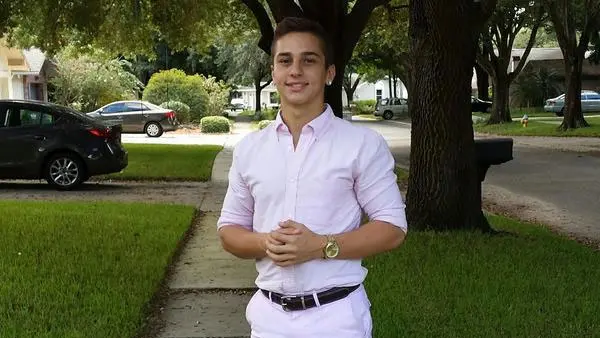
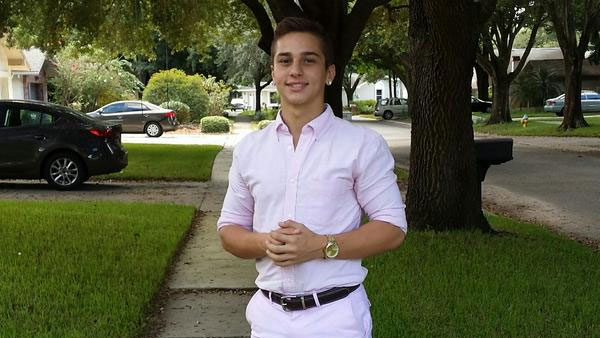
In the sprawling, volatile ecosystem of internet culture, few images achieve the rare, immortal status of a true digital monolith. Among them is a seemingly unremarkable snapshot of a young man standing on a nondescript suburban sidewalk in Tampa, Florida, hands neatly clasped in front of him, sporting a light-colored button-down shirt and shorts. Accompanying the original 2014 post was a cryptic, yet universally resonant declaration: "You know I had to do it to em."
What began as a routine microblogging post by Twitter user LuckyLuciano17k—real name Lachborne Bachraz—morphed over the course of a decade into an omnipresent cultural meme. It transcended simple image macros to become a multi-platform phenomenon characterized by elaborate Photoshop edits, "Where’s Waldo?"-style stealth integration, legal tribulations, physical pilgrimages to its geographic coordinates, and ultimately, a reflective 2024 retrospective.
This deep dive chronicles the trajectory of one of the internet’s most enduring visual tropes. It explores how a quiet suburban snapshot evolved from early mockery into an ironic badge of honor, spawning a decade’s worth of digital folklore, community engagement, and commercial adaptation.
Detailed Chronology
Phase I: Inception and Quiet Obscurity (2014–2016)
On September 2nd, 2014, Lachborne Bachraz—posting under the handle @LuckyLuciano17k—published a photograph of himself standing on a sunlit sidewalk along Capitol Drive in Tampa, Florida. Staged by his sister, who styled his outfit and insisted on capturing the pose, the image featured Bachraz looking directly into the camera with an unreadable, stoic expression. The post garnered modest initial engagement, pulling in roughly 1,700 likes and retweets before the account was privatized in late 2016. For nearly two years, the image remained a dormant piece of internet ephemera, preserved only in the digital footprints of early adopters.
Phase II: The Metamorphosis and Viral Explosion (2016)
The meme’s revival began on July 1st, 2016, when Twitter user @ExhelonWinter resurrected the photograph alongside a satirical caption framing Bachraz as an elitist hip-hop purist. This initial act of recontextualization opened the floodgates for digital creators across Tumblr, Twitter, and early-stage Instagram meme pages.
The internet quickly recognized the inherent comedic utility of Bachraz’s posture. By mid-to-late 2016, the image transitioned into an exploitable template. Creators across the digital landscape began stripping Bachraz out of his original background and pasting him into surreal environments. Notable early iterations included:
- The Corporate Crossover: A Tumblr post by user zonecassette pairing a modified "Dr. Phil" M&M with the canonical phrase.
- Pop Culture Mashups: Photoshops depicting Bachraz as Fred Flintstone, Overwatch hero Zenyatta, and Stingy from LazyTown.
- Cinematic Integration: An October 2017 viral post by Twitter user @lujgi transforming Bachraz into the creepy twins from Stanley Kubrick’s The Shining.
Phase III: Legal Turmoil and Real-World Infamy (2018)
As the meme’s cultural footprint expanded, its subject experienced significant real-world friction. On July 29th, 2018, Bachraz launched a GoFundMe campaign titled "Free Lucky Campaign," claiming he had been unlawfully targeted, stalked, and detained by law enforcement over "BS" charges. He sought community funding to cover legal fees, bail, and litigation expenses against the arresting officers.
The campaign triggered a wave of digital sleuthing. Shortly after the fundraiser went live, Twitter users unearthed public arrest records detailing felony charges for the possession of controlled substances (including cocaine and cannabis with intent to sell), drug paraphernalia, and traffic violations. Concurrently, his booking mugshot leaked across Twitter and Facebook, briefly bridging the gap between meme-space anonymity and real-world legal scrutiny.
Phase IV: Stealth Edits and the "Where Is He?" Era (2018–2019)
Rather than fading following his legal troubles, the meme mutated into a minimalist game of hide-and-seek. Throughout late 2018, communities on Tumblr popularized "Where’s Waldo?"-style edits. Creators integrated minute, highly pixelated versions of Luciano into complex images—ranging from the Super Smash Brothers Ultimate character roster and the official poster for the horror film Halloween to boxes of cereal and airplane cabins.
These posts consistently triggered predictable, highly engaged comment chains characterized by frantic, humorous exclamations: "HE’S HERE," followed by panicked replies of "Where the f–k is he?" This minimalist engagement model drew artistic comparisons to abstract art movements and cultural touchstones like the Is This Loss? meme.
Simultaneously, the physical location of the photograph attained pilgrimage status. In July and November 2018, internet users such as @BrendanHersh and @JeffJoseph96 traveled directly to 14304 Capitol Drive in Tampa to meticulously recreate the iconic pose. Jeff Joseph’s November tweet alone amassed over 173,000 likes, cementing the sidewalk as a recognized historic monument of internet lore.
Phase V: Institutional Recognition and the Ten-Year Retrospective (2024)
Ten years after the shutter clicked on that Tampa sidewalk, the cultural lifecycle of the meme came full circle. On December 18th, 2024, the Tampa Bay Times published the first formal, long-form interview with Lachborne Bachraz.
Now 27 years old, Bachraz opened up about the psychological toll the meme initially took on him. He admitted that during the height of its virality, he felt singled out and mocked by an invisible, global audience—noting he was simply "not old enough to know that’s just what the internet does." Over time, however, his perspective shifted from resentment to gratitude, acknowledging how the digital artifact permanently altered the trajectory of his life. Bachraz also detailed his efforts to monetize the viral moment, highlighted by a successful collaboration to release an official YouTooz vinyl collectible figurine in his likeness. The feature article was accompanied by a fresh photograph of an adult Bachraz recreating his legendary pose on the exact same spot on Capitol Drive.
Supporting Context & Metrics
The longevity of "You Know I Had to Do It to Em" relies heavily on structural adaptability. Below is a breakdown of the metrics and platforms that fueled its decadal run:
| Era / Year | Primary Platforms | Dominant Format | Key Cultural Milestones |
|---|---|---|---|
| 2014 | Raw Photograph | Original upload by LuckyLuciano17k; staged by his sister. | |
| 2016 | Twitter, Tumblr | Text Caption / Photoshop | Transition from personal post to satirical hip-hop fan archetype; pop-culture character swaps. |
| 2017 | Instagram, Twitter | Meta-Collages & Film Parodies | Inclusion in "September in Review" meme roundups; The Shining edits. |
| 2018 | Tumblr, Twitter | Micro-Edits & Pilgrimages | Arrest records surfaced; "Where’s the f–k is he?" hidden edits; real-world site visits. |
| 2024 | Regional Print, Mainstream Media | Investigative Retrospective | First formal interview (Tampa Bay Times); commercial merchandise (YouTooz); 10-year photo recreation. |
Official Statements and Retrospective Insights
Reflecting on his decade-long tenure as a reluctant internet icon, Lachborne Bachraz’s public evolution provides unique insight into the modern mechanics of accidental fame.
- On Initial Reactions: "When it first blew up, I felt like everybody was laughing at me. I was just a kid, and I wasn’t old enough to know that’s just what the internet does to people."
- On Acceptance and Gratitude: Over time, Bachraz reconciled his personal identity with his digital shadow. He noted that the phenomenon ultimately enriched his life, providing unexpected avenues for connection, notoriety, and commercial enterprise.
- On Monetization: While early attempts to capture economic value from the meme were informal or overshadowed by legal hurdles, later endeavors—such as partnering with collectible manufacturers like YouTooz—demonstrated a pragmatic shift toward leveraging viral equity.
Future Outlook
As "You Know I Had to Do It to Em" enters its second decade, its place within digital anthropology is firmly secure. It bridges the gap between the chaotic, decentralized meme-making of the mid-2010s and the modern era of creator accountability and retrospective journalism.
Unlike fleeting TikTok trends that burn out in a matter of weeks, Bachraz’s image operates much like a classic painting or an urban legend—infinitely malleable, physically locatable, and culturally inexhaustible. Whether through hidden micro-edits in future digital media, historical tourism to a suburban Tampa sidewalk, or pop-culture pop-ups, the legacy of the young man in the light shirt and shorts ensures that the internet will continue to acknowledge his immutable decree: he simply had to do it to em.