Executive Overview
The video game industry was rocked to its core when Electronic Arts (EA) announced the complete closure of BioWare, ending an illustrious 30-year run that fundamentally defined the modern role-playing game (RPG) genre. Tucked away as a single, unceremonious paragraph within an expansive corporate open letter, the decision resulted in the immediate shuttering of BioWare’s historic Edmonton headquarters and the definitive cancellation of Mass Effect 5.
For millions of devoted fans worldwide, the news serves as a devastating blow to the legacy of a studio that birthed cultural touchstones such as Baldur’s Gate, Star Wars: Knights of the Old Republic, Dragon Age, and the original Mass Effect trilogy. While corporate statements framed the move as part of a broader portfolio realignment, the human cost and creative fallout tell a starkly different story. In the wake of the closure, former writers and developers have broken their silence, revealing that the team was actively crafting a stellar, deeply inspired sequel before the rug was pulled out from under them.
This comprehensive report examines the timeline of BioWare’s final days, the passionate accounts of the creative minds behind Mass Effect 5, the macroeconomic pressures leading up to EA’s monumental restructuring, and what the future holds for beloved intellectual properties left stranded in corporate limbo.
Detailed Chronology: From Early Development to Sudden Closure
The trajectory of Mass Effect 5 was always complex, burdened with the heavy responsibility of redeeming the franchise following the polarizing reception of 2017’s Mass Effect: Andromeda and the live-service missteps of Anthem. Yet, behind closed doors, a dedicated core team at BioWare had spent years laying the groundwork for a triumphant return to the Milky Way (or beyond).
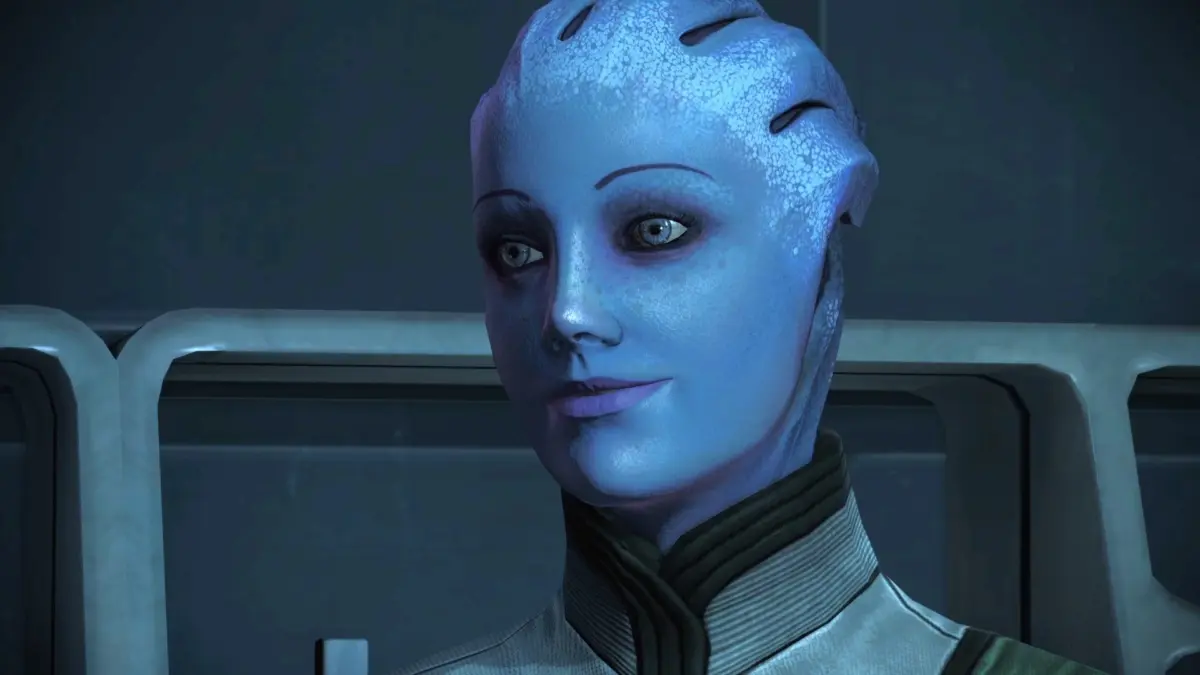
- The Post-Trilogy Era (2018–2021): Following the release of Anthem, BioWare shifted focus back to its single-player roots, teasing a mysterious project tied to the Mass Effect universe with cryptic trailers and concept art that heavily hinted at the return of Liara T’Soni and threads left dangling by the original trilogy.
- The Writing Room Convenes (2021–2026): Acclaimed science fiction and fantasy authors were quietly brought on board to inject fresh literary prestige into the project. Among them were New York Times bestselling author Catherynne M. Valente and award-winning sci-fi writer Derek Künsken, who spent the better part of five years developing the narrative framework, alien cultures, and lore.
- October 21, 2026 – The Announcement: In an open letter detailing corporate shifts, EA dropped the bombshell. Admitting that a small team had been working on early development for the next Mass Effect, the publisher confirmed the termination of the project.
- October 22, 2026 – The Fallout: Creative talent bound by non-disclosure agreements while the studio was operational finally took to social media platforms like X (formerly Twitter) to express their grief, share behind-the-scenes insights, and mourn a project they believed had true masterpiece potential.
Voices from the Writing Room: "We Were Working on a Great Game"
The abrupt cancellation of Mass Effect 5 robbed the gaming community of a project that its creators describe as an intensely collaborative and creatively fulfilling endeavor. With BioWare officially non-existent, the legal floodgates opened, allowing key narrative architects to share their experiences of what was happening inside the studio’s final years.
Catherynne M. Valente spoke candidly after observing online discourse lamenting a modern gaming industry seemingly incapable of crafting a proper sequel to legendary titles. Countering claims that the industry had lost its touch, Valente retorted sharply: "We did figure it out. We were working on a great game. Just saying." Valente also clarified her specific purview, noting that she had steered clear of Dragon Age: The Veilguard, Mass Effect: Andromeda, and Anthem, anchoring her creative footprint purely to the unreleased chapter of the Commander Shepard-adjacent universe.
Derek Künsken echoed these sentiments in an extensive social media thread detailing his five-year, off-and-on tenure contributing to the project. Bound tightly by NDAs until the studio’s dissolution, Künsken expressed hope that he would soon be cleared to share more specifics about his contributions.
"Over the coming weeks, I’ll get more clarity on what I can say about what I did and saw and learned. I hope it’s more than nothing — what we were cooking was really cool," Künsken wrote.
He reserved particular praise for his partnership with Valente, describing their cooperative world-building sessions as “the most energizing, in-the-zone collaboration I’ve ever had” while working on story arcs, character profiles, lore, and pure science fiction wonder.

Supporting Context & Metrics: Financial Pressures and Industry Realities
To understand the sudden closure of a 30-year legacy studio, one must examine the broader financial ecosystem surrounding Electronic Arts. The shuttering of BioWare Edmonton does not happen in a vacuum; it arrives on the heels of monumental corporate restructuring within the upper echelons of the gaming industry.
Earlier in the year, EA finalized an eye-watering $55 billion acquisition deal with a private investment group backed by Saudi Arabia’s Public Investment Fund (PIF), Silver Lake, and Jared Kushner’s Affinity Partners. This historic buy-out saddled the corporate structure with significant restructuring mandates and intense scrutiny regarding operational expenditures and long-term profitability.
Industry analysts point out that AAA single-player RPG development cycles have grown exponentially more expensive and time-consuming, often taking six to eight years per release. With publisher appetite shifting toward guaranteed revenue streams, live-service longevity, and strict risk mitigation, early-stage pre-production projects like Mass Effect 5—despite holding immense prestige value—became primary targets for budget trimming.
Furthermore, former BioWare executive producer Mark Darrah weighed in on the economic aftermath of the closure. While fans immediately began speculating whether EA would sell off treasured intellectual properties like Mass Effect and Dragon Age to external studios rather than letting them languish, Darrah urged caution. However, he acknowledged that a sale is statistically more plausible now than ever before, as EA seeks aggressive avenues to offset the massive debt and financial liabilities incurred by the $55 billion private equity transition.
Official Statements and Corporate Framing
Electronic Arts’ rationale for closing BioWare Edmonton was delivered with clinical corporate efficiency. The official statement read:
"As we focus on these larger opportunities, we’ve had a small team at BioWare working on early-development for Mass Effect. We’ve made the decision not to move forward with this development, which means we’re closing the studio and our Edmonton workspace. BioWare is a legendary studio that helped define the role-playing genre, and we do not take this decision lightly."
The contrast between this detached corporate obituary and the fiery, grief-stricken testimonials of the artists who built BioWare’s worlds highlights a widening chasm between modern executive leadership and creative developers. For a studio that single-handedly shaped the identity of interactive storytelling through masterpieces like the original Mass Effect trilogy, Baldur’s Gate, and Star Wars: Knights of the Old Republic, an era defined by deep character immersion and branching narratives has come to an unceremonious halt.
Future Outlook: What Remains of the BioWare Legacy?
As the dust settles on the Edmonton studio closure, the gaming community is left to contemplate an uncertain horizon for BioWare’s storied universes.
- The Intellectual Properties in Limbo: Whether EA will elect to warehouse Mass Effect and Dragon Age indefinitely or monetize them by selling the rights to third-party developers remains the primary question for industry watchers. While Mark Darrah suggests financial pressures might force EA’s hand toward selling off IPs, no official plans have been announced.
- Transmedia Survival: Not all hope is lost for fans of the galaxy far, far away. Exclusive confirmations indicate that Amazon MGM Studios’ live-action Mass Effect television series for Prime Video remains firmly in active development, entirely unaffected by the closure of the game studio. The adaptation may soon serve as the sole cultural torchbearer for the franchise.
- The Diaspora of Talent: Perhaps the most enduring legacy of BioWare’s closure is its diaspora. The brilliant writers, designers, programmers, and artists who poured their hearts into Mass Effect 5 are now dispersed across the global games industry. While the specific sequel they envisioned will likely never see the light of day, the innovative narrative techniques and collaborative spirit they forged will undoubtedly influence the next generation of role-playing games wherever these creators land next.
Ultimately, the death of BioWare marks the end of a golden age for classic Western RPG development. As fans mourn the loss of Mass Effect 5, the industry is forced to reckon with an increasingly corporate landscape where even 30-year legendary institutions can be erased by a single paragraph in an executive memo.