Executive Overview
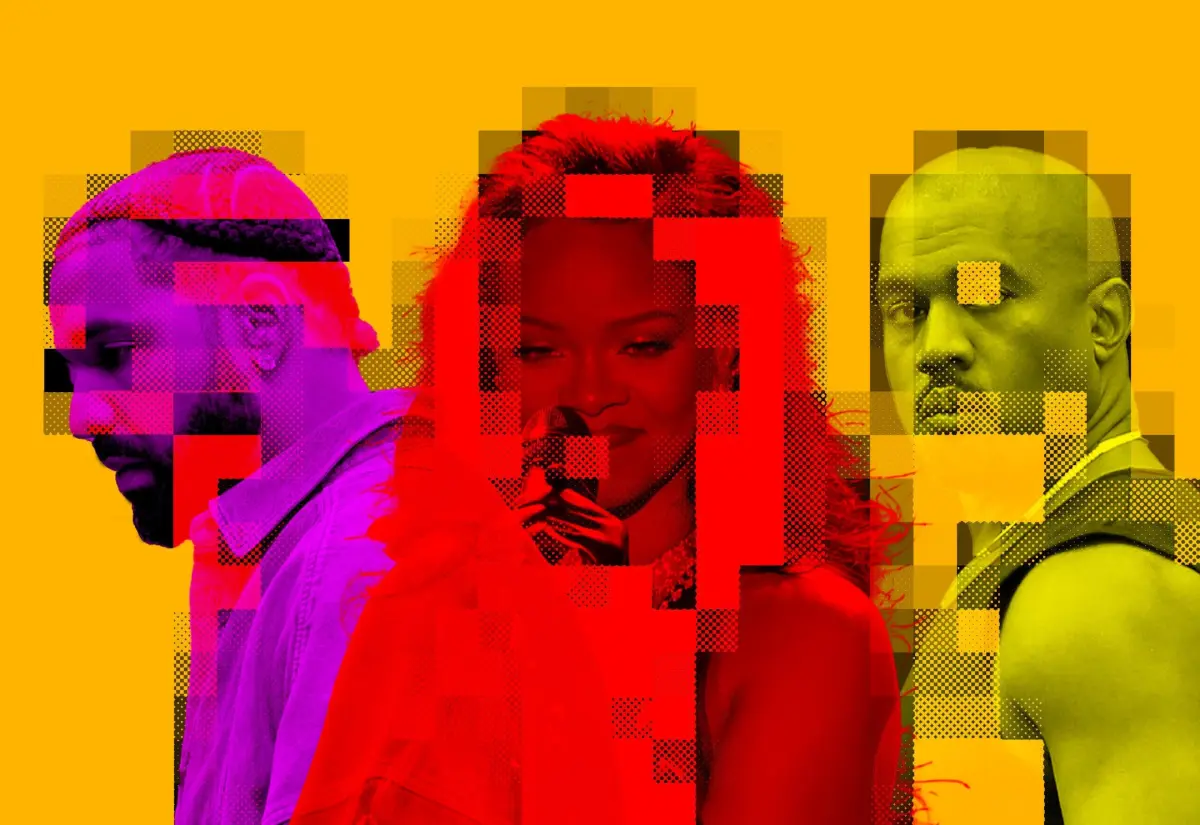
The global music industry is facing an unprecedented existential threat: the rapid, largely unregulated proliferation of generative artificial intelligence (AI) voice-cloning technology. Across social media platforms like TikTok, Instagram, and YouTube, traditional barriers to music production have dissolved. Today, everyday hobbyists, tech-savvy students, and anonymous creators can generate hyper-realistic audio tracks featuring the synthesized voices of some of the world’s most celebrated and commercially successful artists—without their knowledge, consent, or compensation.
From superstar DJ David Guetta dropping an unreleased track featuring an AI-generated Eminem at a live concert, to the viral sensation of “Heart on My Sleeve,” a remarkably cohesive collaboration falsely attributed to Drake and The Weeknd, the audio landscape is shifting beneath our feet. This technological gold rush has sparked a fierce tug-of-war between major record labels, top-tier legal minds, and a burgeoning underground community of digital creators.
While major music conglomerates like Universal Music Group (UMG) sound the alarm—pressuring streaming giants to block content-scraping and viewing AI as a disruptive menace—young creators liken their unauthorized voice models to harmless video game "mods" or literary fan fiction. As the lines between human authenticity and artificial emulation blur, the legal, ethical, and commercial ramifications remain entirely uncharted. This report explores how generative AI voice cloning has disrupted the status quo, the communities driving the phenomenon, the industry’s defensive maneuvers, and the uncertain future facing creators and icons alike.
Detailed Chronology: The Rise of AI-Generated Voice Cloning in Music
The journey from academic AI research to viral, chart-style social media phenomena occurred at breakneck speed. The following timeline outlines the key milestones that brought generative AI voice cloning from the shadows of Discord servers into the mainstream cultural crosshairs.
Late 2022: The Open-Source Explosion
The foundation for the current wave of AI music replication was laid by open-source voice conversion models, most notably So-Vits-SVC (Soft-Voice-To-Voice Singing Voice Conversion). Originally developed by open-source engineering collectives and hosted on platforms like GitHub, the tool allowed users to train custom neural networks on isolated vocal tracks (a cappellas). Once trained on a sufficient dataset of a specific artist’s voice, the model could transform any ordinary singing or rapping input into the distinct vocal timbre, cadence, and inflection of the targeted celebrity.
Early 2023: The Underground Takes the Wheel
By the beginning of 2023, decentralized fan communities on Discord—particularly those dedicated to unreleased or "vault" tracks from artists like Kanye West (Ye) and Drake—began experimenting with these tools. Recognizing they had access to ample archival material, these communities started building and sharing custom voice models.
- The "YeezyBeaver" Experiment: A 22-year-old Oklahoma resident operating under the pseudonym YeezyBeaver utilized a shared Kanye West voice model to place the rapper’s voice over Drake’s track "Jungle." Encouraged by mild viral success on TikTok, YeezyBeaver expanded his repertoire, producing a surprisingly charming, surreal cover of the Plain White T’s hit "Hey There Delilah" performed by an AI-generated Kanye West.
- The Unreleased Vault: College students and hobbyists began cutting up unreleased vocals to train models, passing them around closed networks. One such model was used to create a cover of Ice Spice’s "Munch (Feelin’ U)" performed in the style of Kanye West—a track that notably caught the public approval of Travis Scott via Instagram.
February 2023: High-Profile Live Disruptions
The phenomenon broke out of online echo chambers and into physical spaces. Superstar DJ and producer David Guetta electrified social media by posting a video clip from a live concert performance. In front of thousands of fans, Guetta played an original track incorporating AI-generated Eminem vocals, generated explicitly without the Detroit rapper’s authorization or awareness.
March – April 2023: The Mainstream Floodgates Open
As accessibility to voice-cloning tools trickled down to simpler mobile interfaces, the internet was flooded with bizarre, high-concept, and uncanny crossovers.
- "Savages" by AllttA: French hip-hop act AllttA released "Savages," a track incorporating an AI-generated Jay-Z vocal. Critics noted that the familiar voice added an "ineffably compelling" layer to the music, normalizing the aesthetic appeal of synthetic cameos.
- Anime and Crossovers: 19-year-old University of South Florida student Jered Chavez went viral on Instagram by publishing a surreal music video featuring Drake, Ye, and Kendrick Lamar collectively singing "Fukashigi no Karte," the closing theme from the popular anime series Rascal Does Not Dream of Bunny Girl Senpai.
- The "Munch" Breaking Point: Drake became a vocal opponent of the trend after an anonymous user posted an AI-generated track of him rapping Ice Spice’s "Munch (Feelin’ U)." Responding directly via Instagram, a frustrated Drake declared the creation "the final straw."
- "Heart on My Sleeve": The debate reached fever pitch with the sudden viral explosion of "Heart on My Sleeve," an impeccably produced track featuring AI-generated simulations of Drake and The Weeknd. Speculated by industry insiders to be a calculated marketing ploy by an artificial intelligence startup, the song spread rapidly across TikTok and Spotify before copyright holders forced its removal.
Supporting Context & Metrics: The Scale of the Phenomenon
To understand why the music industry is reacting with such defensive urgency, one must examine the staggering metrics and cultural footprint of the AI audio movement.
- 2 Million Views and Counting: On TikTok, the hashtag
#SoVitsSVCand its associated tags have accumulated well over 2 million views, serving as a decentralized tutorial hub where novices learn to slice audio files, train neural networks, and synthesize celebrity vocals within hours. - The Democratization of Parody vs. Mass Infringement: While some creators like Jered Chavez use comedy and self-aware absurdity to insulate themselves from backlash, others are building automated channels designed to mimic exact commercial releases. This has created a massive grey market of faux cover songs, unreleased collaborations, and unauthorized posthumous tracks.
- The Global Reach: Voice models are no longer restricted to Western hip-hop and pop stars. Similar tools are being adapted for regional genres across Latin America, Asia, and Europe, making copyright enforcement a logistical nightmare across international jurisdictions.
- The Threat of Reanimation: Perhaps the most ethically complex dimension of the trend is the synthesis of deceased icons. Projects like BohemianRhapsod.ai—which allows users to conduct a virtual choir of 16 AI-generated Freddie Mercury vocal simulations performing Queen’s masterwork—highlight a troubling frontier: the monetization and manipulation of artists who can no longer grant or withhold consent.
Official Statements and Industry Reactions
The polarization between grassroots creators and institutional power players highlights a fundamental philosophical divide over ownership, creativity, and the definition of art in the digital age.
The Major Labels Strike Back
Universal Music Group (UMG), which represents industry heavyweights including Drake and Rihanna, initiated aggressive defensive measures. Recognizing that generative AI models are trained by scraping vast libraries of copyrighted audio data, UMG reached out directly to major streaming services—including Spotify and Apple Music—demanding that they block AI developers from scraping copyrighted catalogs.
This corporate pushback follows stark warnings from financial analysts. A prominent report from BNP Paribas Exane labeled generative AI music as an "existential threat" to the traditional business models of major record labels, questioning how copyright royalties, performance rights, and master ownership can survive in a world of infinitely reproducible vocal likenesses.
The Creator Perspective: Modding and Fan Fiction
To the individuals crafting these tracks, the institutional panic feels out of touch with internet culture. Speaking anonymously, creators like pieawsome draw a direct parallel between AI voice generation and longstanding internet traditions.
"I think of what we do as the equivalent of modding a video game or producing fan fiction based on a popular book," pieawsome explained. "It’s our version of that. That may be a good thing. It may be a bad thing. I don’t know. But it’s kind of an inevitable thing that was going to happen."
Similarly, Jered Chavez acknowledges the ethical tightrope while defending the medium’s creative potential:
"With this area of AI, there’s a lot of controversy and ethical concerns. Obviously, people that make this music and use this AI are taking someone’s likeness and, most of the time without permission, creating something that’s essentially putting words in people’s mouths. The responsibility lies in the judgment of the people that are making it. I try to use my best judgment. This is kind of new territory for everyone."
The Legal Vacuum
Despite the high stakes, legal experts are currently paralyzed by the novelty of the technology. Jonathan Bailey, former chief technology officer of music tech company Soundwide, offers a harsh critique of the practice:
"I think you can make a persuasive argument that using AI to reanimate Jay-Z’s voice to have him rap or sing something he never created is kind of a form of identity theft."
However, translating philosophical outrage into actionable litigation remains difficult. Donald Passman, an esteemed entertainment attorney at Gang, Tyre, Ramer, Brown & Passman, Inc., who has represented legendary artists like Adele and Taylor Swift, declined to comment extensively on AI imitation cases. He cited the necessity of preserving judicial neutrality for future courtroom battles, bluntly summarizing the current state of jurisprudence: "It’s way too new."
Future Outlook: Navigating the Uncharted Audio Frontier
As record labels resort to sweeping copyright takedowns across YouTube and SoundCloud, and as streaming platforms experiment with algorithmic content filters, the genie cannot be put back into the bottle. The foundational source code and training weights for voice conversion models are already distributed widely across peer-to-peer networks and open-source repositories.
Moving forward, the industry is likely to split into three distinct trajectories:
- Aggressive Litigation and Legislation: Major labels will likely pursue landmark lawsuits against creators and platform operators, testing the boundaries of the Right of Publicity, copyright infringement, and unfair competition laws. Governments may soon introduce federal or international frameworks specifically criminalizing unauthorized voice replication for commercial or deceptive purposes.
- Authorized AI Collaboration: Recognizing that prohibition rarely succeeds against technological momentum, forward-thinking artists may begin officially licensing their vocal models. Imagine a future where fans can purchase official, royalty-yielding voice packs of their favorite singers to create authorized custom remixes within safe, walled-garden ecosystems.
- Watermarking and Content Authentication: Tech companies and streaming platforms will be forced to invest heavily in cryptographic audio watermarking and AI-detection algorithms. These tools will automatically flag, deprioritize, or strip unverified synthetic audio from distribution pipelines before it can achieve viral scale.
Ultimately, the rise of generative AI music forces a philosophical confrontation with what we value in art. While algorithms can flawlessly mimic the raspy cadence of Drake or the soaring vibrato of Freddie Mercury, they cannot replicate the lived human experience that breathes soul into a performance. Yet, as millions of listeners gleefully stream these synthetic creations, the music industry is learning a hard truth: in the digital age, audience engagement often trumps authenticity—and the rules of the game are being rewritten in real time.