Executive Overview
The landscape of science fiction cinema is littered with the bones of failed adaptations, but few recent misfires match the baffling infamy of the 2025 "screenlife" adaptation of The War of the Worlds. Widely panned by critics and audiences alike as a frontrunner for the worst cinematic offering of the 21st century, the production suffered from a compounding series of bizarre creative decisions—culminating in a bizarre final-act metamorphosis into what essentially functioned as an advertisement for Amazon drone delivery.
This modern catastrophe has cast a long, cynical shadow over H.G. Wells’ foundational 1898 novel, temporarily souring the cinematic landscape on new interpretations of the iconic alien-invasion text. However, rather than letting the contemporary corporate misstep define the century-plus-old franchise, cinephiles and horror fans have a timely opportunity to cleanse their cinematic palettes.
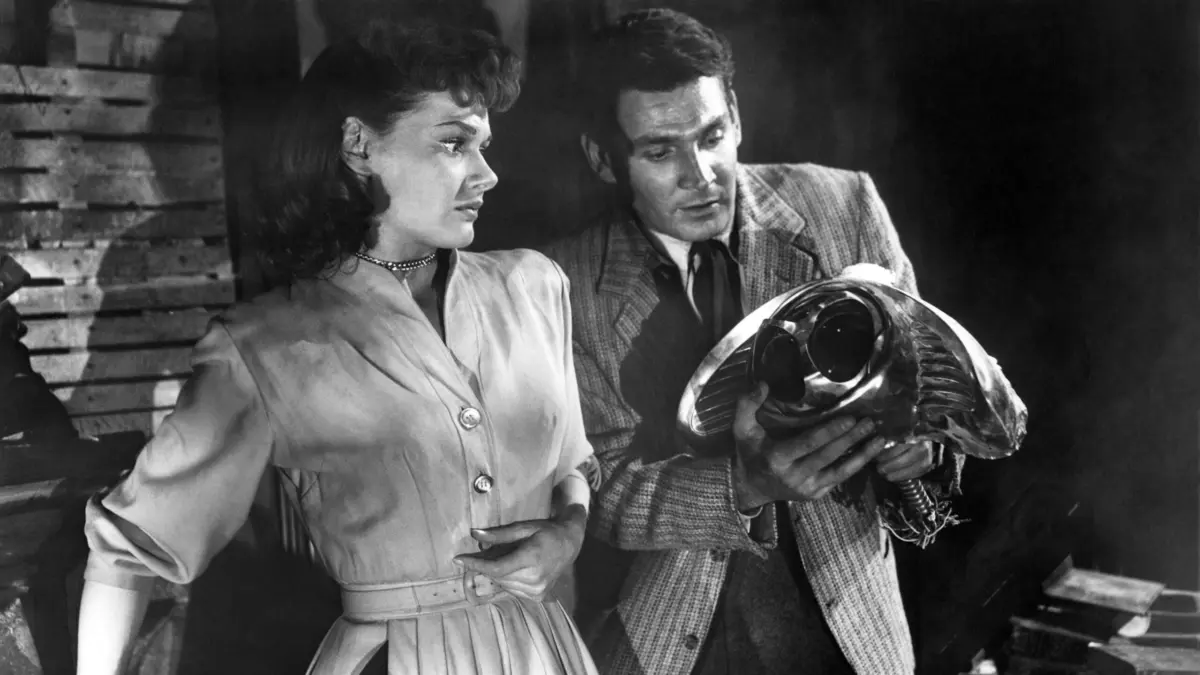
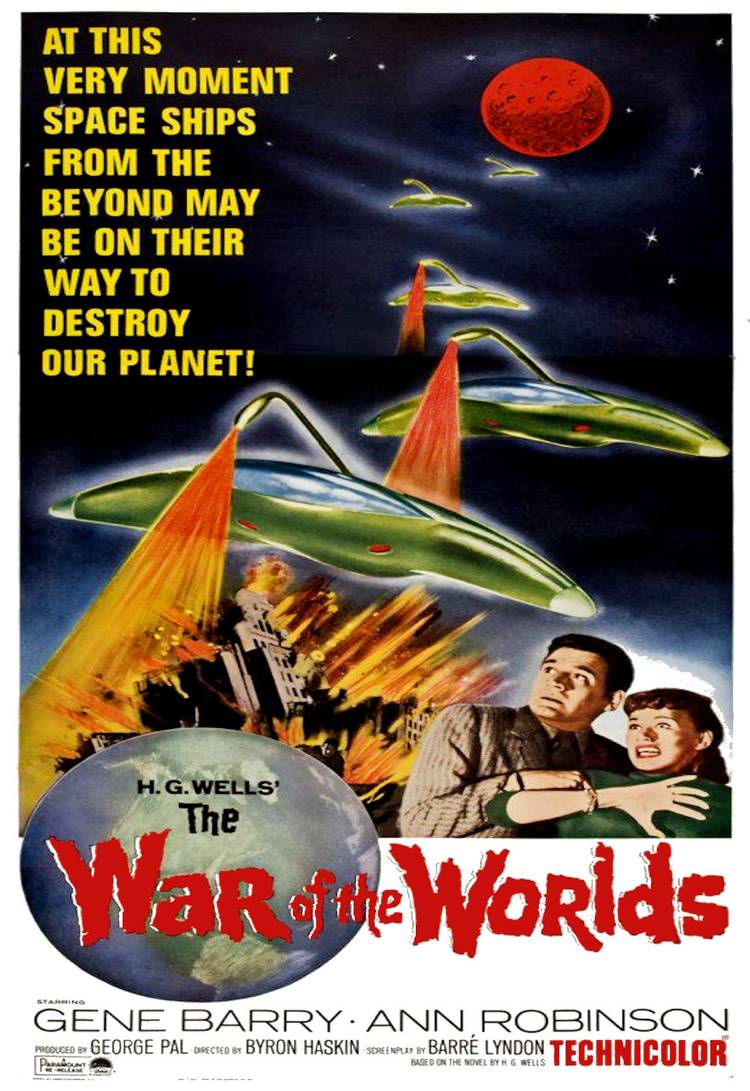
As the spooky season brings a renewed appetite for classic speculative fiction, the definitive foundational cinematic adaptation—Byron Haskin’s 1953 masterpiece—has made its way to YouTube, where it is currently streaming for free. Complete with vintage practical effects that once revolutionized the genre and an unmistakable Cold War dread, the 1953 film remains an essential touchstone for understanding how extraterrestrial terror was translated onto the silver screen long before the era of digital saturation.
Detailed Chronology: A Century of World-Ending Threats
To truly appreciate the cultural weight of Haskin’s 1953 film—and to understand just how far astray modern adaptations can wander—it is vital to trace the historical timeline of The War of the Worlds across media and generations.
1898: The Literary Blueprint
Written by H.G. Wells at the tail end of the Victorian era, the original novel introduced readers to the terrifying concept of an unprovoked, utterly emotionless Martian onslaught. Wells did not frame the invasion as a traditional military conflict between honorable combatants; rather, he depicted humanity as helpless insects being cleared away by "intellects vast and cool and unsympathetic." This bleak, cosmic realization fundamentally altered speculative fiction, establishing tropes of advanced alien technology, heat rays, and planetary vulnerability that persist to this day.
1938: The Orson Welles Radio Panic
Forty years after the novel’s publication, the property achieved unprecedented cultural infamy through Orson Welles’ CBS radio broadcast. Presented as a series of fake live news bulletins reporting a Martian landing in Grover’s Mill, New Jersey, the broadcast famously triggered widespread public panic. Listeners who tuned in late missed the introductory disclaimers, confusing the simulated emergency reports for actual journalistic coverage. The event cemented The War of the Worlds as a powerful cultural phenomenon capable of bridging the gap between fiction and reality.
1953: The Paramount Pictures Milestone
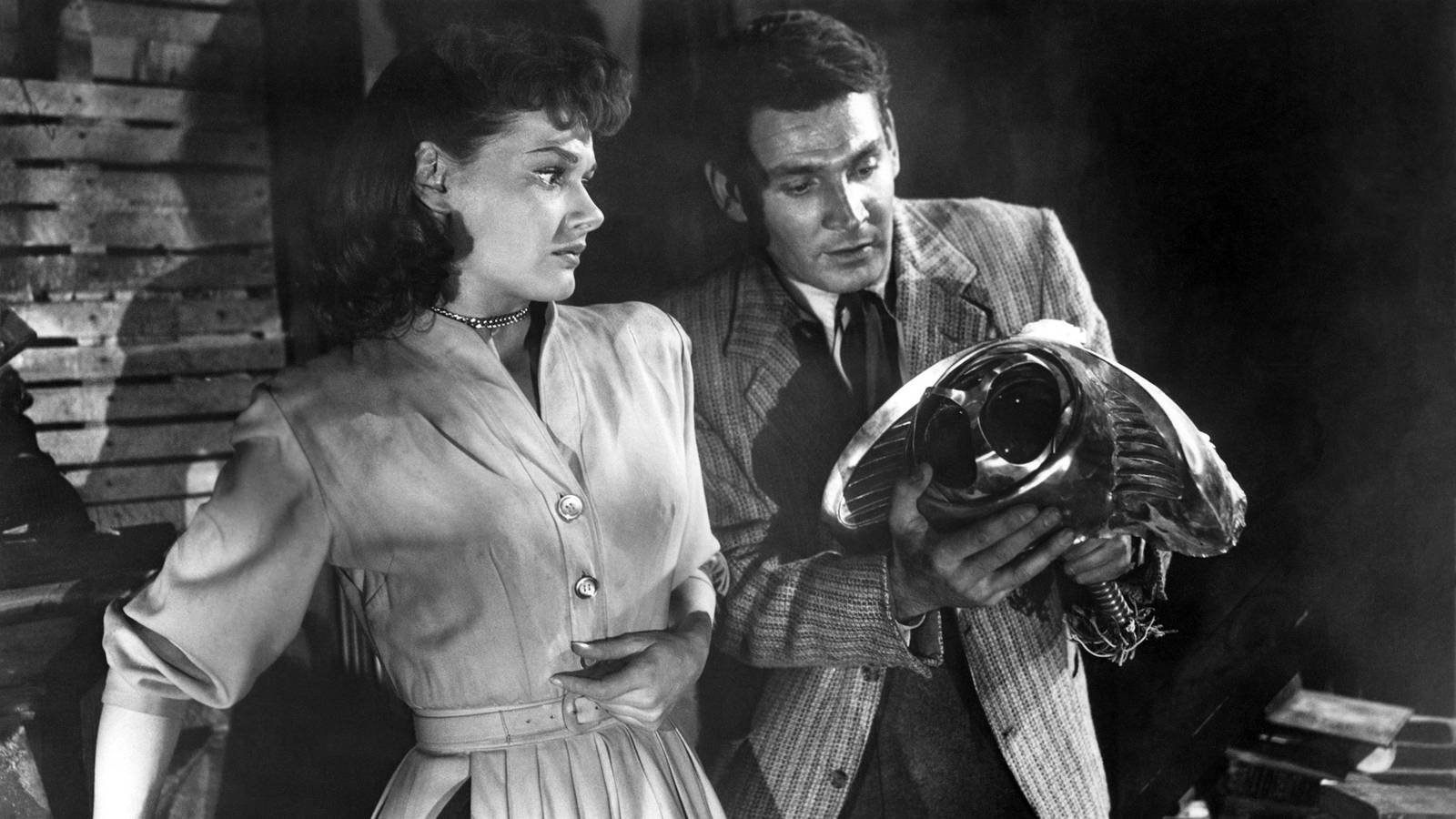
As the Cold War escalated and public anxieties shifted toward atomic destruction, Paramount Pictures brought Wells’ vision to the screen for the very first time. Directed by Byron Haskin, produced by George Pal, and written by Barré Lyndon, this adaptation relocated the action from 1890s England to 1950s Southern California. Starring Gene Barry as physicist Dr. Clayton Forrester and Ann Robinson as Sylvia Van Buren, the film traded Victorian prose for a brisk, 85-minute disaster thriller that captured the apocalyptic anxieties of the mid-20th century.
2005: Spielberg’s Blockbuster Reinterpretation
Decades later, Steven Spielberg returned to the source material with a massive budget and Tom Cruise in the lead role. Infusing the narrative with post-9/11 anxieties, visual grit, and sweeping destruction, Spielberg’s version leaned heavily into visceral survival horror, featuring towering tripods emerging from beneath the earth to vaporize panic-stricken populations.
2025–2026: The Screenlife Misstep and Current Streaming Resurgence
The most recent chapter in this storied franchise brought disaster of an entirely different sort. The 2025 "screenlife" adaptation—utilizing computer screens, webcams, and digital interfaces to tell its story—was universally lambasted. Its jarring pivot into corporate product placement for Amazon’s delivery systems turned a legendary sci-fi premise into an internet punchline. Fortunately, the cultural counterweight has arrived: the 1953 classic has resurfaced on YouTube as a free-to-watch stream, offering audiences a chance to reconnect with the roots of cinematic sci-fi horror.
Supporting Context & Metrics: Re-evaluating the 1953 Classic
While modern audiences accustomed to hyper-realistic computer-generated imagery might initially view 1950s cinema with skepticism, Byron Haskin’s The War of the Worlds was a monumental technical achievement for its time.

| Metric / Feature | 1953 Original Adaptation | Modern Context (2025/2026) |
|---|---|---|
| Medium | 35mm Technicolor Film | Digital Streaming / YouTube (Free) |
| Academy Recognition | Winner of Academy Award for Best Visual Effects | Subject of critical reassessment & internet derision |
| Runtime | 85 Minutes | Fast-paced, condensed disaster narrative |
| Primary Theme | Cold War paranoia, helplessness against superior tech | Corporate satire / accidental self-parody (2025 film) |
| Core Effect Technique | Miniature models, wire-removal, innovative sound design | Screenlife webcams and digital rendering |
Breaking Down the 1953 Experience
For those diving into the free YouTube stream, meeting the film halfway is essential. The special effects—groundbreaking enough in 1953 to earn an Academy Award—feature distinct optical composites and copper-wire-supported Martian "swan" machines. While these elements may appear quaint against modern standards, their raw atmosphere remains intact.
The depiction of the Martian heat rays turning human beings into instant, man-shaped piles of ash carries a chilling simplicity. There are no dramatic dialogue exchanges or last-minute diplomatic breakthroughs with the invaders. The Martians operate with absolute coldness, treating Earth’s military defenses like weeds to be cleared from a garden. When the U.S. Army unleashes its heaviest artillery against the creeping cylinders, only to witness their forces instantly atomized, the film captures a sense of total, helpless dread that rivals modern cosmic horror.
Official Statements and Industry Perspectives
Film historians and critics have long debated the socio-political undercurrents of the 1953 picture, noting how deeply it reflected the atomic anxieties of the Eisenhower era.
"The 1953 War of the Worlds is not merely a monster movie; it is an existential interrogation of human hubris. By stripping away the possibility of negotiation, Haskin and producer George Pal captured the exact flavor of mid-century nuclear terror—where civilization could be extinguished in an instant by forces entirely beyond our comprehension."
— Retrospective Cinema Analysis, 2026
Conversely, industry commentators have been unrelenting regarding the recent 2025 misfire, noting the psychological barrier it has created for future filmmakers hoping to tackle Wells’ novel.
"When a franchise’s latest entry reduces an existential planetary invasion into an infomercial for logistics delivery, it does more than fail at the box office—it poisons the well. It forces audiences and studios to look backward to find dignity in the IP rather than forward."
— Media & Culture Critic Notes
This sentiment explains why rediscovering the 1953 iteration has become a vital corrective ritual for genre fans. By returning to the foundational era of cinematic sci-fi, viewers can bypass contemporary commercial fatigue and appreciate the craftsmanship that established the genre’s golden standards.
Future Outlook: Can the Franchise Recover?
As the dust settles on the cinematic disaster of the mid-2020s, the future of The War of the Worlds remains uncertain. Major studios are likely to exercise extreme caution before greenlighting another high-profile adaptation, mindful of the internet backlash and meme-worthy status achieved by the 2025 iteration.
Yet, H.G. Wells’ core narrative has proven remarkably resilient over the past 128 years. From Victorian print to radio terror, from 1950s Technicolor blockbusters to Spielberg’s modern epics, the story of humanity facing an indifferent, superior cosmic force is timeless.
Until Hollywood gathers the courage to wipe the slate clean and approach the material with the reverence it deserves, the 1953 adaptation stands ready as the definitive cinematic benchmark. Its availability for free streaming on YouTube ensures that new generations of horror and sci-fi enthusiasts can witness how it was done right the first time—reminding us all that sometimes, the most terrifying monsters are those whose motivations we cannot even begin to fathom.