Executive Overview
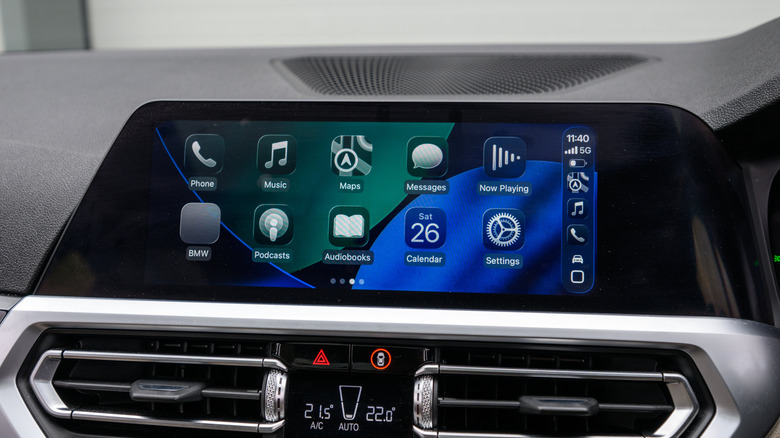
For millions of drivers worldwide, Apple CarPlay has revolutionized the in-car infotainment experience, offering a seamless, iOS-native interface for navigation, streaming audio, and hands-free communication directly on the dashboard. However, a persistent friction point remains: the tether. While wired CarPlay provides a reliable connection and simultaneous battery charging, it forces drivers to physically plug in their iPhones every time they enter the vehicle. This minor inconvenience disrupts modern expectations of frictionless, ambient device connectivity.
For owners of vehicles equipped exclusively with wired CarPlay, the traditional remedy was expensive—either purchasing a brand-new automobile or undergoing a costly aftermarket infotainment system overhaul. Today, however, a thriving market of plug-and-play wireless adapters offers an elegant, cost-effective workaround. Ranging typically between $30 and $100, these compact hardware dongles bridge the gap by translating wired USB CarPlay protocols into wireless Wi-Fi and Bluetooth signals.
Yet, not all adapters are created equal. The market is saturated with varying quality, ranging from laggy, unreliable budget clones to high-performance units featuring rapid boot times and robust firmware support. Selecting the right wireless CarPlay adapter requires a nuanced understanding of automotive electrical architecture, smartphone operating systems, and wireless networking standards. This comprehensive guide explores everything consumers need to know before making a purchase, detailing vehicle compatibility checks, essential hardware specifications, performance benchmarks, and what to expect from the future of in-car connectivity.
Detailed Chronology: The Evolution of In-Car Smartphone Integration
To fully understand why wireless adapters are experiencing a massive surge in popularity, it is necessary to examine how vehicle manufacturers and Apple have managed smartphone integration over the past decade.
2014–2016: The Wired Era Begins
When Apple officially introduced CarPlay at the Geneva Motor Show in March 2014, the technological landscape of automotive head units was vastly different. Automotive-grade Wi-Fi chips were expensive, power-hungry, and thermally unstable in fluctuating cabin temperatures. Furthermore, high-bandwidth streaming of map data, real-time traffic, and lossless audio over wireless protocols was prone to severe packet loss and latency issues. Consequently, Apple and automotive manufacturers relied exclusively on a physical USB connection. This wired-first approach guaranteed zero-latency audio, continuous device charging, and a stable data pipe.
2017–2019: The Advent of Wireless CarPlay
As automotive computing power grew and Wi-Fi standards matured, Apple introduced Wireless CarPlay in late 2015 alongside select aftermarket head units from Alpine and Pioneer. By 2018, premium automakers began adopting factory-installed wireless capabilities. However, this feature was heavily gated, restricted almost entirely to luxury marques (such as BMW, Audi, and Mercedes-Benz) and high-trim vehicle packages. Millions of consumers who purchased economy, mid-tier, or fleet vehicles between 2016 and 2020 were left stranded with wired-only systems, despite owning iPhones fully capable of wireless pairing.
2020–2022: The Rise of the Aftermarket Bridge
Recognizing a massive untapped market, hardware manufacturers in East Asia began developing USB dongles designed to reverse-engineer and exploit the wired CarPlay protocol. The earliest iterations of these adapters hit online retailers around 2020. Early generation devices were plagued by significant performance bugs: sluggish connection times (often taking 30 to 45 seconds to initialize), audio stuttering, dropped connections, and complete incompatibilities with major iOS updates.
2023–Present: Maturation and Mainstream Adoption
Today, the wireless adapter market has matured significantly. Brands like Ottocast, Carlinkit, and Amzfeel have refined their hardware and firmware. Modern adapters utilize dual-band 2.4GHz/5GHz Wi-Fi and Bluetooth 5.0+, bringing connection speeds down to mere seconds. Furthermore, manufacturers have begun implementing over-the-air (OTA) update capabilities, allowing adapters to adapt to annual iOS releases. Despite these advancements, consumers must navigate a crowded marketplace filled with legacy stock, counterfeit chips, and widely varying build qualities.
Supporting Context & Metrics: Decoding Hardware and Compatibility
Before purchasing a wireless CarPlay adapter, consumers must conduct a thorough audit of their vehicle’s infotainment system, port architecture, and smartphone software environment.
1. Verifying Native Wired CarPlay Support
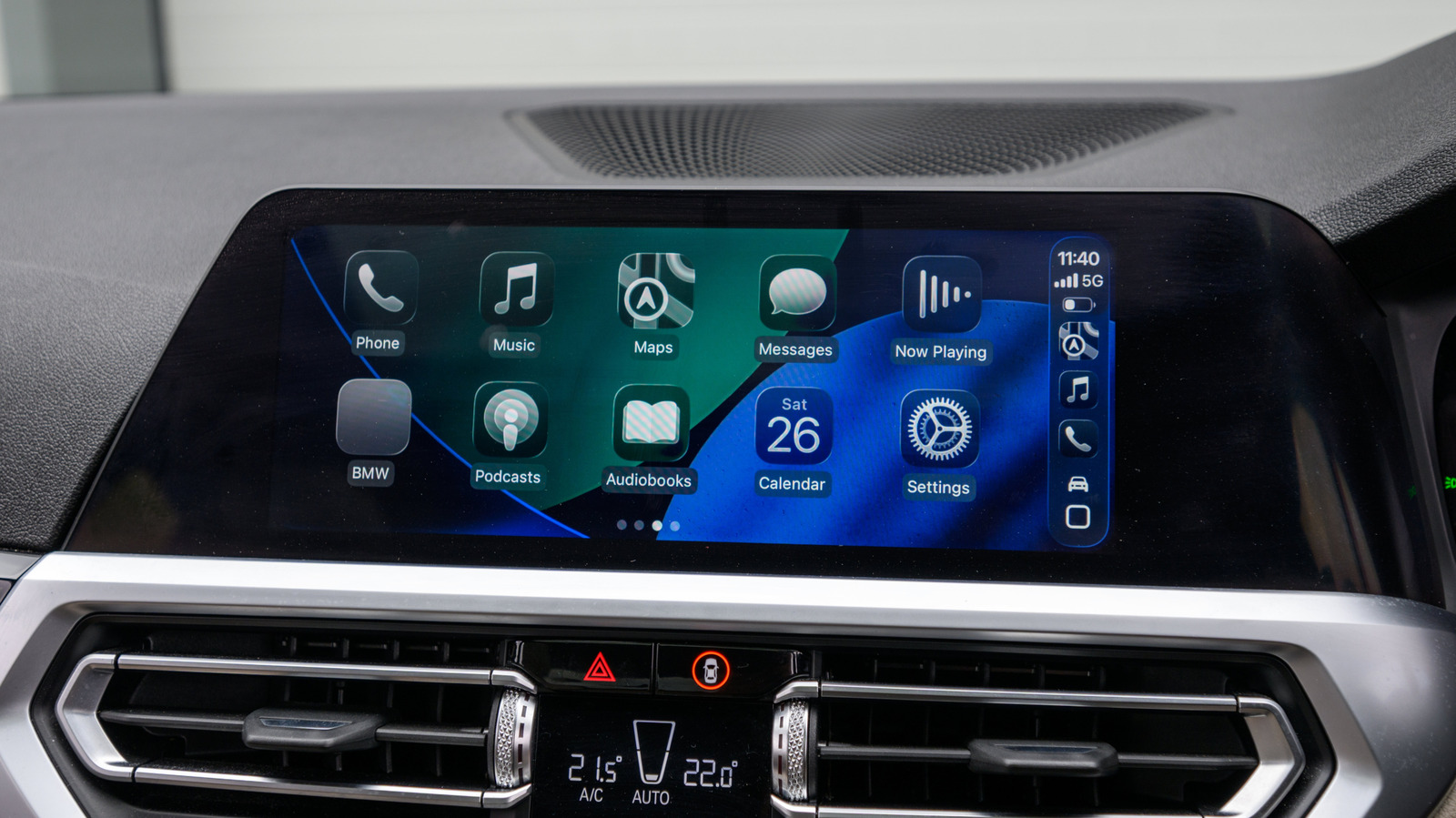
The single most critical prerequisite for using a wireless adapter is that your car must already support wired CarPlay via USB. Wireless adapters do not add CarPlay capability to a "dumb" or non-compatible factory radio. Instead, they act as a translation layer. When plugged into the vehicle’s USB data port, the adapter tricks the car’s head unit into believing an iPhone is physically connected via cable, while simultaneously establishing a private Wi-Fi and Bluetooth handshake with the user’s actual iPhone in their pocket or bag.
If a vehicle lacks factory CarPlay entirely, a USB adapter is useless; the owner must either replace the head unit or invest in a standalone portable CarPlay touchscreen display that mounts to the dashboard or windshield.
2. Physical Port Compatibility (USB-A vs. USB-C)
Automotive cabin design is undergoing a rapid transition. Older vehicles exclusively feature USB-A ports, while modern models increasingly incorporate USB-C ports.
- Direct Matching: Buyers should visually inspect their car’s media port before ordering. Buying an adapter with a matching physical interface prevents the unsightly and awkward addition of dongle-on-dongle stacking (e.g., using a USB-C to USB-A adapter).
- Power Delivery: Modern adapters require stable electrical current. Faulty or underpowered USB hubs can cause random reboots during long drives.
3. Essential Wireless Specifications
Performance varies drastically based on the underlying networking hardware housed inside the adapter’s plastic shell:
- Wi-Fi Standards: Avoid adapters that rely exclusively on 2.4GHz Wi-Fi bands. The 2.4GHz spectrum is heavily congested with vehicle Bluetooth signals, tire pressure monitoring systems, and external urban interference, leading to audio lag and map stutter. Look for adapters supporting 5GHz Wi-Fi for lightning-fast data transfer rates and uncompressed audio streaming.
- Bluetooth Version: Minimum standard should be Bluetooth 5.0. Newer Bluetooth iterations ensure instant device discovery and lower energy consumption during the initial pairing handshake.
- Auto-Reconnect Capabilities: Premium adapters feature intelligent background polling. Once the vehicle’s ignition is turned on, the adapter boots up and automatically pairs with the user’s iPhone within 5 to 10 seconds, eliminating manual menu diving.
4. Software Compatibility and Update Pathways
Apple releases major iOS updates annually, frequently altering background security protocols, Bluetooth pairing behaviors, and AirPlay/CarPlay handoff routines. Cheap, un-upgradable adapters frequently brick or lose connection stability when a user updates their iPhone to a new iOS version. Consumers should prioritize brands that offer explicit firmware update pathways via web browsers or dedicated smartphone apps.
Comparative Metrics: Wired vs. Wireless vs. Adapter-Enabled CarPlay
| Feature / Metric | Native Wired CarPlay | Native Factory Wireless CarPlay | Aftermarket Adapter (Budget) | Aftermarket Adapter (Premium) |
|---|---|---|---|---|
| Initial Connection Speed | Instant (< 2 seconds) | Fast (5–8 seconds) | Slow (20–45 seconds) | Fast (5–10 seconds) |
| Audio Latency | Zero | Negligible (< 50ms) | Noticeable lag in calls | Minimal (< 100ms) |
| Phone Battery Impact | Charges phone | Depletes battery | Depletes battery | Depletes battery (often includes passthrough USB) |
| Cost | Included in car | Luxury package add-on | $30 – $45 | $60 – $100+ |
| Firmware Updatability | Dependent on car dealer | Dependent on car dealer | Rare / None | Frequent via OTA/Web |
| Multi-Driver Support | Based on USB plug | Seamless profile switching | Difficult / Manual reset | Multi-device memory |
Official Statements and Industry Insights
Industry analysts and automotive accessory manufacturers emphasize that while wireless adapters provide incredible convenience, they introduce unique engineering challenges regarding thermal management and power stability.
In a whitepaper discussing aftermarket in-car connectivity solutions, automotive electronics engineer Marcus Vance noted:
"Transforming a wired protocol into a wireless stream on a restricted hardware footprint is deceptively complex. The automobile cabin is a hostile environment for consumer electronics. Cabin temperatures can exceed 130°F (55°C) in summer months. Cheap adapters utilize inferior chipsets that throttle under thermal stress, resulting in dropped frames, audio desynchronization, and random reboots right in the middle of active GPS navigation."
Furthermore, consumer advocacy groups and tech reviewers consistently stress the importance of purchasing from established brands rather than unvetted marketplace listings. Major accessory makers like Ottocast and Carlinkit invest heavily in reverse-engineering proprietary automotive head-unit operating systems (such as QNX and Linux-based automotive variants used by Toyota, Ford, and Honda), ensuring broader compatibility across hundreds of distinct vehicle models.
Future Outlook: The Trajectory of In-Car Infotainment
Looking ahead, the market for wireless CarPlay adapters occupies a fascinating transitional window.
The Slow Creep of Factory Wireless
As automakers phase out older inventory, factory-installed wireless CarPlay is rapidly trickling down from luxury trims to standard equipment packages in economy vehicles. Within the next five to seven years, virtually every new car rolling off assembly lines will feature native wireless smartphone mirroring. Consequently, the addressable market for plug-and-play conversion adapters will eventually peak and begin a slow decline.
The Rise of Next-Generation Infotainment (Android Automotive OS)
Simultaneously, major automakers—led by General Motors, Volvo, Polestar, and Renault—are increasingly abandoning proprietary software in favor of Android Automotive OS (AAOS) running natively on the hardware head unit. While AAOS supports smartphone projection, the long-term automotive software landscape is shifting toward deeply integrated, app-native dashboard experiences (such as native Google Maps and Spotify apps built directly into the car).
However, Apple’s next-generation "CarPlay Ultra" (announced to take over all screens in the vehicle, including digital instrument clusters) promises to keep Apple firmly anchored in the automotive space. Until these next-generation systems become universal, hundreds of millions of vehicles currently on the road will continue to rely on legacy wired CarPlay head units.
What This Means for Consumers Today
For the foreseeable future, aftermarket wireless adapters remain one of the highest-return, lowest-cost quality-of-life upgrades available to modern drivers. By bypassing the physical cable constraint without requiring expensive dashboard surgery, these compact adapters successfully extend the technological lifespan of existing vehicles.
Consumers shopping in this space should avoid impulse-buying the cheapest unbranded dongle on e-commerce platforms. Instead, by carefully verifying vehicle port types, demanding 5GHz Wi-Fi support, ensuring firmware updatability, and investing in reputable brands ranging from $40 to $80, drivers can enjoy the absolute freedom of wireless CarPlay—transforming their daily commute into a truly cord-free experience.