Executive Overview
Over the past few years, a quiet revolution has swept across social media feeds and weekend itineraries alike. Snow-capped mountain peaks, vibrant alpine meadows, heavy cowbells chiming in the crisp morning air, and rustic wooden cabins have dominated digital landscapes with an unyielding grip. Suddenly, it feels as though everyone—from seasoned outdoor enthusiasts to your best friend’s couch-potato dog—has transformed overnight into a hardened alpine mountaineer. These weekend warriors scale dizzying heights clad in high-tech Gore-Tex gear, pausing only to catch their breath and sip traditional herbal sodas at breathtaking altitudes.
Yet, this sudden mass migration to the great outdoors raises a pressing sociological question: When did everyone acquire the calves for this, and more importantly, why are we all running to the hills?
The contemporary obsession with hiking is far more than a fleeting aesthetic trend; it represents a profound cultural realignment. As urban environments grow denser, more digitalized, and increasingly stressful, the natural world offers a desperately needed counterweight. Hiking has democratized adventure. Requiring little more than a pair of sturdy shoes and an open schedule, it invites participants of all backgrounds to trade blue-light screens for forest canopies.
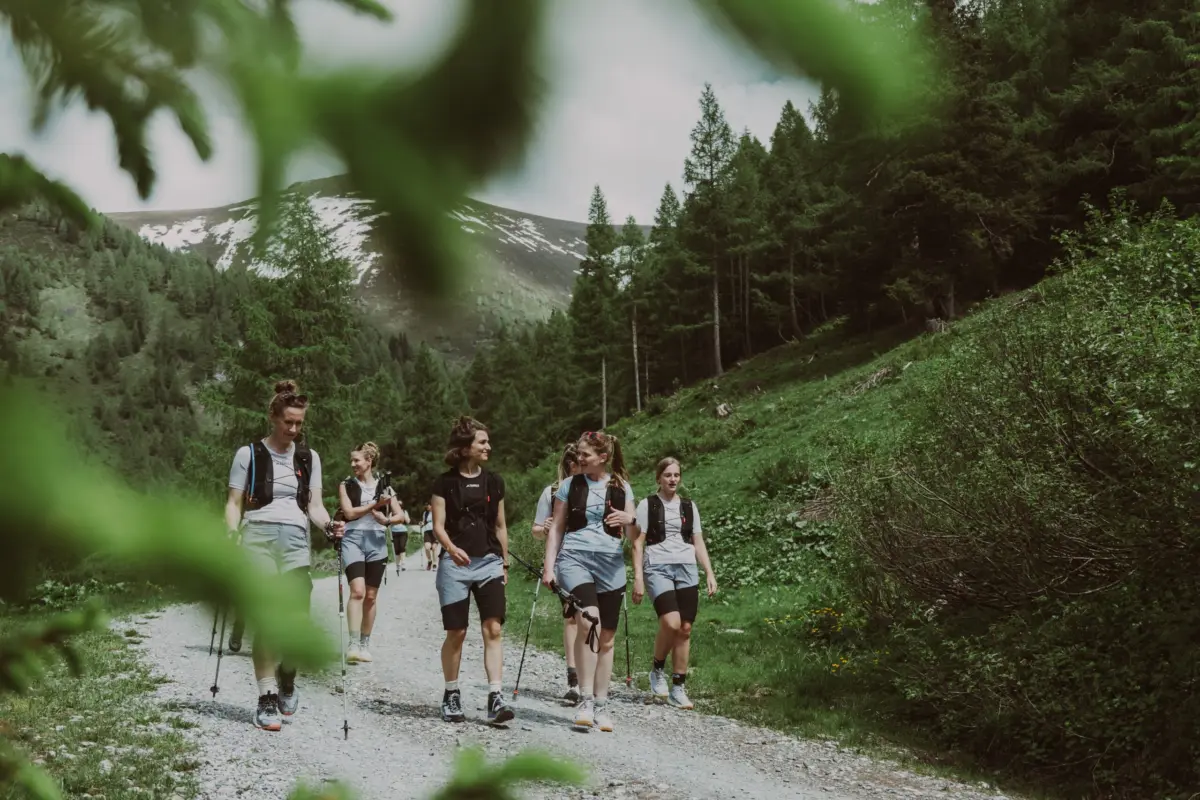
Recognizing this cultural shift, brands and lifestyle visionaries have begun to harness the movement’s transformative potential. A prime example is the partnership between modern lifestyle platforms and outdoor giants like adidas TERREX, which conceptualized immersive experiences like the “Design Your Life” Hiking Days in Germany’s rugged Elbe Sandstone Mountains. These initiatives underscore a vital truth: hiking is no longer just a physical pastime. It is a powerful catalyst for personal growth, mental clarity, and intentional living.
Detailed Chronology: The Evolution of the Modern Hiking Boom
To understand how hiking captured the collective consciousness of a generation, we must examine the trajectory that brought us to this high-altitude obsession.
Phase 1: The Digital Disconnect and Micro-Adventures (2020–2021)
During periods of global confinement and digital fatigue, people sought safe, socially distanced ways to reclaim their freedom. International travel gave way to local exploration. City dwellers began scouring maps for hidden trails, local forests, and overlooked nature reserves just beyond their city limits. This era gave birth to the "micro-adventure"—a short, accessible trip that required minimal planning yet delivered maximum psychological reward.
Phase 2: Aestheticizing the Alpine Lifestyle (2022–2023)
As restrictions lifted, the digital footprint of these outdoor excursions exploded. Social media algorithms were flooded with cinematic drone shots of misty valleys, high-contrast gear flat-lays, and sunlit summit selfies. Hiking transitioned from a purely utilitarian pursuit into a lifestyle identity. Brands responded by bridging the gap between high-performance outdoor wear and contemporary streetwear, making technical gear a staple of urban fashion.
Phase 3: The Holistic Integration (2024–Present)
Today, hiking has evolved past the phase of superficial trend-chasing. It is now widely recognized as a holistic wellness practice. No longer confined to summer vacations, hitting the trails has become a regular ritual for mental decompression, relationship-building, and personal empowerment. The movement culminated in curated, immersive programs—such as specialized women’s outdoor workshops—that blend physical endurance training with life coaching, helping participants translate lessons from the trail into their everyday lives.
Supporting Context & Metrics: The Anatomy of a Movement
Why do we fall in love with hiking? The reasons are as diverse as the ecosystems we traverse.
1. Physical Accessibility Meets High Reward
Unlike specialized sports that demand expensive club memberships, rigid schedules, or complex technical training, hiking is remarkably egalitarian. Barring extreme mountaineering, the foundational requirement is simple: two functional legs and a willingness to move. In most cases, accessing nature costs nothing. Whether you are a total beginner tackling a gentle valley loop or a seasoned trekker seeking multi-day alpine routes, the threshold for entry is remarkably low.
2. The Psychology of the Ascent
From a physiological standpoint, hiking is a phenomenal full-body workout. It builds cardiovascular endurance, strengthens the core, and delivers an exceptional glute workout. But the mental benefits are arguably even more potent.
When climbing a steep incline, distractions melt away. There are no heavy weight benches or gym mirrors to hide behind—just the raw resistance of gravity, the rhythmic crunch of gravel underfoot, and the sound of your own breathing. As the air thins and the lungs burn, the body performs an immense act of will. This physical exertion strips away the mental clutter of modern life, leaving space for deep introspection.
3. Shared Vulnerability and Deepened Connection
Human connection thrives in shared hardship and triumph. Hiking with a partner, family member, or close friend transforms a physical journey into a bonding experience. The rhythmic, side-by-side nature of walking removes the awkward pressure of face-to-face interrogation, often unlocking levels of conversation and emotional depth that rarely emerge across a dinner table or a coffee shop.
4. Historical Resonance: Echoes of the Romantics
The urge to seek solace and inspiration in nature is far from new. The breathtaking landscapes right on our doorsteps—featuring mystical rock formations, idyllic waterfalls, fairy-tale forests, and endless vistas over enchanted valleys—inspired the titans of the 19th-century German Romantic movement. Painters like Caspar David Friedrich captured the sublime power of these very landscapes, immortalizing the human figure standing in awe before vast natural wilderness. Today’s hikers are simply participating in a centuries-old tradition of seeking philosophical and artistic renewal in the wild.
Official Statements and Industry Insights
Industry leaders and outdoor brands have taken note of how physical exertion in nature reshapes psychological resilience. Mental health professionals and athletic brands alike emphasize that the lessons learned on the trail directly mirror the challenges of daily life.
In statements regarding immersive outdoor mentorship programs, brand organizers have repeatedly highlighted the synergy between physical navigation and personal decision-making. Programs like the adidas TERREX "Design Your Life" Hiking Days—held in iconic locations like the Malerweg trail in the Elbe Sandstone Mountains—were designed precisely around this philosophy.
By combining rigorous day-hikes (averaging 500 to 600 meters of elevation gain across 6-to-7-hour stretches) with guided coaching workshops, these initiatives aim to foster environments where women can:
- Connect with peers: Build strong support networks among outdoor-loving women.
- Unlock potential: Discover inner resilience through physical challenges.
- Shape their futures: Apply the mental frameworks of trail navigation—such as pacing, overcoming steep obstacles, and knowing when to rest—to their personal and professional lives.
Such curated experiences provide participants with comprehensive support, including professional mountain guides, expert coaching, high-end technical gear packages valued at upwards of €1,000, and accommodations in historic mountain lodges like the Berghotel Bastei. These investments reflect a broader corporate acknowledgment: supporting outdoor engagement is an investment in human empowerment.
Future Outlook: Where the Trail Leads Next
As we look toward the future of outdoor recreation, several clear trajectories emerge.
Sustainable Tourism and Local Exploration
The hyper-focused interest in local micro-adventures has fostered a more sustainable approach to travel. Rather than booking carbon-heavy flights for distant getaways, modern adventurers are discovering the ecological and cultural riches hiding in their own backyards. This shift supports regional economies, preserves natural habitats, and encourages a deeper sense of local stewardship.
The Rise of Mindful Outdoor Culture
The "hustle culture" approach to fitness—characterized by metrics, burnout, and relentless optimization—is finding its antidote in the mindful exploration of nature. Future outdoor trends will likely place an even greater emphasis on mental wellness, digital detoxing, and community-building. Hiking is shedding its intimidating, hyper-masculine elite image, evolving into an inclusive, meditative space for self-discovery.
Empowering the Next Generation of Explorers
Initiatives that lower the barrier to entry for underrepresented groups in outdoor sports will continue to shape the landscape. By providing education, proper equipment, and supportive community frameworks, programs that merge athletics with personal development will ensure that the mountains remain open to anyone willing to take the first step.
Conclusion: The Unmatched Summit Reward
Ultimately, the enduring appeal of hiking boils down to that singular, unreplicable moment of arrival. After hours of climbing, when you finally break through the tree line or reach the summit ridge, your lungs are still searching for air, yet you cannot help breaking into a wide, involuntary grin.
Whether you are unpacking a traditional snack on a wind-swept seating mat or capturing a sweeping panoramic view on your phone, the feeling of accomplishment is absolute. You are proud of your body, proud of your mind, and deeply connected to the earth beneath your boots. Step by step, stride by stride, hiking teaches us a fundamental truth: we are far more capable, resilient, and enduring than we ever imagined.