Executive Overview
Over the past several years, digital media feeds have undergone a profound visual transformation. Where polished urban cafes, minimalist apartments, and remote-work home offices once dominated, a new aesthetic has taken over. Suddenly, our collective digital horizons are filled with snow-capped alpine peaks, hyper-saturated emerald-green meadows, and cows adorned with heavy ceremonial brass bells grazing peacefully against a backdrop of rugged stone. It feels as though an entire generation—alongside every suburban pet—overnight transformed into seasoned mountaineers, scaling dramatic ridges in high-performance Gore-Tex shells, hydrating with regional sodas at dizzying altitudes, and posing triumphantly beside summit crosses.
This sudden obsession with hiking is more than a fleeting aesthetic trend; it represents a fundamental cultural shift in how modern society seeks leisure, community, and psychological grounding. As urban environments become increasingly dense, digitized, and fast-paced, the great outdoors has emerged as the ultimate antidote.
This deep dive explores the mechanics of the modern hiking boom, examining the intersection of physical endurance, mental resilience, and the commercial ecosystems—exemplified by partnerships like the collaboration between lifestyle media and brands such as adidas TERREX—that are shaping the future of outdoor exploration. We examine why millions are lacing up their boots, how the trail serves as a crucible for personal growth, and what this mass migration to the wilderness means for our relationship with nature and ourselves.
Detailed Chronology: The Evolution of the Hiking Boom
To understand how hiking captured the cultural zeitgeist so completely, it is necessary to trace the trajectory of modern outdoor recreation over the past decade.
Phase 1: The Pre-Pandemic Niche (2015–2019)
Prior to the global disruptions of 2020, hiking was widely perceived as a specialized pursuit. It was largely the domain of dedicated outdoor enthusiasts, older demographics with substantial leisure time, or extreme alpinists equipped with specialized gear. While national parks and regional trails saw steady foot traffic, the activity lacked the broad, cross-demographic appeal it enjoys today. Gear was often strictly utilitarian, and social media feeds prioritized urban lifestyle content over wilderness vistas.
Phase 2: The Great Lockdown Escape (2020–2021)
The onset of the COVID-19 pandemic served as a major catalyst for outdoor recreation. With indoor gyms, entertainment venues, and travel corridors shut down, locked-down populations looked to local parks, forests, and green spaces as their primary outlets for physical and mental survival. Walking and hiking quickly evolved from occasional weekend hobbies into vital daily rituals. The psychological necessity of fresh air and open space drove unprecedented numbers of people onto local trails, laying the groundwork for a broader cultural reconnection with nature.
Phase 3: The Digital Ascendancy of the Trail (2022–Present)
As pandemic restrictions eased, the momentum generated in the backcountry did not fade; instead, it migrated onto social media platforms. Hiking was successfully rebranded as an aspirational, accessible lifestyle choice. Micro-adventures, weekend getaways, and day hikes became status symbols of a balanced, wellness-oriented life. Brands recognized this shift, moving away from hyper-technical, intimidating marketing campaigns toward inclusive, community-driven storytelling that invited everyday explorers to test their limits.
Supporting Context & Metrics: Why We Fall for the Trail
The mass migration toward the mountains is driven by a complex matrix of psychological, physical, and socio-economic factors. Far from being a random fad, hiking offers solutions to several defining stresses of contemporary existence.
The Economics of Accessibility
Unlike many modern wellness pursuits—such as boutique fitness memberships, specialized equipment-heavy sports, or expensive wellness retreats—hiking remains remarkably democratic. Beyond a sturdy pair of shoes and weather-appropriate layers, the trail is essentially free. This low barrier to entry empowers individuals from diverse economic backgrounds to participate, democratizing access to profound physical and mental health benefits.
The Physical Crucible
From a physiological standpoint, hiking is a comprehensive, low-impact powerhouse. It delivers an exceptional cardiovascular workout while simultaneously engaging major muscle groups, particularly the glutes, quadriceps, and core stabilizers. Navigating uneven terrain challenges proprioception and balance in ways that flat-surface gym training cannot replicate. Moreover, the visceral feedback of the body—the burning sensation in the lungs as altitude increases, the rhythmic pounding of boots on dirt, and the empowering realization of physical stamina—reconnects individuals with their physical form.
The Antidote to Hyper-Connectivity
In an era dominated by relentless digital notifications and screen fatigue, the trail offers a sanctuary of analog reality. The physical constraints of wilderness environments naturally enforce periods of digital detox. This forced separation from screens fosters deeper interpersonal connections; conversations on long, winding ascents often achieve a level of vulnerability and philosophical depth rarely found in the distractions of daily urban life.
Official Statements & Industry Perspectives: Cultivating Resilience On and Off the Trail
Industry leaders and outdoor brands have increasingly recognized that modern hiking is as much an internal journey as it is a physical one. The philosophy centers on the idea that conquering physical ascents builds psychological resilience that translates directly into everyday life.
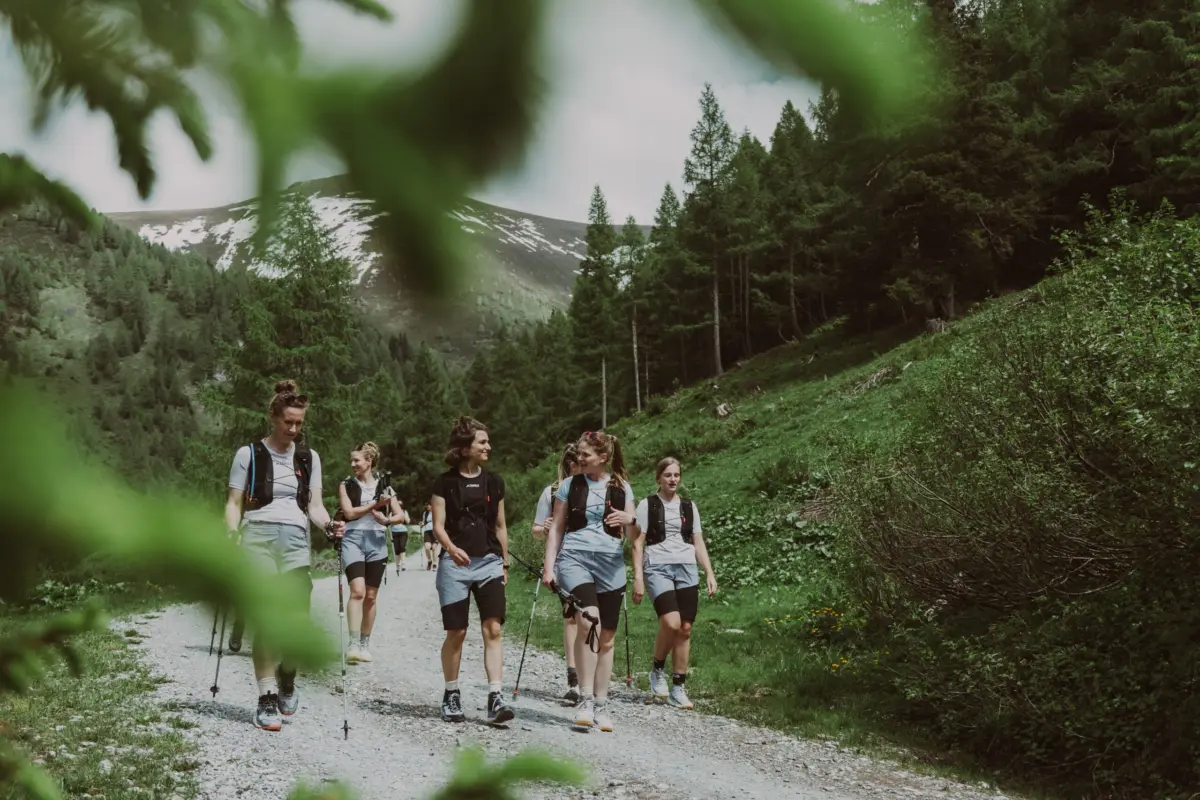
Consider the philosophy championed by major outdoor initiatives, such as the adidas TERREX “Design Your Life” hiking experiences. Designed specifically to empower women through immersive outdoor challenges, these programs merge physical endurance with personal development workshops. Set against dramatic landscapes like the Malerweg trail in the Elbsandsteingebirge (Saxon Switzerland) in Germany, these immersive weekends illustrate how outdoor brands are evolving into facilitators of personal transformation.
According to program organizers and participating outdoor experts, the core tenets of wilderness endurance mirror the decision-making processes required to navigate modern life:
- Pacing and Perseverance: Knowing when to push through fatigue and when to rest is a critical survival skill on the mountain. This exact calibration applies to career and personal burnout.
- Active Decision-Making: Every switchback requires a conscious choice about footing, direction, and energy expenditure. This deliberate mindfulness encourages individuals to take active control of their personal narratives.
- Community Synergy: Shared physical struggles within a supportive group of peers foster deep bonds and mutual empowerment, dismantling the isolation often felt in high-pressure modern environments.
Future Outlook: The Sustainable Future of Outdoor Exploration
As hiking cements its status as a permanent fixture of modern lifestyle culture, the outdoor recreation sector faces critical challenges and exciting opportunities moving forward.
Balancing Access with Conservation
The surge in trail popularity brings undeniable economic and social benefits to rural regions and local communities near major hiking corridors. However, it also places unprecedented strain on delicate ecosystems. The future of the hiking boom will depend heavily on education surrounding Leave No Trace principles, trail maintenance, and sustainable tourism initiatives. Protecting the mystical rock formations, ancient forests, and pristine waterfalls that inspire artists and adventurers alike is paramount.
The Rise of Conscious Micro-Adventures
Long-distance through-hiking will always retain its allure, but the democratization of the pastime points toward an increase in sustainable micro-adventures. Weekend getaways, accessible day hikes, and regional explorations will continue to grow as urban dwellers seek meaningful breaks without the carbon footprint of long-haul travel.
Empowerment Through Community
Programs that blend athletic endurance with personal coaching and community building—such as women-focused alpine workshops and inclusive outdoor collectives—are charting the course for the next generation of outdoor culture. By removing intimidation factors and providing comprehensive gear, logistical support, and mentorship, the outdoor industry is ensuring that the mountains remain open to anyone willing to take the first step.
Ultimately, whether scaling a dramatic alpine ridge in Gore-Tex or enjoying a quiet moment of reflection on a local woodland trail, the modern hiking movement is here to stay. It reminds us that no matter how digitized our world becomes, the fundamental human desire to explore, conquer internal doubts, and stand in awe of the natural world remains unchanged.